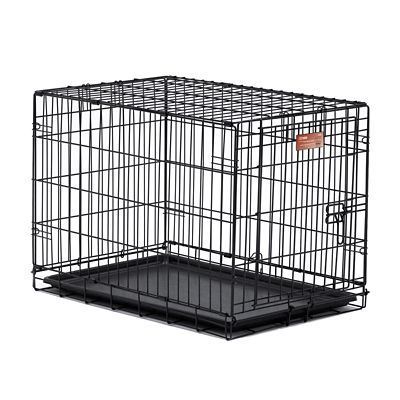
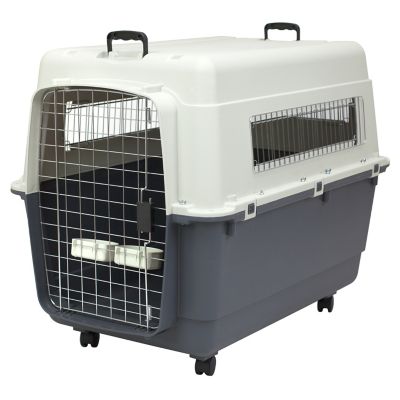
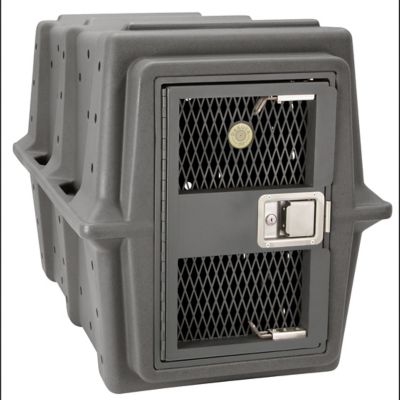
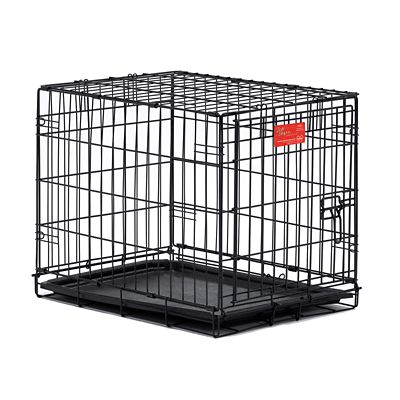
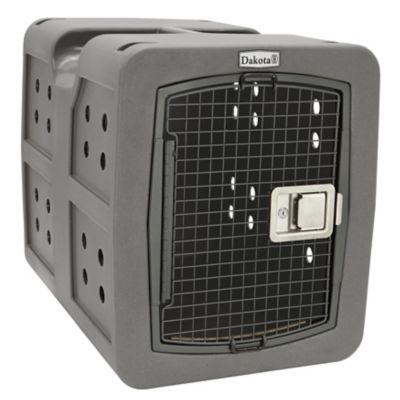
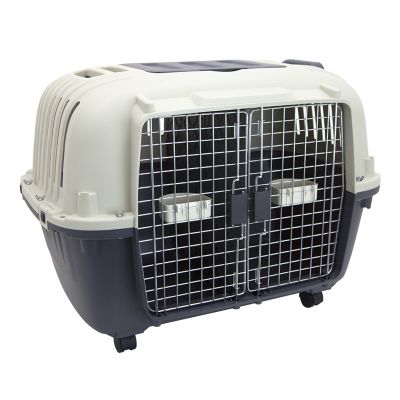
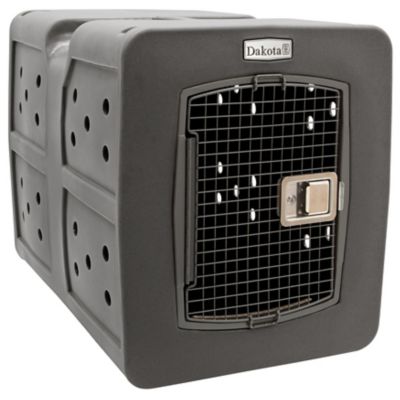
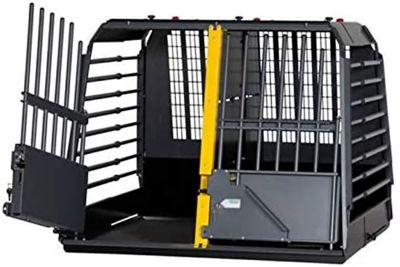
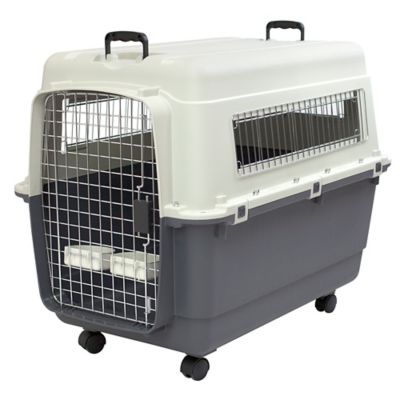
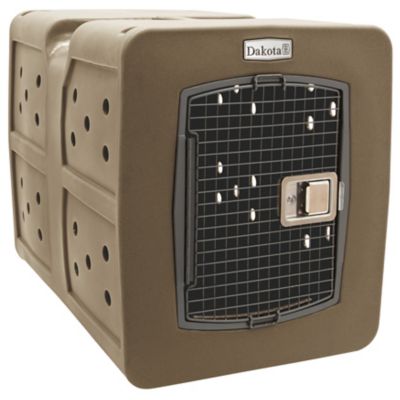
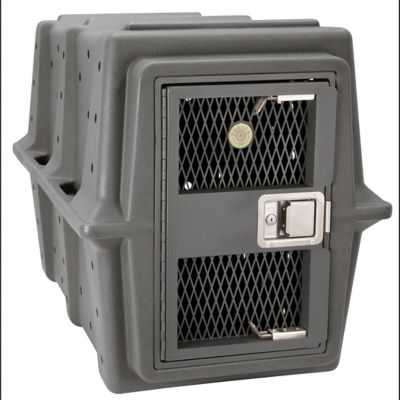
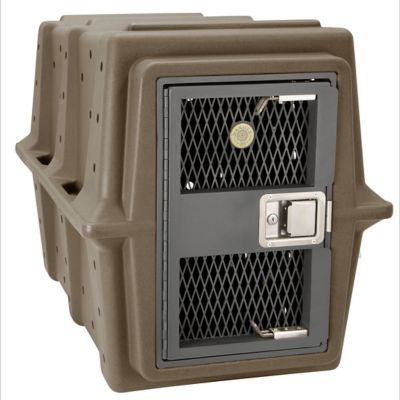
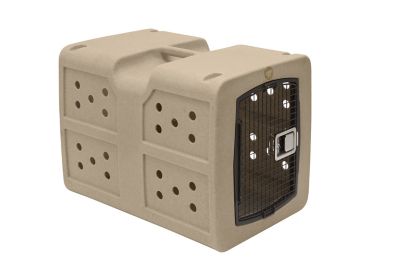
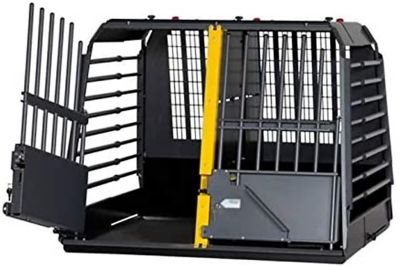
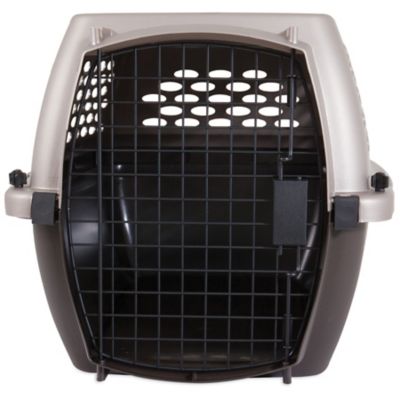
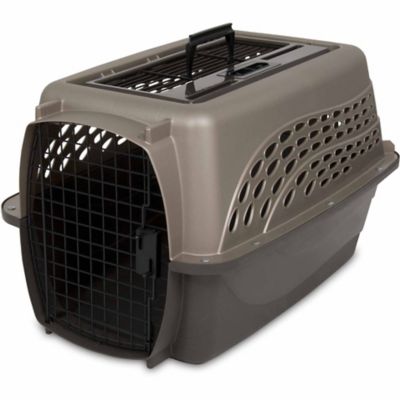
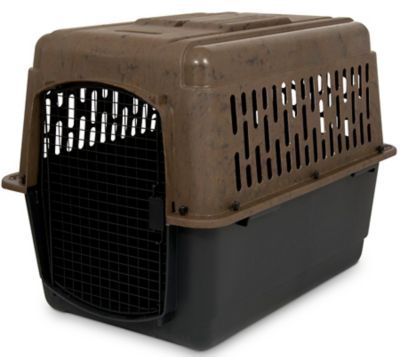
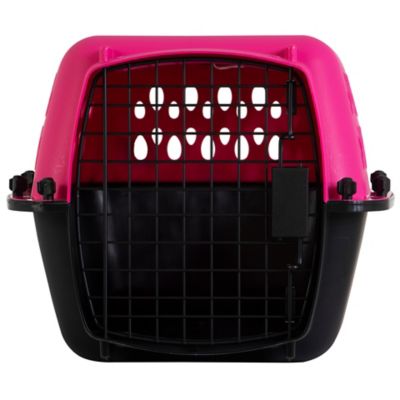
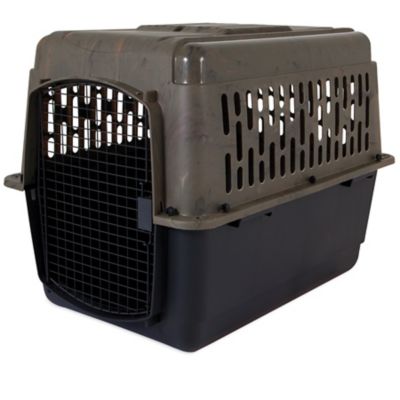
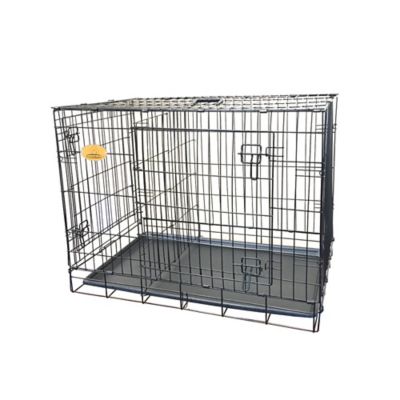
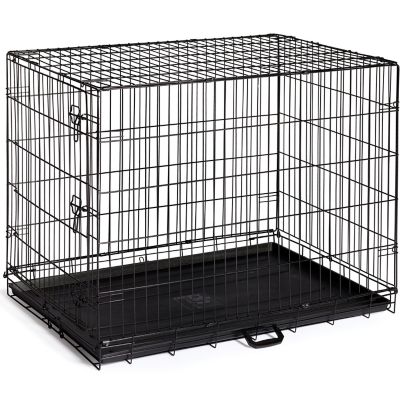
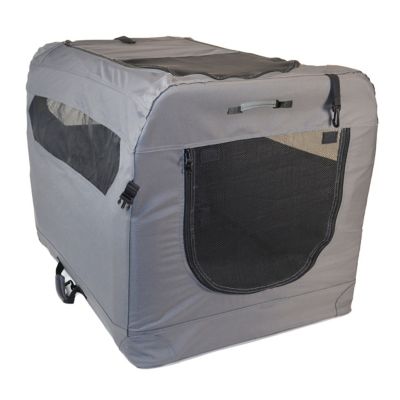
A heavy duty dog crate for large dogs gives big, strong dogs a sturdy place to settle, rest and travel when a standard crate may not hold up to daily use. Large breeds such as Great Danes, Mastiffs, Saint Bernards, Rottweilers, German Shepherds and other powerful or high-energy dogs need enough room to stand up without hunching, turn around comfortably and stretch out on their side. Measure your dog from nose to the base of the tail, then from the floor to the top of the head or ears, and add a little extra length and height for a comfortable fit. A crate should not be so oversized that a dog can use one end as a sleeping area and the other as a bathroom, but it should leave enough room for normal movement and a comfortable bed. For a dog still growing, a crate with a divider can help you adjust the usable space over time. Heavy-duty crates are useful for dogs that push, paw, chew or lean against lighter wire panels, as well as dogs that need a dependable quiet spot during busy household routines. They can be especially helpful during moves, home repairs, visits from guests, recovery after an injury or times when farm chores bring more open doors and foot traffic than usual. A solid, well-built enclosure can help keep a dog safely separated from tools, livestock areas, muddy boots and other hazards while still giving them a familiar place to relax. For everyday indoor use, shoppers may also want to compare these options with
Indoor Dog Crates For Large Dogs to find a setup that fits the dog, the room and the household routine.
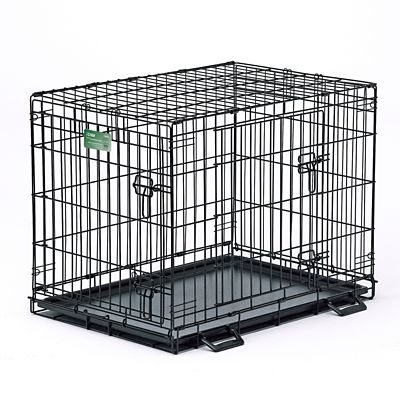
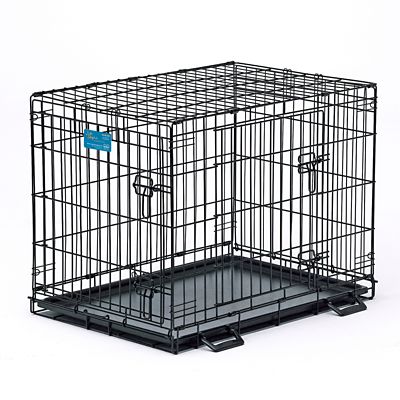
When comparing a heavy duty dog crate for large dogs, start with the frame and the way each panel is joined. Thick steel tubing, reinforced wire, heavy-gauge bars and welded or strongly secured corners generally provide more support than lightweight wire that flexes when a dog leans into it. A determined dog may test every seam and latch, so look for doors with sturdy dual slide bolts, secure locking points or slam-style latches that are difficult for a paw or nose to manipulate. Some crates accept a padlock for an added layer of security, which can be useful during transport or in a busy building, though the lock should never prevent quick access in an emergency. A crate with multiple doors may make placement easier in a mudroom, garage or living room, while a wide front door can be helpful when guiding a large dog inside without crowding their shoulders. Removable slide-out trays are another practical feature, catching loose hair, spilled water and the occasional accident so cleanup does not turn into a whole-afternoon job. Plastic trays are lighter and often easy to rinse, while metal trays may suit dogs that chew or scratch at floor materials. Raised floor grates can keep a dog above spilled water or messes, but they should have smooth, sturdy surfaces and be used with care so paws do not slip or become caught. Add a properly fitted mat or bed when appropriate, and check that bedding does not bunch up against the door. Rolling crates with lockable wheels can be convenient for moving a large enclosure across a hard floor, but the wheels should be secured before a dog enters. Measure doorways, hallways and vehicle openings before ordering, and account for the crate’s assembled size, not just the package dimensions. A quick walk through the house with a tape measure can save the headache of discovering that a crate fits the dog but cannot make the turn into the room where it belongs.
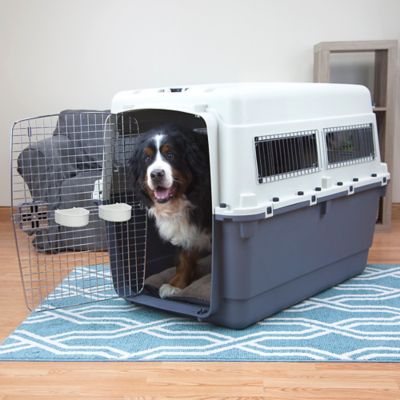
A heavy duty crate can serve families with large dogs, trainers working with powerful breeds, boarding or foster homes, groomers, hunters and anyone who wants a dependable containment area at home. It may also make a thoughtful gift for a new large-breed puppy owner, a family bringing home a rescue dog or a friend preparing for a move with a nervous pet. The best crate is not meant to be a punishment or a place where a dog spends the whole day. Introduce it gradually with the door open, familiar bedding and a few treats, allowing the dog to investigate at their own pace. Short, calm sessions usually build better habits than forcing a dog inside and shutting the door for long stretches. Place the crate in a well-ventilated area away from direct sun, furnace vents and heavy drafts, with enough household activity nearby that the dog does not feel isolated. During warmer weather, make sure the crate stays cool and never leave a dog unattended in a vehicle. During cooler months, keep the enclosure dry and draft-free without blocking airflow. For vehicle travel, choose a kennel specifically designed and tested for transport when available, secure it according to the manufacturer’s instructions and never assume a sturdy home crate offers the same protection as a travel-rated design. Inspect bars, welds, hinges, wheels, trays and latches regularly, especially if your dog is an active chewer or escape artist. A crate that once felt rock solid may need attention after repeated use, a hard move or a determined dog working the door. With the right size, strong construction and patient training, a heavy duty dog crate for large dogs can become as familiar as a favorite porch bed—a dependable corner where a big dog can nap after a long walk, watch the household from a safe distance and settle in while the day’s work carries on.