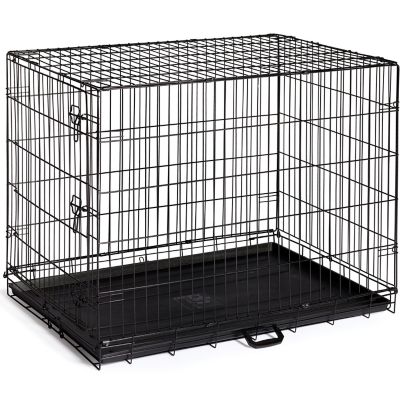
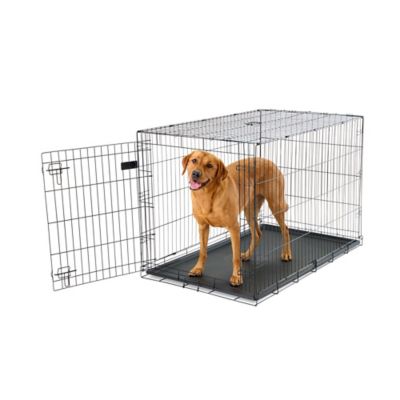
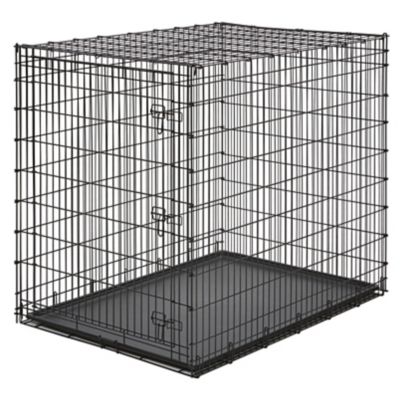
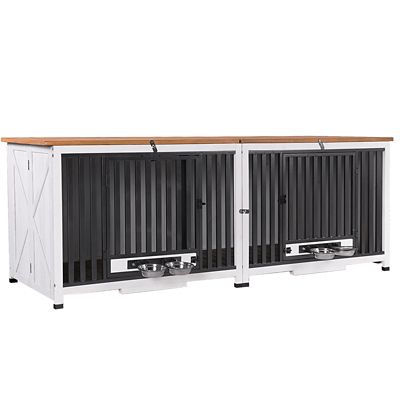
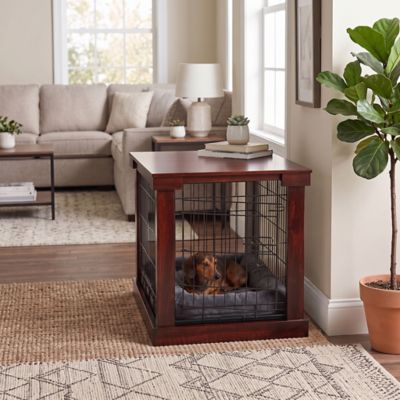
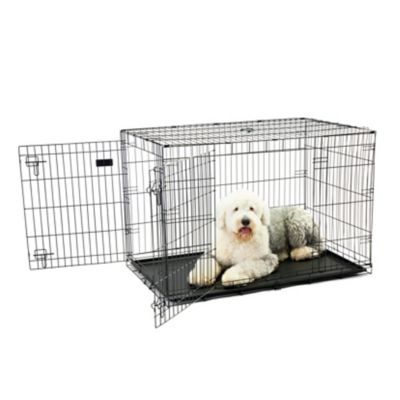
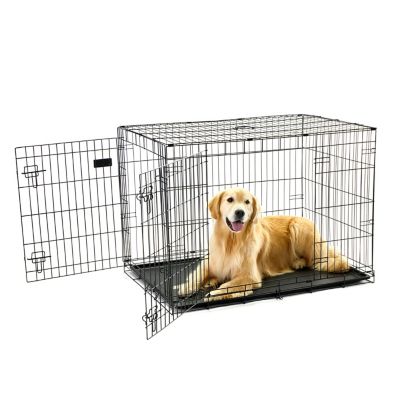
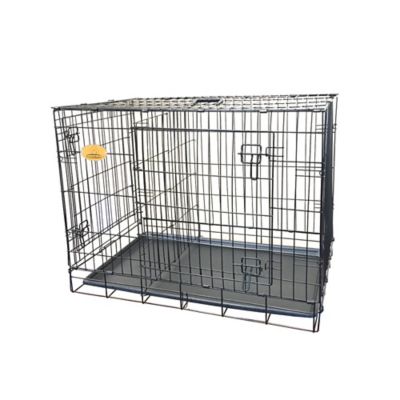
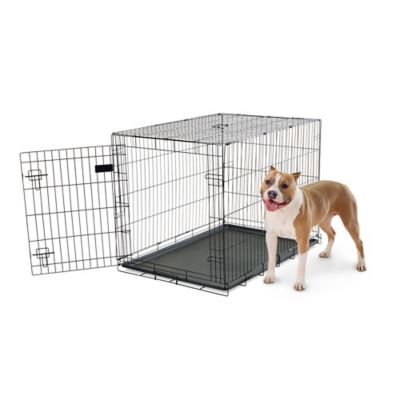
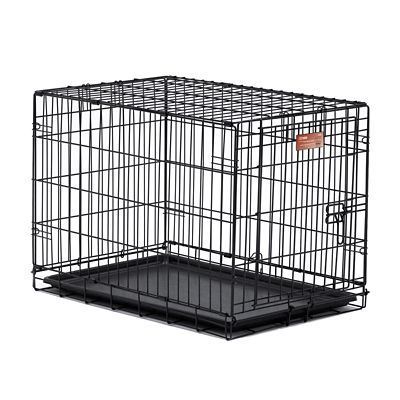
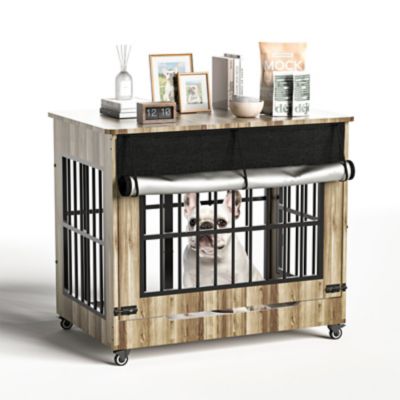
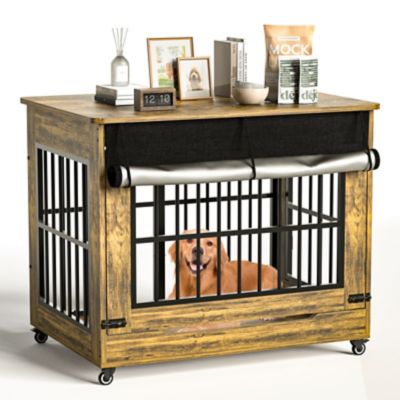
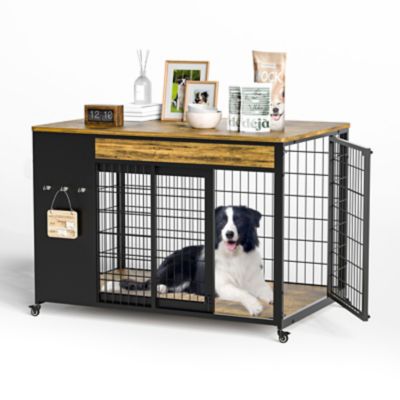
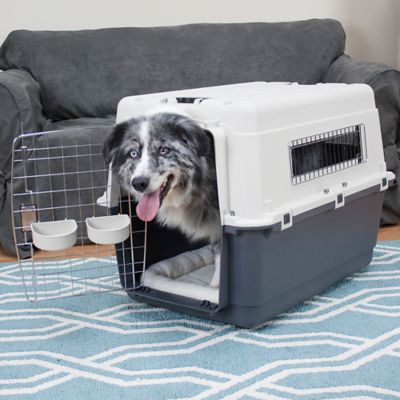
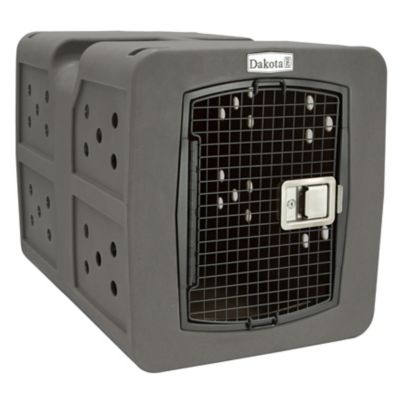
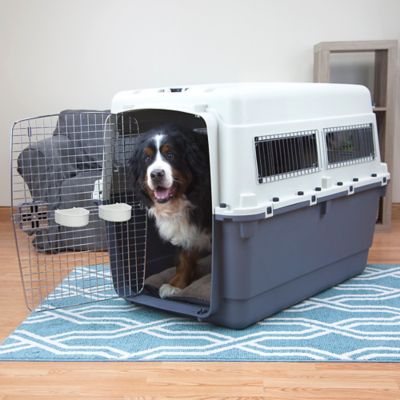
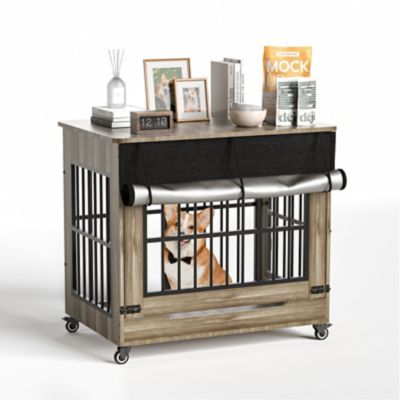
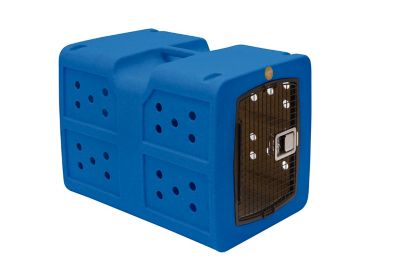
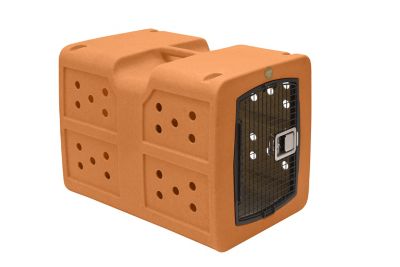
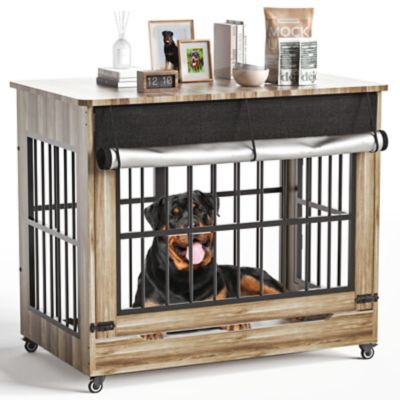
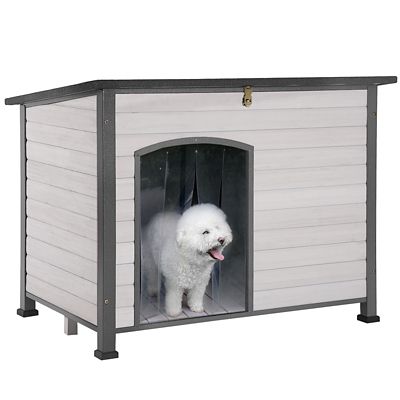
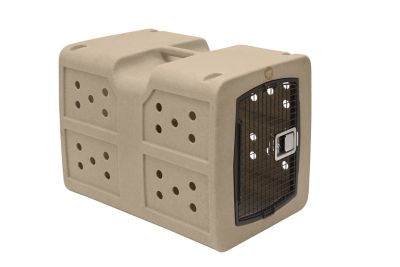
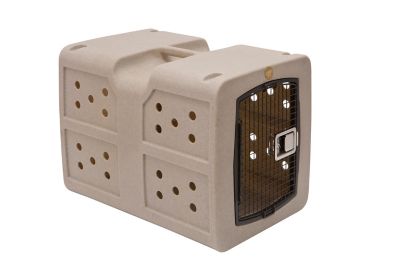
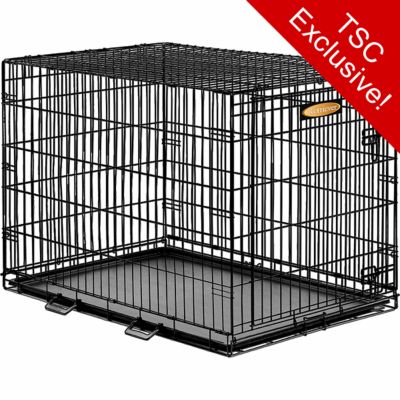
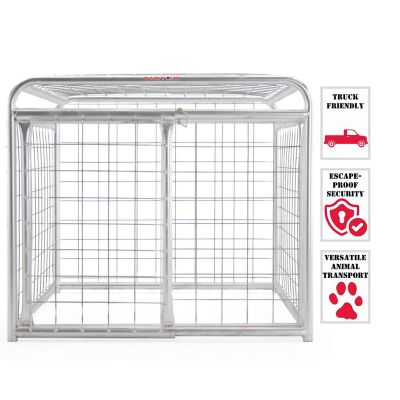
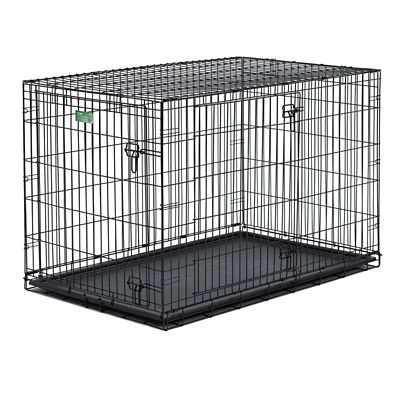
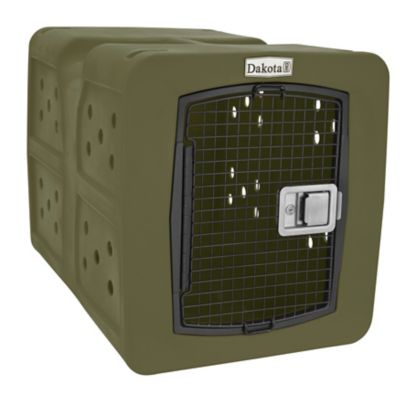
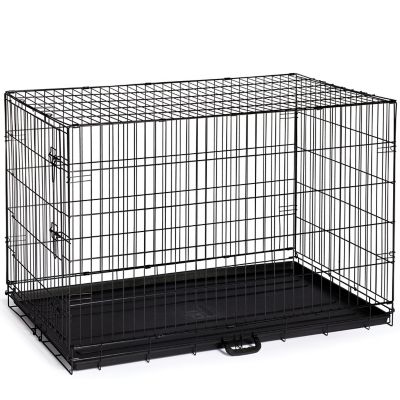
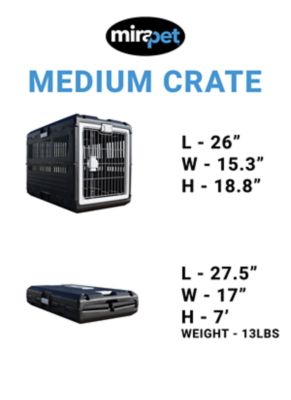
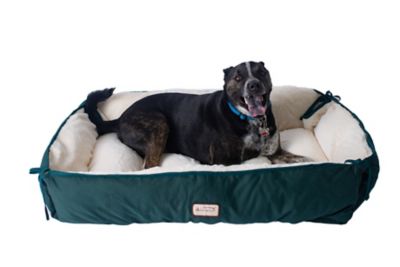
Indoor dog crates for large dogs give a big companion a place to settle without taking over the whole house. Whether that spot is beside the couch, along a quiet living room wall or near the family’s evening gathering place, the right crate balances room for the dog with a footprint that fits everyday life. Common styles include folding metal wire crates, reinforced steel enclosures, plastic kennels and furniture-style crates with wood or engineered wood panels. Each brings a different mix of airflow, visibility, weight and upkeep. Open wire sides let a dog see what’s happening nearby, while more enclosed designs offer less exposure to household activity. Furniture-style dog crates can serve as side tables or console surfaces when their construction and weight limits allow, making them worth considering in rooms where floor space has to pull double duty. Size matters more than the look, though. A large dog needs enough interior height to stand naturally without ducking, enough width to turn around easily and enough length to lie comfortably without being folded into a corner. Crates labeled large often measure around 42 inches long, while extra-large sizes commonly start around 48 inches, with some reaching 54 or 60 inches. Those measurements are only a starting point: size labels vary, and exterior dimensions do not tell the whole story about usable room inside. A tall, lean dog and a broad, deep-chested dog may weigh the same but need different proportions. Comparing the dog’s standing height and nose-to-base-of-tail length with the crate’s interior measurements gives a better sense of fit than breed or weight alone. Thick bedding also takes away some headroom. For a growing large-breed puppy, a crate with a properly secured divider can let the sleeping area expand over time, provided the enclosure will accommodate the dog’s expected adult size. That flexibility can make the transition from puppy naps to a grown dog’s evening rest a little smoother.
Materials and construction help determine how an indoor crate fits a dog’s habits and a household’s routine. Metal wire crates generally offer plenty of ventilation and often fold for storage, a practical feature when a spare room needs to become a guest room. Reinforced steel crates tend to weigh more and may have heavier frames, bars and door hardware, but stronger construction is not a treatment for separation distress or panic. A dog that bites bars, throws its body against a door or repeatedly tries to break out needs help from a veterinarian or qualified behavior professional rather than simply a tougher enclosure. Plastic kennels have more enclosed sides and usually wipe down readily, though their ventilation openings and interior shape deserve a close look for a large dog. Furniture-style crates bring wood tones and finished surfaces into the room, but exposed panels and edges may not suit a persistent chewer. Moisture can also affect wood-based materials, especially around water spills or an occasional accident. Across styles, smooth edges, sound joints, secure latches and a stable base matter for everyday wear. Door placement makes a real difference, too. A side-opening door may work better along a wall, while a front entry can suit a narrow space; double-door layouts provide more options without changing where the dog rests. The opening needs to accommodate broad shoulders, and a low threshold can be easier for an older dog with stiff joints. A solid, supportive resting surface is important, particularly for heavier dogs, so flooring deserves as much attention as the frame. Removable pans simplify cleanup, and a washable crate mat can add cushioning if the dog can safely have bedding. For dogs that shred or swallow fabric, bedding choices call for extra care and veterinary input. Lockable casters can help move a heavy enclosure for cleaning, but the wheels should stay secured whenever the crate is occupied. Shoppers comparing layouts and features can also explore
Top Rated Dog Crates For Large Dogs while keeping their own dog’s measurements and behavior at the center of the decision.
A crate earns its place indoors when it works with the rhythm of the home. After a muddy walk down the lane or a busy afternoon with company coming through the door, a familiar resting spot can give a crate-comfortable dog some breathing room. Placement helps set that tone. A level floor in a calm area near household activity often works better than an isolated corner or a busy passage where boots, laundry baskets and swinging doors keep brushing past. Even a roomy crate can feel cramped in the wrong location if its door cannot open fully. Space around the enclosure also makes it easier to lift a tray, change bedding and sweep up hair. During cooler weather, the spot should remain clear of drafty exterior doors, fireplaces and heating vents; direct sun through a window can make an indoor resting area too warm even when the air outside feels chilly. Routine care is straightforward but worth keeping up with. Hair and grit collect beneath trays and around hinges, while damp bedding can hold odors and leave a dog resting on a clammy surface. Cleaning according to the manufacturer’s directions, rinsing away cleaner residue when required and letting surfaces dry before adding fresh bedding help keep the space comfortable. Regular checks for bent wire, loose fasteners, cracked pans and damaged latches can catch wear before it becomes a safety concern. Collars, tags and harnesses can snag on crate parts, so removing them before crating helps reduce that risk. Beyond the hardware, an indoor dog crate is a resting and management space, not a replacement for walks, bathroom breaks, exercise or time with people. Gradual introductions and positive associations matter, especially for an adult dog settling into a new home. A large dog recovering from a procedure may also need restricted activity, but the enclosure size, bedding and schedule should follow the veterinarian’s directions. From a young dog learning household routines to an older companion seeking a quiet nap, the best fit is one that supports the dog’s comfort and makes everyday care manageable.