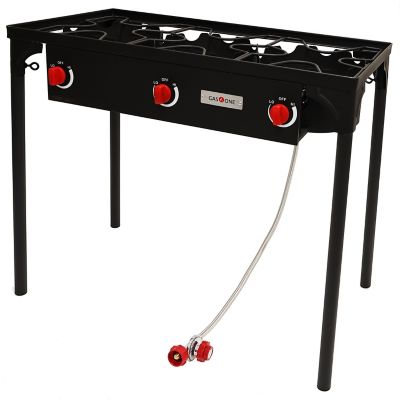
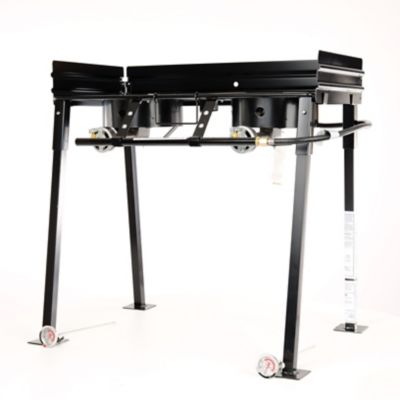
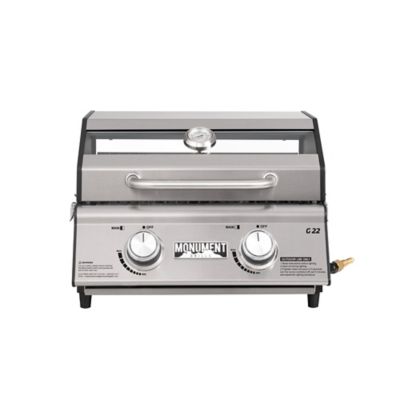
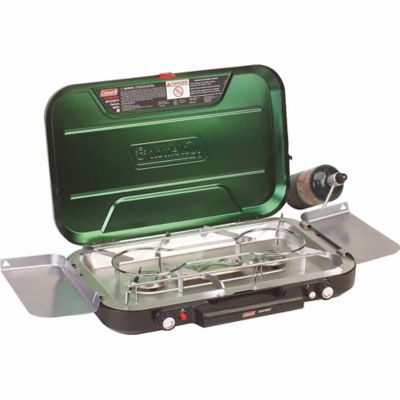
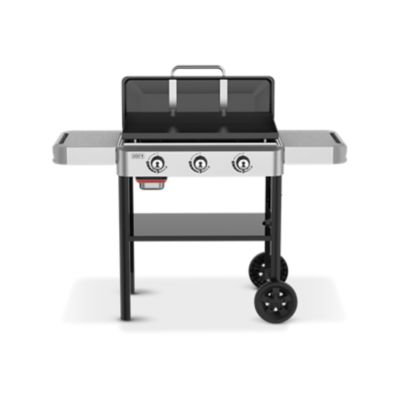
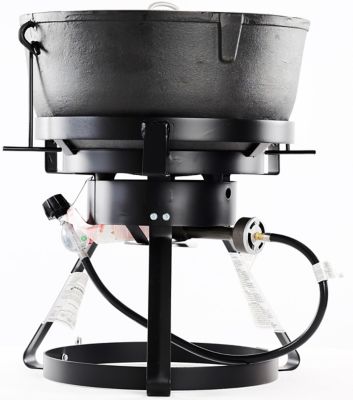
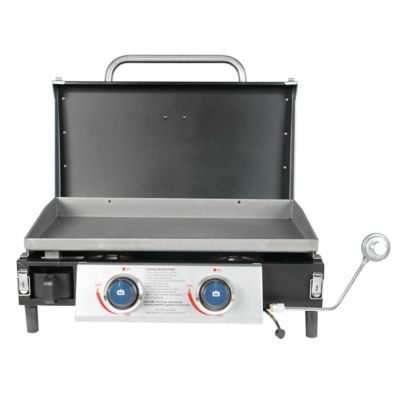
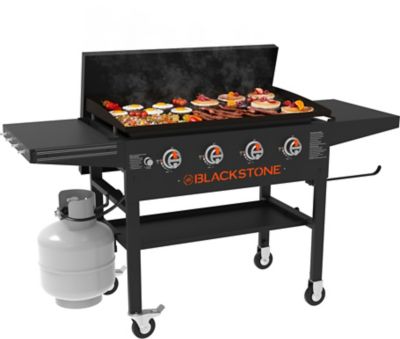
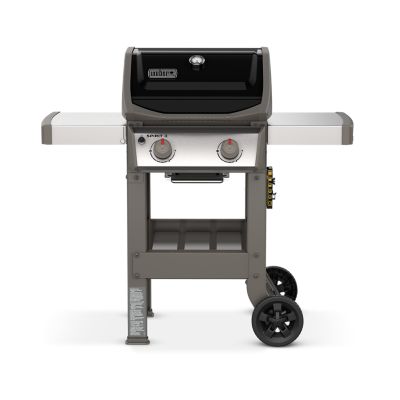
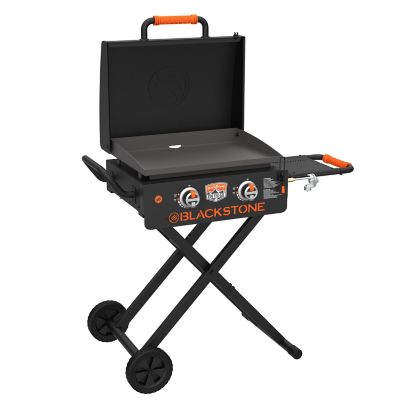
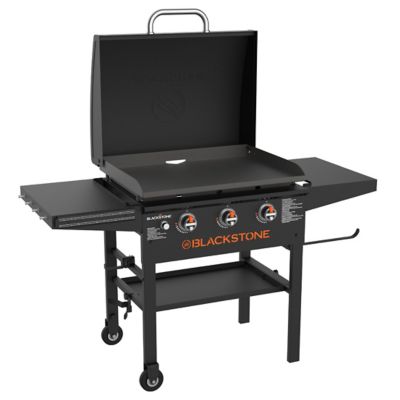
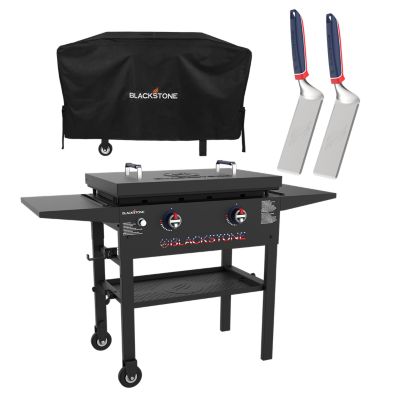
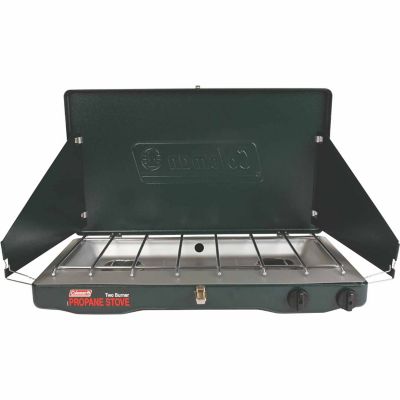
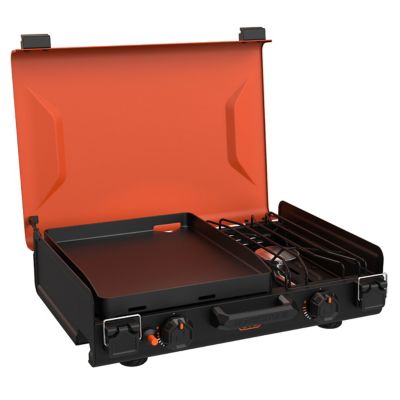
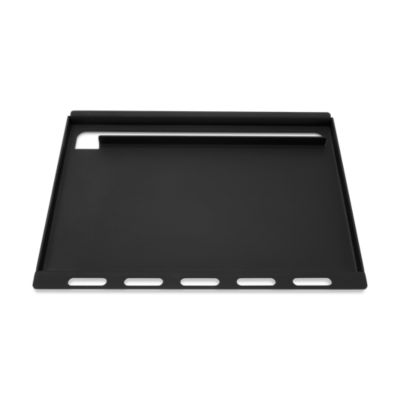
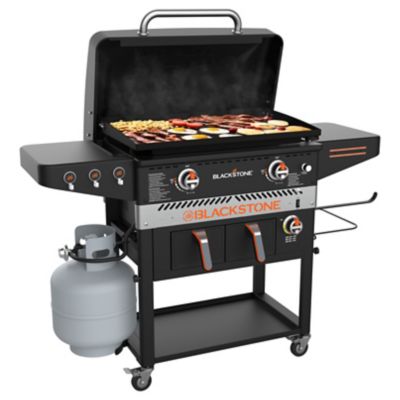
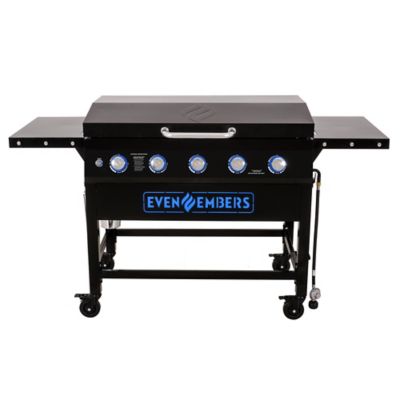
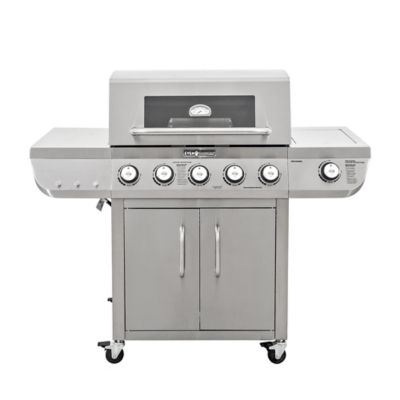
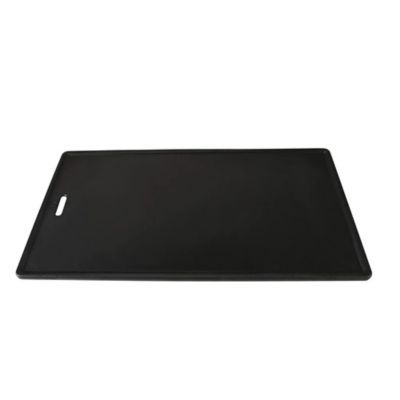
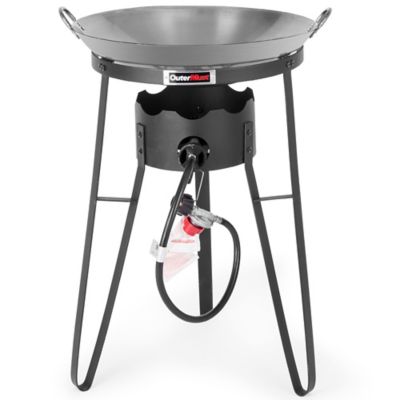
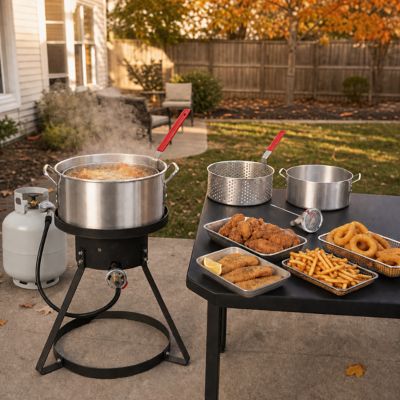
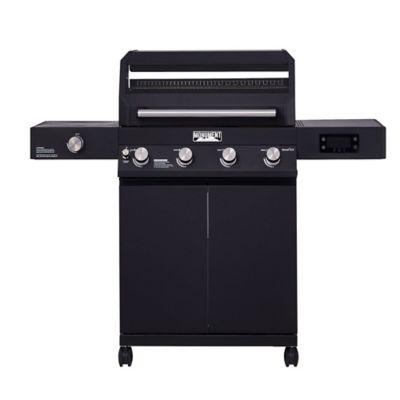
Outdoor cooktops make it easier to move everyday cooking outside, whether you are fixing breakfast beside the barn, boiling a big pot of corn for a family gathering, or keeping a skillet of warm food going while everyone visits around the patio. This broad category includes portable camp stoves, two-burner propane cookers, built-in side burners, high-output power burners and flat-top griddles. A portable unit can be a handy choice for camping, tailgating, hunting camp, fishing trips or a backyard setup that changes with the season. Built-in cooktops are a natural fit for an outdoor kitchen, where a dedicated burner gives you room to cook without crowding the main grill. Flat cooking surfaces are useful for bacon, eggs, pancakes, hash browns, smash burgers, grilled sandwiches and sliced vegetables, while open burners work well with stockpots, Dutch ovens, saucepans and woks. For a broader look at coordinating cooking and prep pieces, visit
Outdoor Kitchen Equipment. These cooktops can also make thoughtful gifts for campers, backyard cooks, newly settled homeowners and anyone who enjoys feeding a crowd outside. A portable stove tucked into a truck or camper can turn a quiet campsite into a place for hot coffee and a real meal, and a griddle can become the go-to gathering spot when the weather is pleasant enough to keep everybody outdoors. During the warmer part of the year, outdoor cooking helps keep heat and cooking smells out of the house; as cooler weather settles in, a sturdy cooktop remains useful for outdoor fish fries, chili suppers, weekend breakfasts and other meals prepared close to the fire pit or work area.
When comparing outdoor cooktops, start with the way you expect to use the unit and the space available for it. Propane models are popular for their portability and simple setup, making them convenient where a natural gas line is not available. Check whether the cooktop uses a standard refillable propane cylinder or another fuel arrangement, and make sure you have a safe, ventilated place to store fuel when the unit is not in use. Natural gas cooktops can be a good fit for a permanent outdoor kitchen, but they require a properly installed gas connection and are not meant to be moved from place to place. Heat output is listed in BTUs, or British thermal units. Lower output can provide better control for simmering sauces and warming food, while higher output is helpful for bringing a large pot of water to a boil, searing, wok cooking or handling heavy cast-iron cookware. More BTUs are not automatically better for every cook, so look for a balance of high heat and dependable adjustment across the burner range. Pay attention to the number and spacing of burners, especially if you plan to use more than one pan at a time. A wide surface may be worthwhile for family-size meals, while a compact single-burner design can be easier to carry and store. Stainless steel is valued for its weather resistance and easy cleanup, while cast iron holds heat well and delivers a steady cooking surface, though it needs proper drying and occasional seasoning to help prevent rust. Look for stable legs or a secure drop-in installation, sturdy grates, easy-to-reach controls and a grease management design that will not leave drips where people walk. Set the cooktop on a solid, level, noncombustible surface with plenty of clearance from walls, railings, overhangs, dry grass and stored items. Follow the manufacturer’s instructions for connecting fuel, lighting the burners and shutting the system down, and never leave an active flame unattended. Let griddles and grates cool before cleaning, wipe away grease buildup, and cover or store portable cooktops in a dry place between uses. With the right size, fuel source, heat range and maintenance routine, an outdoor cooktop can become one of those dependable pieces of equipment that earns its place through countless meals, from the first cup of coffee in the cool morning air to a late-season supper shared outdoors.