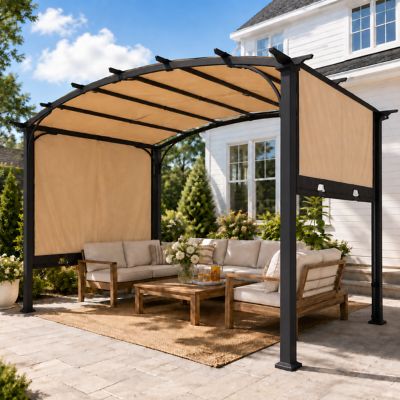
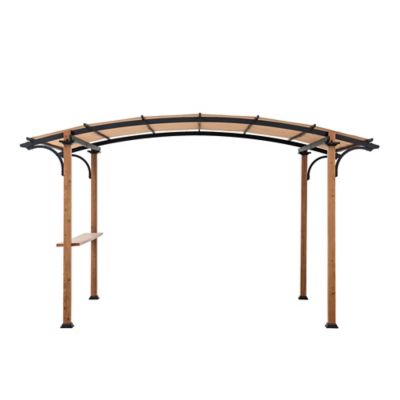
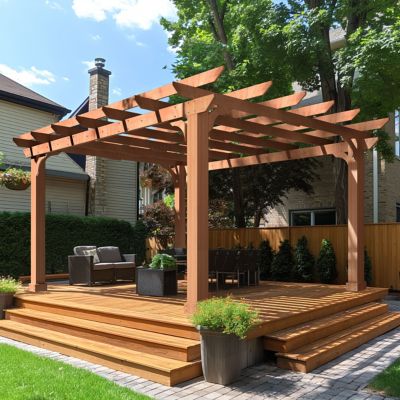
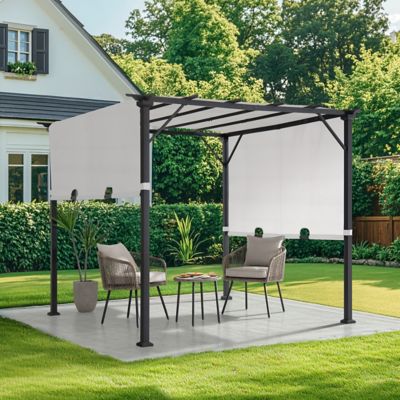
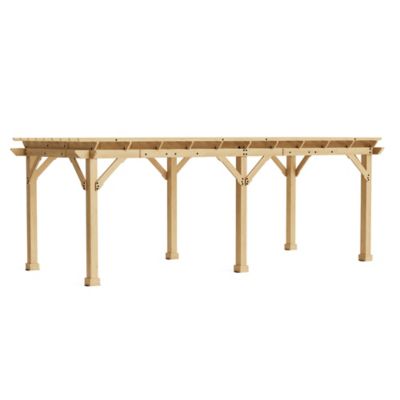
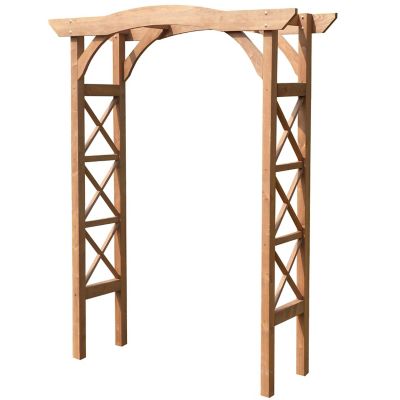
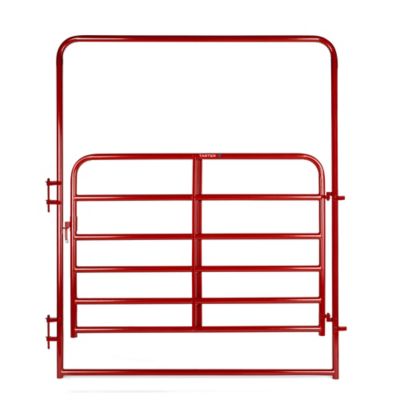
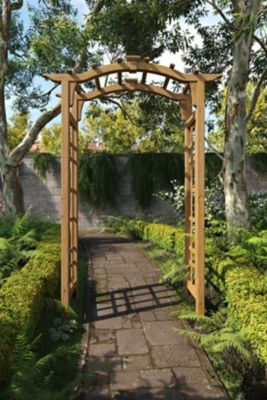
Outdoor archways bring a little structure and charm to the places where you spend time outside. Set one at the entrance to a garden, along a walkway, between patio areas, or near a gate, and an ordinary stretch of yard can feel more finished and welcoming. Some folks use an archway to frame a favorite view, while others add one as a support for climbing roses, clematis, morning glories, grapevines, or other trailing plants. Even without greenery, the right arch creates a clear transition from one area to another, much like a front porch gives a home a proper welcome. For a small backyard, an archway can add height without taking up much ground space. In a larger garden, several matching arches can help define rows, paths, or outdoor rooms. They also make thoughtful gifts for gardeners, new homeowners, and anyone who enjoys turning a plain patch of grass into a place with personality. As the weather warms, a vine-covered arch can become a leafy retreat with dappled shade and a spot to pause with a cup of coffee. During the cooler months, the frame still adds shape to the landscape, especially when paired with evergreen plants, seasonal decorations, or a simple string of outdoor lights. Browse our selection of
Backyard Arches to find an outdoor archway that suits your space, planting plans, and everyday style.
When choosing an outdoor archway, start with the space itself. Measure the width of the path or opening, then allow enough room for comfortable passage, wheelbarrows, lawn equipment, guests, and mature plants. An arch that looks delicate in a product photo may feel crowded once thick vines fill in, so leave room for growth on both sides and overhead. Height matters, too. Most garden walkways feel more inviting when people can pass beneath the arch without ducking, and a taller design may be the better fit for a busy entryway or a path used while carrying baskets, tools, or feed. Consider whether you want a freestanding archway that can be placed where it works best or a design intended for more permanent installation. Ground stakes may provide suitable support for a light display or a sheltered spot, while heavier plant growth, windy locations, or soft soil may call for deeper anchoring or concrete. Always follow the installation instructions and check the structure from time to time, especially after heavy rain, strong wind, or a season of vigorous growth. A well-placed arch should feel steady when touched and should not lean as vines and flowers become heavier. It is also helpful to think about the path below it. Level ground makes installation easier and improves safety, while a muddy or uneven approach may need gravel, pavers, or another firm surface before the archway goes in.
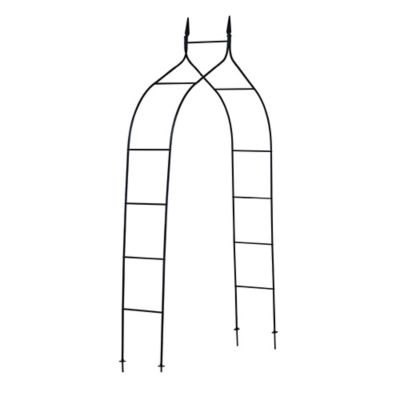
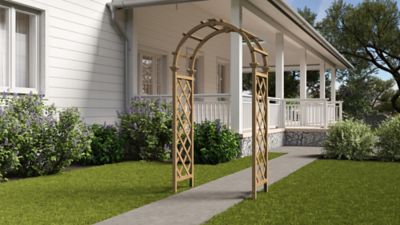
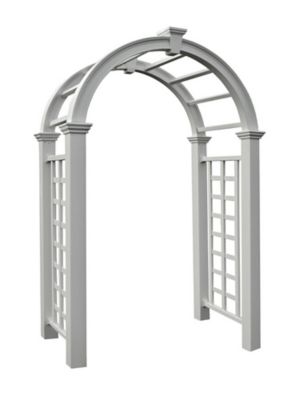
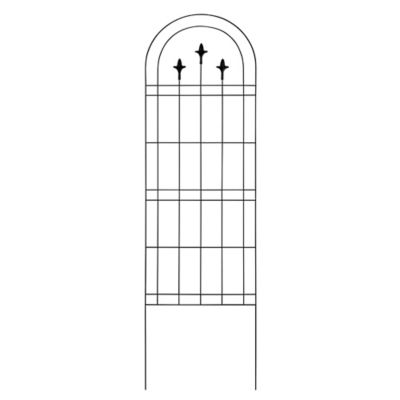
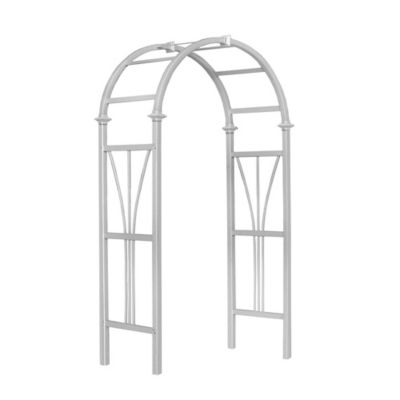
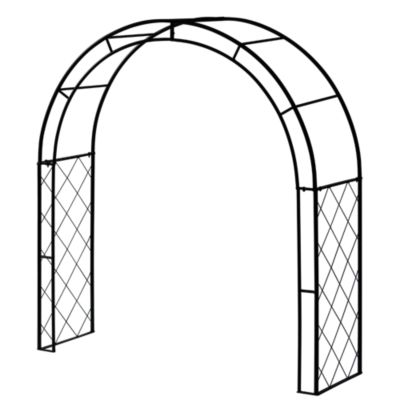
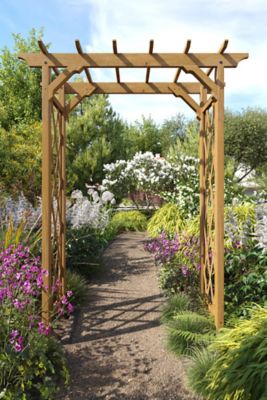
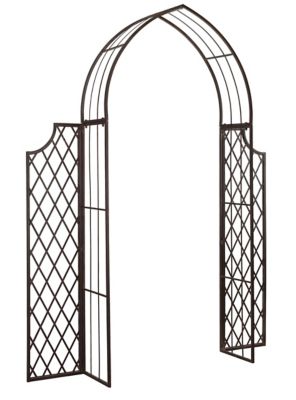
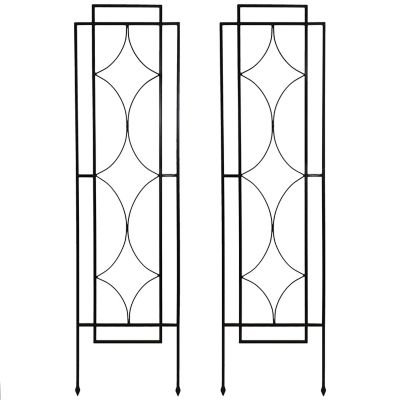
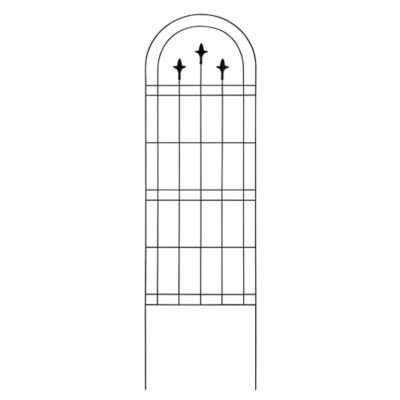
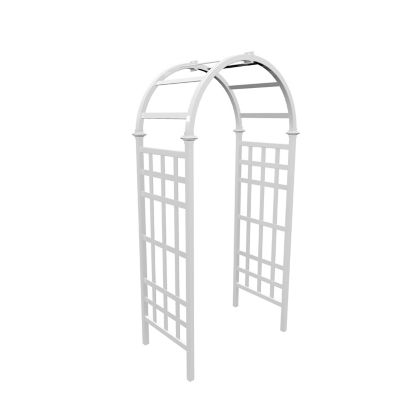
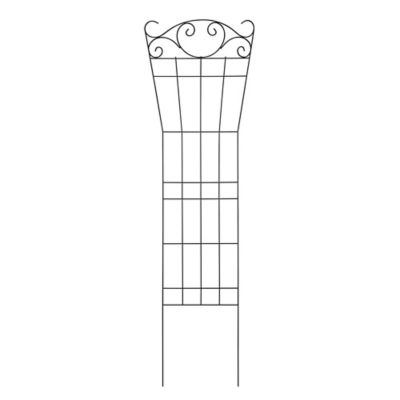
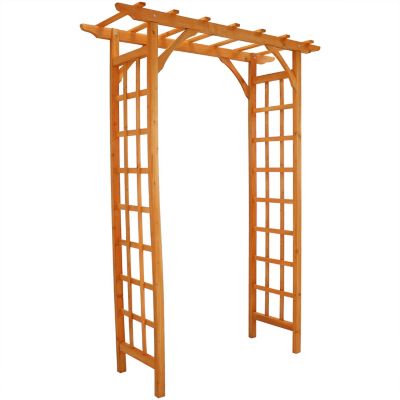
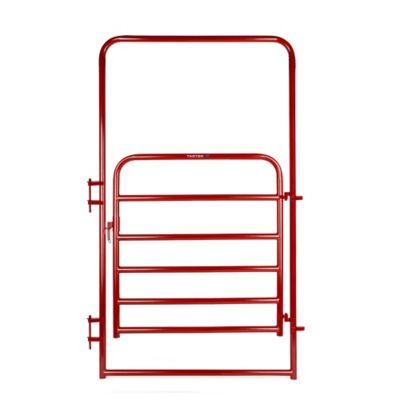
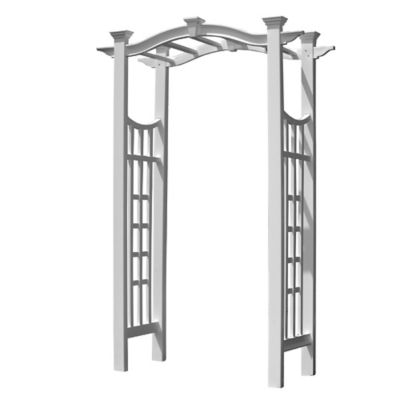
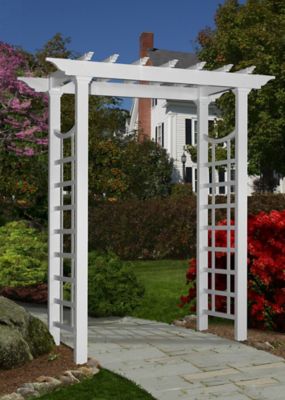
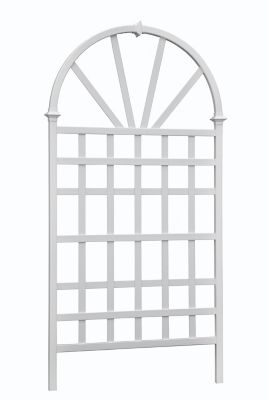
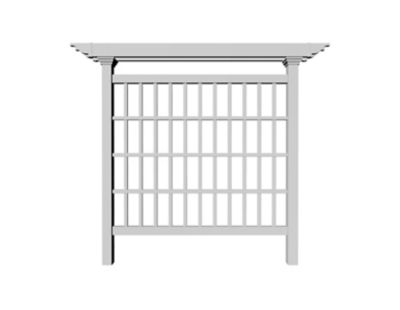
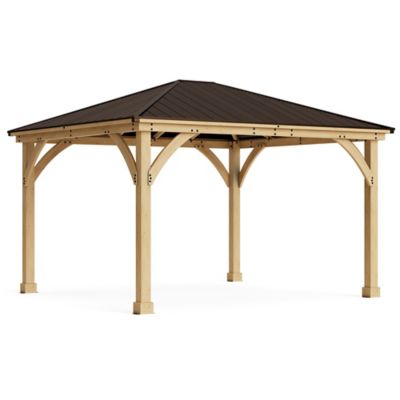
Material and finish play a big role in how much care an outdoor archway will need. Wood brings a warm, rustic look that fits naturally beside raised beds, split-rail fencing, barns, and cottage-style gardens. It may need sealing, staining, or other maintenance to help protect it from moisture, insects, and weather-related wear, and it should be checked for soft spots or cracking over time. Metal archways offer a more open, traditional, or modern appearance and can provide sturdy support for many climbing plants. Look for weather-resistant finishes, such as powder coating, and inspect the surface occasionally for scratches or areas where rust could begin. Vinyl is a popular choice for a clean, classic look with less routine upkeep, since it resists many of the problems associated with moisture and peeling paint. Its light color can brighten a shaded corner and pair well with flowering vines, white fencing, or a simple backyard seating area. Shape matters as much as material: a rounded top gives a softer garden feel, while a squared or geometric design works well around contemporary landscaping. A trellis-style archway offers more places for tendrils to grab, whereas a simpler frame may be just right for a light garland or a few carefully trained stems. Think about the finished picture, but also picture the work involved in getting there. A fast-growing vine can cover an arch in a single season, while a rose or woody perennial may take longer and require tying, pruning, and guiding by hand.
Outdoor archways are useful well beyond the flower garden. Place one at the entrance to a chicken garden, cut-flower patch, or fenced vegetable area to give the space a recognizable doorway. Use one to separate a sitting area from the rest of the yard, create a backdrop for family photos, or add a little definition around an outdoor celebration. A plain arch can be dressed with planters at its base, weather-safe ribbon, lanterns, or lights for a warm glow when evenings turn cool. If you are buying one as a gift, consider the recipient’s available space, favorite colors, and comfort with garden projects. A low-maintenance vinyl or finished metal option may suit someone who wants easy upkeep, while a wood arch can be a good match for a gardener who enjoys hands-on projects and a naturally weathered look. Keep plant weight, local weather, and the amount of sunlight in mind before making a choice. With the right size, secure footing, and a style that fits the surroundings, an outdoor archway can become one of those small additions that changes how a whole yard feels—from a simple passage to a welcoming garden entrance that grows more appealing with every season.