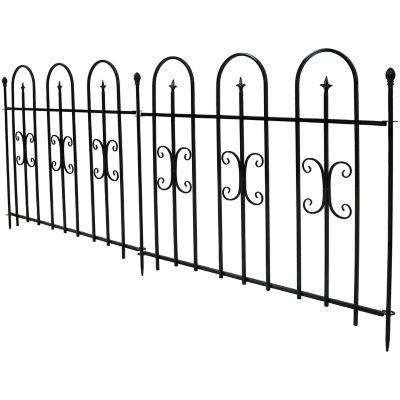
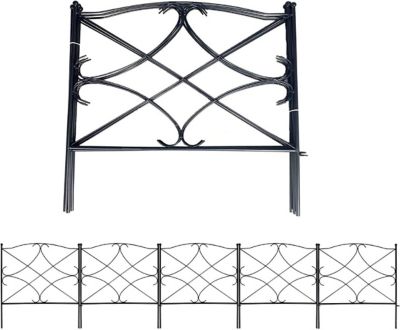
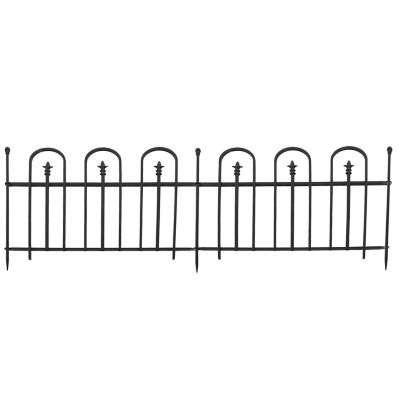
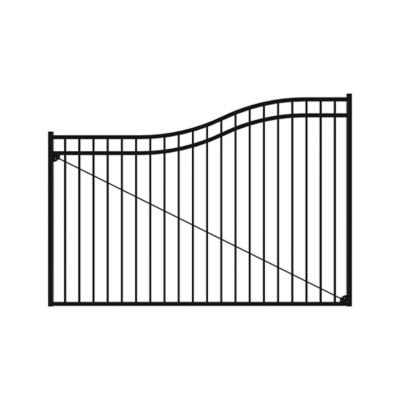
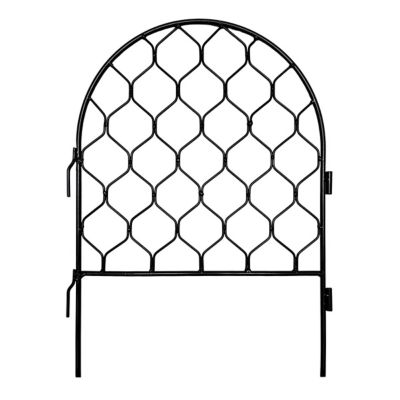
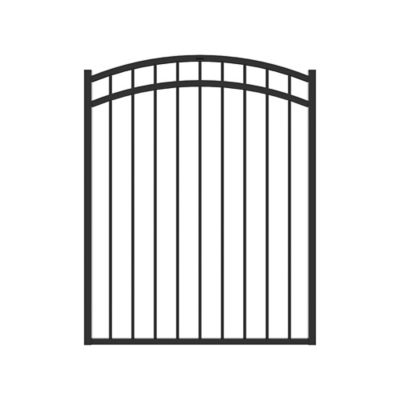
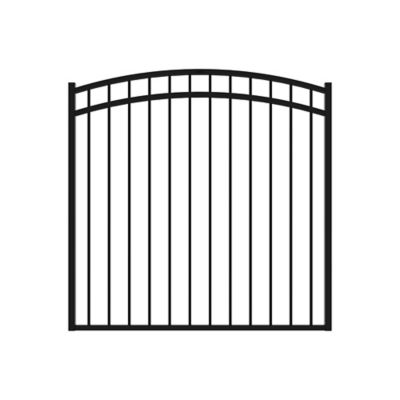
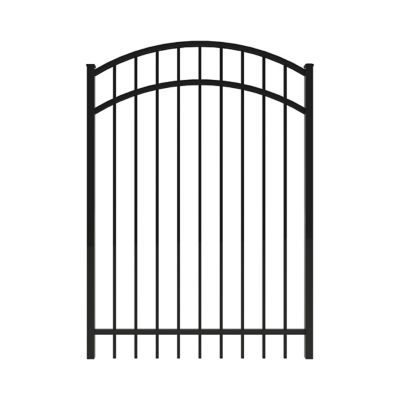
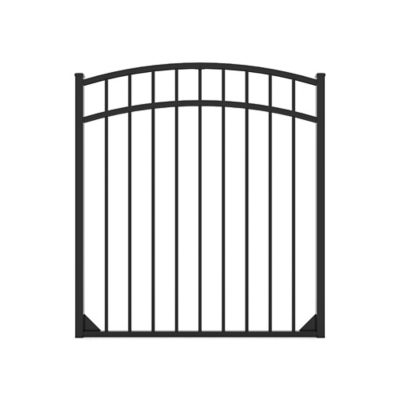
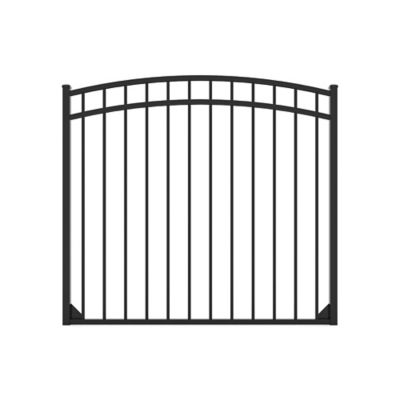
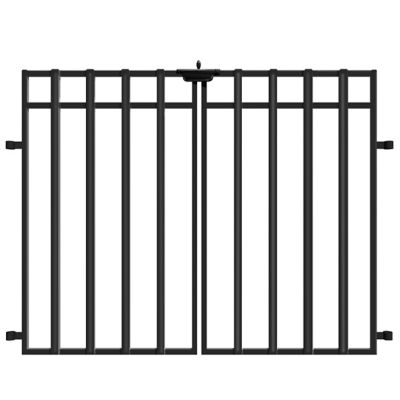
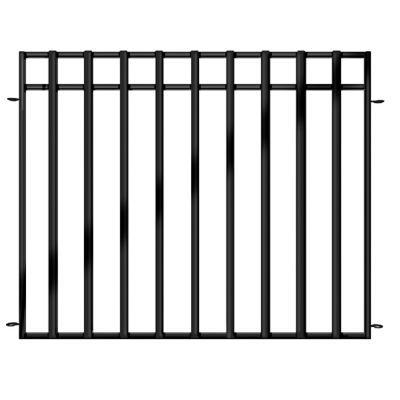
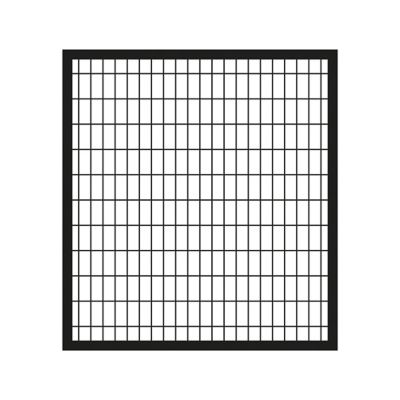
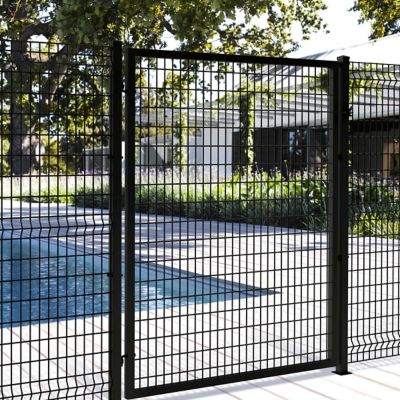
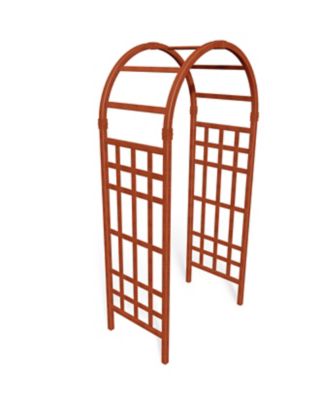
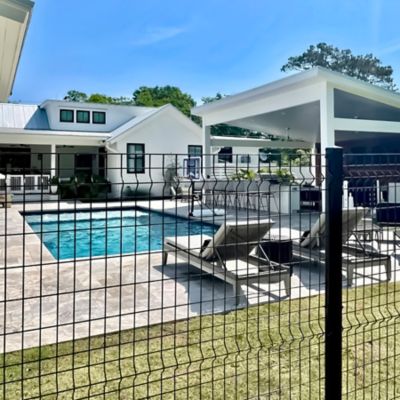
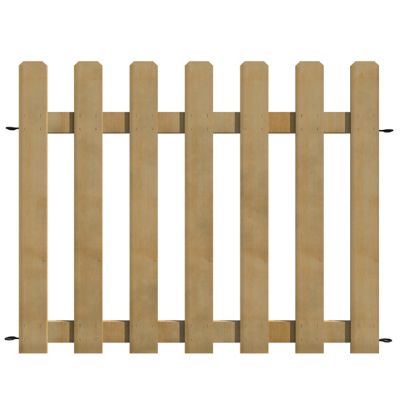
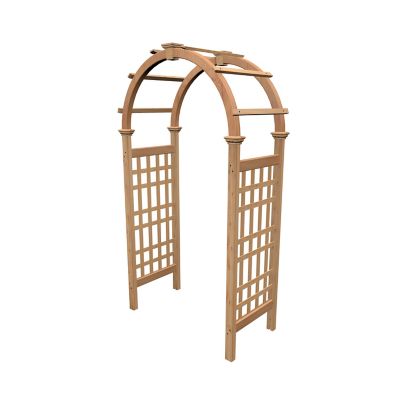
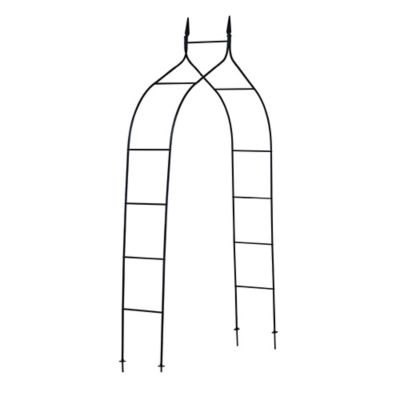
Arched fences bring a softer, more welcoming look to the straight lines around a home, garden, pasture edge, or outdoor living area. Their curved or domed top rises gently in the middle, creating a bit of visual interest without making the fence feel fussy. That shape works well on everything from a small flower-bed border to a full-height privacy enclosure, so the right choice depends on how much space you need to cover and what you want the fence to do. Low decorative metal panels are handy for outlining planting beds, walkways, porches, and patios, while helping keep curious dogs, chickens, and other roaming critters from stepping into fresh mulch or delicate flowers. Taller arched wood privacy panels can add separation between a backyard and the road, give a pool or sitting area a more tucked-away feel, and help define property lines. Vinyl picket styles offer a classic look with open spacing that suits front yards, cottage gardens, and smaller homes where you want a boundary without closing off the view. Along with their good looks, arched tops can help break up the rigid appearance of a long fence run, especially when paired with gates, climbing plants, stone paths, or natural landscaping. The materials bring different benefits. Wood has a warm, familiar appearance that fits country properties and can be stained or painted to suit the house, barn, shed, or garden structure. Pressure-treated lumber is commonly chosen for outdoor durability, while naturally weather-resistant wood can offer a more rustic finish. Metal fencing brings a slender profile and decorative strength, with finishes that may complement black hardware, galvanized farm fixtures, or other outdoor accents. Vinyl is easy to wipe clean, does not need regular painting, and can be a practical fit for homeowners who prefer low-maintenance fencing through changing weather. When comparing arched fences, check the overall height, panel width, material thickness, finish, and spacing between pickets or wires. A fence meant to guide foot traffic or frame a garden will have different requirements from one intended to contain pets or provide privacy. Measure the full run, account for corners and gates, and allow for posts, connectors, stakes, or other hardware needed for a secure installation. Product dimensions can vary, and a curved top may add extra height at the center of each panel, so look at both the lowest and tallest points before planning placement. For more decorative boundary ideas, browse
Ornamental Fences to compare styles that can work alongside an arched design.
Before setting a fence, take a close look at the ground and the way water moves across the property. A level lawn is usually straightforward, but sloped ground, tree roots, rocky soil, and soft garden beds can change how panels line up and how deeply supports need to be placed. Small no-dig metal borders may be suited to light-duty garden use, while a taller fence generally calls for sturdier posts and a more secure footing. Keep gates wide enough for wheelbarrows, lawn equipment, feed carts, or a mower if they need to pass through, and leave room for the gate to swing without catching on a raised bed or uneven ground. The arched shape does not replace good construction, but the curved top can help rain shed off a wood panel rather than sitting along a broad, flat edge; sealing cut ends and keeping wood clear of standing water still matter for a longer service life. During the warmer part of the year, an arched fence can give young plants a neat backdrop and make a busy yard feel more settled. As the weather cools, it continues to define paths, protect dormant beds, and add structure after leaves have fallen. In rural settings, these fences are useful around kitchen gardens, herb plots, porch steps, and small animal areas, though they should be matched to the animals and the job. A low decorative panel may discourage a wandering dog, but it is not a substitute for a properly built livestock enclosure. Likewise, picket spacing should be considered carefully around small pets and children, with no openings that could cause heads, paws, or legs to become trapped. Arched fencing can also make a thoughtful housewarming gift for someone fixing up a first home, planning a backyard garden, or giving a tired entryway a little country character. A small set of decorative panels paired with garden tools, soil amendments, or outdoor lighting can help a new gardener shape a space that feels personal from the start. For larger projects, sketch the fence line before buying, mark corners and openings, and compare the total cost of panels, posts, fasteners, gates, and installation supplies rather than looking only at the price of an individual section. Material costs often fall in the broad range of about $6 to $25 per linear foot, depending on the material, height, finish, and level of privacy, with labor and hardware adding to the final project budget. Whether the goal is a graceful garden border, a dependable pet boundary, a welcoming front-yard accent, or a more private backyard, arched fences offer a practical way to add shape and character while keeping the property organized.