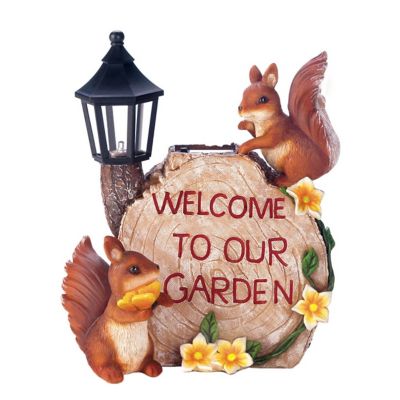
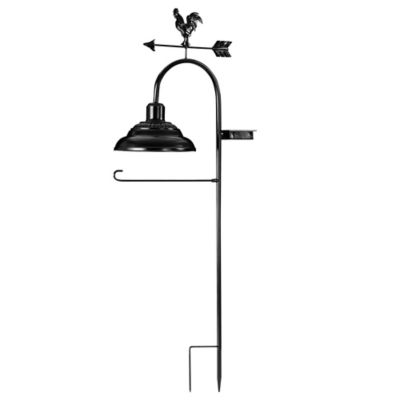
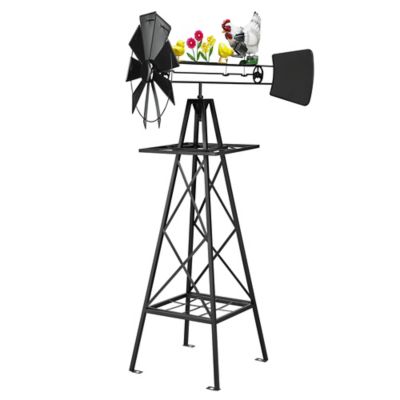
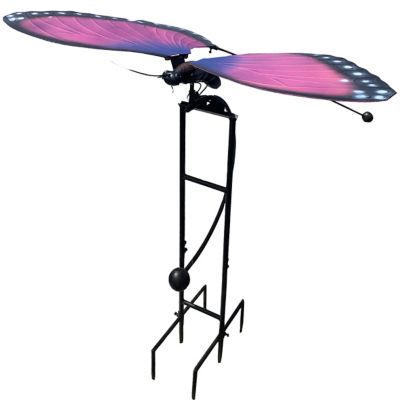
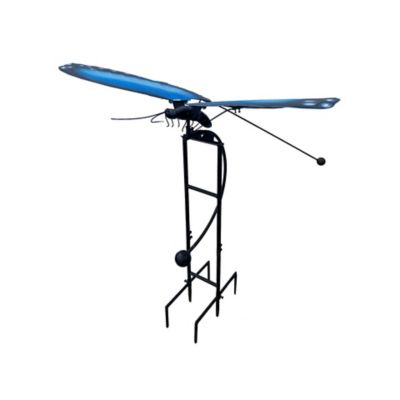
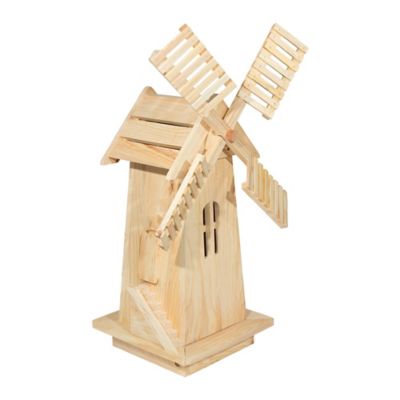
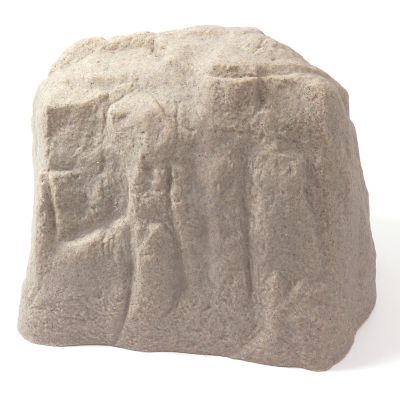
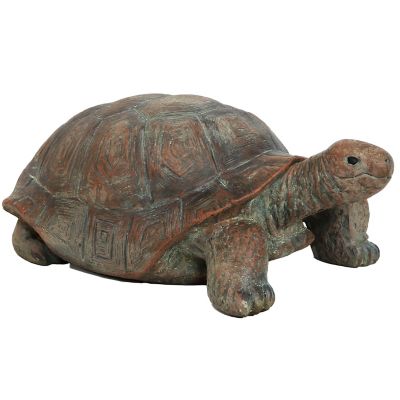
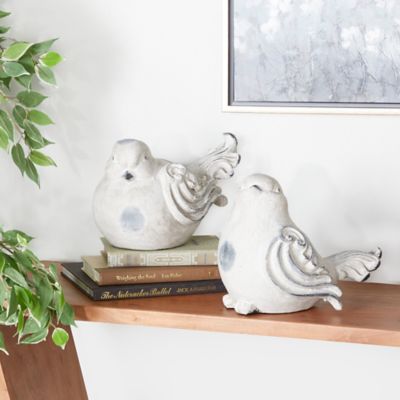
Outdoor ornaments are accents for yards, gardens, porches, and patios, including garden statues, hanging wind chimes, kinetic spinners, gazing balls, and garden stakes. They bring color, shape, sound, or movement to spaces that might otherwise feel a little bare, from a flower bed beside the house to a gravel path leading toward the barn. Some serve as a focal point, while others tuck between plants or hang near a favorite sitting spot. Animal figures, farm-inspired shapes, and simple geometric forms can each give an outdoor space a different feel without changing its layout. A small ornament beside a porch step creates a welcoming detail close to home; a larger piece needs enough room around it for its outline to stand out. Scale matters as much as style. An accent that looks right beside a planter may disappear against a wide lawn, while a tall garden stake can crowd a narrow walkway. Color makes a difference, too. Earth tones blend into stone, wood, and greenery, while brighter finishes draw attention to an entry or the bend in a path. Repeating a color already found on a front door, porch cushion, or flowerpot helps tie the space together without making every piece match. Garden ornaments also work well in the places people actually spend time: beside a porch swing, near a patio chair, or along the view from a kitchen window. Keeping the main sight line in mind gives even a modest accent a clear purpose. On larger properties, a few thoughtfully placed pieces often make more sense than scattering small accents across every open spot. The result can feel relaxed and personal, with room for the garden, the porch, and the everyday work of the property to remain part of the scene.
Materials affect an outdoor ornament’s weight, appearance, care needs, and ability to hold up over time. Metal can create slim silhouettes, detailed cutout patterns, or moving parts, with finishes ranging from painted color to the muted look of galvanized steel. Coated steel benefits from attention to scratches and exposed edges, where corrosion can begin, while aluminum generally offers a lighter option for hanging pieces. Cast iron has substantial weight, making a sound base and careful handling important. Resin allows molded detail without the heft of solid stone, though the thickness of the piece and the design of its base still matter. Concrete and stone bring a grounded look beside masonry paths, gravel beds, and porch foundations, but their weight calls for a level, supportive surface. Ceramic and glass can add rich color or a smooth finish; placement away from mower routes, gates, and busy play areas helps reduce accidental knocks. Wood offers grain and texture that fit naturally beside fences and timber posts, with care depending on the finish and the maker’s directions. Across these materials, outdoor suitability should come from the product’s stated intended use rather than appearance alone. A piece that looks substantial is not necessarily suited to every location. Bases, hanging loops, fasteners, and stake connections deserve the same attention as the visible design. A hanging ornament needs a support that can carry its weight, and a standing figure needs firm footing rather than loose mulch that shifts under the base. Garden stakes also need enough insertion depth to hold their position without interfering with roots, irrigation lines, or buried utilities. Routine care is usually straightforward: a soft cloth or brush can lift dirt from textured surfaces, and gentle cleaning helps preserve painted details. Cleaning products, touch-up coatings, and disassembly should follow the maker’s recommendations, especially around electrical parts or mixed materials. Leaving enough space for trimming, sweeping, and mowing makes upkeep easier without turning a favorite accent into an obstacle.
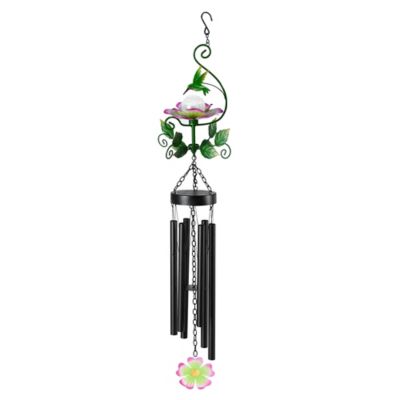
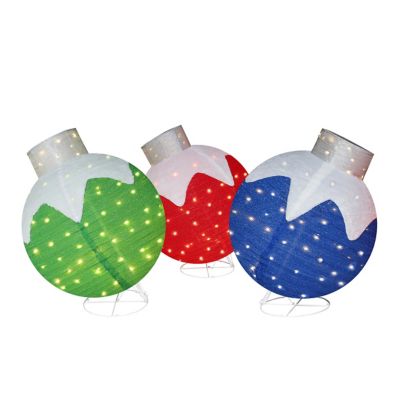
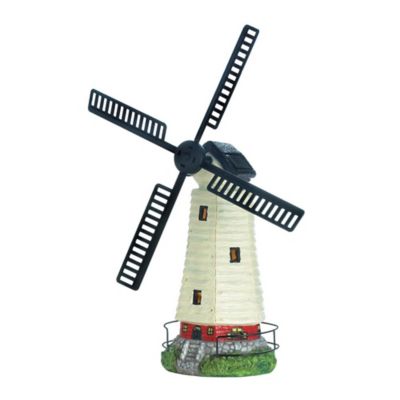
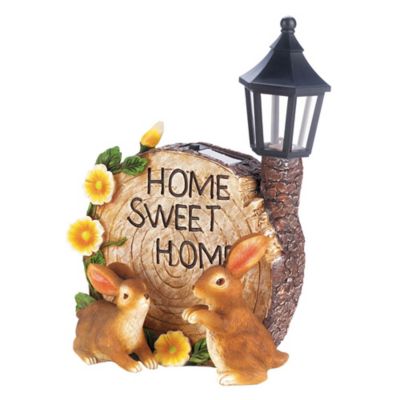
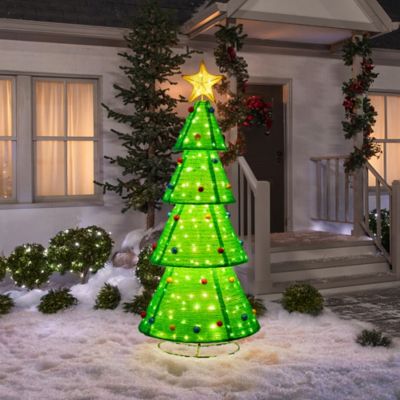
Sound, motion, and lighting give outdoor ornaments another layer of character, and each works best when it suits the way a space gets enjoyed. Wind chimes can add a light, bright note or a deeper tone, depending on their material, size, and construction. Close to a porch chair, their sound becomes part of the experience; beside a bedroom window or shared property line, a quieter design may be a better fit. Kinetic spinners need room for their moving sections to turn without brushing plants, railings, or passing people. Their movement is easier to appreciate against a simple background than against a crowded collection of other accents. Solar-powered garden ornaments combine a sculpted shape with light, making panel placement an important part of the fit. Access to direct sunlight supports charging, while nearby porch lights or landscape lighting may affect how some light sensors operate. Brightness, operating time, battery care, and switch settings vary by design, so the stated features matter more than the size of the ornament. Lighted accents can mark the edge of a planting bed or bring a soft glow near a sitting area, but they should not replace lighting needed for steps and walking routes. For gifts, outdoor ornaments offer plenty of room to match someone’s interests without needing clothing sizes or measurements beyond the space itself. A gardener may appreciate an accent that nestles among established plants, while someone who enjoys a front-porch visit might prefer a hanging piece visible from a favorite chair. Animal themes can reflect a fondness for backyard birds, horses, or farm life, and a simple sculptural form can suit a less crowded yard. Holiday displays have their own playful possibilities, with
Fun Outdoor Christmas Decorations offering inspiration for Christmas touches around the home. For everyday outdoor spaces, the best fit comes down to a pleasing design, sensible placement, and care that fits comfortably into the regular routine.