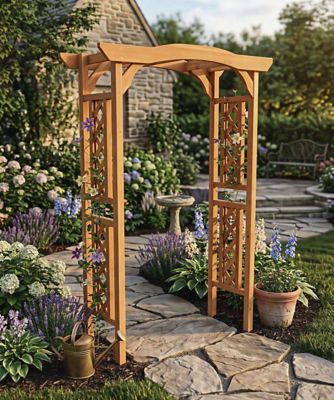
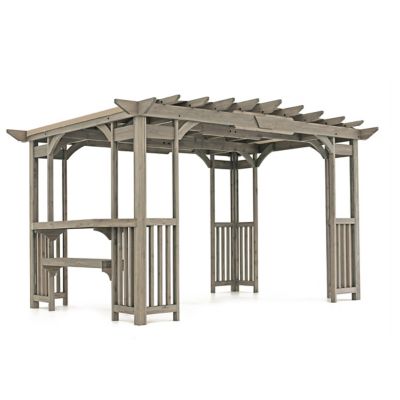
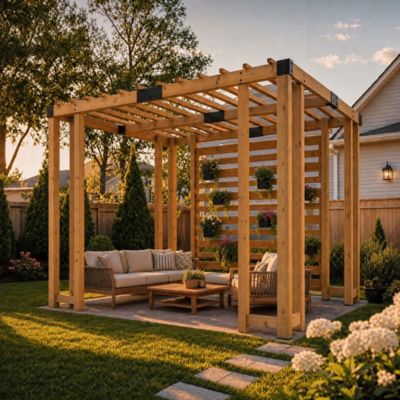
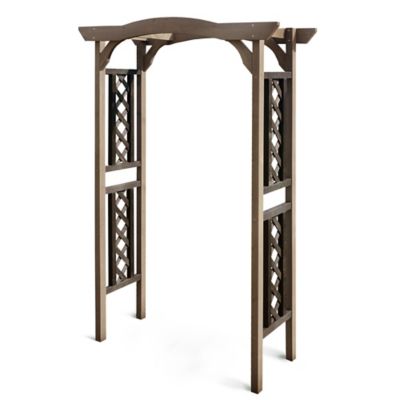
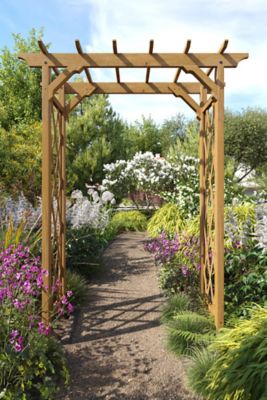
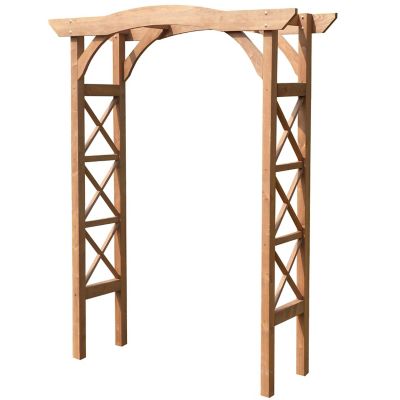
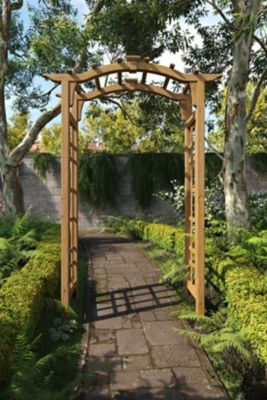
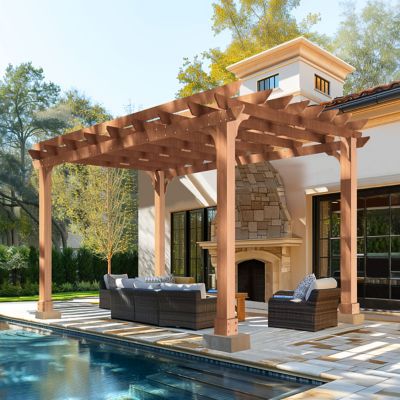
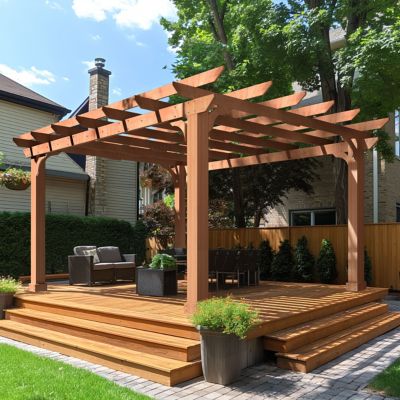
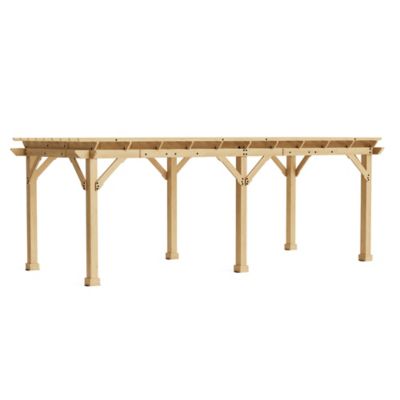
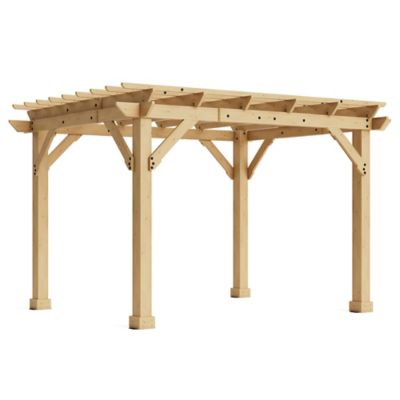
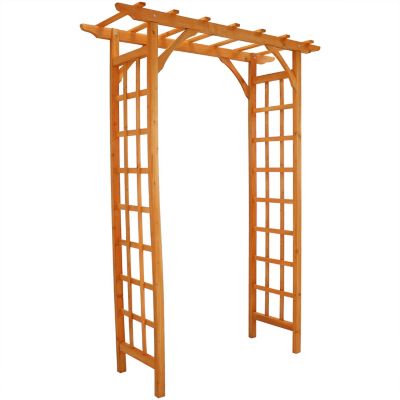
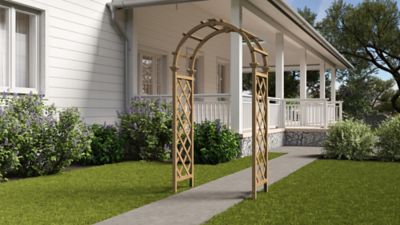
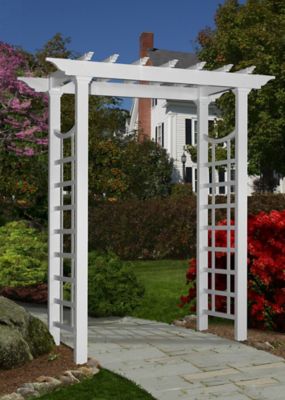
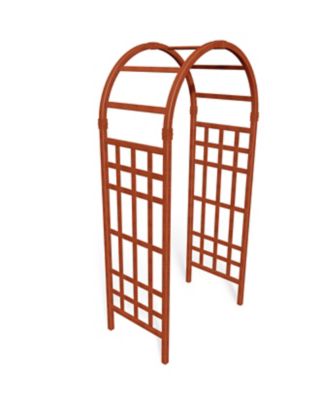
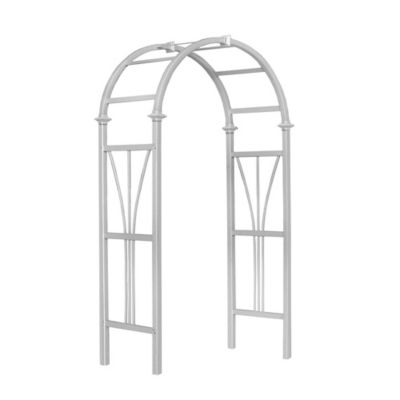
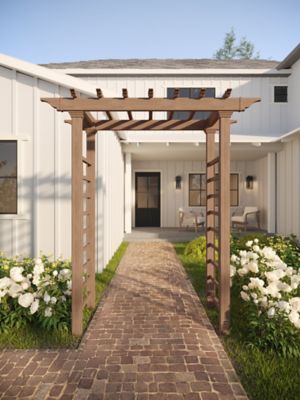
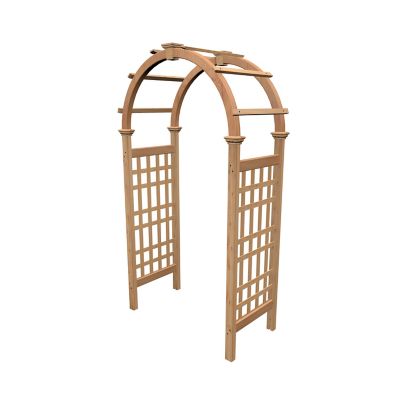
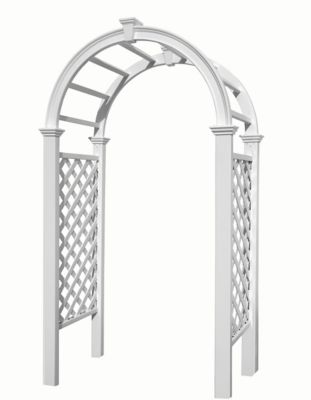
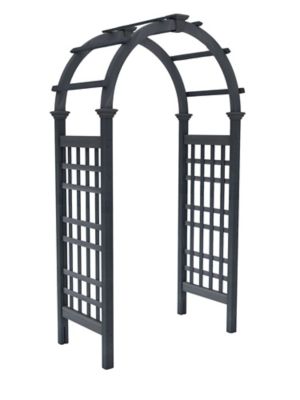
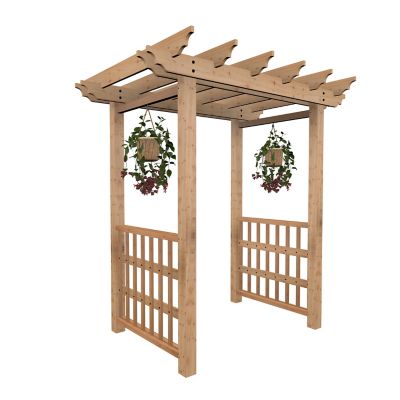
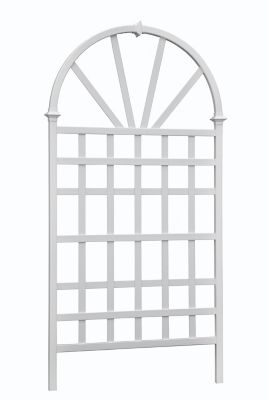
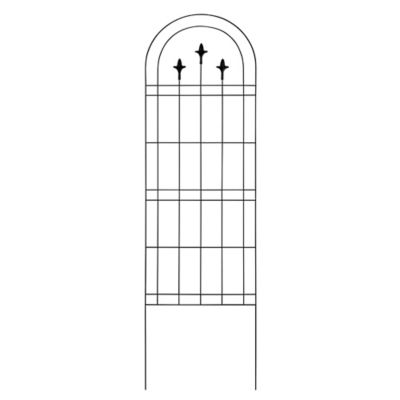
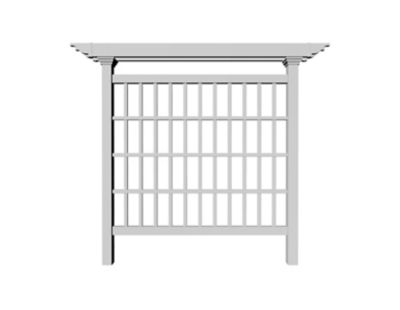
Wooden arbors bring a little structure and old-fashioned charm to an outdoor space, whether they mark the entrance to a vegetable garden, frame a walkway, or give a plain stretch of fence a more finished look. Their open design creates a welcoming transition without making a yard feel closed in. In a rural setting, a wood arbor can blend right into the landscape, standing naturally among flower beds, garden rows, gravel paths, pasture edges, or the back steps. Over time, climbing plants can soften the frame with green leaves, winding stems and seasonal color, while the arbor itself continues to define the space underneath. Some homeowners use one to highlight a favorite view or create a stopping place between areas of the property. Others install an arbor at the front of a garden, where it becomes the first thing visitors see and a handy visual marker for keeping foot traffic on the path. A well-placed structure can also add height to a flat planting area and make a small yard feel more layered. Wooden arbors are a thoughtful choice for gardeners, new homeowners, couples settling into a homeplace, or anyone who enjoys making outdoor spaces feel personal. They can also make a memorable housewarming or wedding gift, especially when paired with a plan for a flowering vine, climbing rose, grapevine or other suitable plant. The gift becomes something that grows and changes with the seasons, turning an ordinary passage into a familiar part of the landscape.
Before choosing a wooden arbor, take a careful look at the space where it will stand. Measure the width of the walkway or opening, then allow enough room for comfortable passage, lawn equipment, wheelbarrows, carts and any other tools that may need to move through it. Consider the height as well, particularly if the arbor will sit along a frequently used path or near an entry where people may carry baskets, buckets or bundles of garden produce. A broader opening can feel more inviting, while a narrower frame may suit a tucked-away garden entrance or a small side yard. Think about the view from both directions, since an arbor often serves as a focal point from inside and outside the garden. The ground should be reasonably level, firm and free of underground lines or irrigation that could be disturbed during installation. Good placement also accounts for sunlight, drainage and the mature size of nearby plants. A vine that looks small in a nursery pot can eventually become heavy, spreading and difficult to manage, so the frame should be sturdy enough for the growth you expect. Some climbing plants need regular tying or training, while others naturally wind around a support. If you plan to grow edible vines, keep the arbor convenient to reach and easy to inspect. For flowering plants, placing the structure where it can be seen from a porch, kitchen window or favorite sitting spot helps you enjoy the color and fragrance as the seasons shift. An arbor may be freestanding or used near a fence, gate or garden border, but it should be secured according to the ground conditions and the manufacturer’s instructions. In areas that see strong winds, heavy rain or winter weather, solid anchoring matters just as much as the appearance of the wood.
Wood has a warm, adaptable look that works with both neat landscaping and more relaxed country gardens, but it does benefit from routine care. Keep soil, mulch and standing water from collecting directly against the base, and check the structure from time to time for loose fasteners, cracks, soft spots or plant growth that has become too heavy. A quick rinse can remove dust and pollen, while a soft brush helps clear away cobwebs and debris from corners. Depending on the type of wood and the finish, the arbor may need periodic sealing, staining or other protection to help it handle sun and moisture. During the warmer part of the growing season, guide young vines where you want them to go and trim back growth that blocks the walkway, rubs against the wood or pulls unevenly on one side. As cooler weather arrives, remove dead foliage and check the arbor before rough conditions set in. Areas with wet soil may call for extra attention to drainage, while dry climates can cause unfinished wood to weather more quickly. A little upkeep keeps the structure looking cared for and makes it easier to spot small repairs before they become larger ones. For shoppers who want a coordinated look or a manageable way to get started,
Arbor Kits can help bring the main pieces together for a straightforward outdoor project. Whether it becomes a leafy garden entry, a simple frame for a ceremony, or a quiet passage leading to a favorite corner of the property, a wooden arbor adds a sense of welcome that feels right through changing weather and growing seasons.