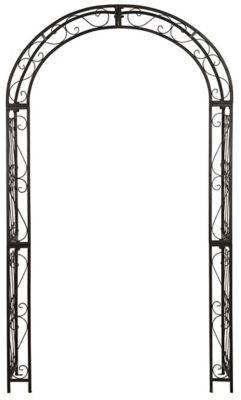
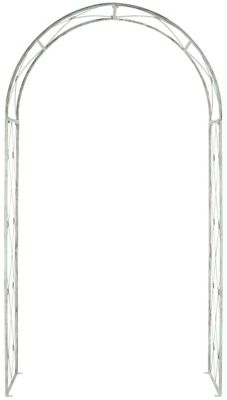
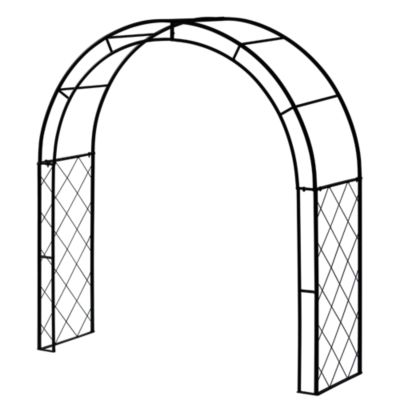
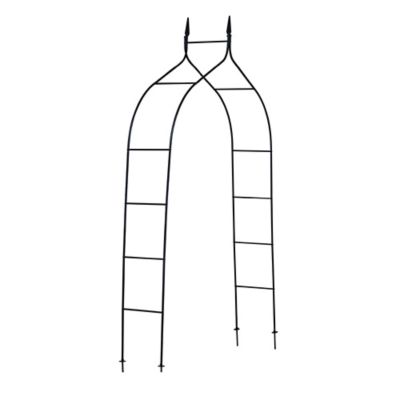
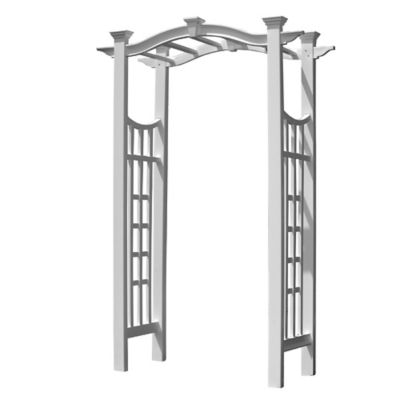
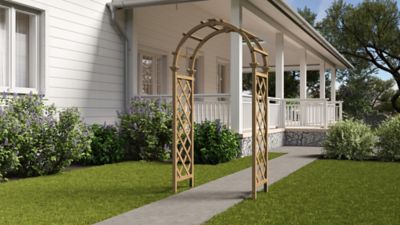
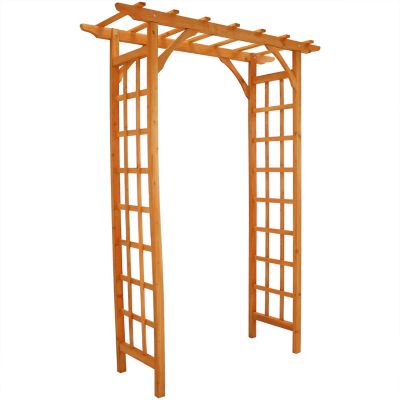
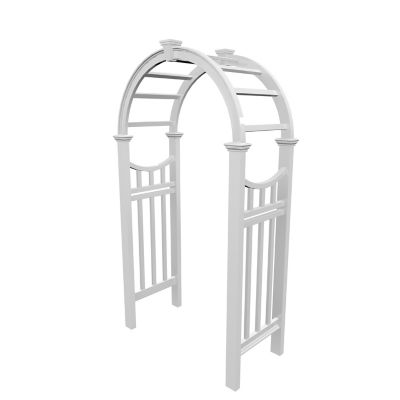
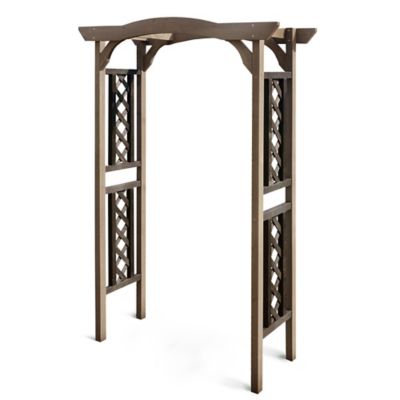
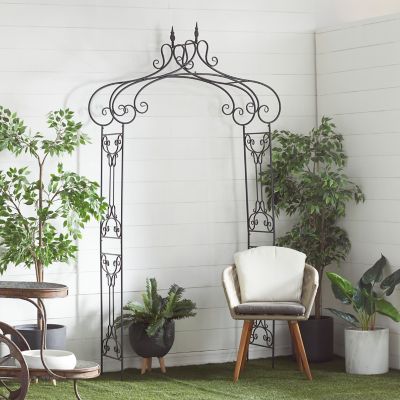
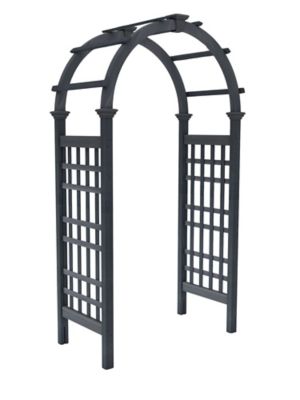
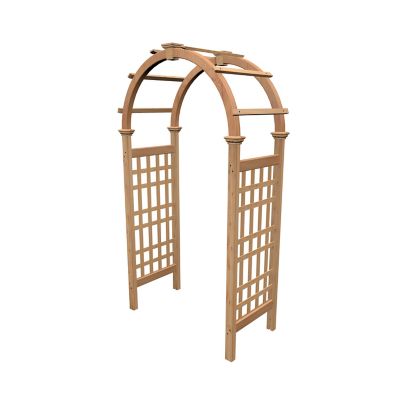
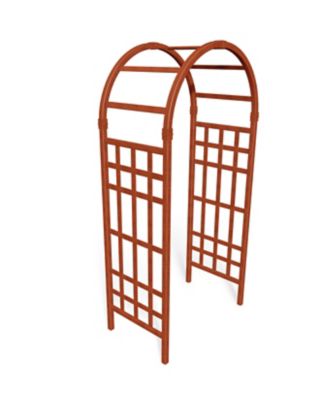
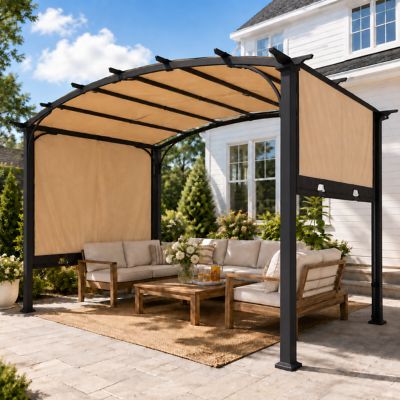
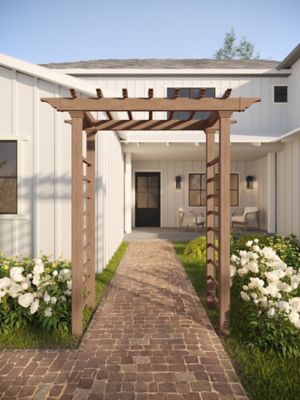
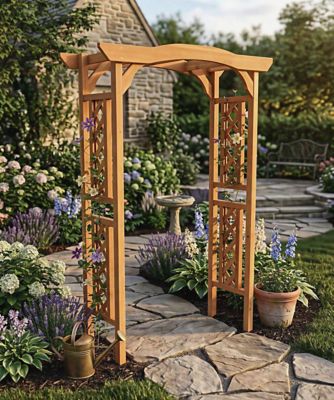
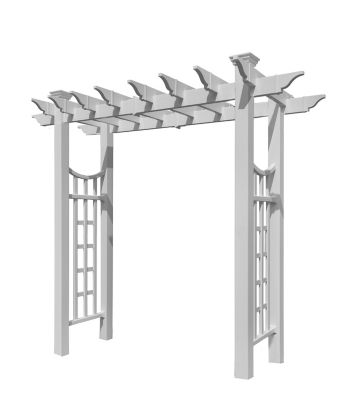
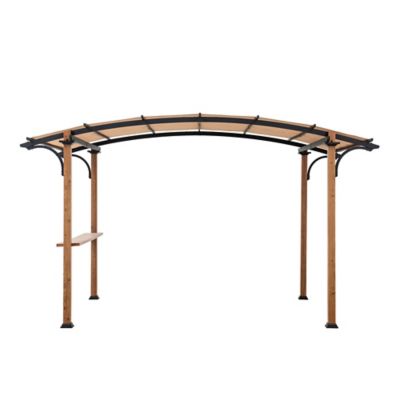
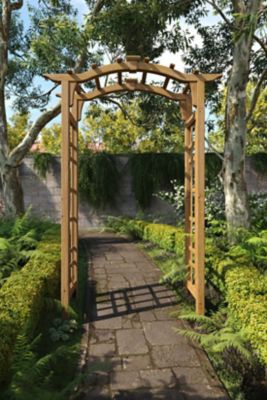
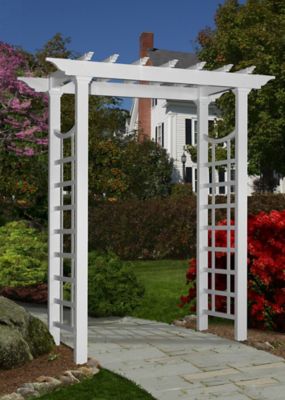
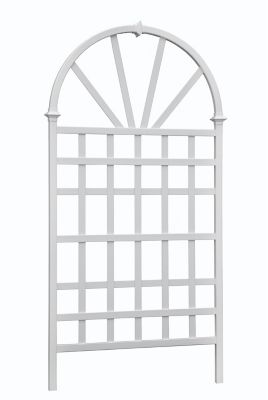
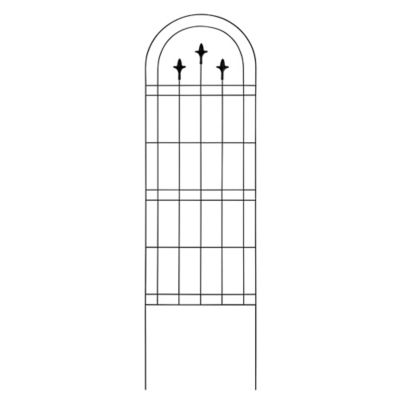
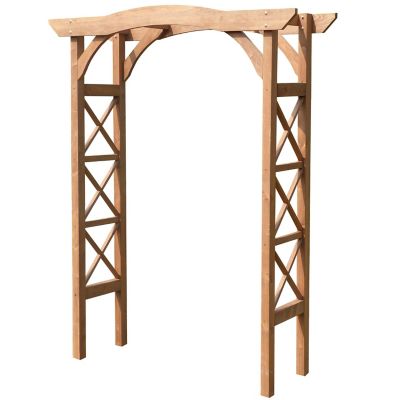
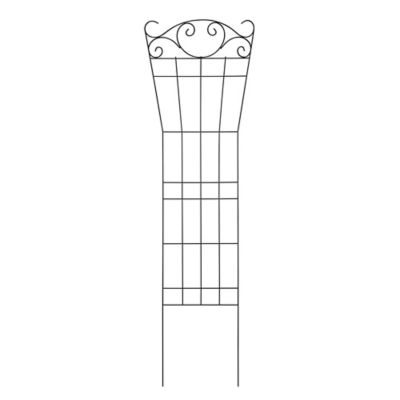
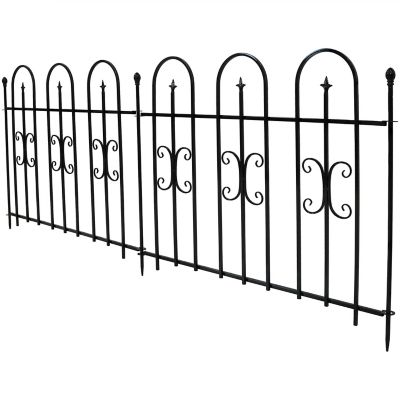
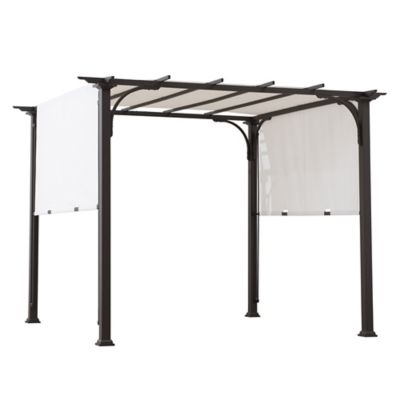
A backyard arch is an open garden structure that frames an entrance, marks a path, or supports climbing plants when its design allows for that load. Often called a garden arbor, it typically has two upright sides joined by a curved or shaped overhead frame. That simple outline gives a yard a clear point of entry without closing off the view. An arch can mark the turn from the lawn into a vegetable patch, frame a gravel walk beside the house, or make the opening in a fence feel more welcoming. Set near a bench, it can give a sitting spot a sense of place; positioned between garden beds, it can draw the eye toward flowers, leafy vines, or a favorite view. Backyard arches and other
Outdoor Archways work best when their size suits both the space and the traffic passing through. The overall width includes the posts and side panels, while the clear opening is the actual room available for walking. That difference matters when carrying a basket of beans, rolling a wheelbarrow, or moving a mower between sections of the yard. Overhead clearance deserves the same attention, especially where hanging stems may eventually narrow the passage. An arch tucked into a narrow side yard should leave room beside nearby walls and gates, while one standing at the end of a broad path needs enough visual presence to hold its own. Straight, flared, lattice, and gently curved sides each create a different outline, but a pleasing shape should not come at the expense of a comfortable passage. Open sides keep sightlines clear, while closer lattice spacing creates more places for plant stems to catch or be tied. For an everyday garden entrance, a little breathing room around the frame makes the whole arrangement easier to live with.
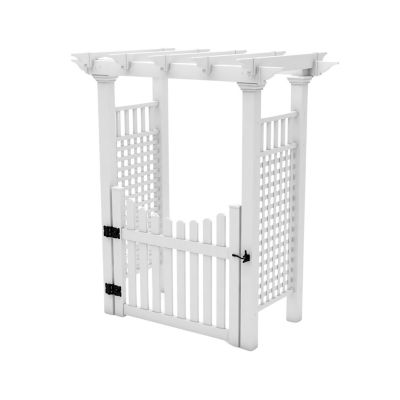
Materials influence how a backyard arch looks, how much attention it needs, and the kind of planting it can support. Steel frames can offer a slim profile with a firm feel, while aluminum is generally lighter to handle during assembly. Metal finishes help protect the surface, but scratches, exposed fasteners, and joints still deserve attention because those spots can become starting points for corrosion. Wood brings visible grain and a substantial outline that pairs easily with split-rail fencing, raised beds, and gravel paths. Cedar and pressure-treated lumber have different care needs, and any wood set against soil should be suited to that contact according to its specifications. A painted or stained wood arch may need its finish refreshed over time, particularly at joints and lower ends where moisture can linger. Vinyl offers a smooth surface without a wood finish to maintain, though the strength of the frame still depends on its construction, internal supports, and connections. Material alone does not tell the whole story. Post dimensions, bracing, joint design, and the way the structure attaches to the ground all affect its steadiness. A lightweight frame intended to outline a walkway is not automatically suited to the weight of a mature climbing rose or a thick woody vine. Plant-support capacity, anchoring requirements, and installation instructions are worth checking before matching an arch with a planting plan. Some designs call for ground stakes, others require post anchors or footings, and a hard-surface setting may need a different attachment method than a garden bed. Underground utilities and irrigation lines also matter wherever installation involves digging. Assembly access is another practical consideration: tall side panels and overhead sections need working space, and larger frames may call for a second pair of hands. An arch with a gate adds hinges, a latch, and swing clearance to the fit, so nearby edging, plants, and paths should leave that movement unobstructed.
Climbing plants can turn an open frame into a leafy garden feature, but the plant and the structure need to suit each other. Clematis climbs by wrapping leaf stalks around slender supports, while climbing roses generally need their canes tied in place. Vigorous woody climbers, including wisteria, can put considerable weight and pressure on a frame as they grow, making substantial support especially important. Side-panel spacing matters just as much as the arch’s outline: wide gaps may need an added plant-support system, while narrow lattice gives smaller climbing stems more places to grip. Soft plant ties can hold new growth without cutting into stems, and enough space around the base allows access for tending the roots and keeping crowded growth in check. Thorny plants belong far enough from the opening that sleeves, hands, and shoulders can pass without catching. Along a well-traveled route, keeping vines clear of the walking space helps preserve the opening that looked roomy before planting. An arch can also stand on its own, leaving its frame visible rather than covering every inch with foliage. That approach suits gardeners who want a defined entrance without another planting area to tend. Routine care is mostly about paying attention to the parts that do the work: connections, anchors, lower posts, and any places where stems press against the frame. Loose hardware, damaged finishes, or growth crowding a joint are easier to address before they affect the whole structure. Soil and leaf buildup around the base can hold moisture against surfaces, so keeping that area clear supports easier inspection and care. For a gardener or a new homeowner, a backyard arch can make a thoughtful gift when the recipient’s space, preferred materials, and installation plans are already known. Whether it marks the vegetable garden or frames a quiet corner beyond the lawn, the right arch gives an everyday route a clear destination without getting in the way of the work that happens there.