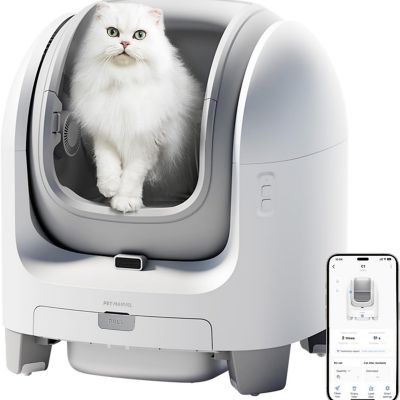
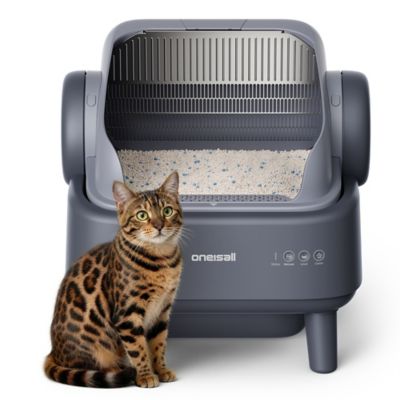
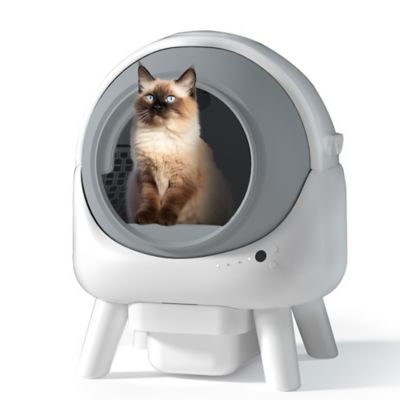
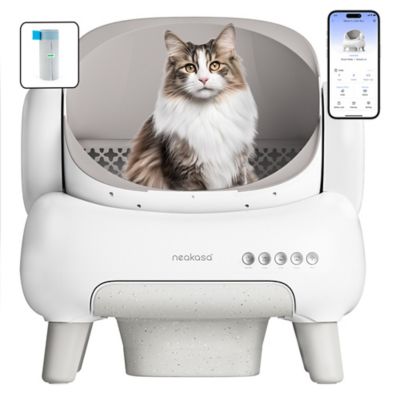
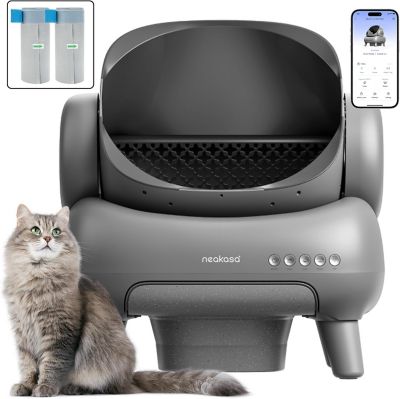
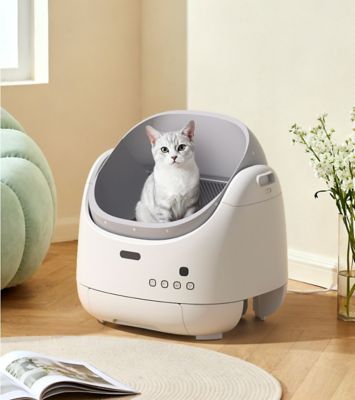
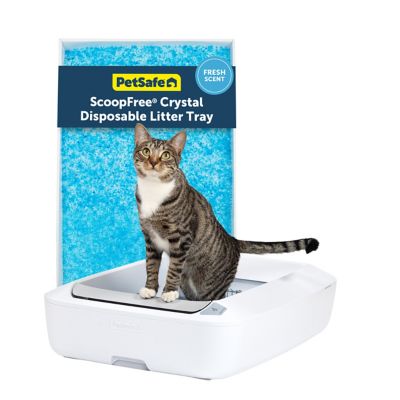
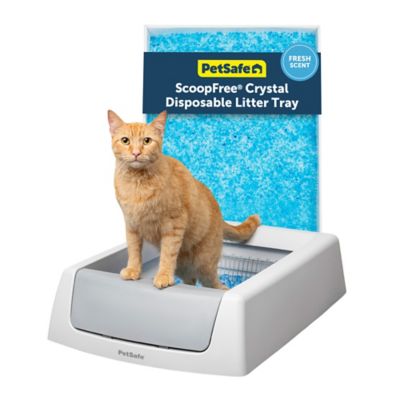
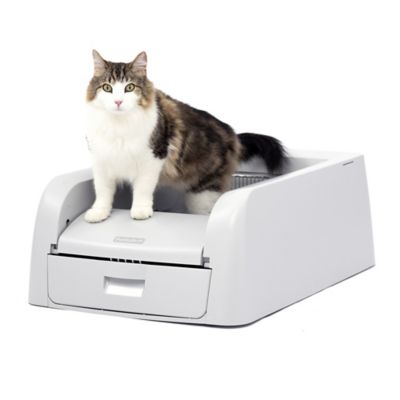
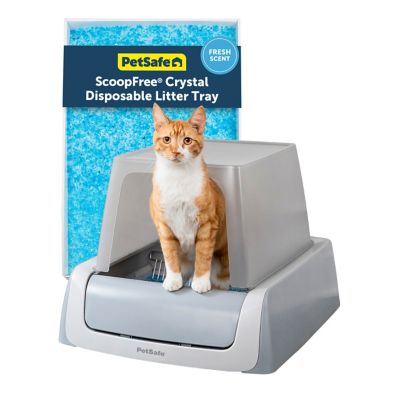
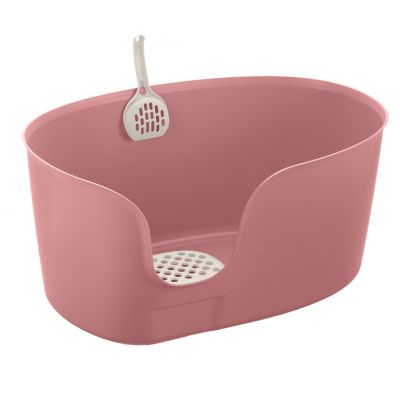
Open-top automatic litter boxes combine an uncovered litter bed with a powered cleaning system that collects waste after a cat leaves. Depending on the design, a rake moves through the litter or a sifting mechanism separates waste from the remaining litter and directs it into a collection compartment. The open layout gives cats a clear view of the room without a roof, tunnel, or entry flap overhead. That can be a welcome fit for cats that hesitate around covered boxes, though every cat has its own preferences. An open top also leaves more headroom for cats that like to stand tall or turn several times before settling into place. Headroom alone does not tell the whole story, though. The usable litter area needs enough length and width for the cat to turn around, dig, and squat without crowding the edges. A large outer housing does not always mean a large litter bed, so interior measurements matter just as much as the overall footprint. Entry height deserves attention, too, especially for older cats or cats with limited mobility. Some designs have a raised opening that may call for a compatible step or ramp. Higher sides can help contain kicked litter, but an uncovered box may still allow scatter or splashes from cats that dig hard or urinate while standing. A litter-catching mat can help protect the floor while leaving a clear approach to the entrance. These boxes belong in a dry indoor spot near a suitable outlet, with space for any moving parts and enough room to pull out the waste drawer. A quiet corner outside a busy hallway often gives a cat more breathing room than a cramped spot beside a running washer. For a cat making the switch from a plain litter pan, keeping the familiar box nearby during the transition can make the change less abrupt. The right fit leaves the cat room to move and the household room to handle everyday care.
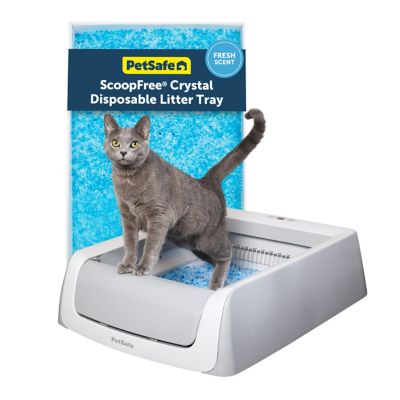
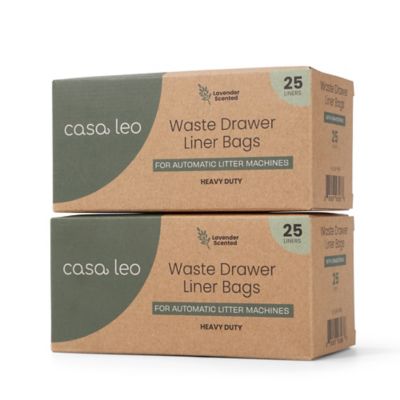
Litter compatibility has a big effect on how an automatic box performs. Many sifting designs call for clumping clay litter that forms firm clumps, while some raking systems are built around absorbent crystal litter. These materials are not interchangeable across every machine. Pellet litter, lightweight formulas, and non-clumping litter may interfere with separation or leave waste behind unless the manufacturer specifically permits them. Granule size, clump strength, and the marked fill level all matter; an overfilled bed can send clean litter into the waste compartment, while too little litter may let waste stick to the bottom. A cleaning delay gives clumps time to firm up before the mechanism starts, with timing options varying by model. The box itself commonly includes molded plastic surfaces, a removable litter bed or liner, and a separate waste drawer. Smooth surfaces, rounded corners, and removable sections make a difference when it is time to wipe away residue or reach a spot beneath the sifting assembly. Scratch-resistant surfaces and replaceable wear parts are worth considering for a box that will see daily digging and repeated cleaning cycles. Soft liners and nonstick surfaces still need care that matches their material; harsh cleaners or abrasive scrubbers can damage finishes and leave scratches that hold residue. Automatic cleaning cuts back on routine scooping, but the waste still needs to leave the house. Drawer capacity, the number of cats, litter type, and individual bathroom habits all affect how often emptying is necessary. A sealed compartment or compatible odor filter can help contain smells between changes, but neither replaces fresh litter, regular checks, and a clean drawer. Correctly fitted waste bags also help keep the compartment tidy without interfering with drawer closure or nearby sensors. For deeper cleaning, removable washable parts should be handled according to the care directions, with power disconnected and electrical components kept out of water. Fully drying those parts before refilling helps prevent litter from sticking to damp surfaces. Access to compatible bags, filters, liners, and other replacement parts is another practical consideration for ongoing upkeep.
Safety features and daily household routines deserve just as much attention as cleaning performance. Depending on the model, an open-top automatic litter box may have weight sensors, infrared detection, motion sensing, or other safeguards intended to delay or pause cleaning when a cat approaches or enters. An open layout does not replace those safeguards, and sensor designs differ from one machine to another. Minimum weight and age requirements are especially important for kittens and very small cats, which may fall below a system’s detection limits. The manufacturer’s requirements should determine whether automatic operation is appropriate for a particular pet. Keeping sensors clean and leaving required clearance around the housing supports proper operation, while a stable, level floor helps the box sit as intended. Noise is another everyday consideration. A cat may accept a quiet motor hum but be startled by a rake starting nearby, so cleaning delays and scheduling controls can be helpful when those features are included.
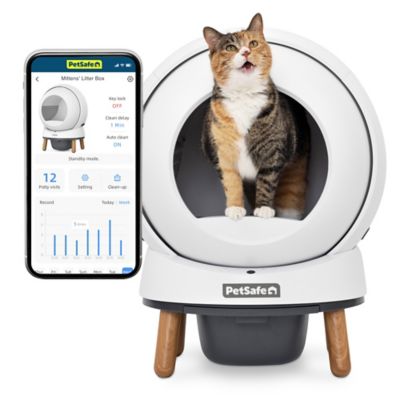
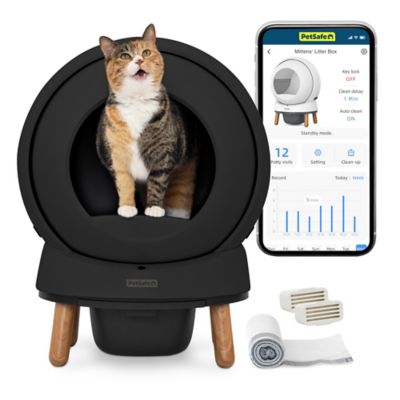
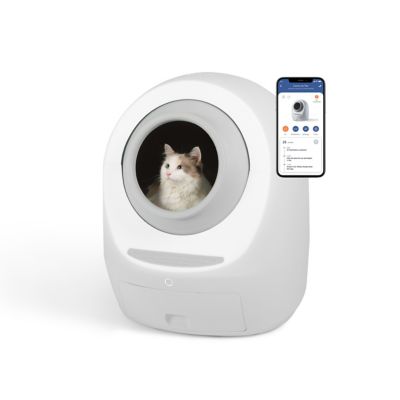
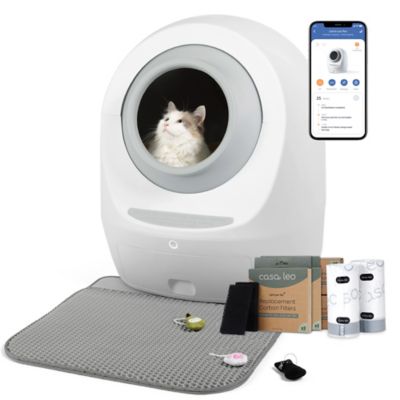
App-Connected Automatic Litter Boxes may add waste-drawer alerts, cleaning controls, or records of litter-box visits, depending on the model. Some require a particular home Wi-Fi connection, and basic operation during an internet interruption also varies. Activity records can help a household notice changes in bathroom habits, but they do not diagnose a health problem or replace a veterinarian’s advice. In a home with several cats, shared access adds another consideration: one automatic box does not necessarily replace the need for multiple bathroom locations. Cats may prefer separate spots, and a familiar backup box provides an option during cleaning or maintenance. For someone handling chores before a long workday, automatic waste collection can take one repeated task off the list without taking attention away from the cat. It can also reduce the amount of bending involved in daily scooping, although lifting litter and emptying drawers remain part of ownership. A well-matched setup brings together comfortable access, suitable litter, manageable maintenance, and controls that make sense for the household, while keeping the cat’s bathroom routine familiar.