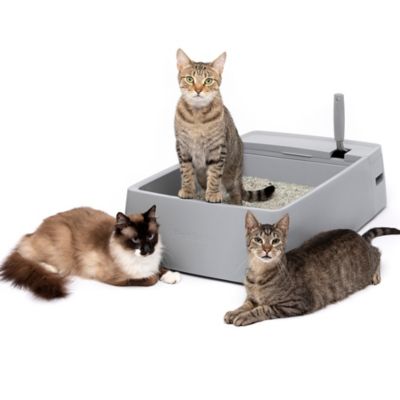
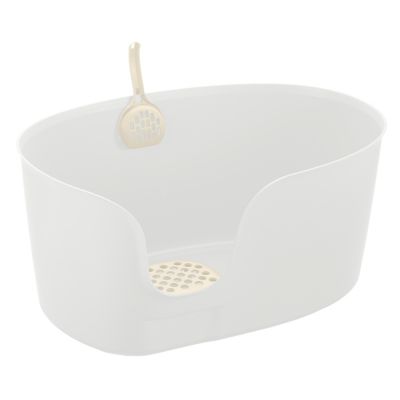
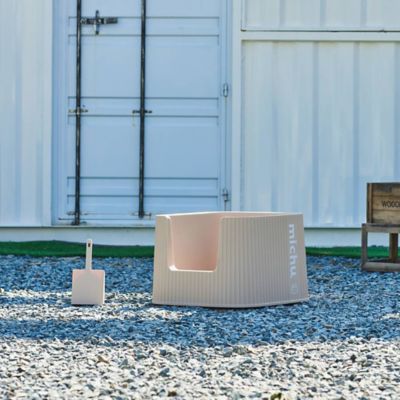
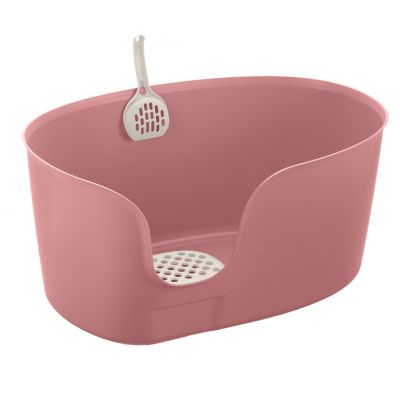
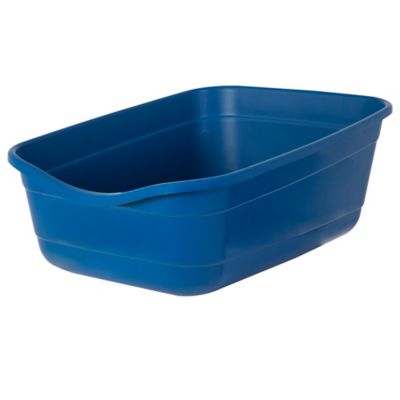
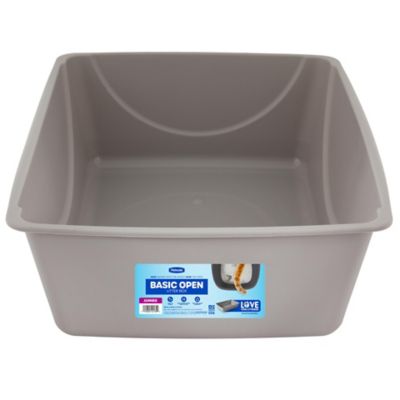
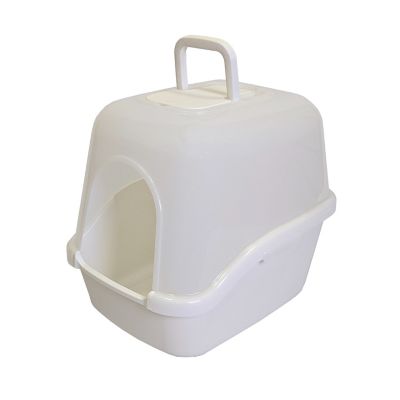
Multi-cat litter boxes need room for everyday digging, steady footing and easy access for cats that share a home. A larger pan can give a bigger cat space to turn around, but size alone does not replace having several litter stations. A common starting point is one box per cat, plus one extra, with the boxes spread across separate locations. For two cats, that means three boxes rather than one oversized pan. This arrangement gives each cat another place to go when a housemate claims a favorite spot or blocks a doorway. Boxes lined up side by side may still function as one shared bathroom area, so separate locations matter as much as the total number. In a household with several floors, a litter station on each level can spare cats a long trip or a crowded stairway. The right fit also depends on the cats themselves. A roomy interior lets a cat enter, turn, dig and squat without pressing against the walls. An interior length about one and a half times the cat’s length from nose to the base of the tail is a useful starting point, though larger cats may need more room. Check the space inside the pan rather than relying only on outside measurements, especially when a hood, broad rim or rounded wall takes up part of the footprint. Tall sides can help contain litter kicked backward by an enthusiastic digger, while a lower doorway makes entry easier for kittens, older cats and cats with limited mobility. A mixed-age household may benefit from different box shapes rather than identical pans throughout the house. The cat that steps neatly into a deep tray may share a home with another that needs a shallow entrance and plenty of clearance. Matching each station to those differences helps make the whole setup more comfortable.
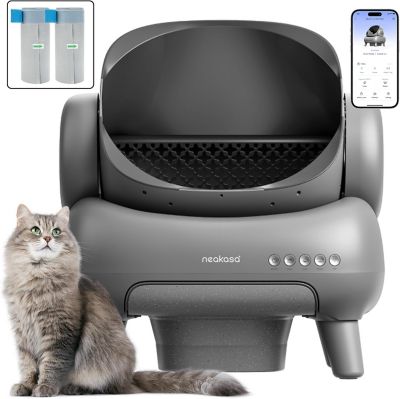
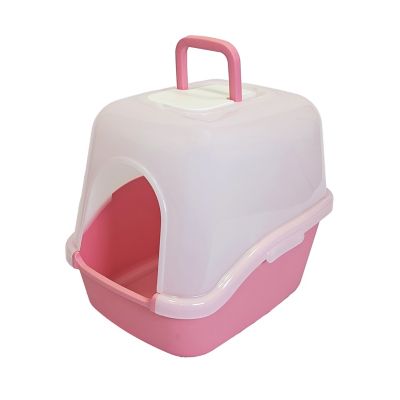
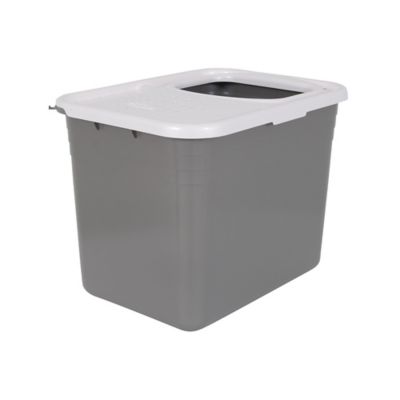
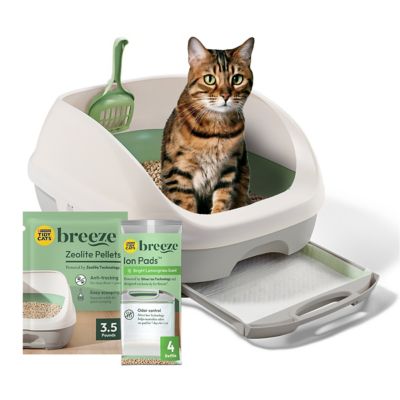
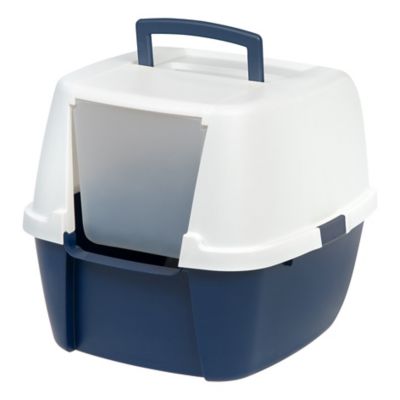
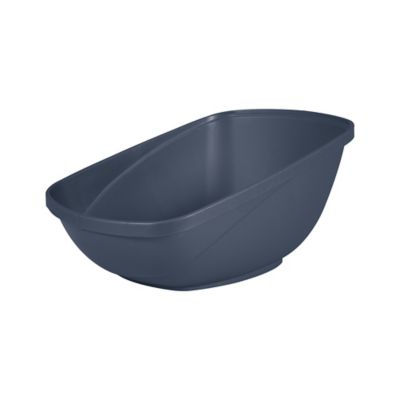
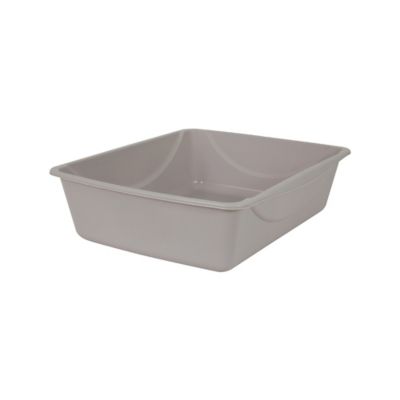
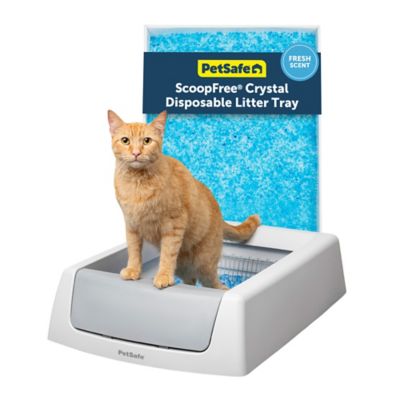
Materials and construction make a difference when several cats visit the same boxes throughout the day. Plastic pans are generally light enough to carry to a wash area, and smooth interiors make scooping and rinsing more straightforward. Deep scratches can collect residue, so the condition of the surface matters over time. Stainless steel pans offer a nonporous surface, though their weight, rim shape and sound under digging claws are worth considering. With either material, a flat base that sits squarely on the floor helps keep the box from rocking as a cat steps over the edge. Rounded interior corners leave fewer tight spots for a scoop to reach, while handles or sturdy rims can make a full pan easier to move. Open-top boxes provide clear sightlines and an unobstructed exit, which can suit cats that keep an eye on their surroundings. Covered designs offer a more enclosed space and can catch some scattered litter, but they need enough headroom and regular cleaning; a hood does not remove odor or waste. Top-entry styles may limit litter tossed through a side opening, yet the climb can be a poor match for a cat with sore joints. Self-cleaning designs bring another set of considerations, including usable interior space, operating sound, waste compartment capacity and the manufacturer’s age and weight requirements. A multiple-cat home can fill a collection compartment faster than expected. Room layout matters, too. A quiet nook off a laundry room or mudroom can work when it stays accessible and away from noisy equipment. A
Corner Cat Litter Box shape can fit an angled space, provided the location leaves a clear approach and does not trap a cat behind a door or beside another animal’s resting spot. Food and water belong elsewhere, and each litter station needs enough surrounding room for comfortable entry and scooping.
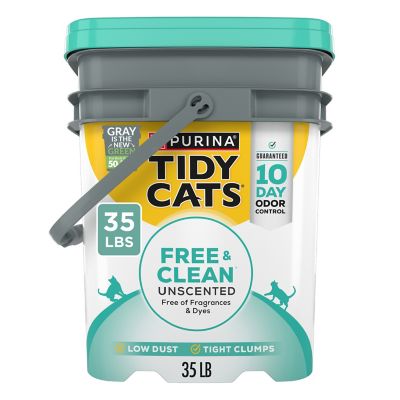
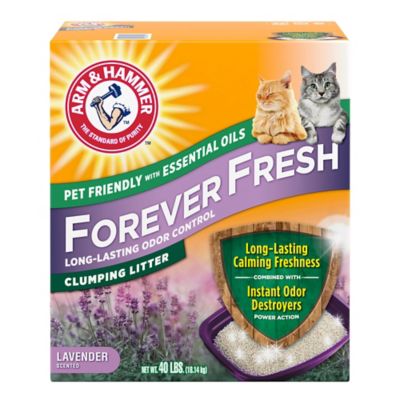
Daily care is part of choosing multi-cat litter boxes, since even a roomy pan can become unappealing when several cats share it. Scooping at least once a day, and more often when traffic is heavy, helps keep clean digging space open. A wide doorway or open top makes that job easier, while a scoop that reaches the bottom and corners helps remove clumps without leaving small pieces behind. Litter depth should follow the litter maker’s directions and the cats’ preferences; filling a box to the rim can lead to spills without adding useful space. Unscented litter is often a sensible starting point because a strong fragrance may put some cats off. Mats outside the entrance can catch loose granules, but they should lie flat and leave a clear path rather than turning the doorway into an obstacle. Liners can simplify emptying for some households, although loose material may bunch up or catch under digging claws. Wash empty pans with mild, unscented soap and water, rinse thoroughly and let them dry before refilling. Avoid mixing cleaning products, and follow the box manufacturer’s care directions for any powered parts. A pan with deep scratches, cracks, a rough edge or lingering odor after washing may be ready for replacement. For households welcoming another cat, familiar litter and an additional box in a separate area can make the change less disruptive than moving every station at once. Watch how each cat approaches the setup: hesitation at a high doorway, perching on a narrow rim or waiting for another cat to leave can point to a fit or placement problem. Sudden accidents, straining or repeated trips with little urine call for prompt veterinary attention rather than a box change alone. The most practical multi-cat setup combines enough separate stations, comfortable dimensions and surfaces that are easy to clean, giving every cat a place to settle into its daily routine.