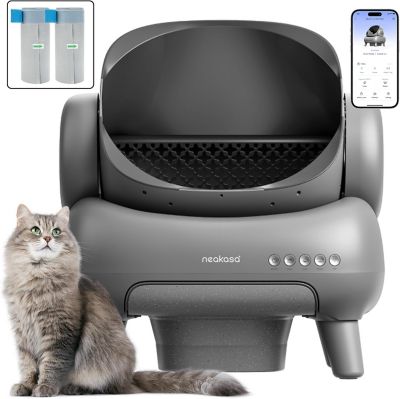
Automatic litter box waste bags and liners keep collected litter clumps and solid waste contained inside a self-cleaning system’s waste drawer or bin. Instead of letting waste settle directly against the compartment, a fitted liner provides a removable layer that makes emptying the drawer less messy. For households with
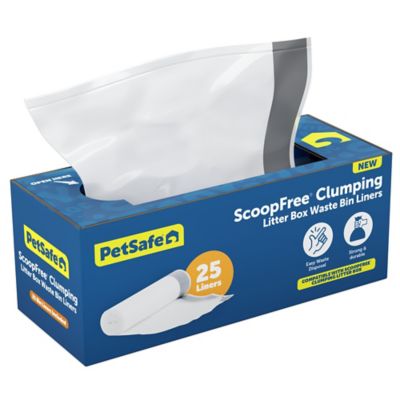
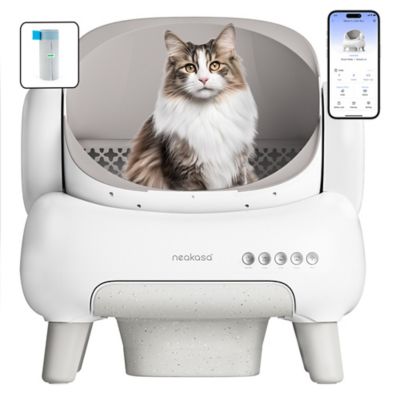
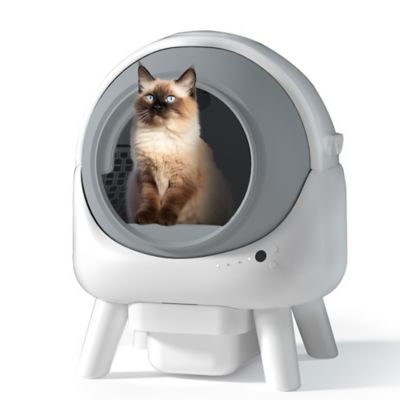
Self-Cleaning Litter Boxes, these supplies support the everyday cleanup that still comes with automated scooping. Their job is separate from the litter itself: the machine sorts or moves waste, while the bag holds that waste until disposal. Most waste-drawer liners belong in the collection compartment, not the rotating chamber, rake path or area where the cat digs. That distinction matters because different automatic systems handle waste in different ways, and a bag intended for one drawer design may not suit another. The machine’s make, model and generation are useful starting points for checking compatibility, followed by the drawer’s width, length, depth and attachment points. Gallon capacity alone does not tell the whole story. Two bags with the same stated capacity can have different opening widths or shapes, leaving one stretched tight across the corners and another hanging loosely inside the drawer. A suitable fit leaves enough material to cover the bottom and sides, with an edge that seats where the machine’s instructions specify. Loose folds should stay clear of moving parts, seals and sensor windows. Some automatic litter boxes also specify a particular liner color or material because of how their waste-level sensors operate. Light-colored liners are recommended for certain systems, but that is not a rule for every machine. The manufacturer’s liner requirements matter more than a general claim that a bag fits automatic litter boxes. A snug, properly seated liner helps the drawer close as intended and leaves room for waste to collect without a loose edge getting in the way.
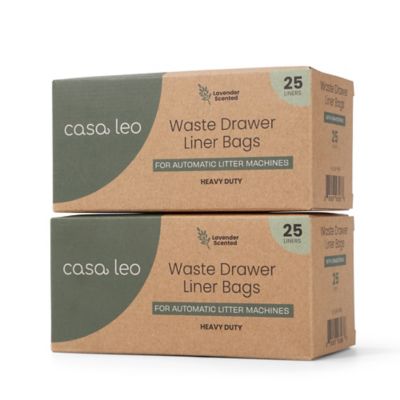
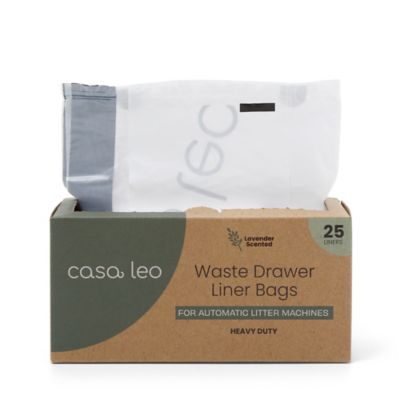
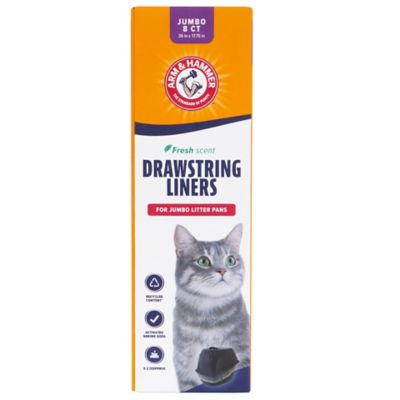
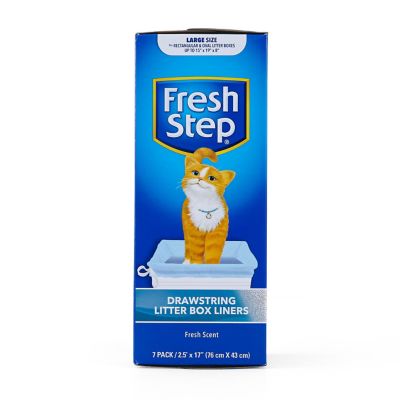
Material and construction make a difference when a bag has to hold damp clumps, loose granules and the weight of a full waste drawer. Flexible plastic, including polyethylene, is common in this category because it can conform to the compartment and gather closed for disposal. Thickness, seam construction and resistance to tearing all deserve attention, especially when heavy clumps land repeatedly in the same spot. A thicker bag may feel more substantial, but fit and seam strength still matter; extra material cannot make up for a bag stretched too tightly around the rim. Bags described as leak-resistant or puncture-resistant should still be handled with care, since sharp litter fragments, drawer edges and overfilling can put stress on the plastic. Drawstring closures offer a way to gather the opening without handling the waste directly, while tie-top styles need enough material above the fill level to close securely. Closure style is partly a matter of preference and partly a matter of clearance inside the machine. Any ties or loose ends need to stay where the system’s instructions allow them. Scented and unscented liners may also suit different households. An unscented option can make sense around cats or people sensitive to fragrance, while added scent should not be mistaken for a substitute for regular emptying. A liner helps contain waste, but odor also depends on the litter, drawer design, seals, filters and cleaning routine. Even a well-fitted bag cannot keep an overfilled drawer fresh indefinitely. Care extends to the compartment beneath the liner, too. Stray litter or a small spill can leave residue around corners and attachment points, so cleaning according to the machine’s directions remains part of routine upkeep. A clean, dry drawer gives the next liner a fresh starting point, without trapped moisture or grit underneath. Electrical parts and sensors need the care specified by the manufacturer rather than a general wash-down.
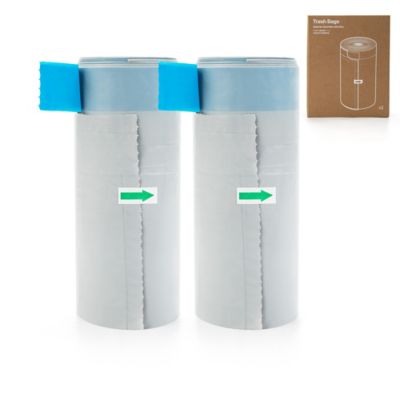
The right automatic litter box waste bags and liners should match both the machine and the way the household runs. A single-cat home may collect waste much more slowly than a place with several cats sharing one system, and drawer size adds another variable. The replacement schedule depends on how quickly waste accumulates, how much litter travels into the bin and the machine’s stated limits—not simply a set number of days. Waste that reaches the fill line, interferes with the collection area or causes lingering odor calls for attention even if the next planned change is still days away. Fill alerts can be helpful, but they work alongside regular checks rather than taking the place of them. For someone juggling feeding time, chores and a busy household, a bag that settles neatly into the drawer and closes without a struggle can make this small job less of a production. The same goes for a pet sitter or family member taking over cat care: a compatible liner and a clear understanding of the drawer’s closure points make the routine easier to follow. Roll format, folded packaging and the way individual bags separate can affect everyday handling, especially when supplies live on a utility-room shelf near other pet essentials. Storage in a dry spot away from curious paws helps keep clean liners ready for the next drawer change, and loose plastic bags should stay out of reach of cats and children. Once filled, a securely closed waste bag belongs in the trash according to local disposal rules; neither the plastic liner nor collected litter belongs in the toilet. Bags marked compostable also require attention to the stated disposal conditions, since that label does not make cat waste suitable for a vegetable-garden compost pile. The practical goal is straightforward: a liner that fits the collection drawer, holds its contents through removal and supports a manageable cleanup routine. Getting those details right helps keep the litter area tidier, whether the box sits in a farmhouse utility room, a laundry nook or a quiet corner set aside for the cats.