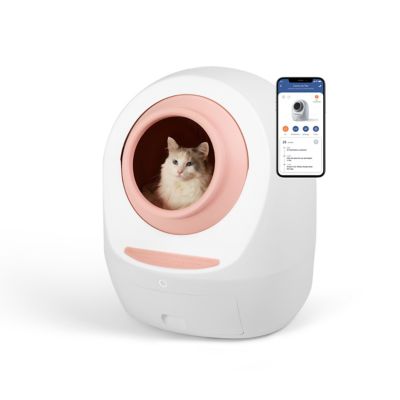
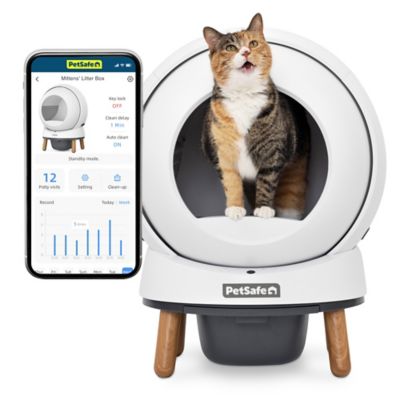
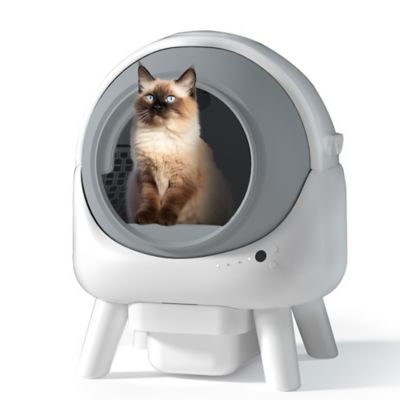
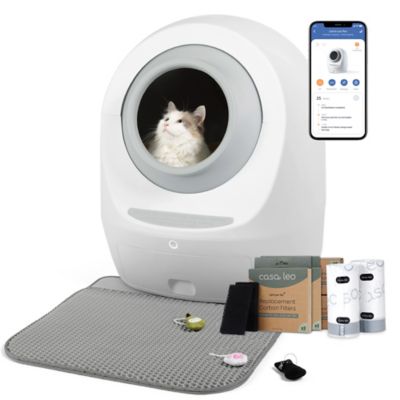
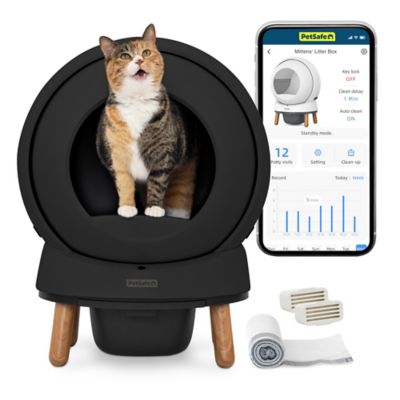
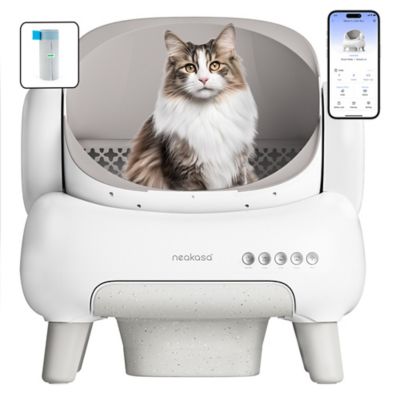
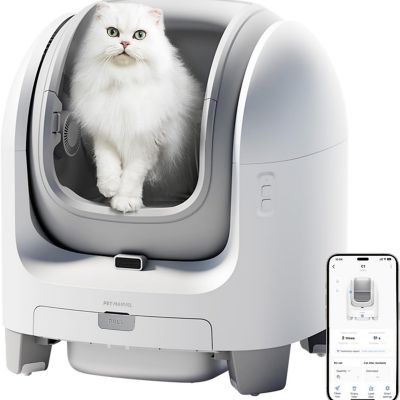
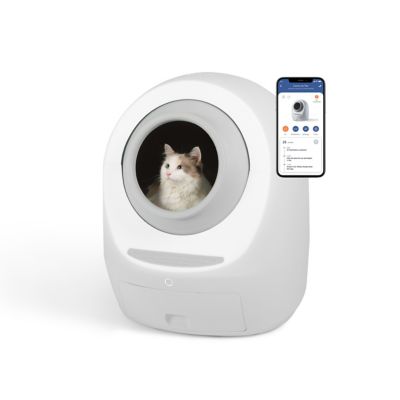
App-connected automatic litter boxes bring self-cleaning operation and smartphone monitoring together, helping cat owners keep up with litter box care between feeding time, work and chores. Depending on the design, an automatic rake, rotating chamber or sifting mechanism separates waste from the litter after a cat leaves, then moves it into a collection compartment. A compatible app may show cleaning activity, send a full-bin alert, display litter levels or provide a record of bathroom visits. Some systems also record weight trends or estimate which cat visited, although cats with similar weights can be harder to tell apart. These features give pet parents another way to notice changes in an everyday routine without standing beside the box. A longer visit, repeated trips or a shift in frequency can be worth discussing with a veterinarian, but app readings do not diagnose a health condition or replace watching how a cat behaves. For a household juggling several cats, connected records can help show when the box is getting more traffic and when the waste compartment needs attention. Remote controls vary, too: some apps offer cleaning schedules, adjustable cycle delays or a quiet period, while others focus on notifications and activity history. Network requirements matter, especially when the litter box sits in a laundry room or another spot away from the router. Many connected litter boxes require a 2.4 GHz Wi-Fi connection for setup, so phone compatibility, account requirements and the signal at the intended location deserve a look. Automatic cleaning and app access are separate functions; what keeps working during an internet interruption depends on the model. A connected box can take some scooping off the daily chore list, but it still needs power, compatible litter, regular emptying and someone checking that the cat is comfortable using it.
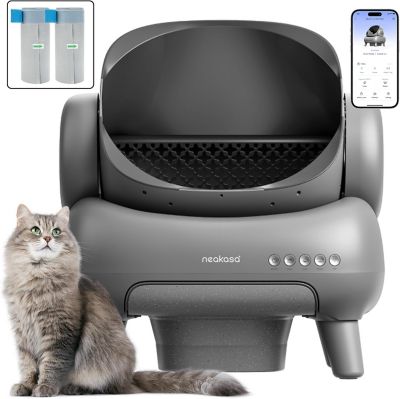
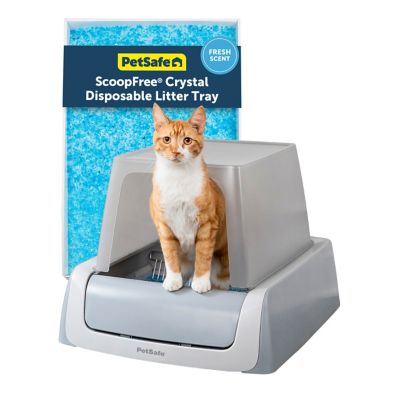
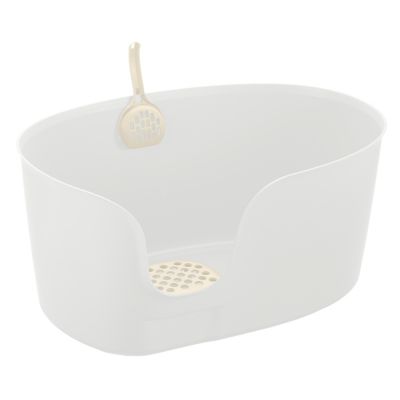
A good fit starts with the cat’s body and habits, not just the space along the wall. Interior dimensions, doorway width, entry height and room to turn around all affect how inviting an automatic cat litter box feels. A roomy outer shell does not always mean an equally roomy litter chamber, and larger cats may need extra headroom or a broader standing area. Older cats and cats with limited mobility may do better with a lower entrance or a manufacturer-approved step, provided the arrangement does not interfere with sensors. An enclosed chamber can help contain scattered litter, while an open design gives cats a clearer view of the room and fewer overhead boundaries. For cats that prefer that open feel,
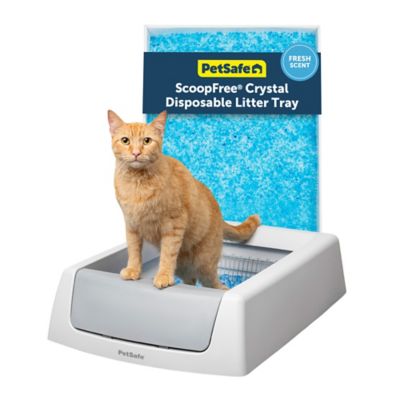
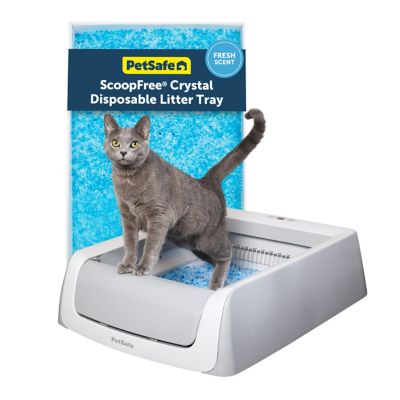
Open-Top Automatic Litter Boxes offer another layout to consider alongside connected features. Smooth plastic shells and removable trays are common construction details; accessible corners, secure latches and parts that separate for cleaning can make routine upkeep less of a chore. The litter itself needs to match the cleaning mechanism. Many sifting systems call for clumping litter with a suitable granule size, but compatibility varies, and some designs require a particular litter type. Fill lines matter because too much or too little litter can affect separation and leave extra residue. Waste drawer capacity also shapes the routine, especially with several cats sharing the same box. A larger compartment may stretch the time between emptying, but household traffic and odor still determine when it needs attention. Placement is part of the fit as well. Many weight-sensing units need a hard, level floor, with the feet fully supported and any required wall clearance maintained. Thick carpet, an uneven board or a mat tucked beneath the base may affect sensor readings. A litter-catching mat can sit outside the entrance without touching moving parts or interfering with the base, as the manufacturer permits.
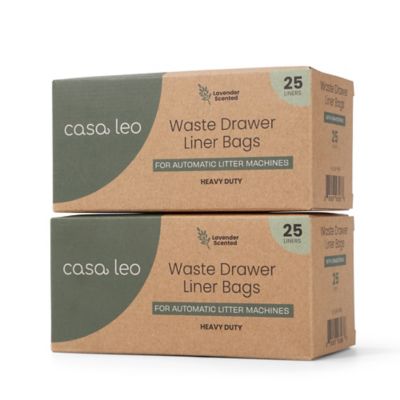
Everyday care and safe operation remain important even when the cleaning cycle runs on its own. Presence sensors, weight sensors and movement detection differ by design, so the stated minimum cat weight, age limits and operating instructions matter more than a broad claim about automatic cleaning. Very small kittens may fall below a system’s detection threshold, and some cats or households may need a conventional litter box instead. Moving parts should remain clear of paws, tails and nearby belongings, and safety sensors should never be covered or bypassed. A settled, low-traffic location gives a cat a comfortable place to go without putting the unit where doors, baskets or other pets can crowd it. Cats that startle at a motor may need time to get familiar with the new box before automatic cycles begin; keeping a familiar litter box nearby during the transition can help prevent bathroom mishaps. Cleaning delays can also give clumps time to firm up before separation, within the settings the manufacturer allows. Sealed waste drawers, fitted liners and replaceable filters may help manage odors, but they do not eliminate the need to remove waste and wash suitable parts. Smooth surfaces are easier to wipe when litter dust and residue have not had time to build up. Motors, wiring and sensor areas need the care specified for that unit, and washable components should be fully dry before reassembly. Disconnecting power before maintenance, where instructed, keeps hands away from an active cleaning mechanism. For busy pet parents, the practical appeal is a cleaner litter bed between hands-on checks and a clearer picture of what happens while everyone is out tending to the day. The best match supports the cat’s established habits, fits the household’s cleaning routine and makes the app a helpful extra rather than the only way anyone notices a problem.