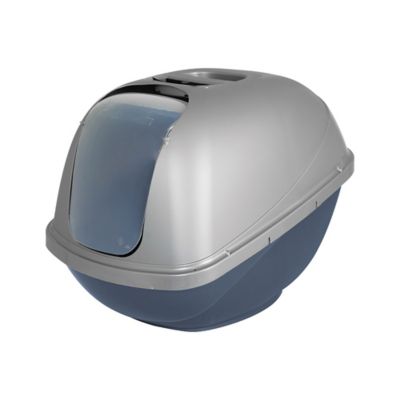
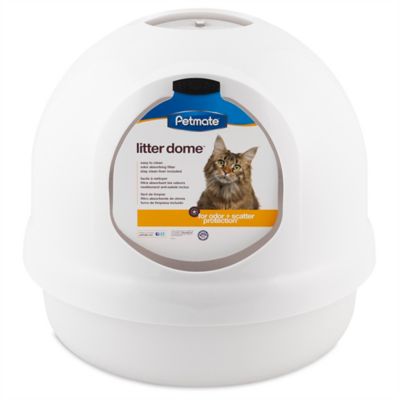
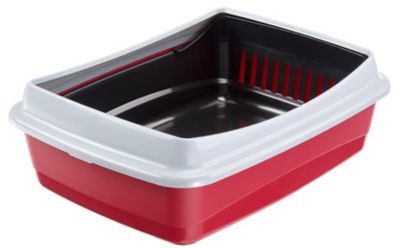
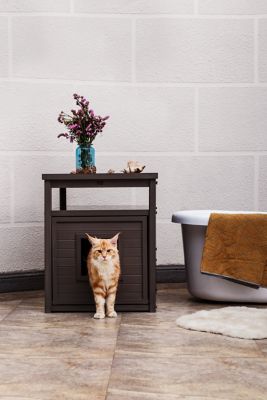
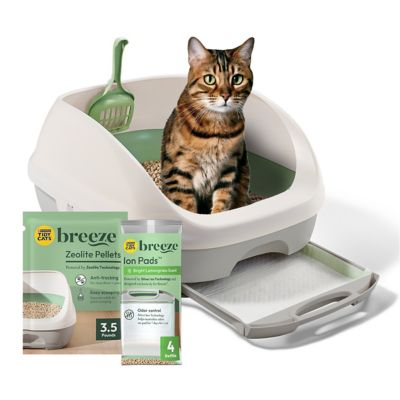
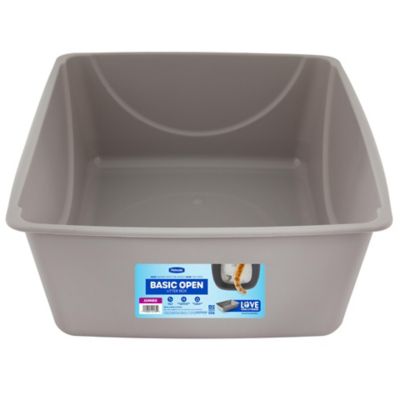
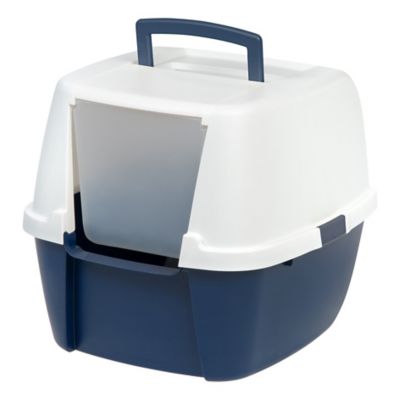
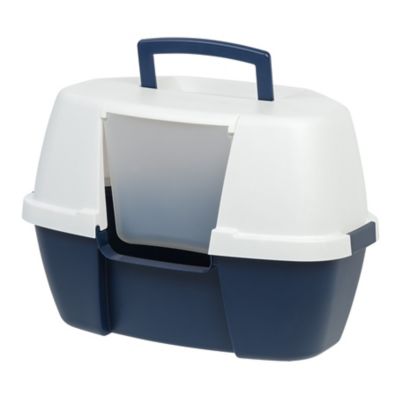
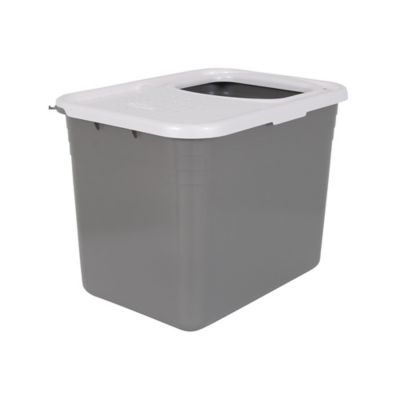
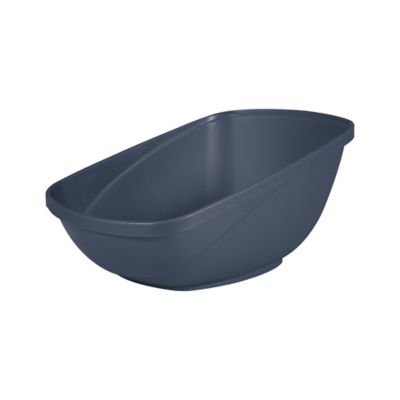
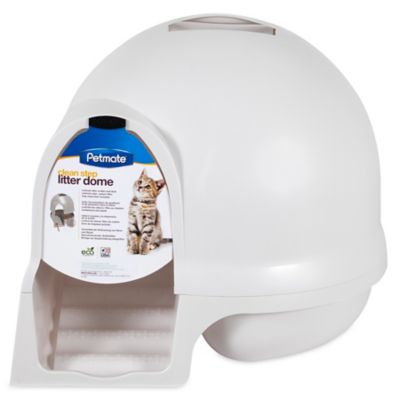
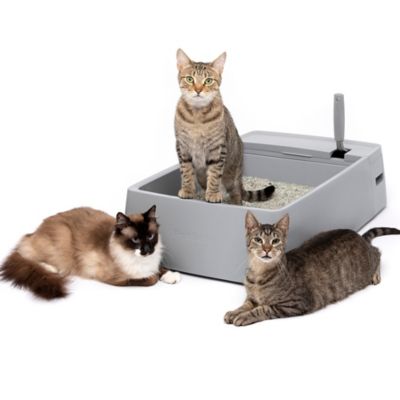
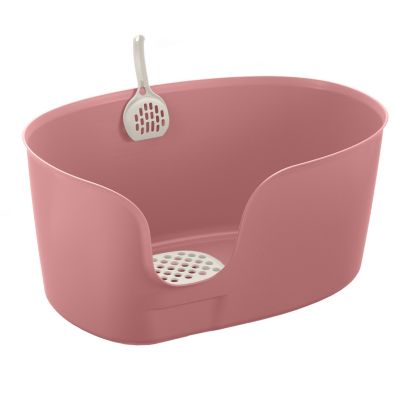
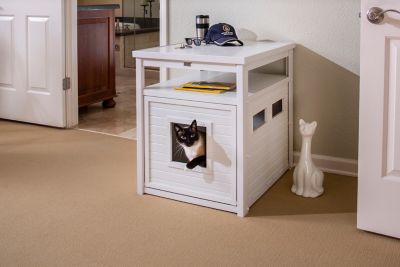
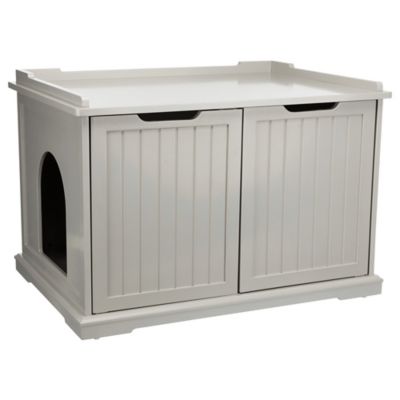
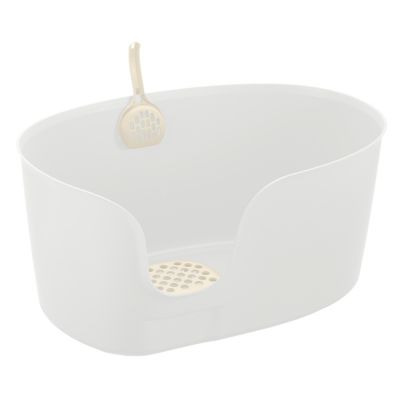
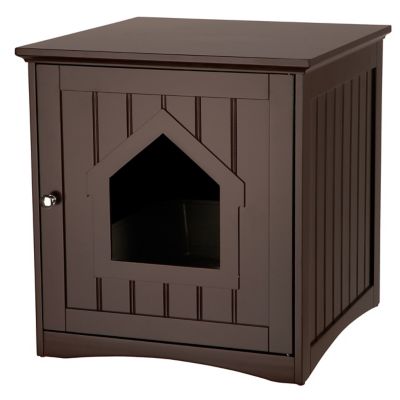
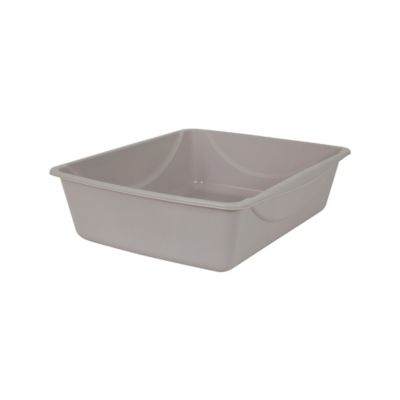
Corner cat litter boxes make it easier to give your cat a clean, comfortable place to do their business without giving up more floor space than necessary. Their wedge-shaped design fits neatly into the angle where two walls meet, making good use of areas that can otherwise sit empty. That can be especially handy in a laundry room, mudroom, bathroom, basement, pantry, or enclosed porch where every square foot matters. A corner setup also helps keep the litter area tucked out of the main path of foot traffic, which many cats appreciate. Cats tend to prefer a quiet spot where they can see what is going on around them while still having a little privacy. A box wedged behind a utility shelf or set along the edge of a room can feel more settled than one placed in the middle of a busy walkway. When choosing among corner cat litter boxes, start with the available space and measure the full footprint, including any rim, hood, doorway, or swinging cover. A model may fit the corner itself but leave too little room for your cat to turn around or step inside comfortably. Larger cats, older cats, and cats with stiff joints often do better with a roomy interior and an entry that is easy to reach. Kittens may need a lower step-in height while they are learning, while a healthy adult cat may be comfortable with higher sides that help contain scattered litter. The shape of the pan matters, too. A deeper box can hold more litter and help reduce mess from digging, while a wide opening can make scooping and routine cleaning less of a chore. Look for sturdy construction that will not slide or tip when a cat hops in, and consider how easy the surface will be to wash. Smooth, nonporous materials are generally simpler to rinse and wipe down than heavily textured interiors where litter and odor can linger. Some households prefer an open pan because it is easy to inspect and clean, while others like a covered design that offers privacy and helps keep litter out of sight. A covered box can be useful in a small home, but make sure the entry is large enough and that air can circulate. A cat that refuses to use a cramped or poorly placed box may choose a rug, closet corner, or pile of laundry instead, so comfort and access should come before appearance.
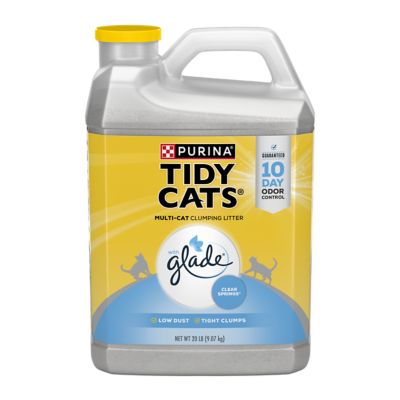
Placement is just as important as the box itself. Keep a corner litter box in a dry, well-ventilated location away from food and water dishes, noisy appliances, and doors that slam or swing shut. A quiet laundry room may seem ideal until the washer starts its spin cycle, while a hallway corner may be convenient for people but too busy for a nervous cat. During warmer weather, good airflow can help the area feel fresher, and during the cooler months, a spot away from cold drafts makes the setup more inviting. In homes with dogs or several cats, look for a location where your cat cannot be easily cornered or interrupted. A box tucked behind a gate or placed where the cat has more than one way to leave can provide a greater sense of security. If you have more than one cat, additional boxes placed in separate areas can help prevent crowding and keep one confident cat from guarding the only available restroom. Even the most space-saving corner design needs regular attention. Scoop clumps and solid waste often, add fresh litter as needed, and wash the pan on a regular schedule with mild soap and water. Strong fragrances, harsh cleaners, and heavily scented litter can bother some cats, especially those with sensitive noses. For more help comparing litter materials, odor-control features, and everyday cleanup needs, visit
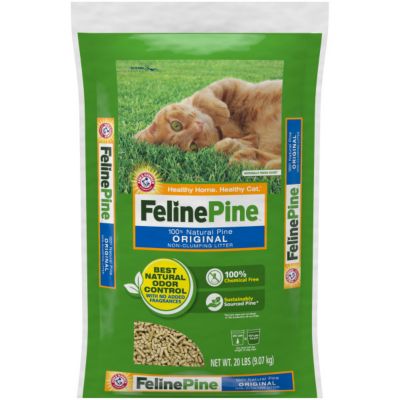
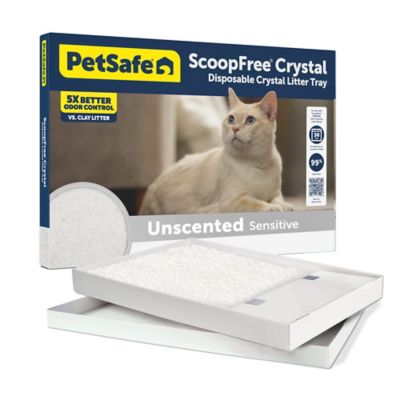
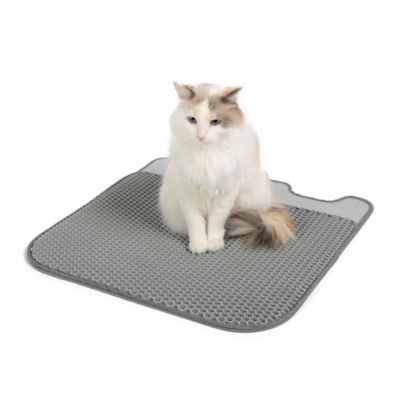
Best Cat Litter. A washable mat placed under or just outside the box can catch granules from paws and make sweeping easier, especially on hard floors. If the box sits on carpet, use a protective tray or waterproof layer to guard against moisture and lingering odors. Keep a scoop nearby so cleaning takes only a minute or two, and replace damaged pans if cracks or deep scratches develop. A fresh, well-kept box is more inviting to cats and helps the whole room smell cleaner. Changes in litter habits can sometimes point to stress or a health issue, so a sudden refusal to use the box, frequent trips, straining, or unusual accidents deserve prompt attention from a veterinarian.
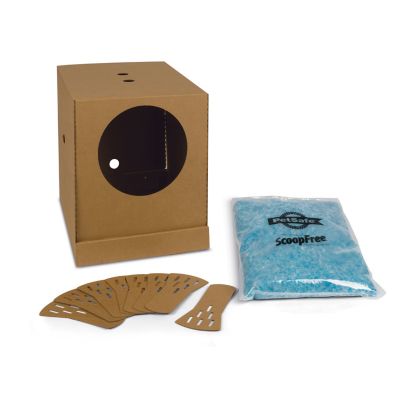
Corner cat litter boxes can be a practical choice for nearly any cat household, from a first-time pet owner setting up a small apartment to a longtime farm family making room for an indoor cat during rough weather. They are also a thoughtful gift for someone bringing home a rescue cat, moving into a new place, or creating a dedicated pet area in a laundry room or mudroom. A useful gift setup might include a corner box, a scoop, a litter-catching mat, and a storage container for keeping litter dry and close at hand. New pet owners often focus on food, beds, and toys, then realize that a clean, well-placed litter area is one of the most important parts of settling a cat into a new home. A corner model can make that first setup easier without taking over the room. When shopping, think about your cat’s current size, age, mobility, and habits rather than choosing only by the smallest listed dimensions. A shy cat may prefer privacy, while a cat that dislikes enclosed spaces may use an open pan more reliably. Cats that kick litter high over the sides may need a taller rim, and cats that tend to miss the edge may benefit from a larger interior and a mat underneath. Homes with children may do better with a box placed where little hands cannot disturb the cat, while households with older pets may need a low, easy-to-reach entry. Whether the box is going in a compact bathroom, a spacious basement, or a tucked-away corner of a country home, the right fit keeps the area orderly and gives your cat a familiar place to return to. With sensible placement, dependable construction, and consistent cleaning, a corner litter box can blend into the room while supporting comfortable daily routines for both cats and the people who care for them.