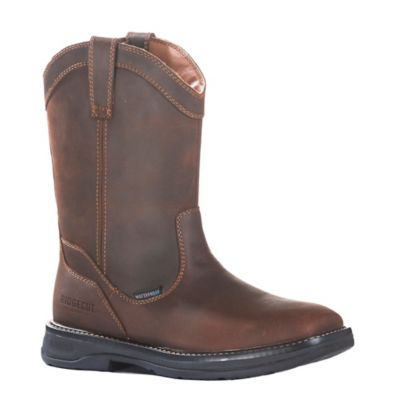
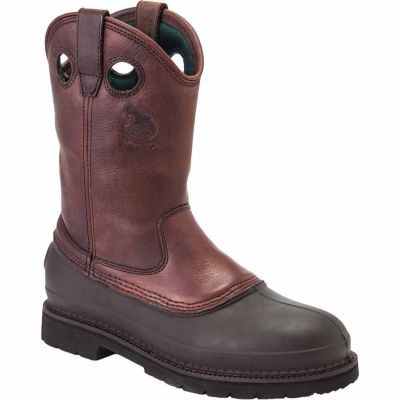
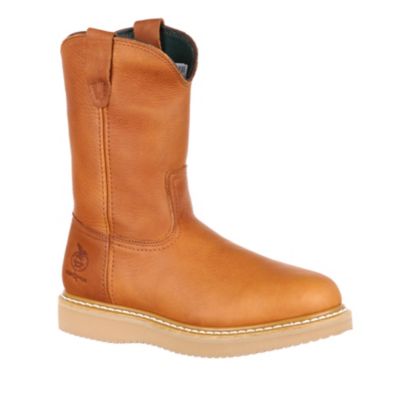
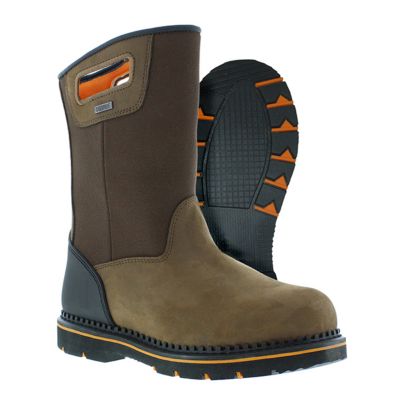
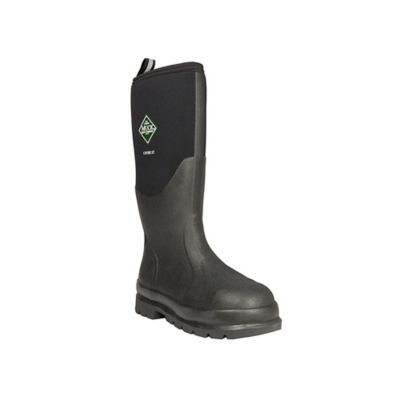
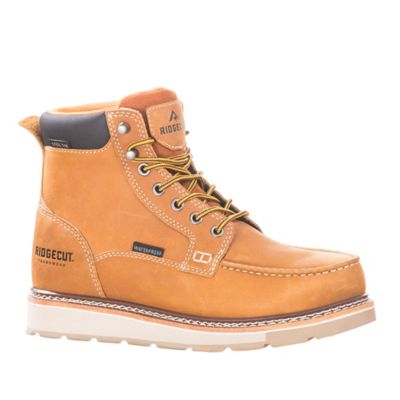
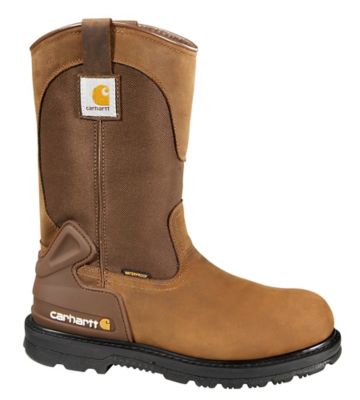
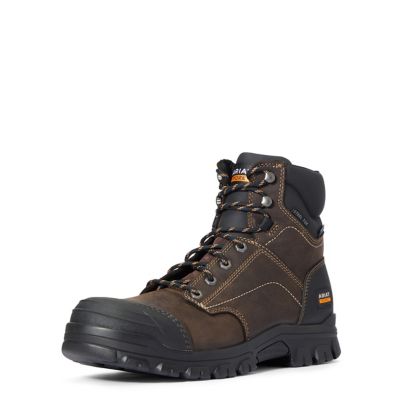
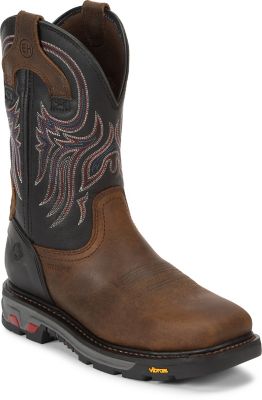
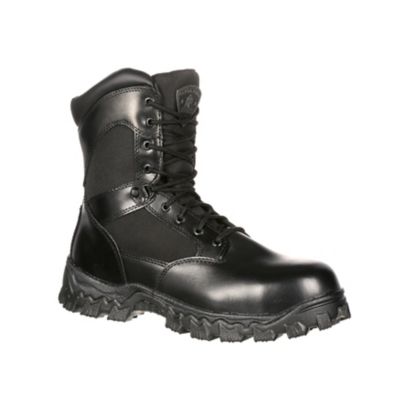
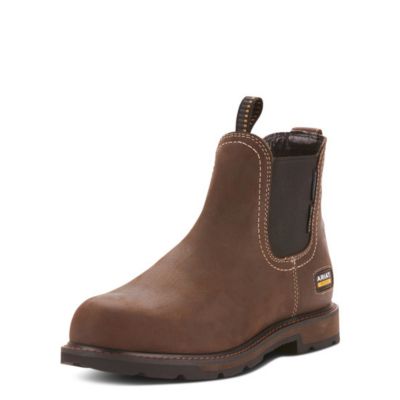
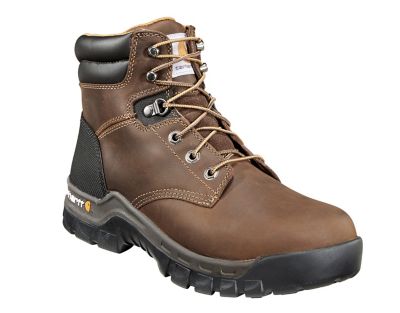
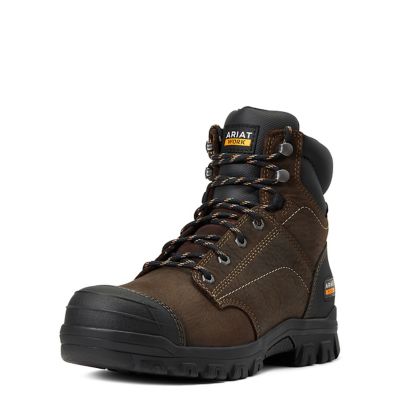
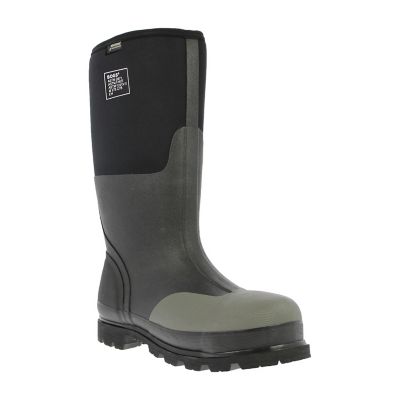
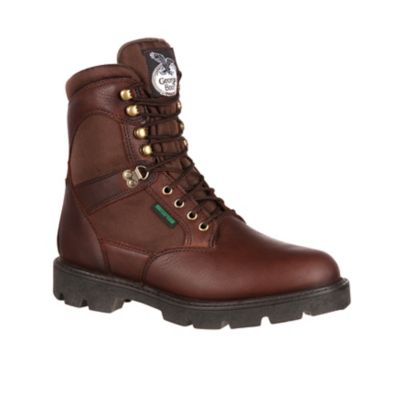
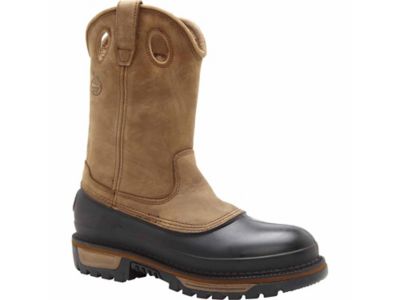
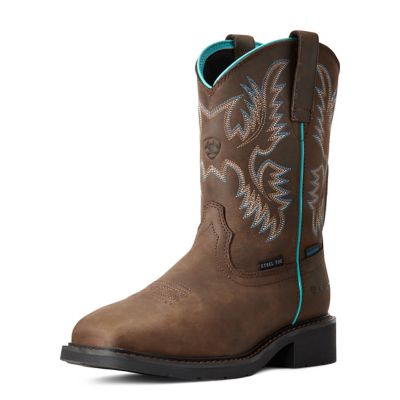
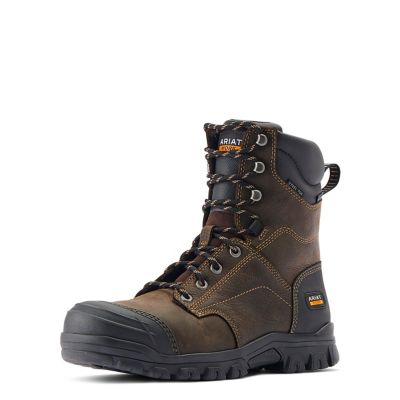
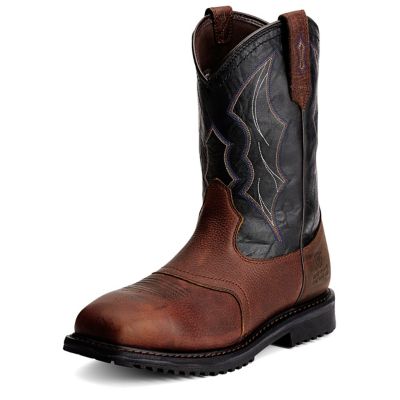
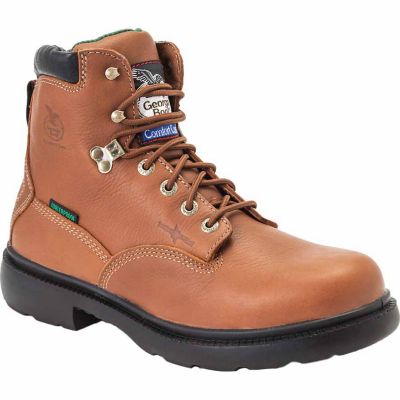
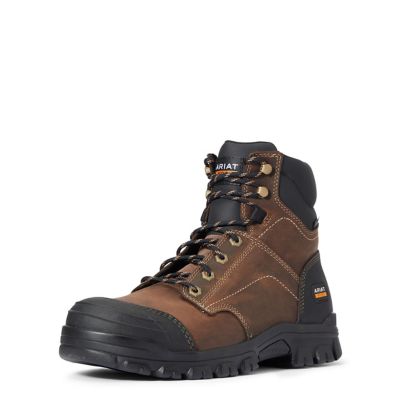
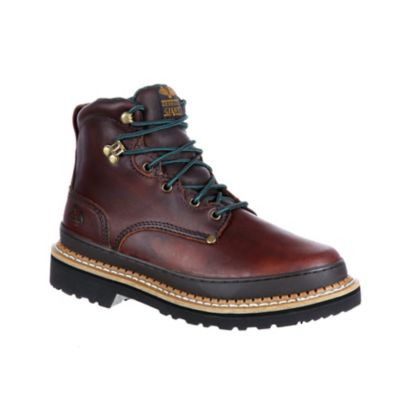
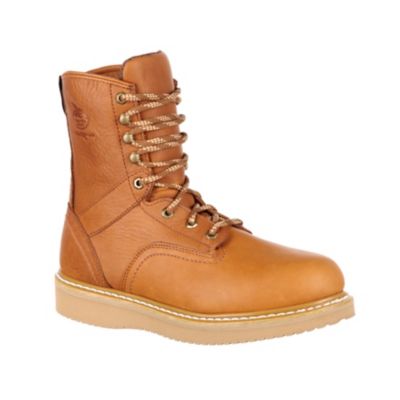
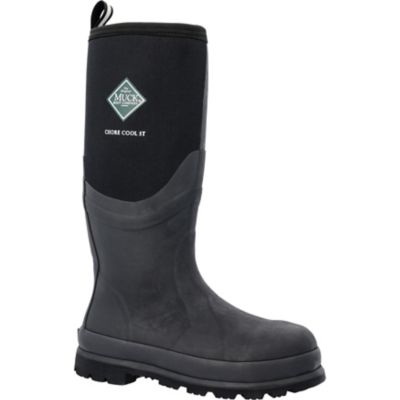
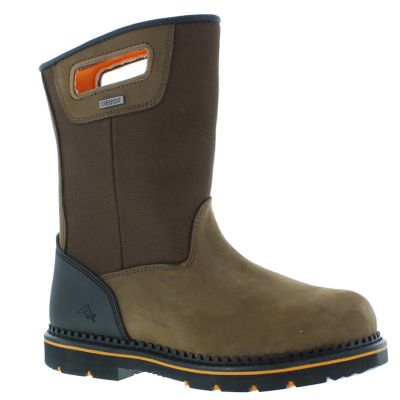
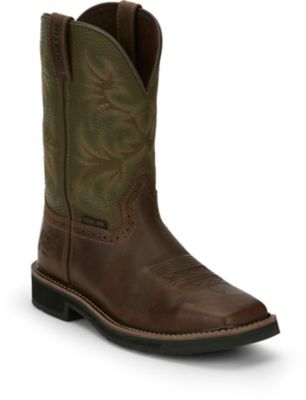
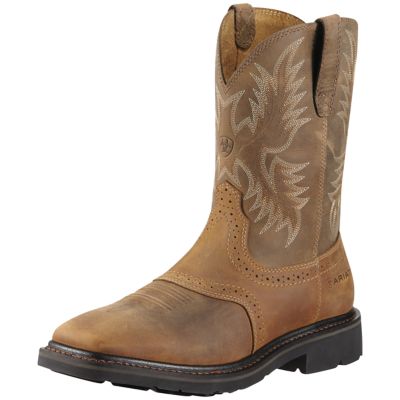
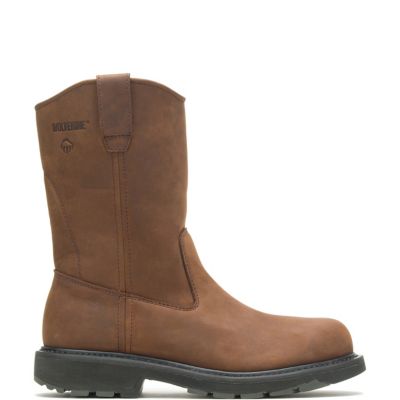
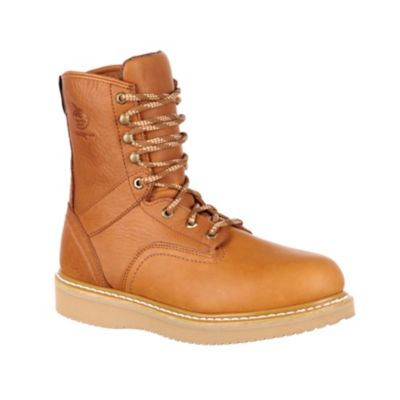
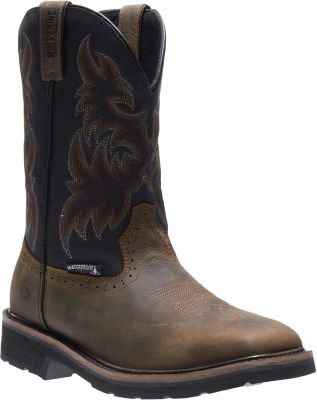
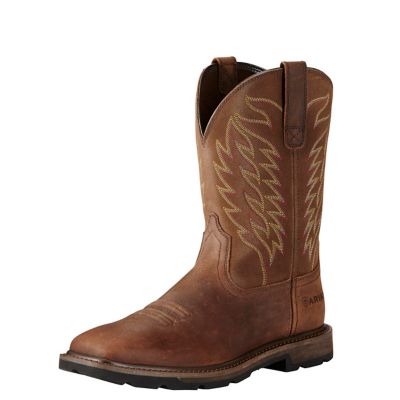
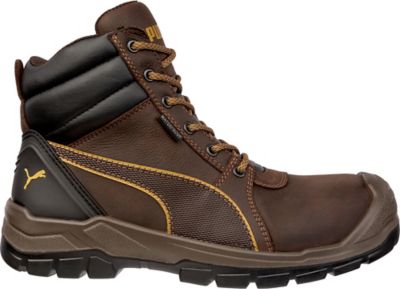
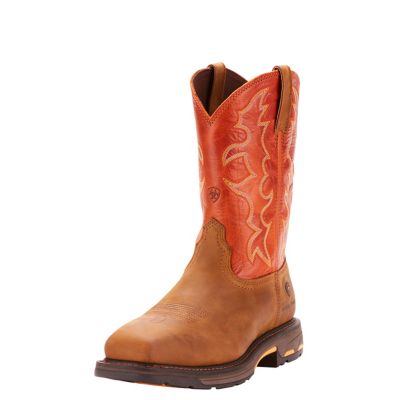
Oil resistant steel toe boots are built for demanding work where sturdy protection and dependable footing matter every day. They combine a safety-rated steel toe cap with an outsole made from rubber, polyurethane, or another oil-resistant compound that helps stand up to motor oil, animal fats, grease, and common shop lubricants without breaking down as quickly as ordinary footwear. That makes them a practical choice for mechanics, farmers, ranch hands, equipment operators, warehouse crews, delivery drivers, construction workers, and anyone who spends long hours around trucks, tractors, machinery, livestock areas, or maintenance bays. The steel toe helps protect against impact and compression from dropped tools, materials, and equipment, while a properly designed outsole helps reduce slipping on slick surfaces. Oil resistant and slip resistant are closely related, but they are not exactly the same, so check the boot’s listed safety features and tread design rather than assuming one automatically guarantees the other. Look for boots tested to applicable ASTM F2413 safety standards for impact and compression protection, and consider electrical hazard protection when the job involves wiring, powered equipment, or other electrical risks. Some styles also include puncture-resistant midsoles, waterproof construction, chemical-resistant components, or extra protection around the heel and ankle. These features can be handy on the farm, where a morning walk may lead from a wet pasture to a muddy equipment shed and then into a shop with a concrete floor slick from grease. During warmer weather, breathable linings and moisture-managing materials can help keep feet more comfortable, while during cooler months, waterproof layers and room for heavier socks can make a long shift easier. For workers who move between indoor shop floors and rough ground outdoors, pay attention to the balance between traction, flexibility, and overall weight. A boot with deep lugs may bite well into mud, gravel, and uneven ground, while a more moderate, channeled tread may feel steadier and roll more naturally across flat concrete. Either way, the tread should be shaped to shed dirt and debris instead of packing up and turning the sole into a smooth surface.
Fit matters just as much as the safety label. Start with the socks you are most likely to wear on the job, then make sure your toes can move without touching the steel cap. Your heel should stay in place while walking, though a small amount of movement can be normal in a new pull-on boot until the upper begins to flex. Laces, pull-on shafts, and adjustable closures each have their advantages: laces can provide a closer fit around the ankle, while pull-on designs are quick to get on and off when the workday starts early or boots need to be removed before stepping into the house. Pay attention to the boot’s width, arch support, shaft height, and opening around the calf, especially if you wear thick work socks or spend much of the day climbing ladders, operating pedals, or walking over uneven ground. Leather uppers often offer a tough, familiar feel and can mold gradually to the foot, while synthetic materials may be lighter and easier to clean. Waterproof boots can be especially useful around wet grass, wash bays, snowmelt, and muddy lots, but waterproofing does not replace ventilation, so a moisture-wicking sock and time to dry between shifts are still important. If wet conditions are part of the job, you can also browse
Waterproof Steel Toe Boots for added coverage against puddles and damp ground. Before purchasing, compare the boot’s stated resistance ratings with the liquids and conditions you actually encounter. An outsole described as oil resistant may handle petroleum-based oils well, but that does not mean the entire boot is protected from every chemical, solvent, fuel, or agricultural treatment. Follow the manufacturer’s care instructions, rinse away mud and manure before it dries, wipe off oil as soon as practical, and let boots dry at room temperature away from wood stoves, heaters, and direct high heat. Heat can dry leather too quickly, weaken adhesives, and cause materials to crack. A soft brush, clean cloth, and appropriate conditioner can help preserve leather, while removable insoles can be taken out to air separately. Check the outsole for worn tread, the upper for splitting, and the toe area for dents or damage. Safety footwear that is badly worn or no longer fits securely should be replaced, even if the boot still looks serviceable from across the barn.
Oil resistant steel toe boots can also make a thoughtful gift for someone starting a new trade, working on a family farm, joining a maintenance crew, or preparing for a busy season of outdoor projects. They are the kind of practical gift that gets used instead of tucked away, whether the recipient is repairing a hay baler, servicing a fleet vehicle, stocking a feed room, or spending a shift on a warehouse floor. If you are buying for someone else, a gift receipt or easy exchange option is helpful because safety boots are personal, and the right size and width can make a major difference by the end of a long day. Consider where the recipient works most often: a flat, oily shop floor may call for a flexible sole with dependable slip resistance, while a property with mud, rocks, and changing ground may call for deeper lugs and a more supportive shaft. Think about the weather, too. As the weather warms, lighter construction and breathable linings may be appreciated, while cooler, wetter conditions often call for insulation, waterproof barriers, and enough interior space for warm socks without squeezing the toes. No matter the season, the best pair should feel secure without being painfully tight, provide room to flex at the ball of the foot, and offer traction suited to the surfaces underfoot. Take a little time to compare safety ratings, outsole materials, tread patterns, waterproofing, fit, and care needs before choosing. With the right combination of steel toe protection and an oil-resistant, job-ready sole, a dependable pair of boots can help workers feel steadier through early starts, messy repairs, slick floors, and the everyday chores that keep a farm, shop, or worksite moving.