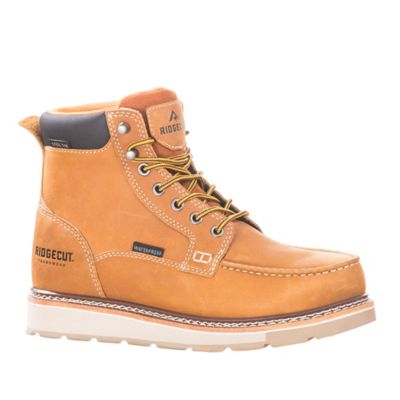
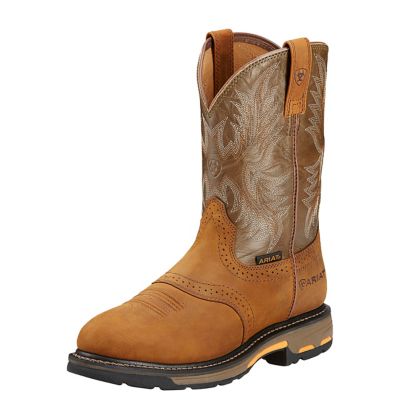
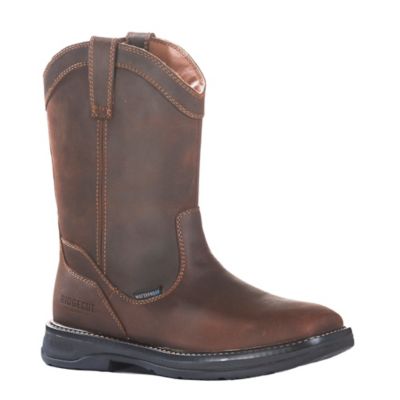
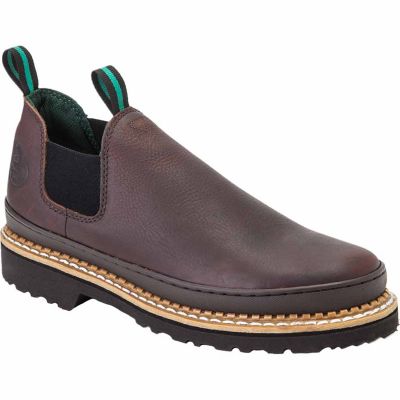
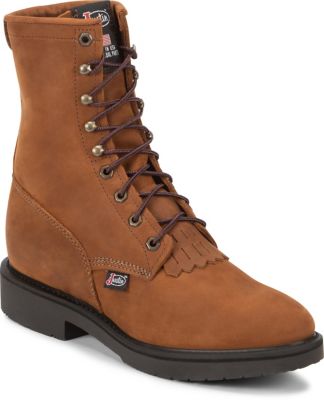
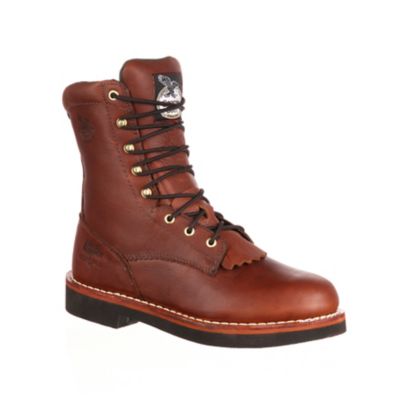
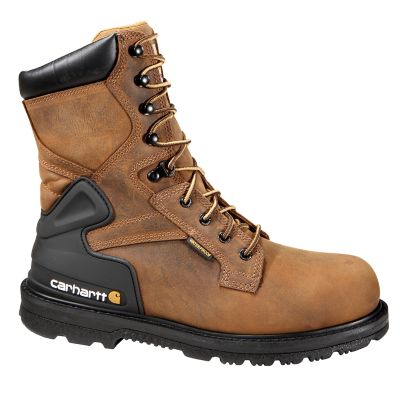
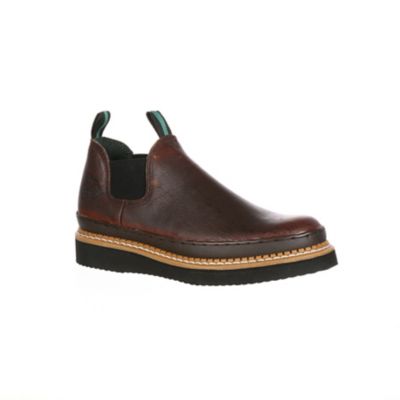
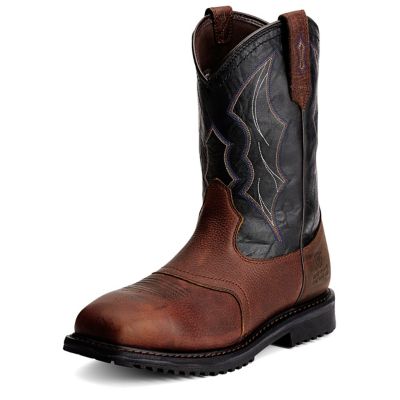
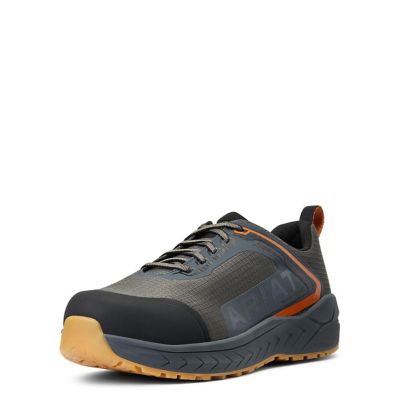
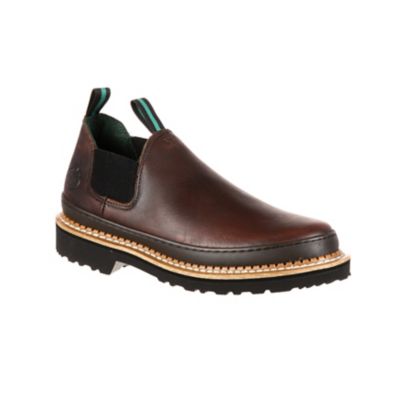
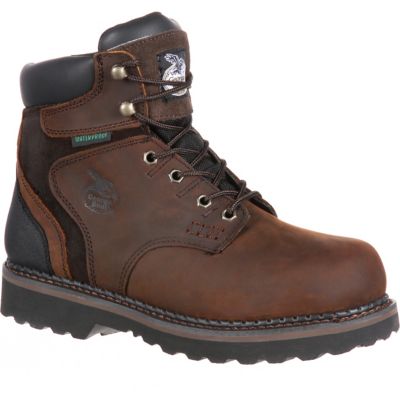
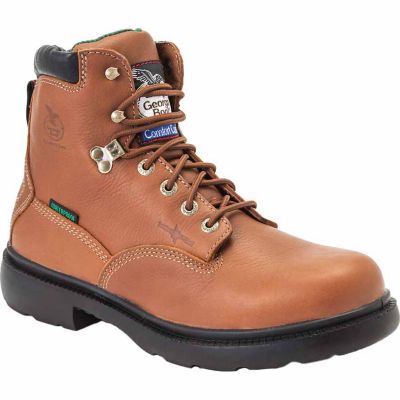
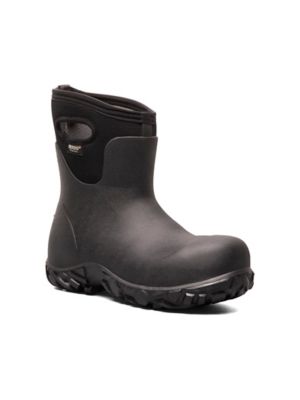
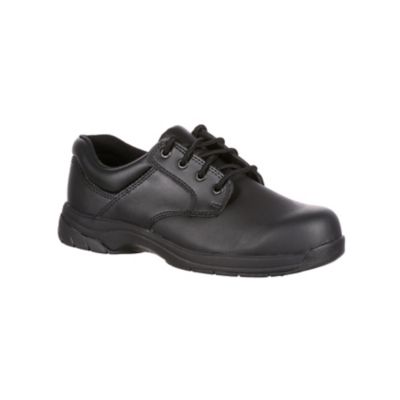
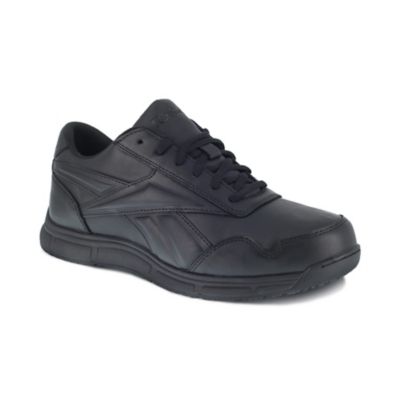
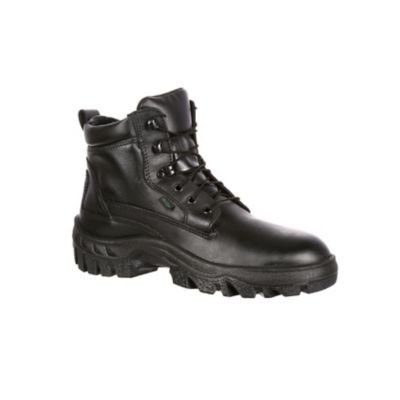
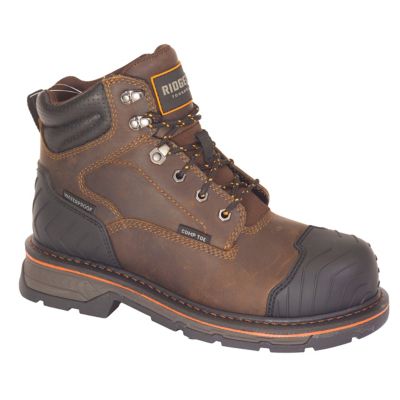
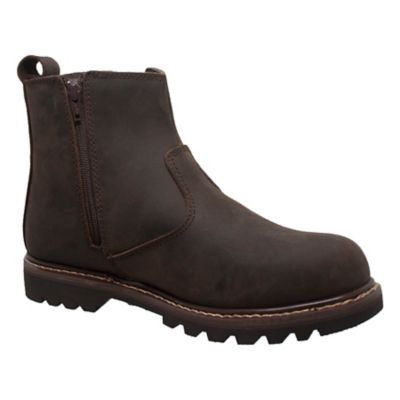
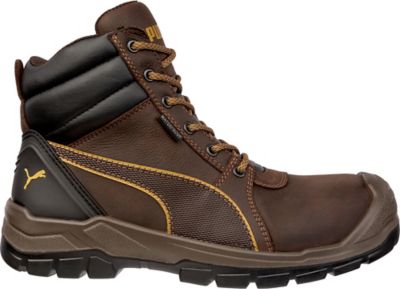
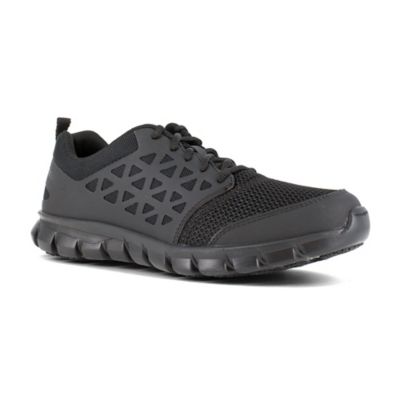
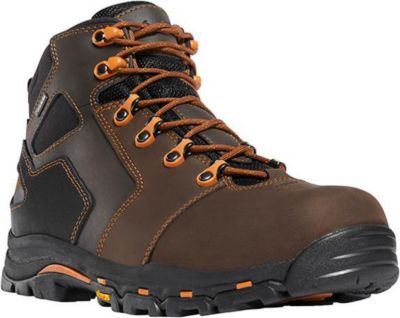
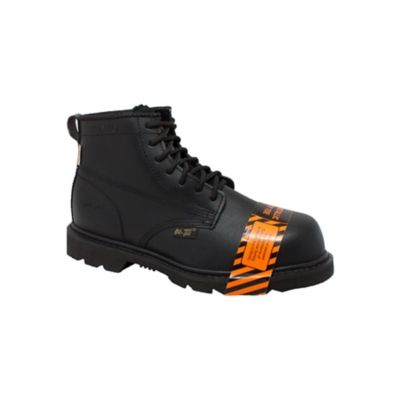
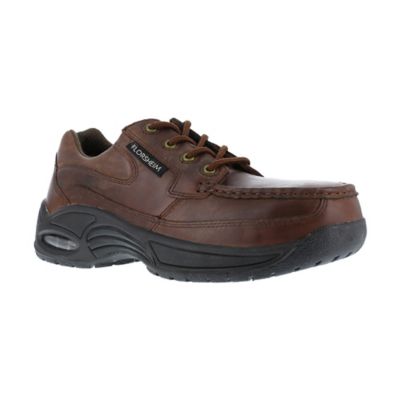
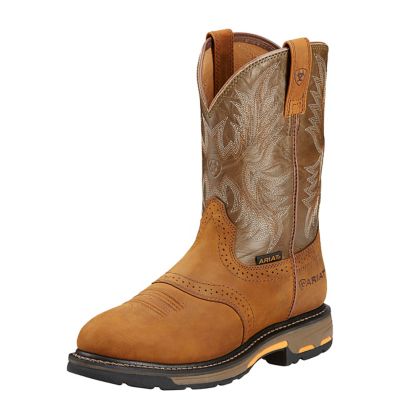
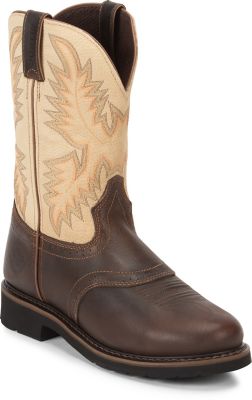
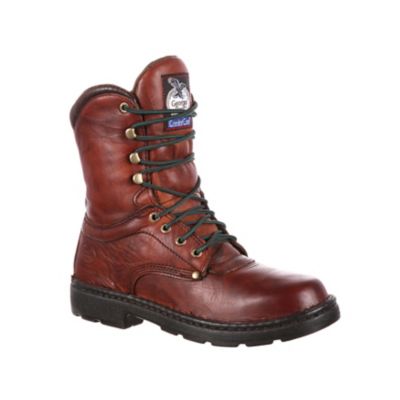
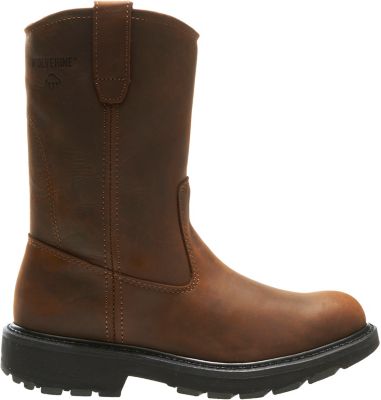
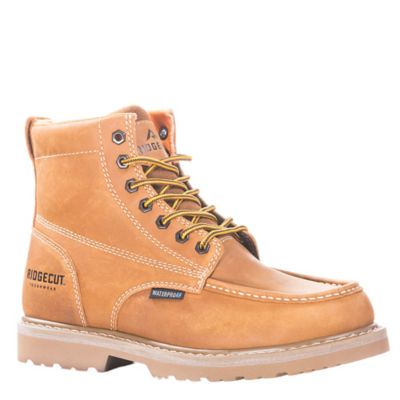
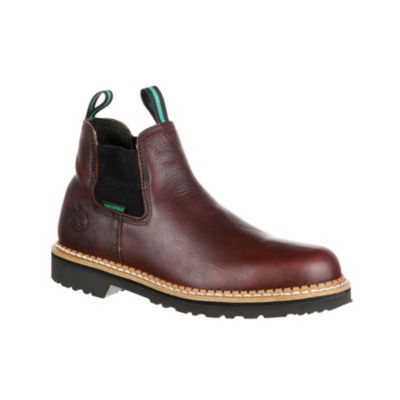
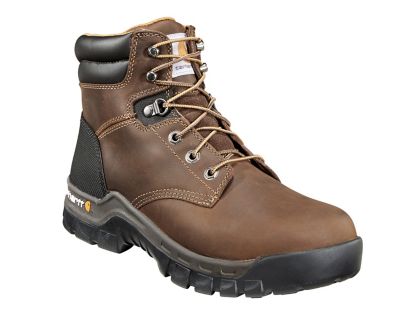
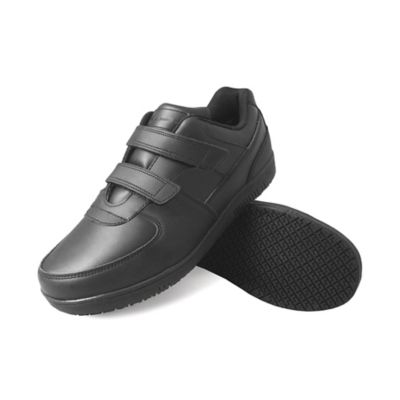
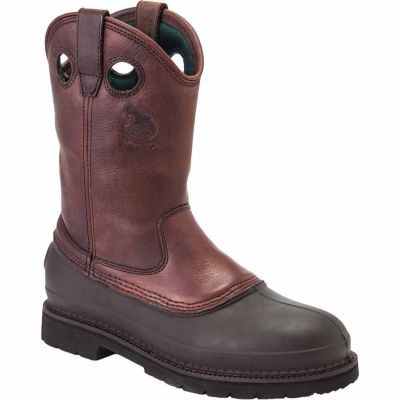
Men’s oil resistant work shoes are built for jobs where ordinary sneakers can lose traction, break down, or soak up grime. Their outsoles are made with rubber, polyurethane, or other compounds designed to hold up better around machine oil, grease, animal fats, diesel, and petroleum-based fluids. That makes them a practical choice for mechanics, equipment operators, warehouse workers, kitchen crews, farmhands, delivery drivers, and anyone spending long hours on concrete or shop floors. In a busy garage, a few drops of oil can spread across a surprisingly large area, turning a smooth floor into a slick spot before the mess is easy to see. An oil resistant outsole helps the shoe resist that exposure, while a tread pattern with defined channels and edges helps shed liquid and debris as you walk. Oil resistance and slip resistance are related, but they are not exactly the same feature, so check the product details for both when traction is a main concern. For additional options, browse
Men's Slip Resistant Work Shoes. Keep in mind that oil resistant footwear is not automatically waterproof or rated for every chemical. If your work involves solvents, acids, welding sparks, or other specialized hazards, follow your workplace safety requirements and choose footwear with the protection specifically listed for that environment.
The right pair starts with the job, not just the appearance. A service technician who walks between a shop floor, a parts counter, and a truck may appreciate a lighter low-cut work shoe that flexes easily and feels less bulky during a long shift. Someone working around livestock, heavy equipment, rough ground, or uneven gravel may prefer a higher shoe or boot with more coverage and support around the ankle. Look for a fit that leaves enough room for your toes to spread without letting your heel slide, and try footwear with the socks you normally wear on the job. Work socks can be thicker than everyday socks, especially during cooler months, and a snug fit that feels fine in the store may become uncomfortable after several hours. Pay attention to the insole, heel cushioning, arch support, and overall weight. A pair that feels manageable at the start of the day can make a real difference after walking across a pasture, standing at a repair bench, or climbing in and out of a truck repeatedly. If your workplace requires a protective toe, compare steel toe and composite toe construction. Steel offers familiar, rugged protection and can feel colder in chilly conditions, while composite materials are often lighter and do not conduct temperature in the same way. Neither option should be assumed to meet a safety requirement without checking the listed rating. ASTM F2413 markings may indicate protective-toe or electrical-hazard performance, but the exact protection depends on the footwear’s certification and construction. Always match the safety rating to your employer’s rules, including requirements for impact, compression, puncture resistance, electrical hazards, or metatarsal protection.
Daily care helps men’s oil resistant work shoes last through more miles, mud, and messy jobs. At the end of a shift, brush away dry dirt and wipe off fresh oil before it has time to work into the seams. Use a cleaner approved for the upper material, and let the shoes dry naturally away from direct heat. A heater, woodstove, or hot truck floor can dry leather too quickly, weaken adhesives, and make some synthetic materials crack or warp. If the shoes have removable insoles, take them out to air separately, especially after a hot day or a long shift on concrete. Leather footwear may benefit from a conditioner or protective treatment made for that type of leather; heavy waxes can change the finish, soften certain materials, or affect breathability, so follow the care instructions instead of applying a household product at random. Check the outsole for worn-down tread, embedded metal, loose sections, or areas that have become smooth. Oil resistance does not last forever if the tread is badly worn, and no outsole can make an unsafe floor safe. Replacing footwear before the cushioning and traction are gone is part of staying comfortable and steady on the job. These shoes also make a useful gift for a dad, husband, son, brother, neighbor, or new apprentice starting work in a garage, shop, warehouse, restaurant, or farm setting. During the warmer part of the year, breathable uppers and moisture-managing socks can help with sweaty feet; as conditions turn cooler, room for heavier socks and dependable traction matters more. Choose a pair that fits the workday ahead, stands up to the mess at hand, and feels good enough to wear from the first chore to the last cleanup.