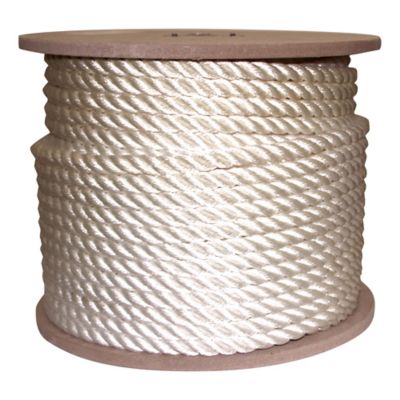
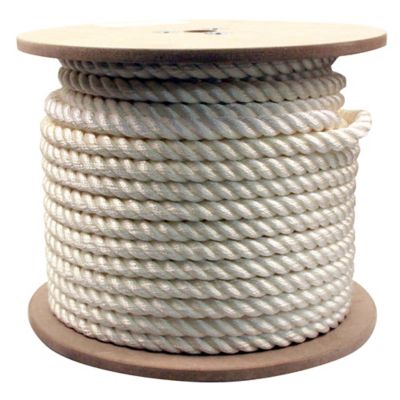
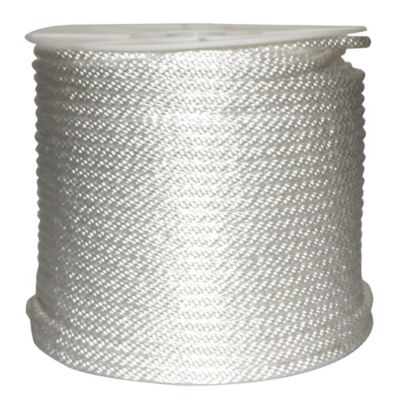
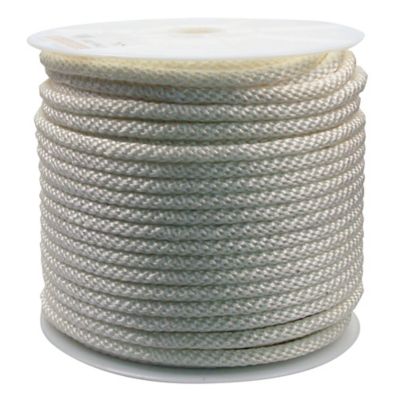
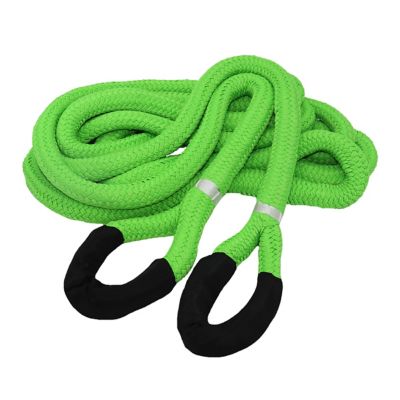
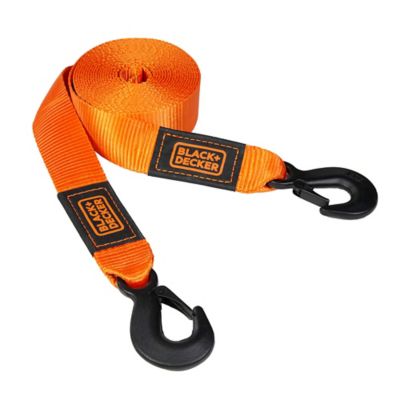
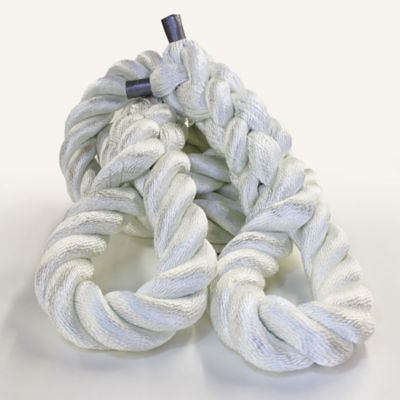
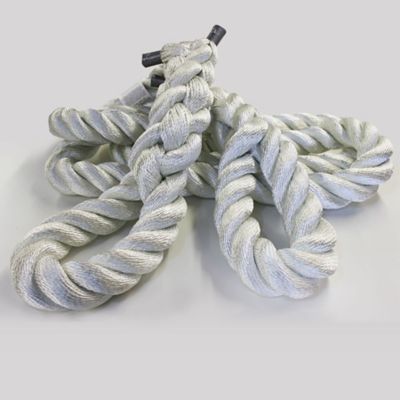
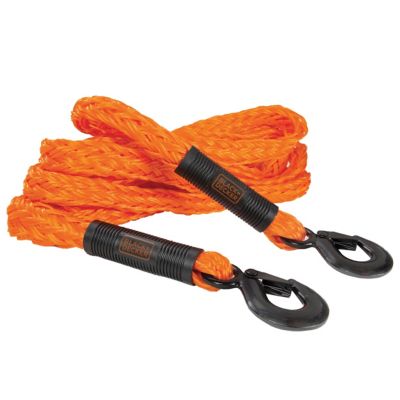
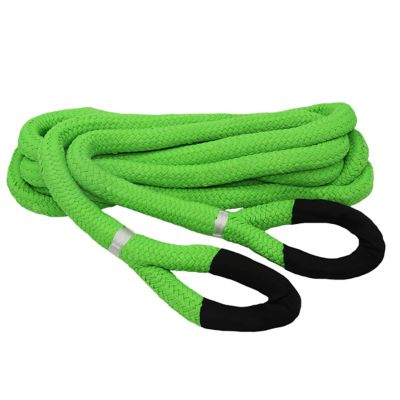
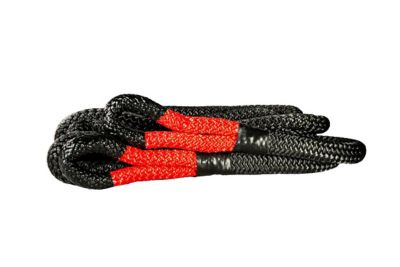
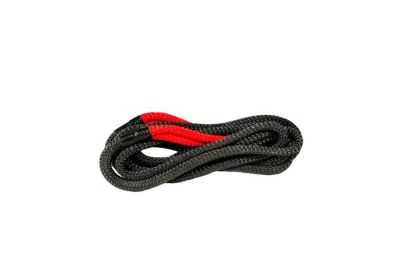
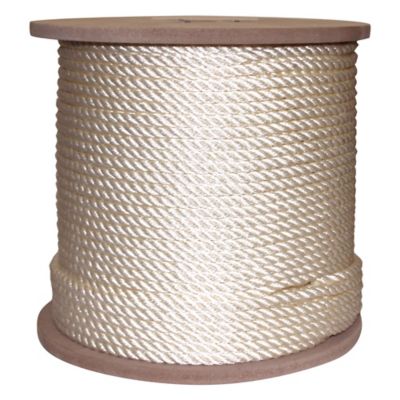
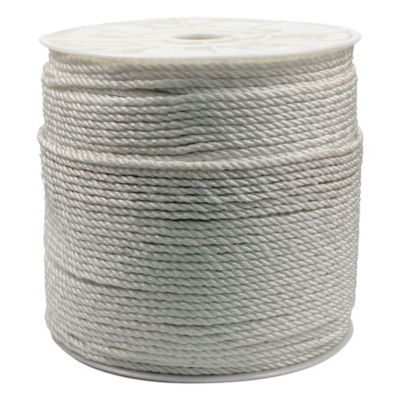
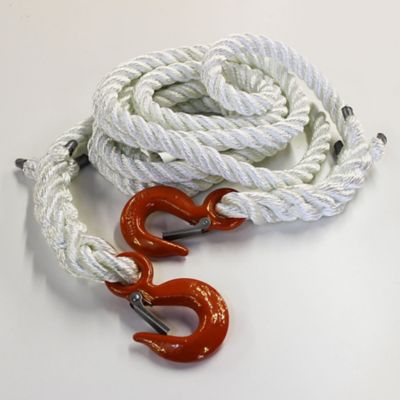
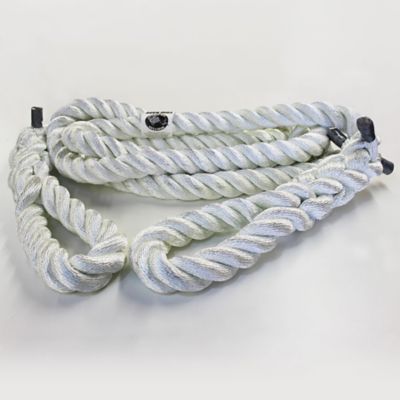
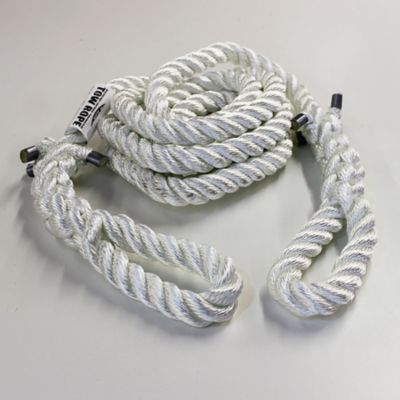
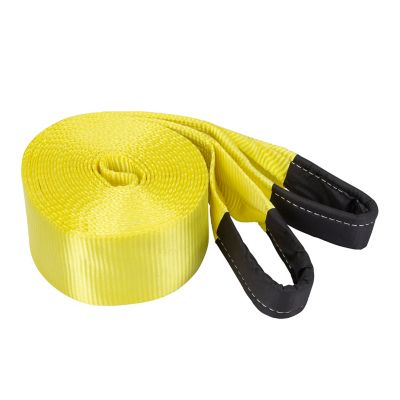
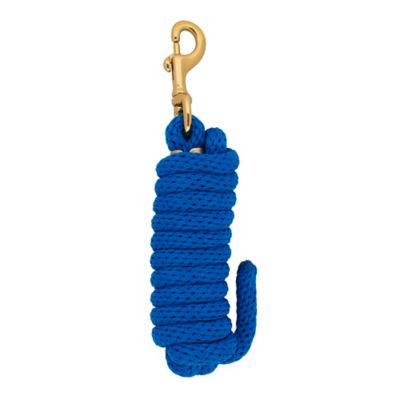
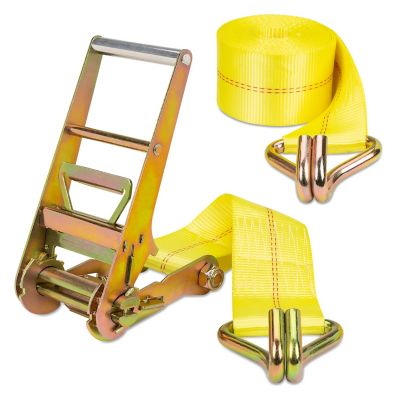
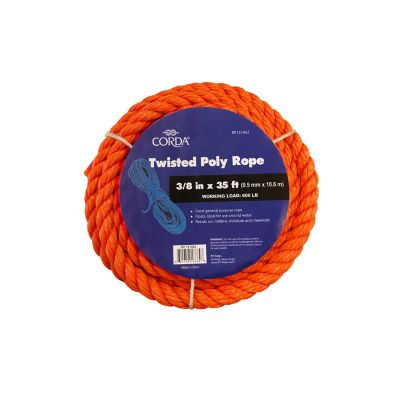
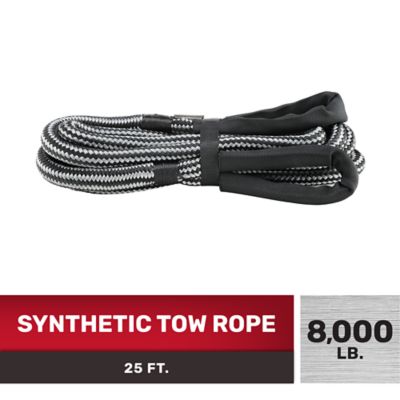
Nylon tow ropes bring strength and stretch to vehicle pulling jobs around the farm, along the trail, and across the worksite. Nylon is a synthetic fiber that can elongate under tension, helping soften the transfer of force between vehicles when the rope is designed for that application. That give is a defining difference from many lower-stretch rope materials, but not every nylon rope serves the same purpose. A conventional tow rope is intended for the towing conditions stated by its manufacturer, while a kinetic recovery rope is specifically engineered to stretch and store energy during an approved vehicle recovery. Some nylon kinetic recovery ropes can stretch approximately 20% to 30% under specified loads; the actual amount depends on construction, loading, and manufacturer specifications. An ordinary utility rope does not become a vehicle recovery rope simply because it contains nylon. For a pickup sitting in a soft pasture entrance or an ATV settled into loose sand, that distinction matters more than rope color or appearance. Moving a vehicle that rolls freely is a different job from freeing one held by deep ruts, suction, or an obstacle. Neither a high breaking-strength number nor a thick diameter alone confirms that a rope suits both situations. Farmers, ranchers, trail riders, and equipment owners benefit from looking at the intended application first, then matching the rope to the vehicle and its approved attachment points. Nylon tow ropes are vehicle-pulling equipment, not substitutes for lifting slings, winch lines, or cargo tie-downs unless expressly rated for those tasks. Road towing brings additional concerns, including steering, braking, vehicle restrictions, and local requirements, so a rope is not automatically the right choice for moving a disabled vehicle along a public road. For shoppers comparing materials and pulling applications, the broader range of
Tow Ropes provides a place to consider how nylon fits the job. The best match starts with a clear picture of what needs moving and whether it is rolling freely or firmly stuck.
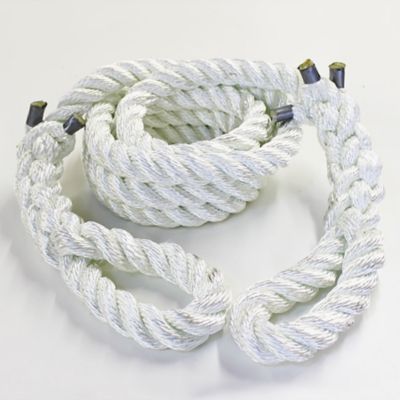
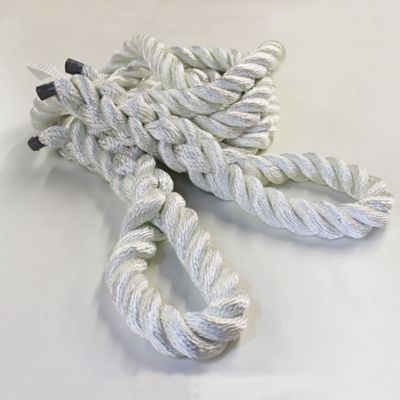
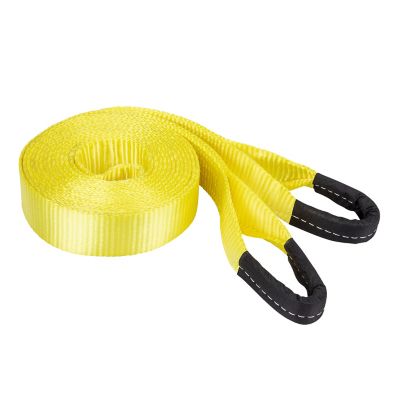
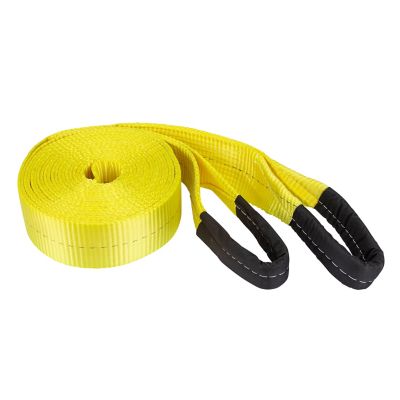
Construction and ratings tell more about a nylon tow rope than its size alone. Braided designs can offer flexibility and manageable handling, while certain double-braid constructions combine a braided core with an outer braid. The roles of those layers vary by design, so an outer braid should not automatically be treated as a replaceable protective cover. Spliced eyes, reinforced loops, and abrasion sleeves are details worth comparing, especially where the rope meets attachment hardware. A sleeve can help limit rubbing at a contact point, but it cannot make a sharp edge harmless. Rope diameter, overall length, and eye dimensions all affect fit: a loop must work with the approved connector, and the connector must fit the vehicle’s rated recovery point without pinching or forcing the rope into a tight bend. More length is not always better, particularly where a narrow farm lane, gate opening, or trail leaves little room to position vehicles. Likewise, a heavier rope is not automatically the right match for a lighter machine; kinetic recovery performance depends on sizing within the manufacturer’s recommended vehicle range. Minimum breaking strength describes a failure threshold under specified test conditions, not a permitted everyday pulling load or a direct vehicle-weight allowance. Where a working load limit is provided, it serves a different purpose and should not be confused with breaking strength. A loaded pickup weighs more than an empty one, and resistance from a stuck vehicle can greatly exceed the force needed to pull the same vehicle on a firm, level surface. Those differences make vehicle weight, load, terrain, and the maker’s application limits important parts of the comparison. The full connection matters, too: ropes, shackles, and vehicle attachment points need compatible ratings and an approved arrangement. A trailer hitch ball is not a recovery point, and ordinary transport tie-down loops may not be rated for recovery forces. Stretch can moderate a load in a suitable system, but it does not eliminate the danger of a rope or attachment failing.
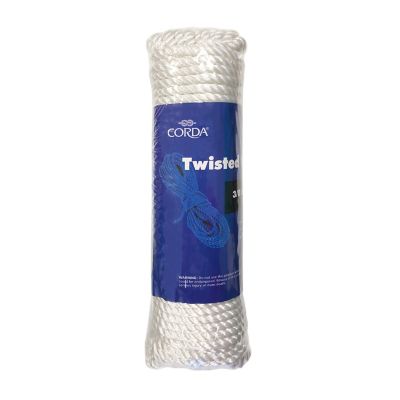
A nylon tow rope also needs to suit the way it will be carried, handled, and cared for between jobs. On a working property, that might mean a designated spot in a truck toolbox rather than a loose coil beside fencing staples, saw chains, or leaking fluid containers. For trail travel, a storage bag can help keep the rope organized and separate from tools with sharp corners. Nylon is flexible and generally offers good abrasion resistance, but dragging it across gravel, pulling it around an edge, or allowing grit to work into the braid can damage fibers. Protective treatments and sleeves may help with wear in the areas they cover, though neither removes the need for inspection. Nylon also absorbs water, which can affect its strength and handling; published ratings and any moisture-related limits should come from the rope manufacturer rather than a blanket percentage applied to every design. Cleaning directions vary, but removing grit with an approved washing method and allowing the rope to dry fully before enclosed storage helps keep it ready for its next job. Excessive heat, prolonged sunlight exposure, and contact with incompatible chemicals can shorten service life. Cuts, melted or glazed sections, pronounced abrasion, damaged eyes, and changes in the rope’s feel or shape deserve attention before another pull. A rope that has experienced an overload or has an unknown service history may need retirement even when damage is not obvious. Knots and improvised repairs can reduce strength and are no substitute for sound terminations. Because a tensioned nylon rope stores energy, people belong well clear of the line and its possible recoil path, and a recovery damper does not make an unsafe setup safe. For anyone outfitting a farm truck or trail rig, practical details such as readable ratings, manageable coil size, compatible loop openings, and clear care instructions matter long after the packaging is gone. A well-matched nylon tow rope earns its place through suitability for the vehicle, the pulling task, and the complete attachment system—not through size or strength claims alone.