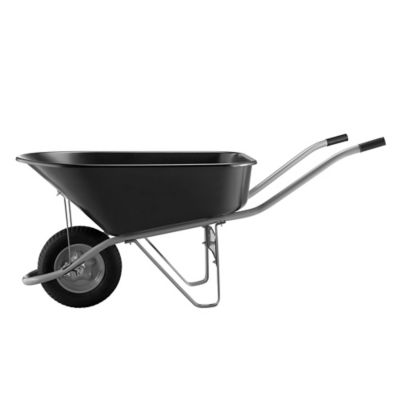
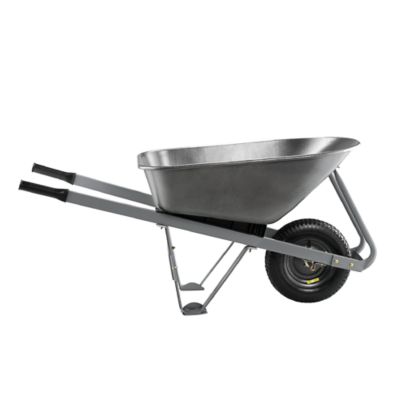
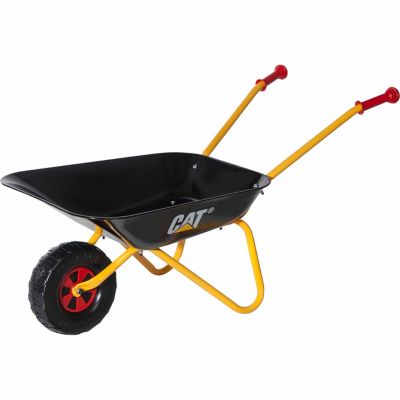
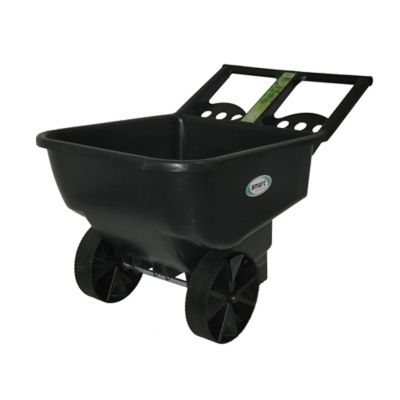
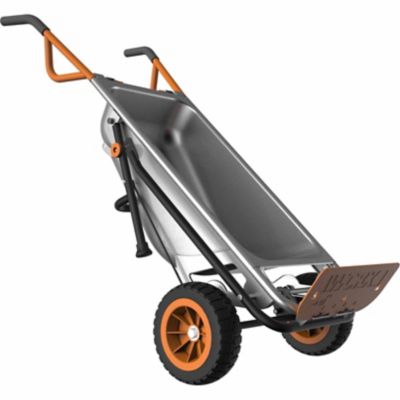
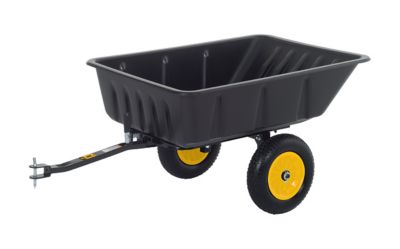
A yard work wheelbarrow can make the difference between a long afternoon of carrying loads by hand and a steady, manageable trip from the pile to the garden, shed, driveway, or fence line. These handy carts help move soil, mulch, compost, leaves, grass clippings, plants, firewood, and small stones across the property with less lifting and fewer trips. During the cooler months, a wheelbarrow can still earn its place near the shed for clearing fallen branches, hauling logs, spreading soil around shrubs, or bringing feed and bedding where they need to go. A gardener may reach for one while filling raised beds, while a homeowner may keep one ready for general yard cleanup. On a small acreage, it can help with chores around the barn, chicken coop, workshop, or pasture gate. Think about the loads you move most often before choosing a model. Loose materials such as mulch and leaves are usually easier to handle in a broad tray, while rocks, bricks, and other rough loads call for a strong tray and a frame that feels steady when the load shifts. Poly trays are light and resist rust, making them a practical choice for wet leaves, soil, and everyday yard jobs. Steel trays can be a good fit for heavier or jagged materials, though they may add weight to each trip. Tray shape matters, too: a deeper basin keeps loose material contained over uneven ground, while a wider front can make dumping a pile quick and simple. Handles should sit comfortably in your grip and leave enough room to lift without bumping your legs. If you often work in muddy areas or across grass, look for a tire with a tread suited to the ground around your home, and check that it can be inflated or maintained as needed.
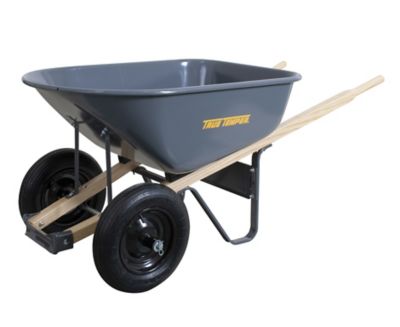
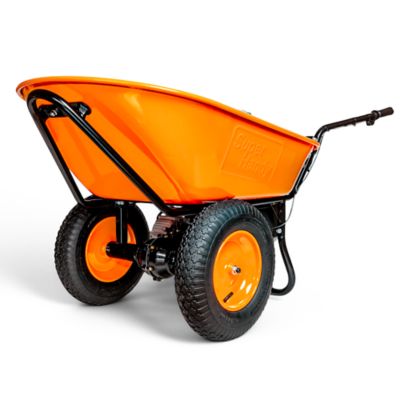
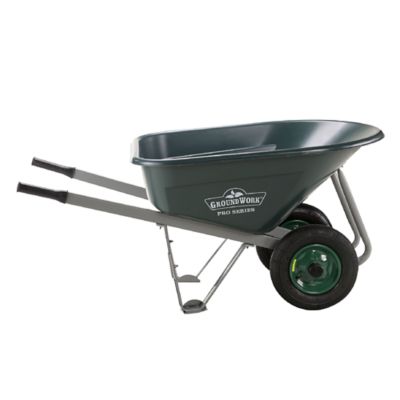
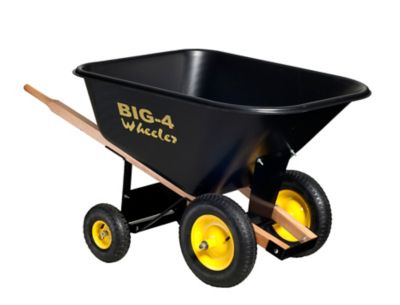
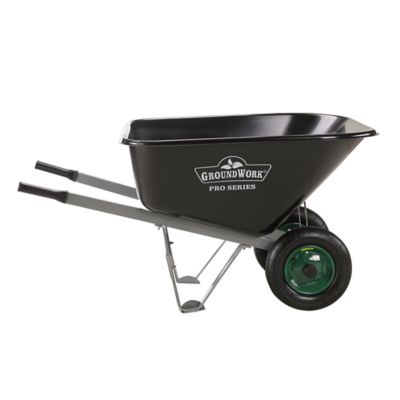
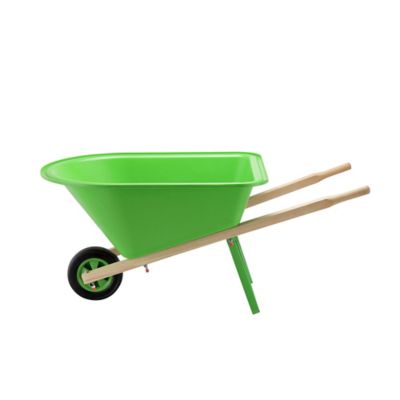
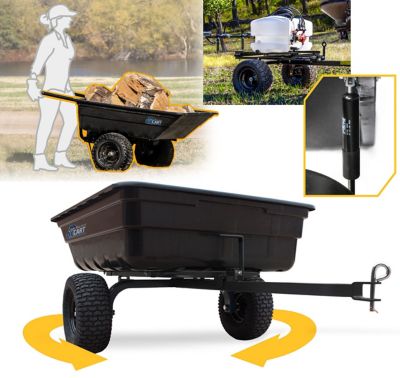
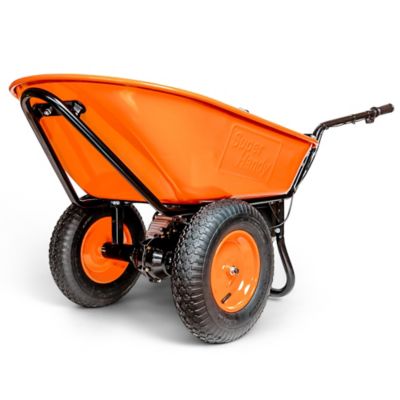
Wheel setup is another important part of the decision. A single-wheel wheelbarrow turns tightly, follows narrow garden paths, and is easy to angle beside a planting bed or woodpile. It also makes dumping feel natural once you get the balance right. A two-wheel design offers more stability when moving across a slope, gravel, or ground with roots and ruts, which can be helpful when the load is heavy or the person pushing it wants extra support. Four-wheel yard carts provide still more balance and may suit larger, flatter areas, though they turn differently from a traditional wheelbarrow and can take more room to maneuver. Capacity is commonly measured in cubic feet, with many residential models holding about 3 to 6 cubic feet of material. Load ratings often fall in the range of 200 to 330 pounds, but the right choice depends on both the cart’s rating and the material’s weight. A full tray of dry leaves is not the same as a full tray of wet soil or stone. Staying within the stated limit helps the frame, wheel, and handles perform as intended and makes the load easier to control. Before placing an order, measure narrow gates, shed doors, garden paths, and storage spots. A cart that fits the work area saves frustration, especially when you are trying to turn between rows or roll through a muddy side yard. Pay attention to handle height, wheel placement, tray clearance, and the size of the tire. Taller users may appreciate longer handles, while a lighter frame can be easier for smaller gardeners or older property owners to lift and empty. For anyone who already has a wheelbarrow or plans to keep one near a work area, a
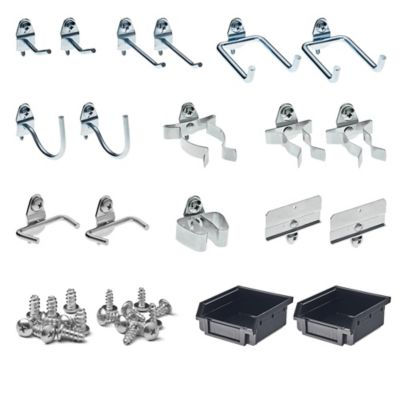
Wheelbarrow Hook can help get it off the floor and out of the way when the day’s chores are done.
The best yard work wheelbarrow is the one that matches the ground, the load, and the person doing the pushing. If your property has tight paths between garden rows, a single-wheel model may feel nimble and easy to place exactly where it belongs. If the route crosses a rough lawn or a gentle hillside, extra wheels may provide a steadier ride and reduce the effort needed to keep the tray level. For regular hauling of soil, mulch, or gravel, compare tray depth, frame construction, wheel size, and the listed load limit rather than judging by appearance alone. Large tires can roll over roots and soft ground more smoothly, while smaller wheels may be easier to store and maneuver in confined spaces. Handles with comfortable grips can matter after dozens of trips, and a foot brace or front support can make lifting and dumping more controlled. Keep in mind that wet materials become much heavier, and an overloaded tray can be difficult to stop on a slope. Breaking a large load into smaller trips is often easier on your back and gives you better control near planting beds, steps, and gates. After each job, knock out caked mud and rinse away soil or fertilizer residue, then let the tray dry before storing it. Check the tire pressure, tighten loose hardware, and keep the wheel turning freely so the cart is ready when leaves gather or a new load arrives. A wheelbarrow can also make a thoughtful practical gift for someone settling into a new home, tending a garden, maintaining a rural property, or taking on more outdoor chores. It is the sort of tool that may begin beside the shed and soon become part of nearly every weekend task, from spreading mulch around a young tree to clearing storm debris from the driveway. With the right tray, wheel arrangement, capacity, and fit, yard work feels more organized, and the distance between the pile and the finished job becomes a whole lot easier to cover.