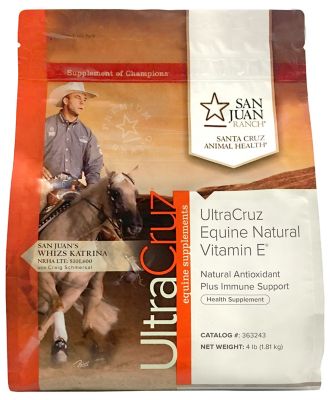
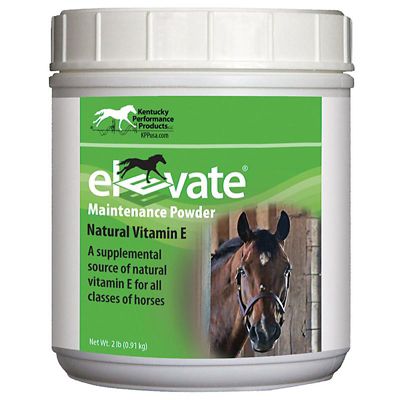
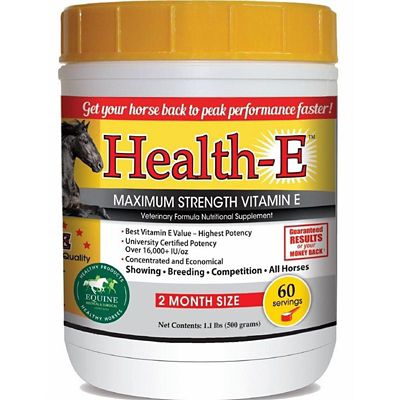
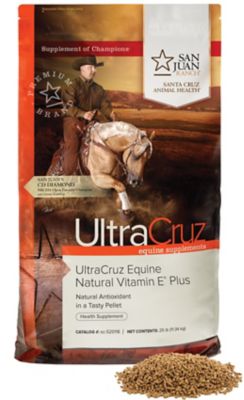
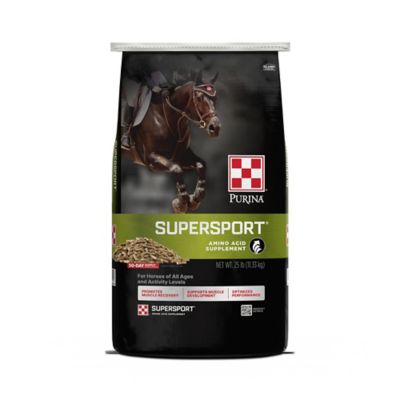
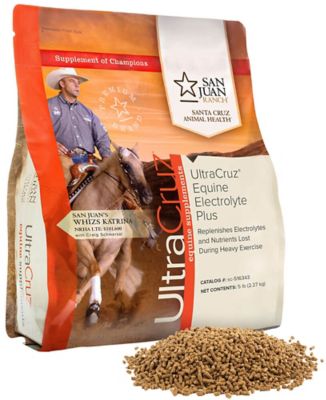
Natural vitamin E for horses is a fat-soluble nutrient that acts as an antioxidant, helping protect cell membranes from oxidative stress while supporting normal muscle, nerve and immune function. The natural form is commonly identified on supplement labels as d-alpha-tocopherol or RRR-alpha-tocopherol. It differs from synthetic vitamin E, which may appear as dl-alpha-tocopherol or all-rac-alpha-tocopherol. Horses generally absorb and retain the natural form more efficiently, although the formulation, serving amount and horse’s digestive health also matter. For a horse that spends long days checking fences, carries a rider down the trail or works in an arena, adequate vitamin E intake is one part of a feeding program that supports normal muscle function. It is not a shortcut to conditioning or a substitute for enough forage, balanced feed and rest. Fresh green pasture can contribute meaningful amounts of vitamin E, while levels decline as forage is harvested and stored. That makes this nutrient worth a closer look for horses eating mostly hay, those with limited grazing and those whose pasture intake is restricted as part of a veterinarian-directed feeding plan. A horse can have a full hay net and still need a separate assessment of vitamin E intake, since plenty of forage does not necessarily mean plenty of this particular nutrient. Growing horses, broodmares, hardworking horses and older horses may have different nutritional considerations, but age or workload alone does not determine the right supplement amount. The whole ration matters, including fortified grain, ration balancers and any other supplements already going into the feed tub. Natural vitamin E supplements offer a way to address an identified dietary gap without rebuilding the entire ration, provided the selected formula fits the horse’s needs. A veterinarian or equine nutritionist can help connect the label information with the horse standing in the stall, rather than treating every horse in the barn the same.
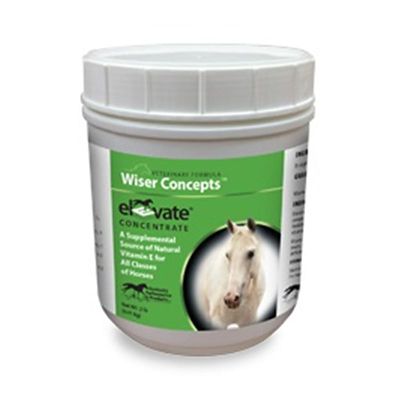
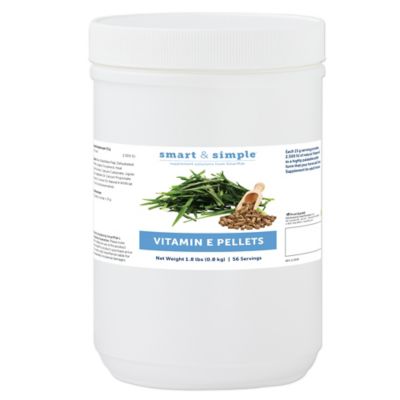
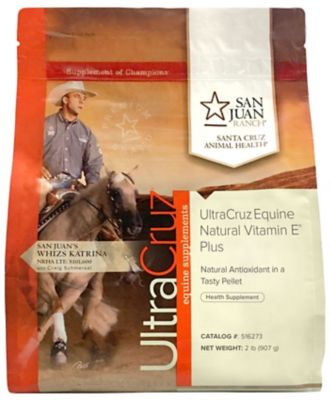
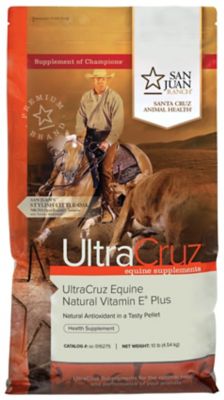
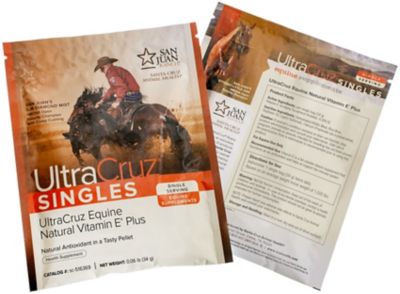
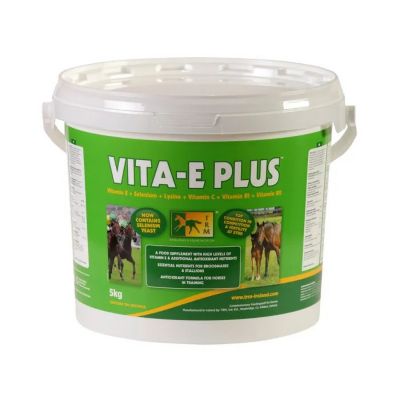
Natural vitamin E supplements come in several feed-friendly forms, including liquids, powders and pellets, and the best fit often comes down to how a horse eats and how the barn handles daily feeding. A horse that noses a fine powder to the bottom of the tub may do better with another format, while one accustomed to a small concentrate meal may readily take a measured powder mixed through the feed according to label directions. Liquids can be convenient for measured portions, and
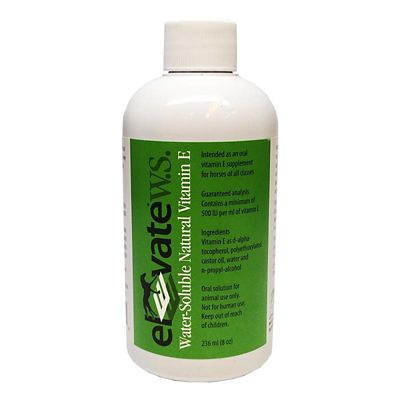
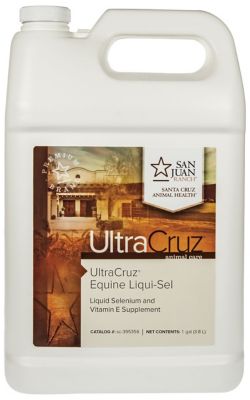
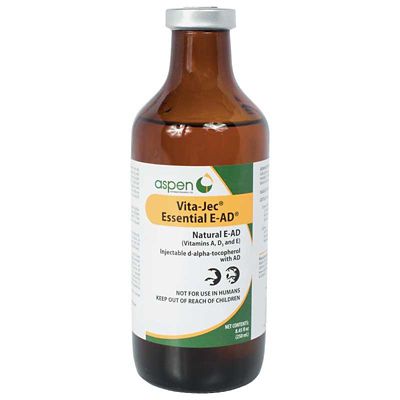
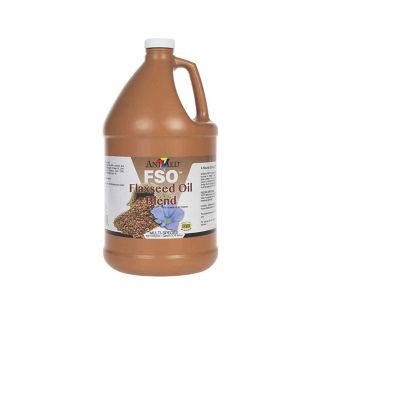
Horse Liquid Feed Supplements offer another format to consider when planning a feeding routine. Some vitamin E liquids contain oil, while others use water-dispersible formulations; these are not interchangeable descriptions, and their absorption characteristics can differ. Horses with particular digestive concerns or a veterinarian-confirmed deficiency may need more attention to formulation than a straightforward comparison of liquid versus powder. Label terms such as d-alpha-tocopheryl acetate identify an ester form of natural vitamin E, so the full ingredient description provides more information than the word “natural” alone. Concentration matters just as much as format. Vitamin E content is commonly expressed in international units, or IU, and the amount per scoop, ounce or other labeled serving can vary considerably. A small serving of one formula can provide a different amount from a larger serving of another, making scoop size a poor stand-in for nutrient content. Clear serving directions and a suitable measuring tool help keep the routine consistent, especially when several people share feeding chores. Flavor, texture and carrier ingredients also deserve attention for picky eaters or horses on restricted diets. Package design has a practical role, too: a bottle that pours cleanly or a container with a secure lid can make feed-room handling easier. Storage directions should stay part of the routine, since vitamin E can deteriorate with exposure to light, oxygen and improper storage. Keeping containers closed and following the labeled storage and shelf-life directions helps preserve the supplement’s intended nutrient content.
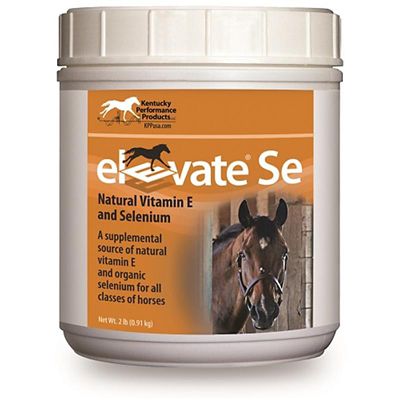
Choosing natural vitamin E for horses also means looking at what comes along with it. Some formulas provide vitamin E alone, while others combine it with selenium or additional nutrients intended to support muscle health. Selenium is an essential mineral, but excessive intake can be harmful, so a combination formula deserves a careful look alongside the selenium already present in forage, feed and other supplements. Vitamin E needs and selenium needs are not automatically the same, and adding one should not mean adding the other without a reason. The same whole-ration thinking applies when a horse receives several products for different purposes. A joint supplement, fortified feed and muscle-support formula may each contribute nutrients that are easy to overlook when they are measured into separate scoops. For a boarding barn, written feeding directions tied to each horse can help prevent mix-ups; for a small home barn, a consistent measuring spot and clearly identified containers can make chores simpler. Supplements belong in the horse’s individual feed rather than a shared tub when the goal is a known daily intake. A horse that leaves part of a meal behind may also leave part of the supplement behind, which is worth considering before assuming the labeled serving has been consumed. When deficiency is suspected, a veterinarian may recommend blood testing and follow-up testing to assess vitamin E status and the response to a feeding change. Unexplained weakness, muscle problems or changes in coordination call for veterinary attention rather than a supplement trial on their own. For everyday nutritional support, the aim is a feeding routine that suits the horse, not the largest number on the label. A suitable natural vitamin E supplement fits alongside forage, balanced nutrition and regular care, with a form the horse will eat and directions the people doing chores can follow consistently.