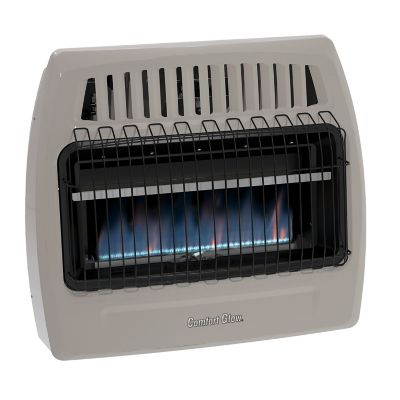
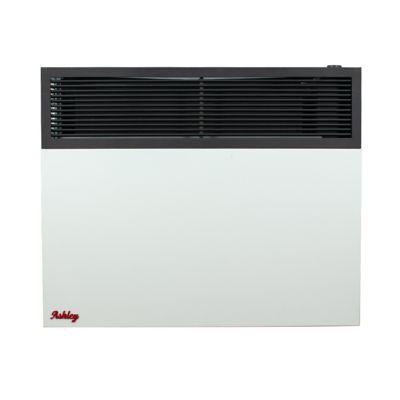
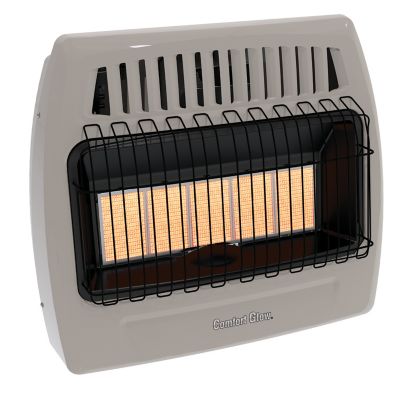
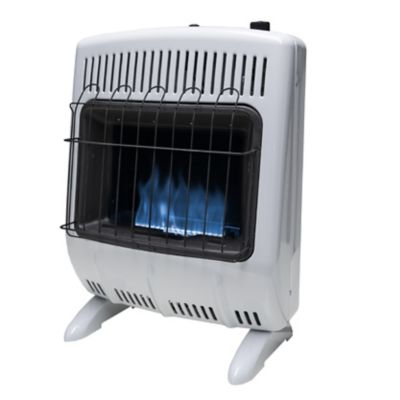
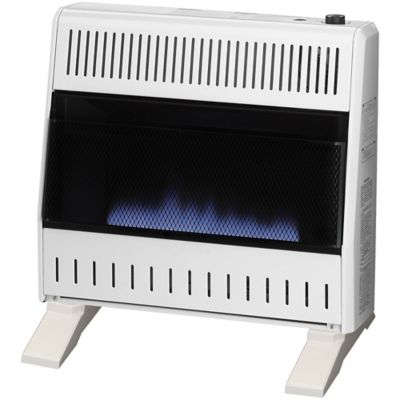
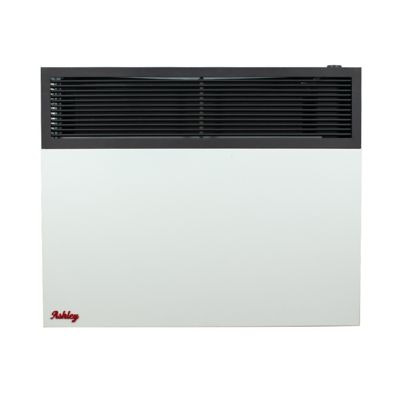
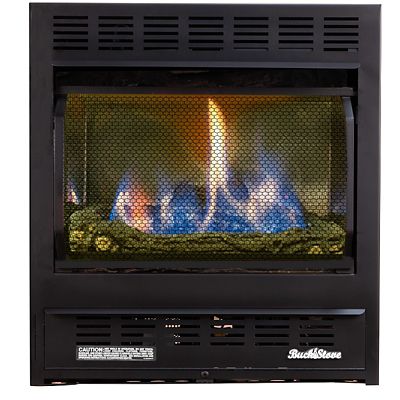
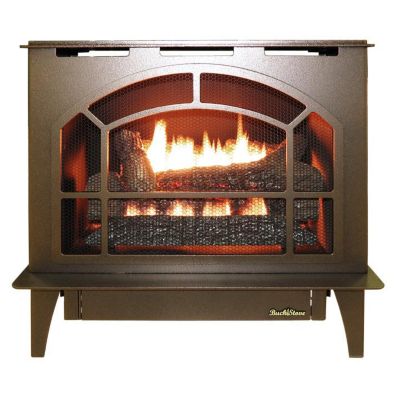
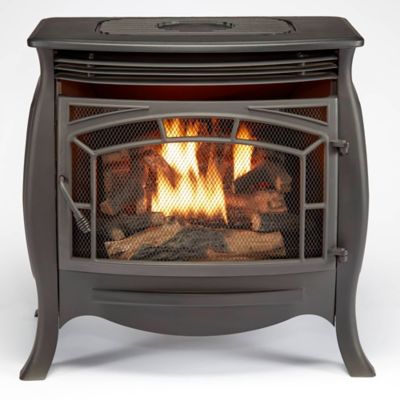
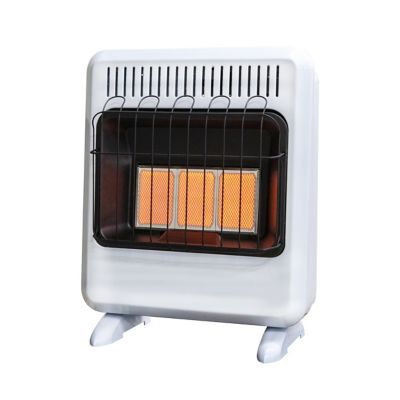
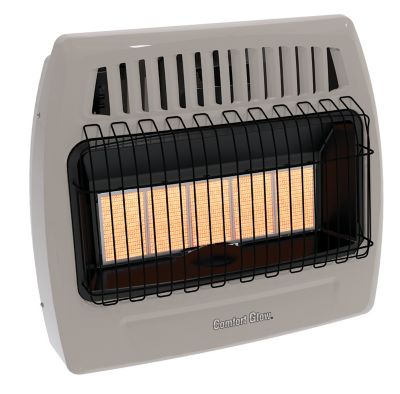
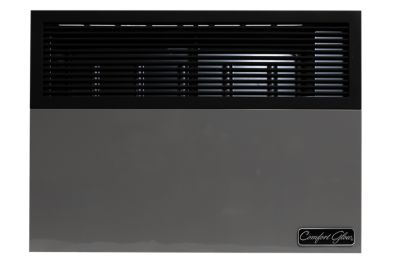
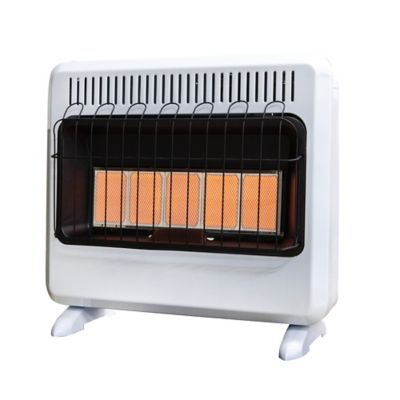
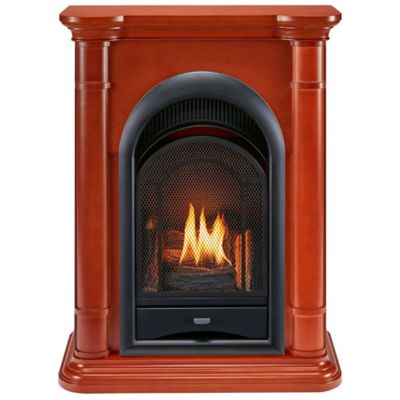
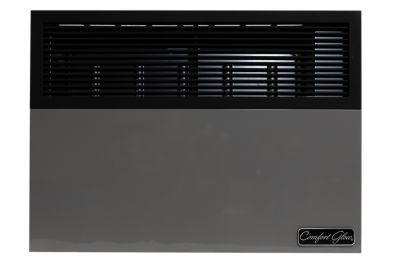
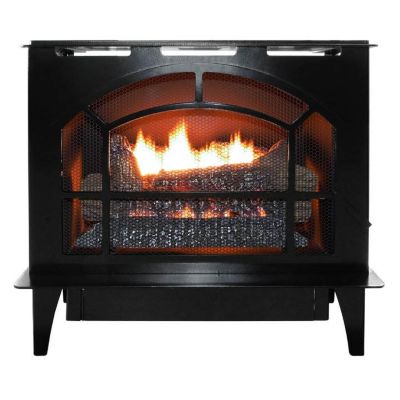
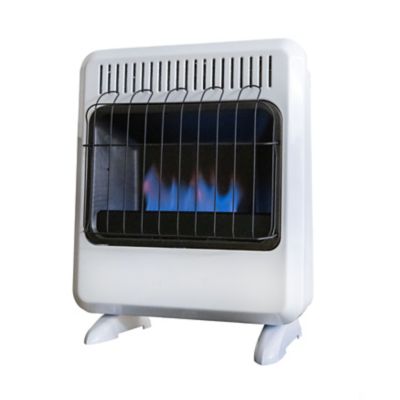
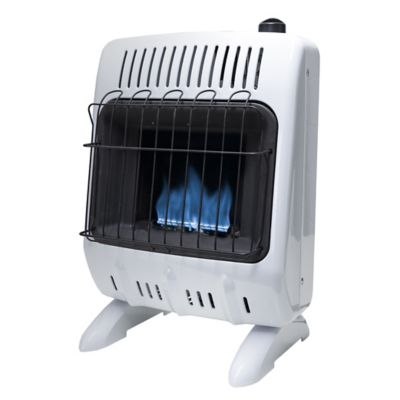
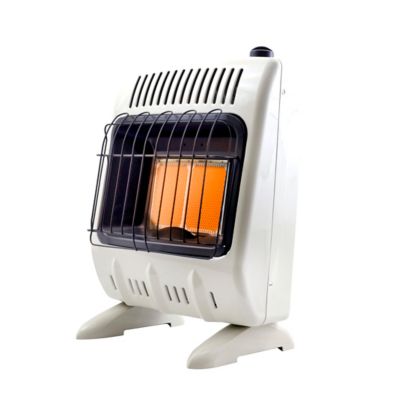
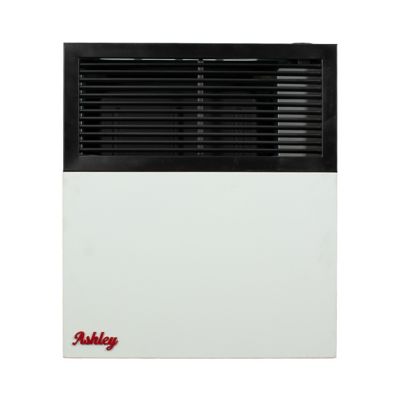
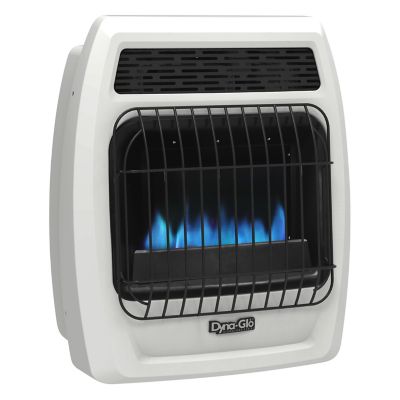
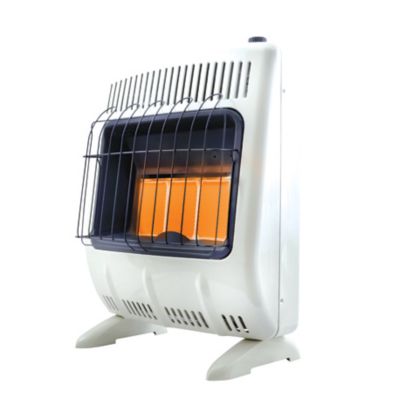
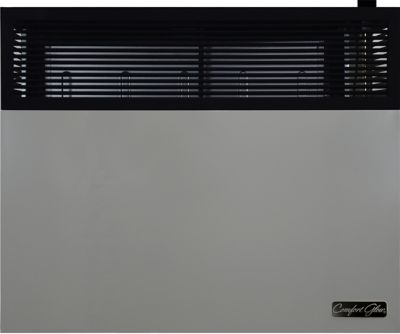
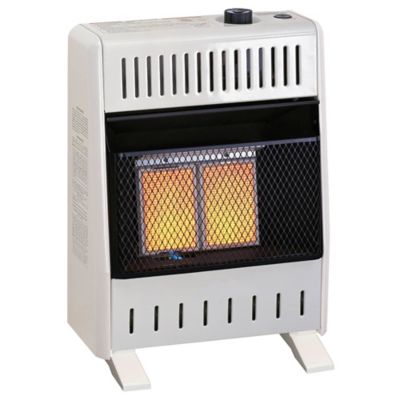
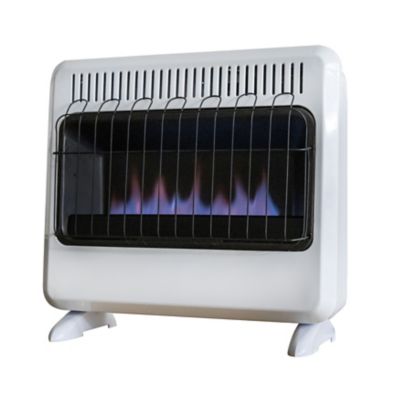
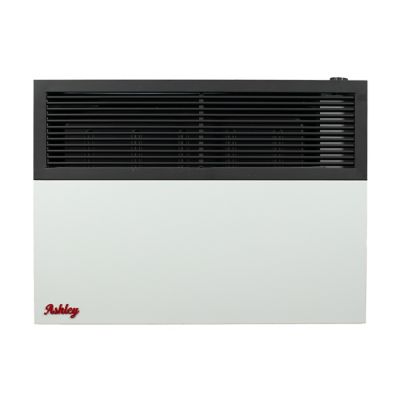
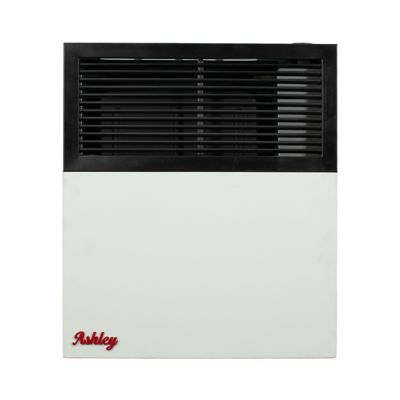
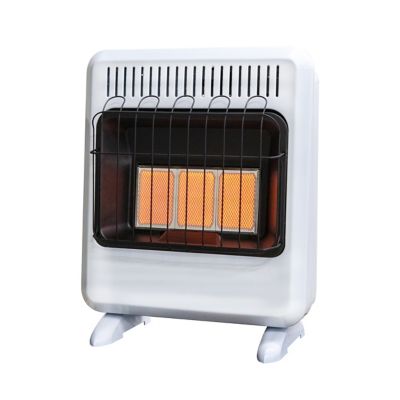
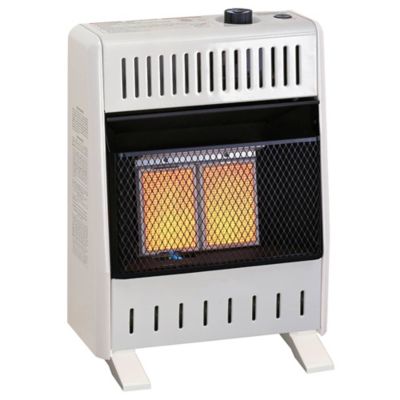
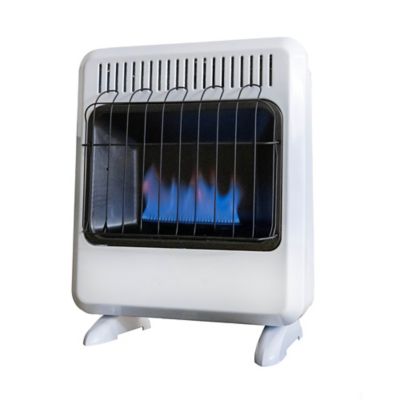
Natural gas wall heaters with thermostat controls bring steady warmth to a room without taking up the floor space needed for boots, benches and everyday traffic. Connected to a natural gas supply, these heaters burn fuel to produce heat, while a thermostat adjusts burner operation in response to the temperature near its sensor. That means less fiddling with the controls as a chilly morning gives way to a milder afternoon. Depending on the design, the thermostat may cycle the burner on and off or vary its output to maintain the selected setting. Some controls have a numbered temperature dial rather than a display showing degrees; others offer a specific temperature setting or work with a compatible wall thermostat. Those differences matter in daily use, especially in a room where people settle in for several hours. A heater for a den, enclosed porch or addition needs approval for that location, along with proper installation and enough heating capacity for the space. Many wall heaters provide supplemental heat, taking the edge off a room that stays cooler than the rest of the house. Others are intended for different heating duties, so the appliance rating and installation manual determine the right application. Radiant designs warm people and nearby surfaces directly, which can feel welcome beside a sitting area after outdoor chores. Blue-flame convection designs primarily warm the surrounding air, helping heat circulate through the room. A blower, when included or approved as an accessory, can help distribute that warmth, though its sound and electrical needs deserve consideration. Neither heating style replaces the need for a properly sized appliance. For households with natural gas service, a wall-mounted heater can make sense where a permanent heating connection fits the building and the routine. It is not a portable appliance to move from room to room, and the thermostat controls comfort rather than making every location suitable for installation.
The biggest distinction among natural gas wall heaters is how they handle combustion air and exhaust. Direct-vent wall heaters draw combustion air from outdoors and discharge exhaust outdoors through an approved vent system, keeping the combustion circuit separate from room air. Their installation depends on an appropriate route through an exterior wall and the required distances from windows, doors and other building features. Other vented designs may have different venting requirements, so “vented” and “direct-vent” are not interchangeable descriptions. Vent-free heaters, also called ventless heaters, discharge combustion byproducts and water vapor into the room rather than through an outdoor exhaust vent. That arrangement makes room volume, ventilation, moisture and local restrictions especially important. For a closer look at that category,
Ventless Gas Heaters With Thermostat covers heaters with temperature controls and a vent-free design. These appliances are not permitted in every location, and restrictions can apply to particular rooms as well as entire jurisdictions. Approval under local code and the manufacturer's instructions comes before convenience. An oxygen depletion sensor, commonly found on vent-free heaters, shuts off the gas supply when it detects conditions associated with reduced oxygen at the pilot. It is not a carbon monoxide detector and does not replace working carbon monoxide alarms, ventilation or regular service. Vent-free operation also adds moisture indoors, a consideration in a tight house where windows already collect condensation during cooler weather. Direct-vent equipment sends combustion moisture outside, although indoor humidity still depends on the building and everyday activities. A qualified installer can assess the room, gas supply and venting requirements before a heater goes on the wall. Bedrooms, bathrooms, garages and sleeping spaces can carry additional limitations, and a room's familiar name alone does not establish that a heater belongs there. Any space containing gasoline, solvents, combustible dust or flammable vapors needs particular scrutiny; an ordinary household wall heater should never be assumed suitable for a working barn or shop.
Heating capacity is usually expressed in British thermal units per hour, often shortened to BTU or BTU/hr. Input ratings describe fuel energy entering the appliance, while output ratings describe heat delivered; those figures are not always the same. Square-footage estimates offer a starting point, but tall ceilings, insulation, outdoor temperatures, window area and drafts all affect how much heat a room needs. A snug sitting room with a low ceiling has a different heating load than an addition with broad windows and a door that opens often. Too little capacity can leave the burner running without reaching a comfortable temperature, while too much can lead to frequent cycling and uneven comfort. A heat-loss assessment provides a better basis for sizing than floor area alone. Physical fit matters just as much: cabinet width, depth and height must work with the wall, and required clearances must remain open around furniture, curtains and trim. Mounting hardware needs the support specified by the manufacturer, not just a convenient patch of drywall. Many heaters have metal cabinets, protective grilles and finishes intended to handle normal operating temperatures; radiant versions may also contain ceramic heating elements. These parts still need protection from bumps, corrosion and blocked airflow. A grille is not a cool-touch guarantee, particularly around children and pets. Everyday care generally includes keeping air openings clear and removing surface dust only after the heater is off and cool, following the manual. Burner, pilot, safety-control and vent inspection belong with a qualified service professional at the recommended intervals. Natural gas compatibility, supply pressure and connection requirements also need confirmation; propane and natural gas appliances are not interchangeable without an expressly approved conversion. Some wall heaters can provide basic heat without household electricity, but electronic ignition, powered venting, digital controls or blowers may require power. Outage operation therefore depends on the entire appliance design, not simply its fuel source. With the right capacity, permitted placement and accessible controls, a thermostat-equipped wall heater can help keep an everyday room comfortable through the cooler months without crowding the floor.