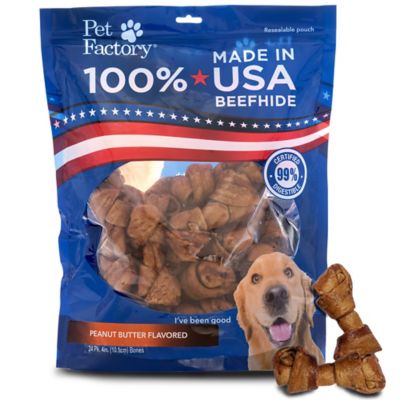
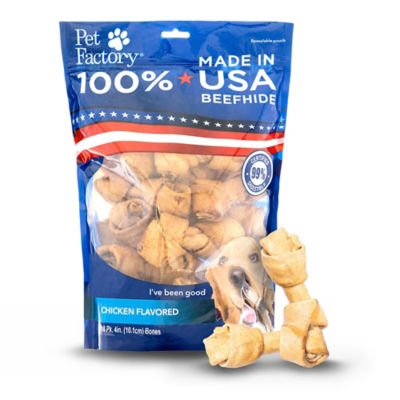
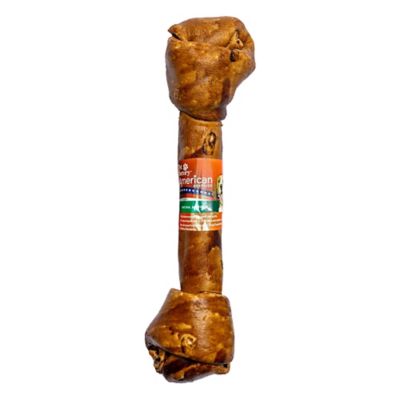
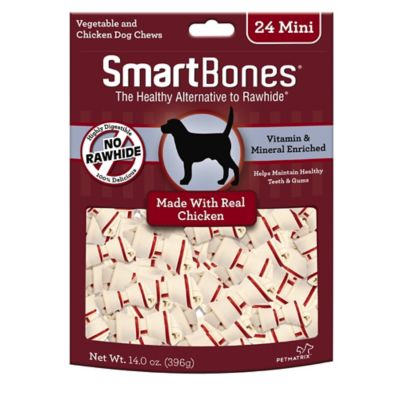
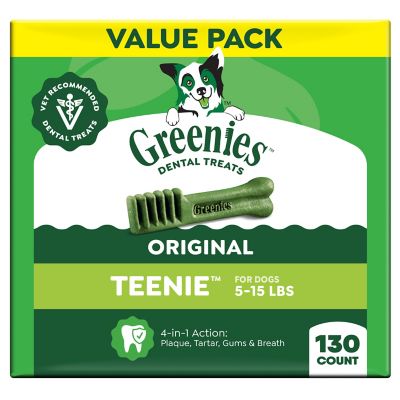
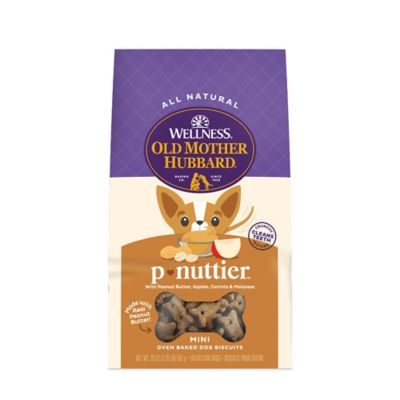
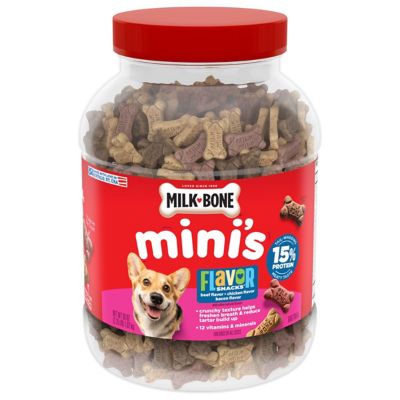
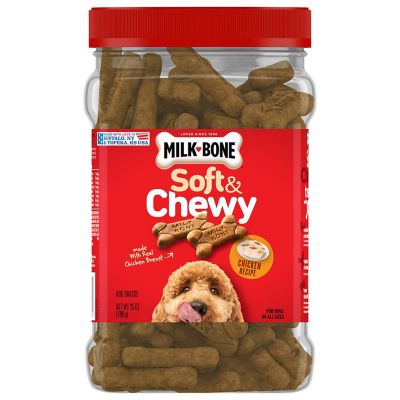
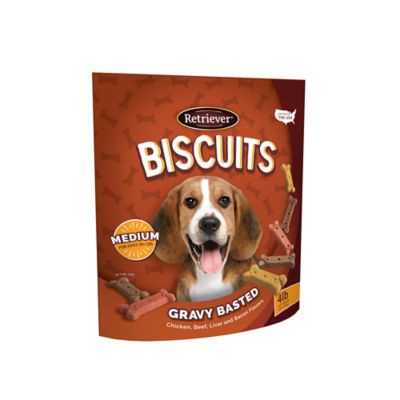
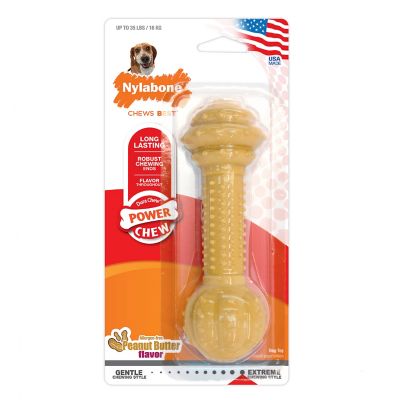
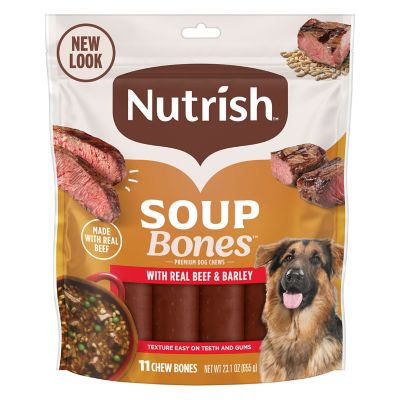
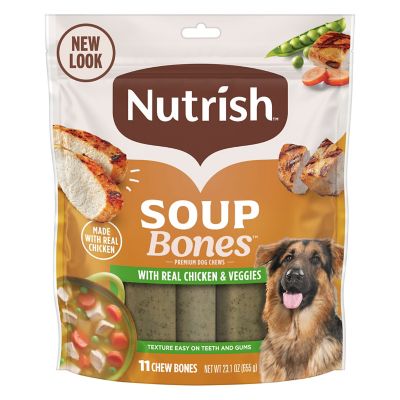
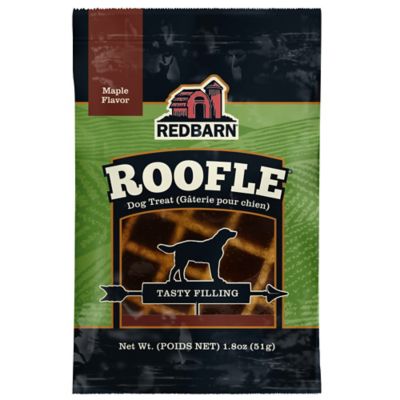
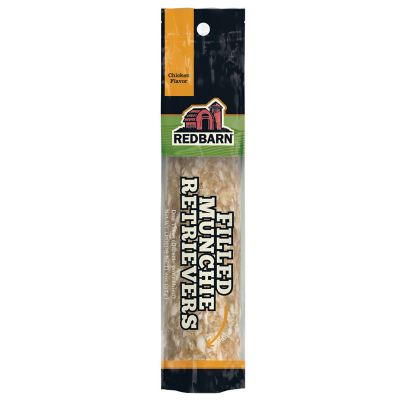
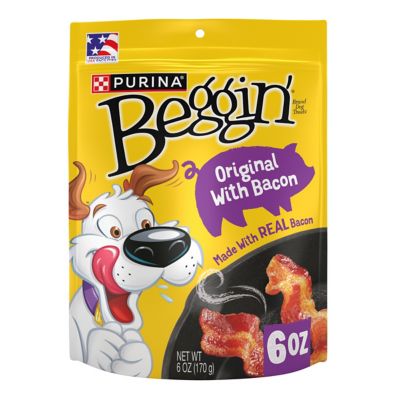
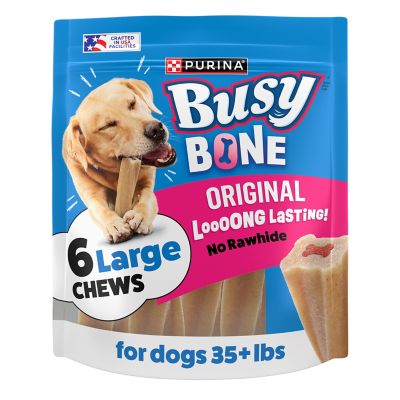
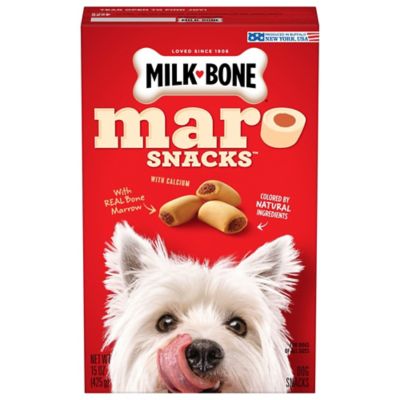
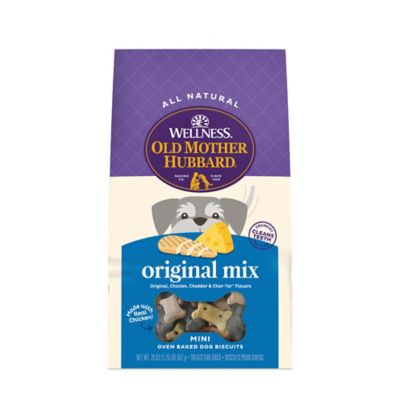
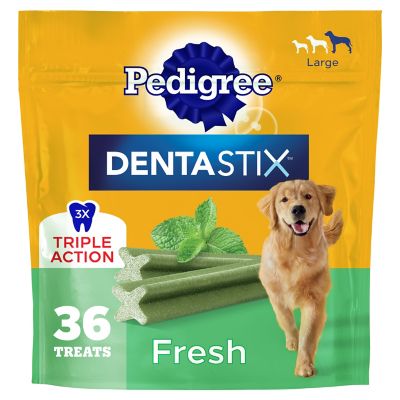
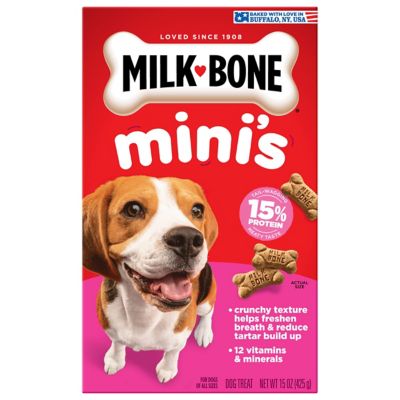
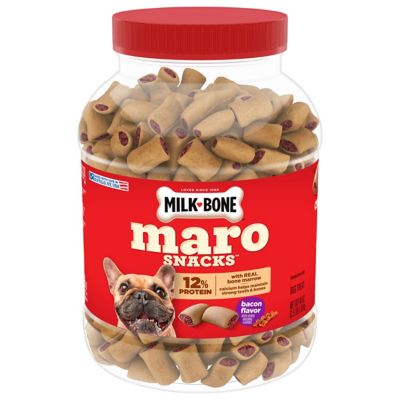
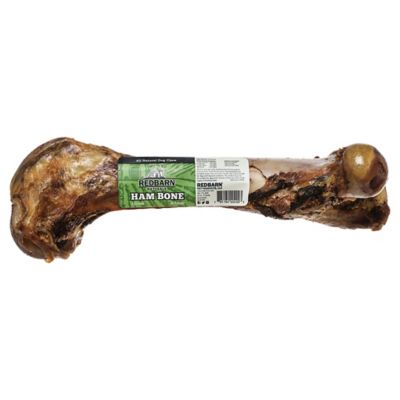
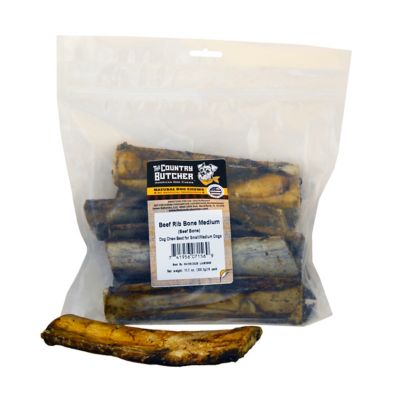
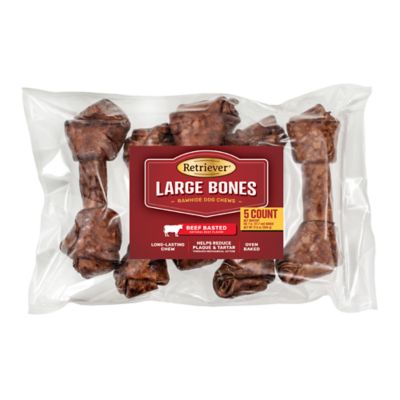
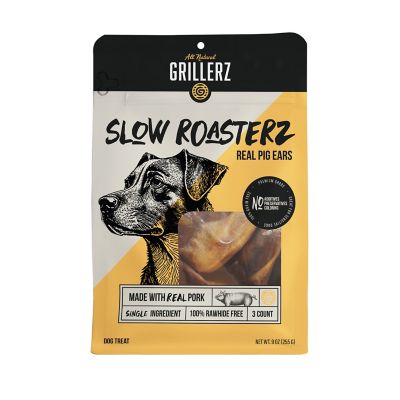
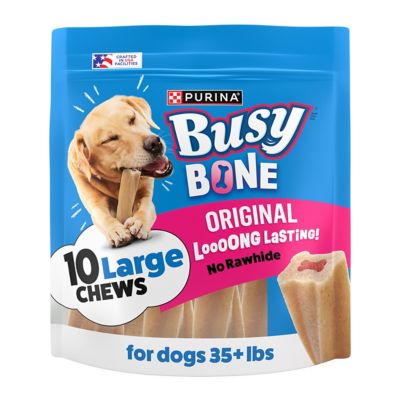
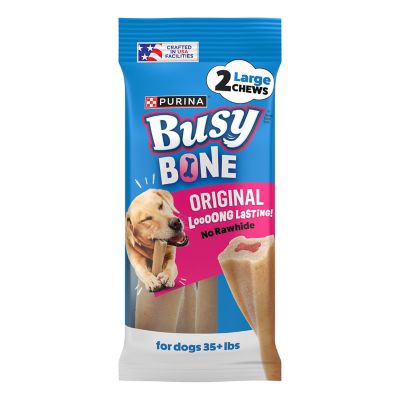
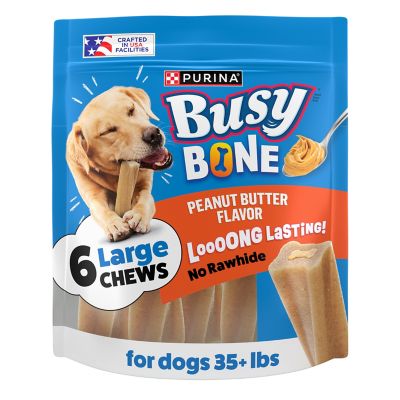
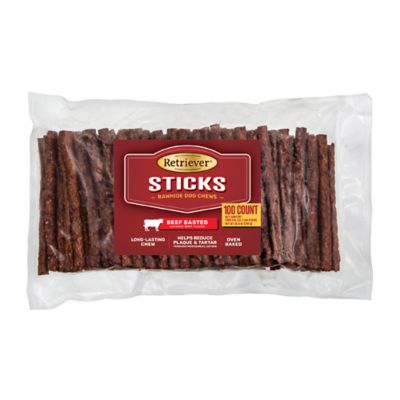
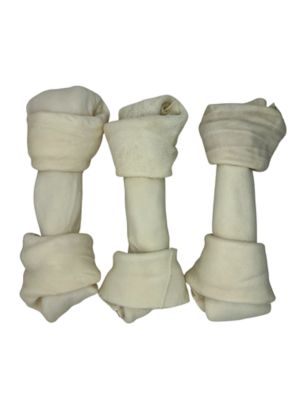
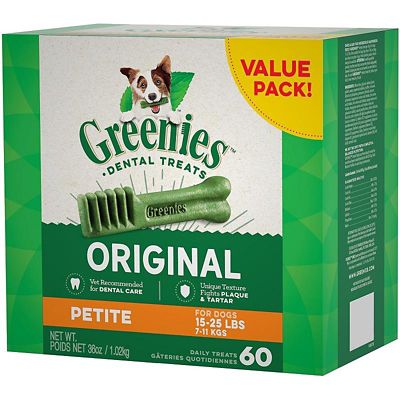
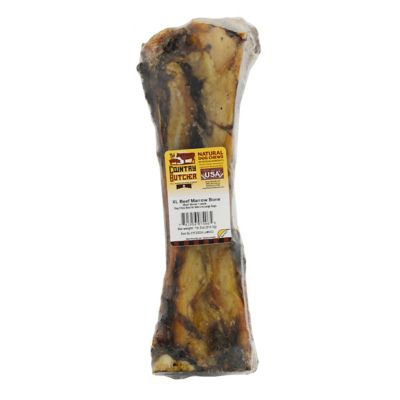
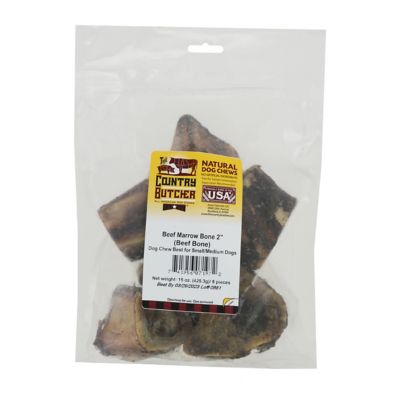
Flavored dog bones give dogs a taste they enjoy along with an outlet for their natural urge to chew. The category covers several different types of treats and chew toys, from edible, bone-shaped snacks to filled animal bones and flavored synthetic chews. That distinction matters: some are meant to be eaten, while others are made for gnawing and should never be swallowed. Beef, bacon, chicken, and peanut butter are familiar flavor choices, with some recipes combining a savory outer layer and a softer filling. Flavor may come from the ingredients themselves, a coating, an inner filling, or flavoring incorporated into a chew’s material. A bacon-flavored chew, for example, does not necessarily contain the same ingredients as a meat-based treat, so the ingredient list tells more than the flavor name alone. Texture varies just as much. A crumbly biscuit shaped like a bone offers a different experience from a flexible edible chew or a firm nylon bone. For a dog resting on a mat beside the kitchen table, an appropriately sized chew can become part of a supervised settling-down routine. For another dog, a small edible bone may simply be a treat after a walk around the property. Neither shape nor flavor determines how long a chew will last; that depends on its construction and the way the dog tackles it. A patient nibbler may work slowly along the edges, while a determined chomper may try to bite off large pieces right away. The broader selection of
Dog Bone Treats includes other bone-shaped rewards worth considering alongside flavored chews. The most useful distinctions are whether the bone is edible, what it contains, how firm it feels, and which dogs the label says it suits. Those details help separate a quick snack from a chew intended for a longer stretch of supervised activity, without assuming every bone serves the same purpose.
A good fit starts with the dog’s weight, mouth size, age, and chewing habits, not just a favorite flavor. A bone that looks substantial next to a small terrier may be small enough for a large farm dog to gulp, and a heavier chew is not automatically a better match for a strong jaw. Follow the package’s size and life-stage recommendations, and choose a shape the dog cannot fit entirely into its mouth. Puppies with developing teeth, older dogs with dental trouble, and dogs that bite down hard need particular care when it comes to firmness. Very hard animal bones and rigid synthetic chews can fracture teeth; real bones can also splinter, and swallowed fragments can cause choking or digestive blockages. A label describing a chew as long-lasting does not make it risk-free. Dogs with a history of broken teeth, gulping treats, or swallowing objects need a veterinarian’s input before getting a bone or similar chew. Materials bring other differences, too. Rawhide chews are made from animal hide and can pose a choking or blockage risk if a dog tears off and swallows large pieces. Rawhide-free options vary widely in their ingredients and behavior during chewing, so that phrase alone does not establish digestibility or safety. Edible starch-based chews, meat-based treats, and filled bones each call for a look at the full label. For a dog with a poultry sensitivity, choosing a beef flavor is not enough; chicken ingredients may still appear elsewhere in the recipe. Fillings and coatings can also add calories and fat, which matter for dogs on weight-management plans or restricted diets. Treats generally should account for no more than 10 percent of daily calories, with the rest coming from complete and balanced food unless a veterinarian advises otherwise. Counting the calories from an edible bone, including its filling, helps keep a rewarding chewing routine in step with regular meals.
Everyday handling makes a difference once a flavored dog bone becomes part of the household routine. The best spot is somewhere the dog can settle while a person stays close enough to notice cracking, heavy wear, or an attempt to swallow a chunk. A washable mat on an easy-to-clean floor is practical for bones with fillings or coatings that may leave crumbs or greasy marks. In a home with several dogs, separate chewing spaces can help prevent competition over a favorite treat. Children should give a chewing dog room rather than reaching for the bone, even when the dog is usually easygoing. Supervision means more than being somewhere in the house: it means watching how the chew changes and taking it away when it develops sharp edges, breaks apart, or becomes small enough to swallow. Nonedible flavored bones also need regular inspection, especially at the ends where concentrated chewing can leave rough or damaged areas. Follow the maker’s cleaning directions rather than assuming a synthetic chew can go in the dishwasher or an edible bone can be soaked. Store edible treats as directed, keep their packaging for ingredient and feeding information, and wash hands after handling animal-derived chews. Filled bones may have different storage requirements after opening, so their labels deserve a second look before leftovers go back in the cupboard. There is no set chewing time that suits every dog and every material; package directions, the dog’s response, and veterinary advice are better reference points than a fixed daily schedule. Flavored bones can offer enrichment, but they do not replace exercise, interaction, toothbrushing, or veterinary dental care. Dental benefits should be evaluated separately from flavor, since a tasty coating or bone shape does not establish that a chew helps control plaque or tartar. For someone bringing a treat to a friend’s dog, checking the dog’s size, food restrictions, and usual chew type first is a thoughtful touch. Matching the treat to the dog’s actual habits matters far more than picking the biggest bone or the boldest flavor.