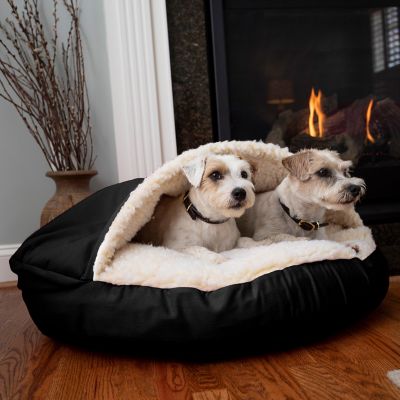
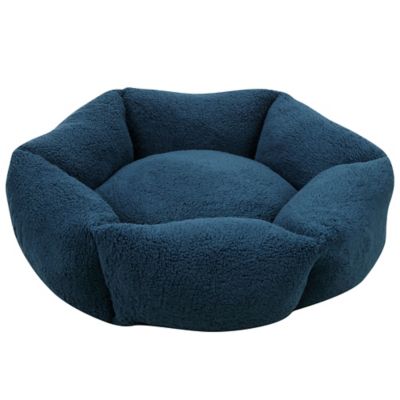
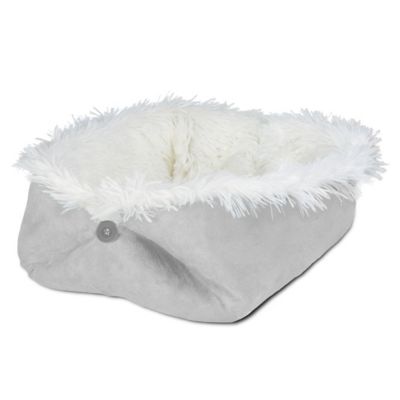
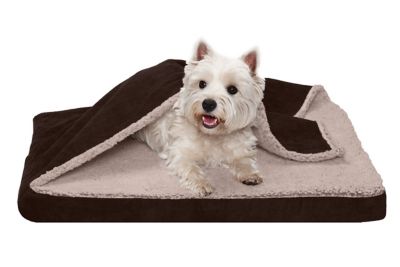
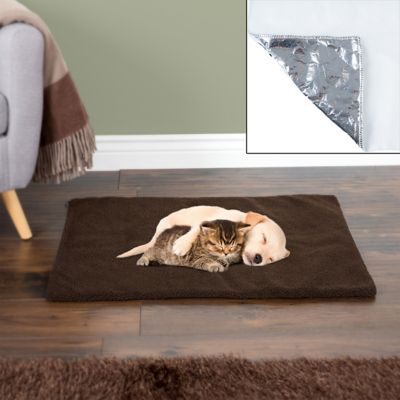
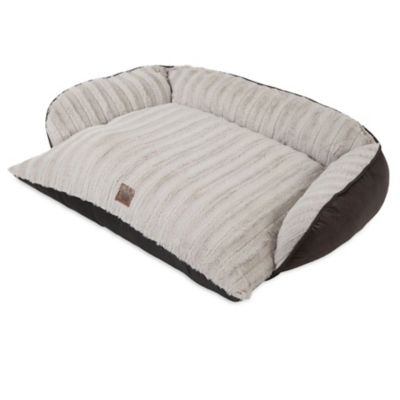
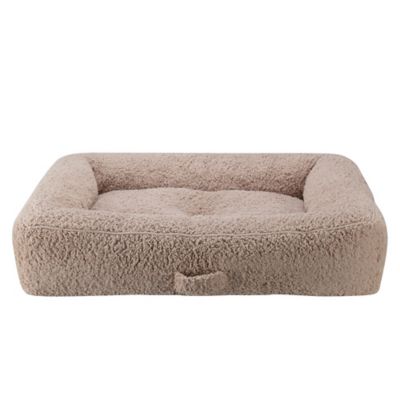
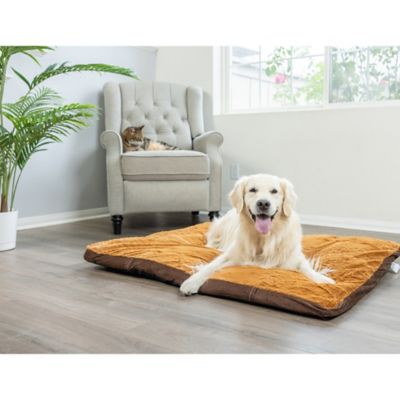
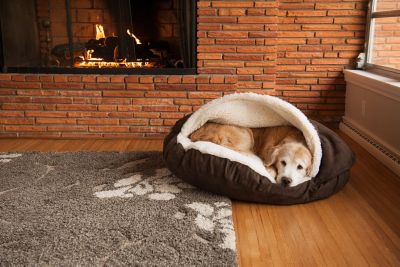
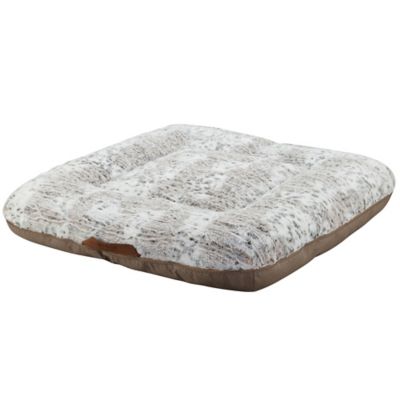
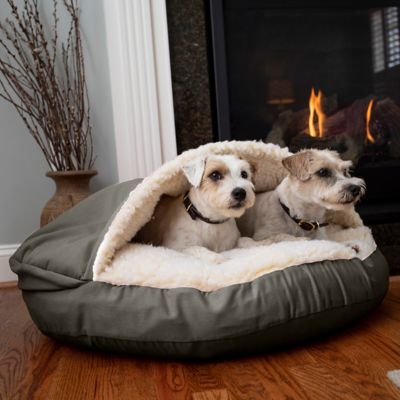
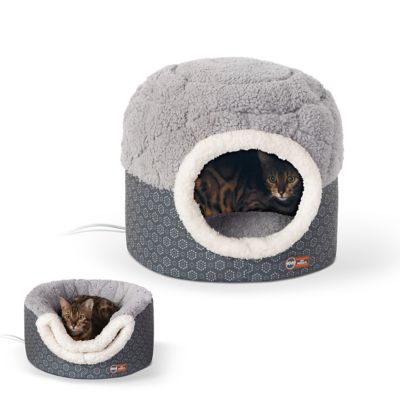
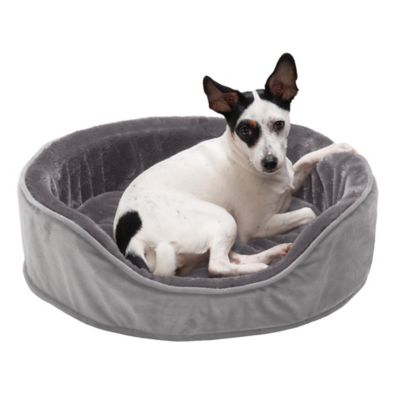
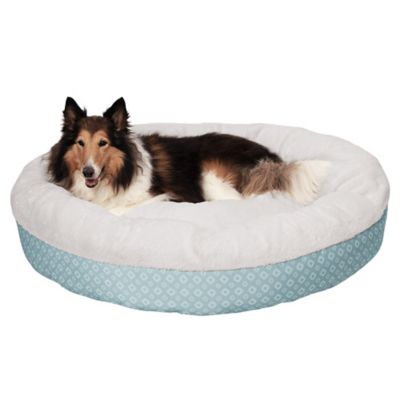
Warm dog beds give dogs a cozy place to settle by holding onto body heat or adding gentle warmth through a pet-specific heating system. That extra comfort can make a difference for a short-haired dog stretched out near a chilly floor, a little dog that likes to burrow, or an older companion resting after a slow walk around the property. The main types include insulated dog beds, self-warming dog beds and electric heated dog beds, with each providing warmth in a different way. Insulated styles rely on cushioning and fabrics that help separate a dog from a cold surface. Self-warming beds typically have an interior layer that reflects some of the dog’s own body heat back toward the sleeping area, without a plug or power cord. Electric styles supply heat through a built-in or compatible heating element and need an appropriate outlet and placement that follows the manufacturer’s directions. Not every dog needs the same amount of warmth, and a thick-coated dog may prefer a lightly padded mat over a deep, enclosed nest. Sleeping habits matter just as much as coat type. Bolster beds give dogs a raised edge for resting their heads, while round, nest-style beds suit dogs that tuck their noses beneath their tails. Flat mats leave more room for sprawling, and cave-style designs offer a covered space for dogs that naturally seek out blankets. A warm sleeping spot can be especially welcome after a damp walk or a trip across a frosty yard, once a dog has been towel-dried. Indoors, a bed beside the family’s favorite chair lets a dog stay close without bedding down directly on the floor. Warmth should remain a choice, though, with room to move onto a cooler surface whenever needed. These beds provide a comfortable resting place; they do not replace proper shelter, and added heat is not a substitute for veterinary care when a dog seems unusually cold, stiff or reluctant to move.
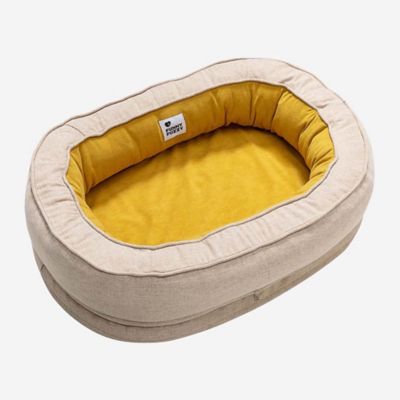
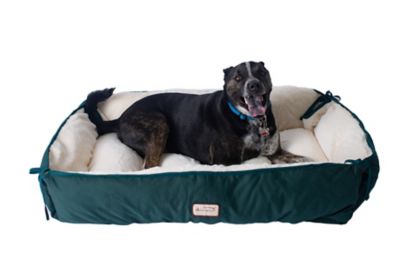
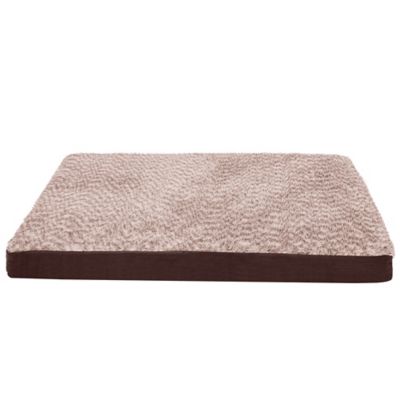
Fit and construction determine whether that cozy spot feels inviting beyond the first nap. A bed’s outside measurements do not always show how much sleeping space it provides, especially when thick bolsters take up part of the surface. The useful measurement is the area where the dog can actually lie down in a normal sleeping position. A long-legged dog that sleeps sideways needs room from nose to stretched-out paws, while a compact sleeper may feel more settled with a closer-fitting edge. Weight guidance also matters because cushioning that supports a small terrier may flatten beneath a broad-chested farm dog. Foam bases, including orthopedic foam, can offer a more even resting surface, while loose-filled cushions tend to feel softer and more nestlike. For older dogs, a low entry makes stepping onto the bed easier than climbing over a tall rim. Support and warmth serve different purposes, so a heated surface alone does not tell the whole story about comfort. The cover brings another set of practical differences. Fleece and faux fur have a soft feel that appeals to dogs that nuzzle into their bedding, while smoother woven fabrics can make it easier to brush away hair and dried dirt. Long fibers may hang onto burrs after a walk along a fence line, and deep seams can collect crumbs from a bedtime treat. Removable, machine-washable covers make routine cleanup simpler when the care label allows it. Some beds have washable cushions, but foam inserts, reflective layers and electrical components may need separate care. A water-resistant liner can help protect the filling from damp paws or an occasional accident, although water resistance does not mean the whole bed can be soaked. Strong seams, covered zippers and a base that resists sliding are worth considering for everyday wear. No fabric or cord covering makes a bed chew-proof, so dogs that pull apart bedding need closer supervision and a sleeping setup suited to that behavior.
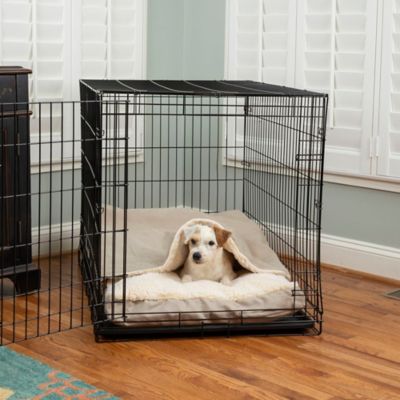
Placement helps a warm dog bed do its job without getting in the way of everyday life. A quiet corner away from a frequently opened door gives a dog a place to rest without every trip to the feed room interrupting a nap. On smooth flooring, a nonslip backing can help keep the bed steady as a dog steps in or stands up. In a crate, the bed should fit the floor space without bunching against the sides or blocking the door, and any heating feature must be suitable for that setting. Electric heated dog beds need particular attention to the label: indoor and outdoor ratings are not interchangeable, and a covered porch or outbuilding can still expose bedding and connections to moisture. Pet heating systems should operate only as directed, with cords positioned out of reach of chewing and away from spots where they could be pinched or tripped over. A protective cord covering reduces exposure but does not make chewing safe. Frayed wiring, loose connections or damage to the heating insert mean it is time to stop operating the bed. Extra blankets or thick padding can trap heat around some heating elements, so layers belong on an electric bed only when its instructions allow them. Dogs with limited mobility need special consideration because they may have trouble moving away from warmth; a veterinarian can help assess whether added heat is appropriate. For a simpler setup, a cord-free, self-warming bed can move between quiet indoor resting spots without needing an outlet. Color matters in a busy household, too. A
Brown Dog Bed can sit comfortably alongside wood furniture and earth-toned rooms, though color never replaces regular washing. For someone welcoming a new dog or making an older companion’s favorite corner more comfortable, a well-fitting warm bed can also be a thoughtful gift. The best match brings together the dog’s sleeping style, manageable care and the right level of warmth for the place where that dog settles down.