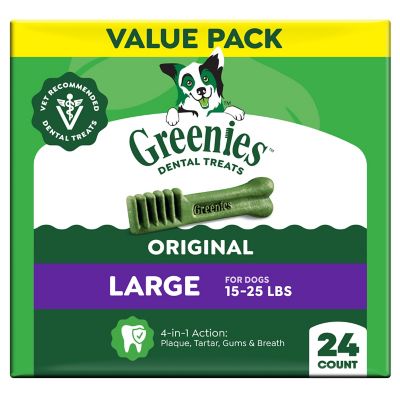
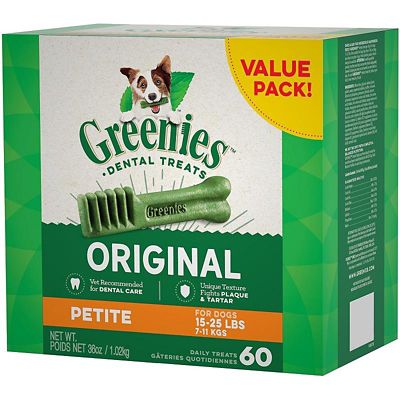
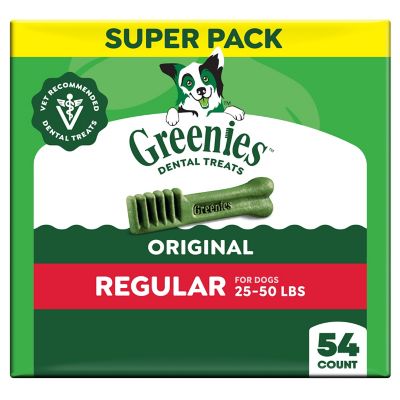
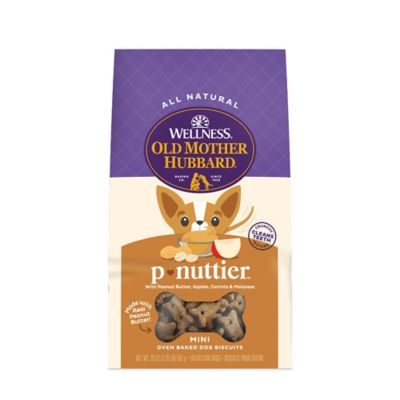
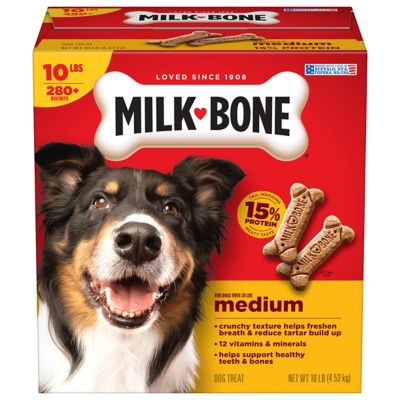
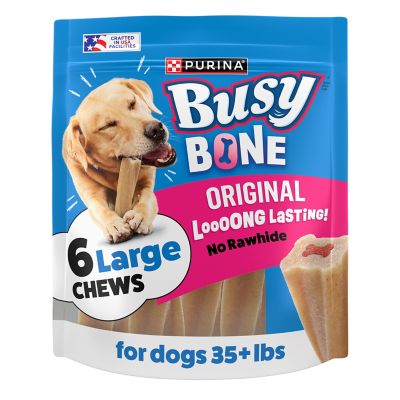
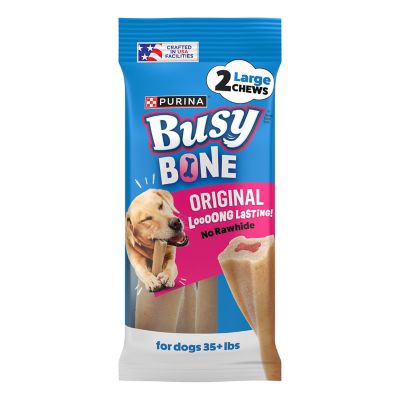
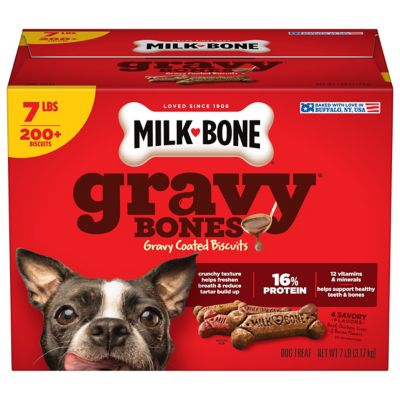
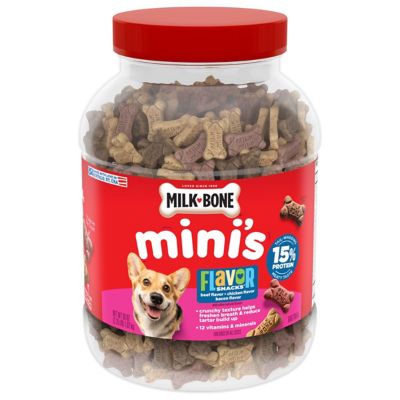
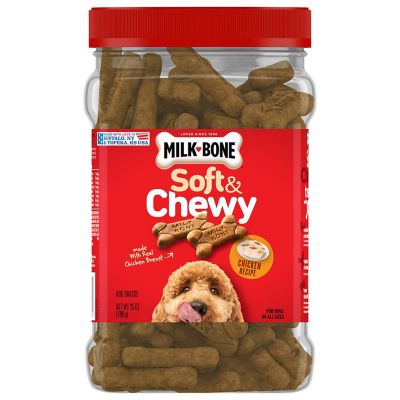
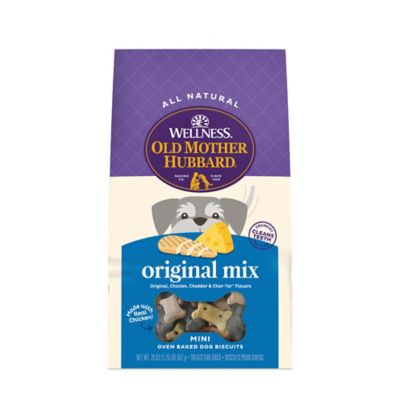
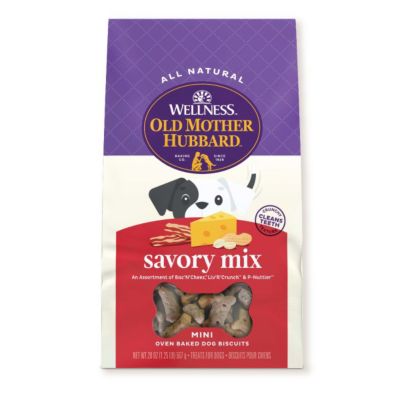
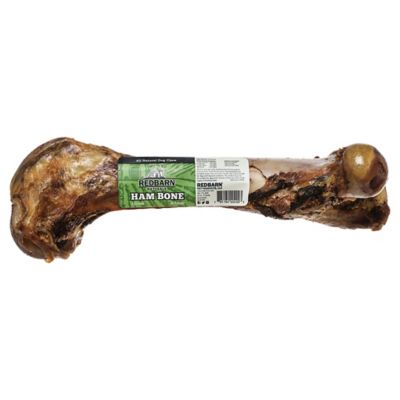
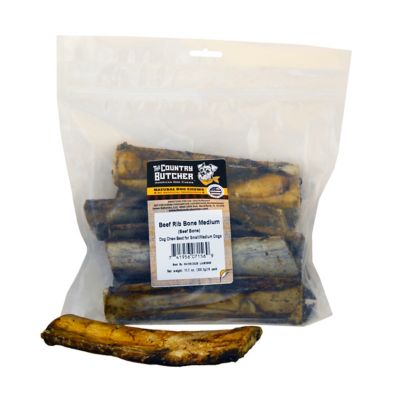
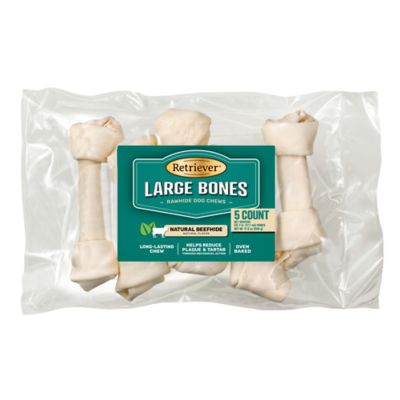
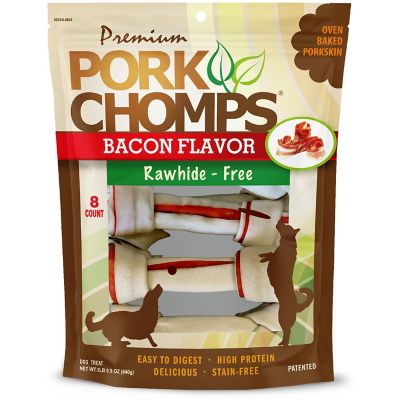
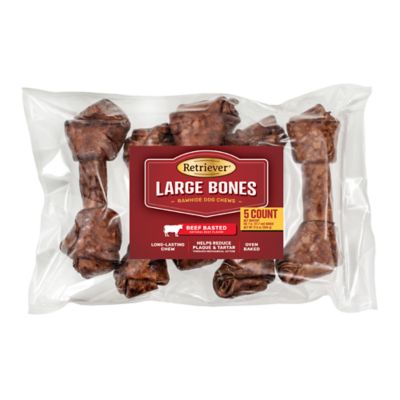
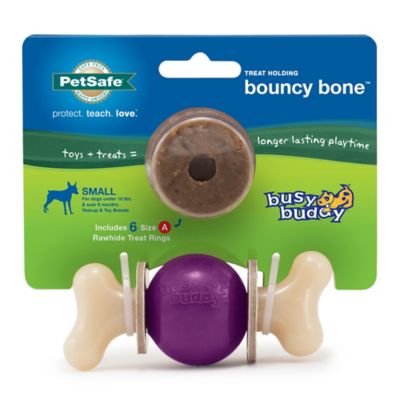
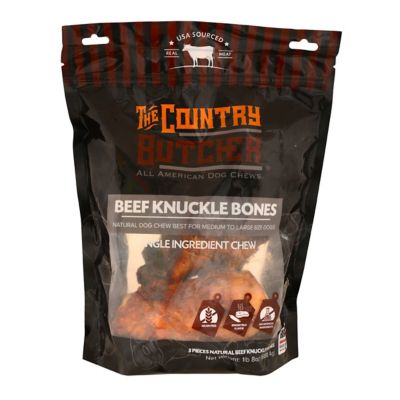
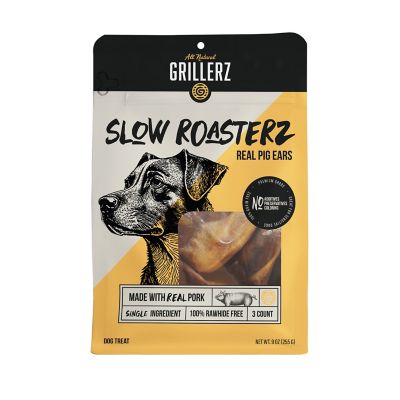
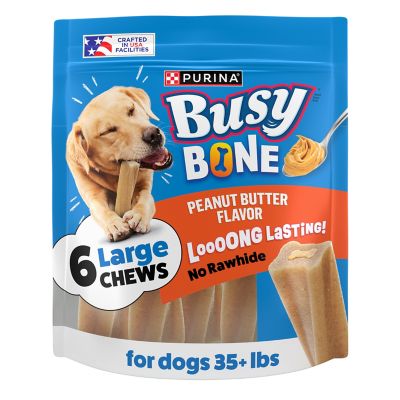
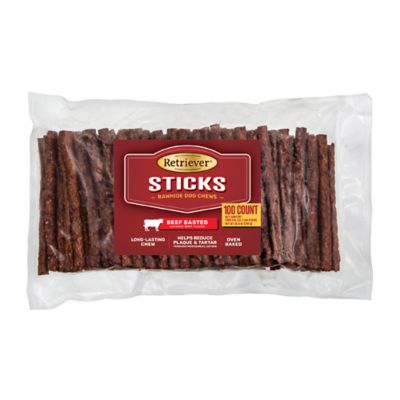
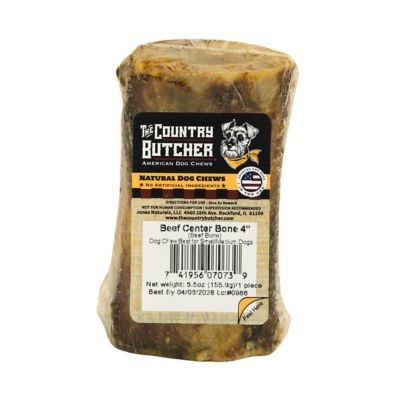
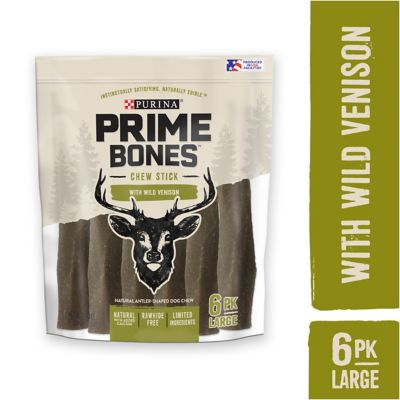
Dog bone treats give dogs a tasty way to satisfy their natural urge to chew while adding a little enjoyment to the everyday routine. Some are crunchy baked biscuits made for quick rewards, while others are softer, layered, or filled chews that keep a dog busy for longer. Edible bones may be made with ingredients such as meat, poultry, peanut butter, vegetables, grains, or other flavorings, and some include added vitamins and minerals. Harder chews can provide more time for gnawing, while smaller biscuits work well for training, settling into a kennel, or simply marking a good moment with a familiar favorite. The right choice depends on your dog’s size, chewing style, age, and dietary needs. A small dog may need a treat that is easy to carry and bite, while a large or powerful chewer generally needs a larger, sturdier option designed for that level of use. Always check the package for feeding directions, ingredients, calorie information, and size recommendations. Treats should complement a complete diet rather than replace regular meals, and fresh water should be available whenever your dog enjoys a chew. For dogs with food sensitivities, allergies, dental concerns, or other health conditions, ingredient lists matter even more, and your veterinarian can help you choose suitable options.
Chewing can be useful enrichment for dogs that spend time indoors, relax in a crate, or need something constructive to do while the household is busy. The steady crunch of a biscuit or the slow work of a chew may help ease boredom and give a dog an appropriate outlet instead of turning to shoes, furniture, fence boards, or the corner of a well-loved rug. Many owners recognize the scene: a dog carries a bone from the kitchen to the porch, circles twice on a favorite blanket, and settles in with the contented sound of gentle gnawing. Chewing also creates friction against the tooth surface, which may help reduce some plaque and tartar buildup, though dog bone treats are not a substitute for brushing, professional dental care, or regular veterinary checkups. Supervise your dog the first time with any new treat, especially if the chew is firm, large, or unfamiliar. Select a size that cannot be swallowed whole, and remove a treat if it becomes small enough to present a choking risk, develops sharp edges, or breaks into pieces your dog cannot safely manage. Dogs with strong chewing habits may need closer supervision than light chewers. Avoid giving a dog a treat intended for a different size range, and keep packages secured away from pets that might help themselves. During the warmer season, outdoor chewing can be a pleasant part of a shaded porch or yard break; when cooler weather brings everyone inside, a long-lasting edible chew can help make quiet time more comfortable.
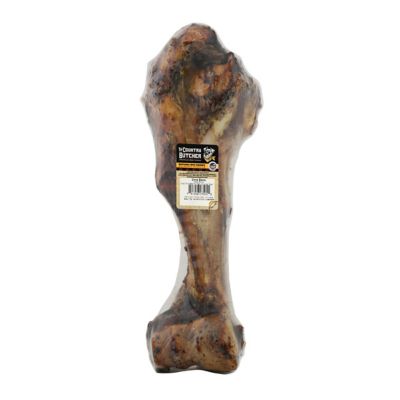
Dog bone treats can also make a thoughtful gift for a friend, neighbor, new puppy owner, or anyone welcoming a dog into the family. A small assortment of textures and flavors can add interest to a dog’s treat jar, while a dependable everyday biscuit is handy for training, visits, grooming appointments, and good behavior around guests. For a dog that loves a challenge, look for a chew suited to extended engagement; for an older dog or one with a tender mouth, a more manageable texture may be a better fit. Natural options are another choice for shoppers comparing ingredients and chewing styles, including
Natural Dog Bones. No matter which kind you choose, match the treat to the individual dog rather than choosing by appearance alone. Consider body size, chewing strength, calorie intake, ingredient preferences, and whether the dog tends to gulp food or take its time. Store treats in a cool, dry place and follow package directions for freshness after opening. A bone treat can be part of a morning reward, a training session in the yard, a peaceful afternoon on the porch, or a cozy evening indoors during the cooler months. With the right size and texture, it offers flavor, enrichment, and a welcome bit of routine for dogs and the people who care for them.