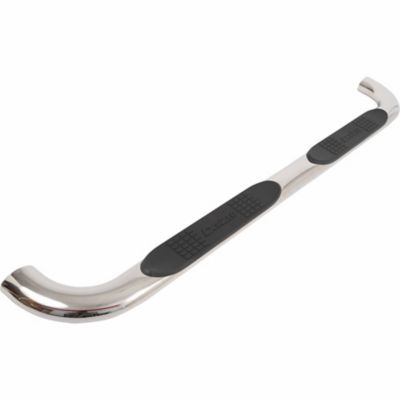
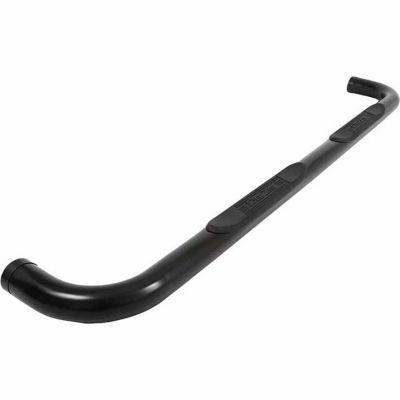
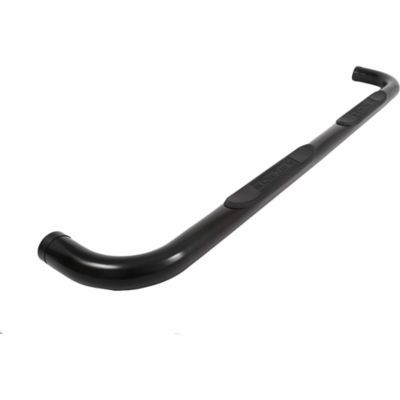
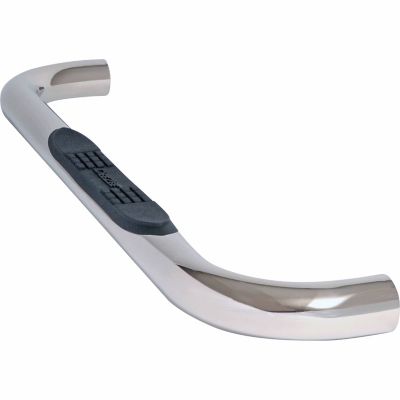
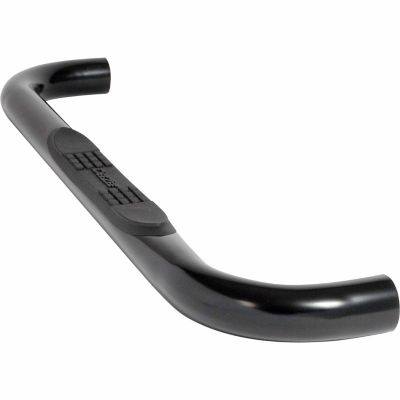
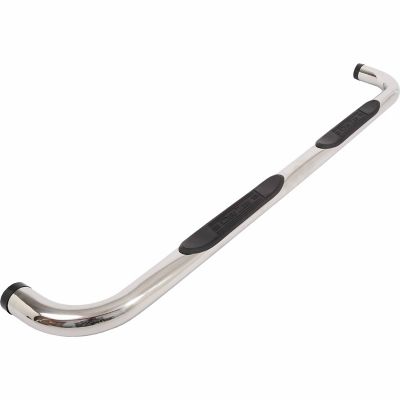
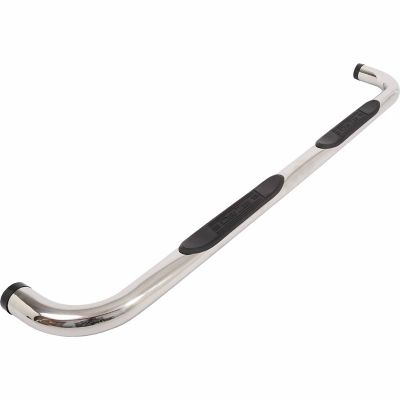
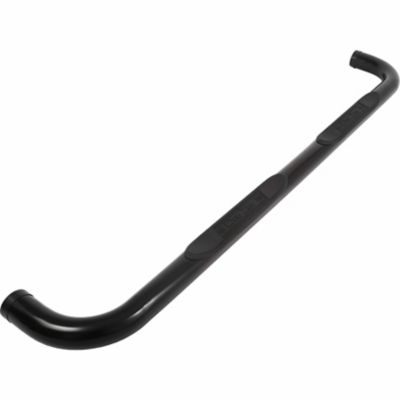
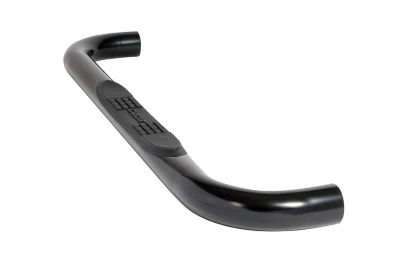
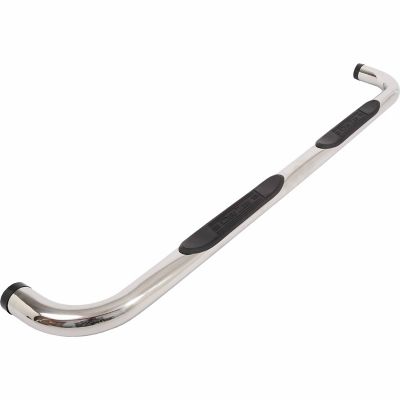
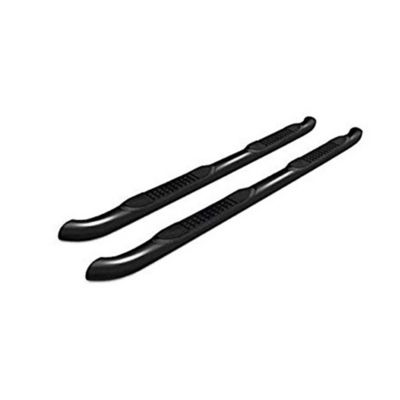
Nerf bars for trucks provide a step below the doors, helping shorten the reach between the ground and the cab. For a pickup that makes regular trips between the pasture gate, feed store and jobsite, that extra foothold can make climbing in and out less of a stretch. Truck nerf bars typically have a tubular body with stepping areas positioned near the door openings. They serve a similar purpose to running boards, though running boards generally have a broader, more continuous platform rather than separate step pads along a tube. The right shape depends on the truck’s height, the space beneath its doors and how passengers enter the cab. Round nerf bars have a straightforward tube profile that suits many work trucks, while oval nerf bars generally provide a wider upper surface. The actual step pad dimensions matter more than tube diameter alone, especially for someone wearing broad work boots. Drop-step nerf bars place individual footholds below the main bar, which can help with a taller pickup or lifted truck. That lower position also reduces clearance beneath the step, an important tradeoff for trucks crossing rutted lanes or uneven ground. Cab-length nerf bars run beneath the cab doors, keeping the stepping areas focused on getting into the seats. Wheel-to-wheel nerf bars extend farther back toward the rear wheel openings, and some designs include another stepping area for reaching over the side of the bed. That extra access can come in handy when grabbing a toolbox or checking cargo, provided the design includes a designated, weight-rated step in that position. A step pad lined up with each door opening helps drivers and passengers find a foothold without stretching around the seat or door frame. For family pickups, ranch trucks and daily work rigs alike, placement and stepping room deserve as much attention as the overall look.
Materials and mounting design help determine how truck step bars hold up to everyday traffic. Steel nerf bars bring a substantial feel, and powder-coated finishes add a protective layer between the metal and everyday exposure. Scratches or chips that reach bare carbon steel can become starting points for corrosion, so finish condition matters over time. Stainless steel nerf bars offer corrosion resistance with either a polished appearance or another finish, depending on the design, but stainless steel still benefits from cleaning and attention around seams and mounting points. Aluminum designs generally weigh less than comparable steel designs, though construction, brackets and stated capacity remain more useful measures of suitability than material alone. Textured black finishes pair naturally with many bumpers and other truck accessories, while polished metal provides a brighter contrast against the body. Underneath that finish, brackets and mounting hardware carry the load each time someone steps up. Compatibility needs to match the truck’s year, make, model and cab configuration, not just its overall size or bed length. Regular cab, extended cab and crew cab layouts can have different mounting locations and door spacing, even within the same truck line. A truck’s existing lift, body modifications or other accessories may also affect positioning. Some nerf bar assemblies attach to factory mounting points without drilling, while others require additional preparation or different attachment methods. The installation requirements and included hardware should match the vehicle and the manufacturer’s directions. Weight ratings also vary by assembly and may be stated per step, per side or another way, so the rating needs to be read in context rather than assumed from tube size. A sturdy-looking bar does not tell the whole story; properly matched brackets, sound attachment points and correct installation all contribute to support. For a truck that carries several passengers every day, those details matter each time a boot lands on the step.
Day-to-day usefulness often comes down to the smaller details: the position of a textured pad, the distance below the door sill and how easily the surface sheds dirt. A generous stepping area gives a boot more room, while molded patterns or raised tread can improve traction compared with smooth tubing. No step surface eliminates slipping, particularly when boots carry mud, manure or oily residue, so clear footing and a handhold still matter. Bars that sit close to the body keep a tucked-in profile, while designs that extend farther outward may be easier to reach from the ground. That outward reach also changes the space needed beside the truck in a narrow garage or beside a fence. For pickups that travel across rough ground, clearance deserves special attention: ordinary nerf bars are entry steps, not a substitute for rock sliders or other equipment specifically engineered to support vehicle weight against obstacles. Routine care is generally straightforward and centers on keeping the pads, tubes and brackets free of buildup. Cleaning products should suit the finish, since harsh abrasives can mark polished surfaces or damage coatings. Dirt trapped around brackets and seams can make wear harder to spot, and a loose pad or shifting bar calls for attention before the next climb into the cab. Mounting hardware should receive the inspections and tightening specified by the manufacturer, especially after installation. Matching the bars to the truck’s other accessories can pull the overall appearance together without getting in the way of its working purpose. Details such as
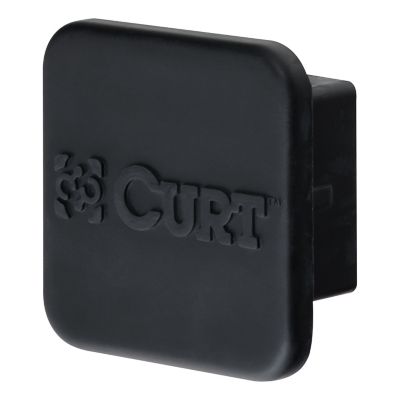
trailer hitch covers for trucks can complement the rear of the pickup while nerf bars add access along the sides. Whether the truck spends its days hauling fencing supplies, carrying a crew or handling errands between chores, the most practical nerf bars combine vehicle-specific fit, well-placed steps and a finish suited to regular upkeep. A comfortable step earns its place through the ordinary climbs into the driver’s seat and the steady stream of passengers getting in beside it.