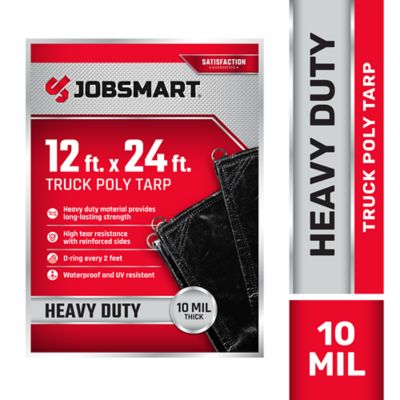
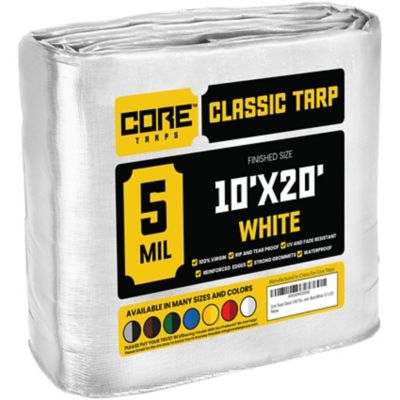
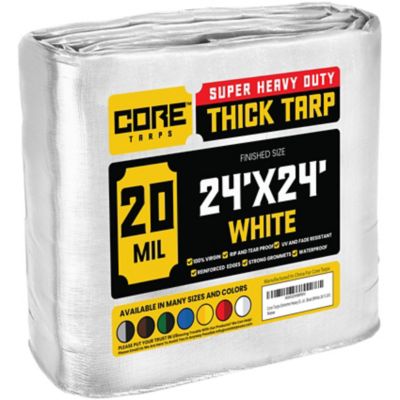
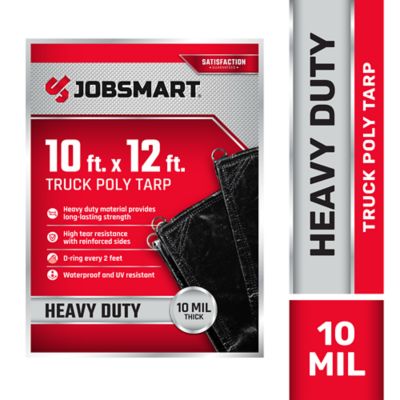
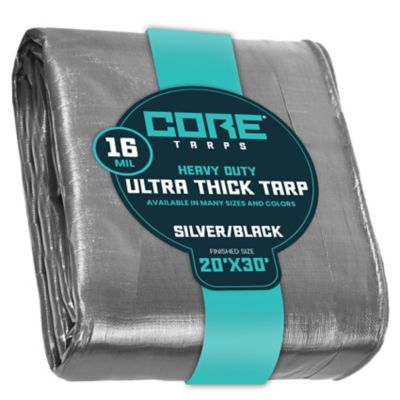
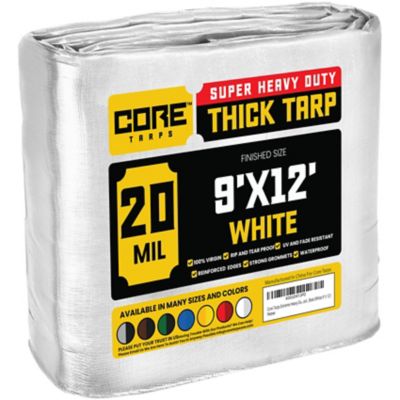
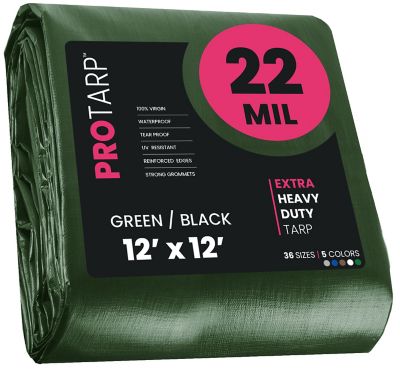
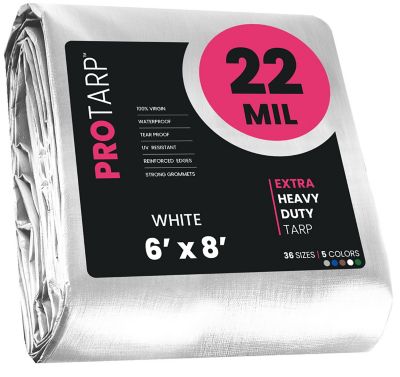
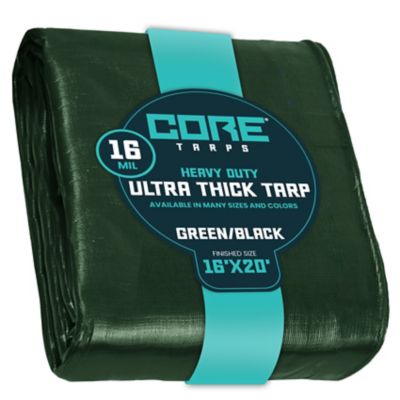
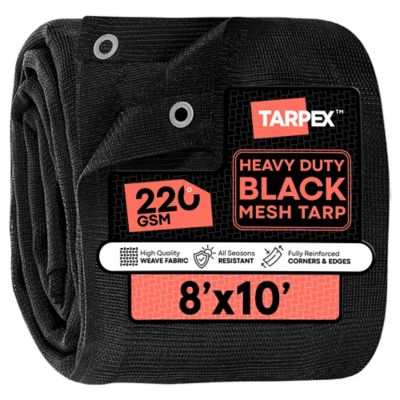
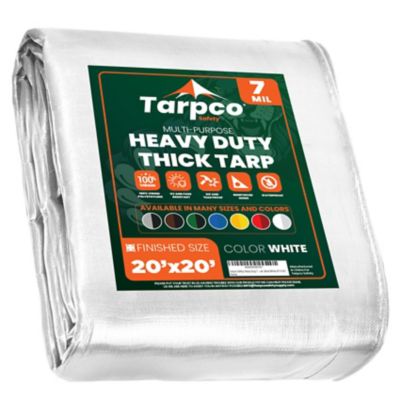
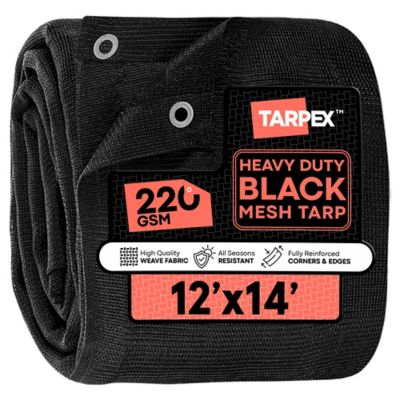
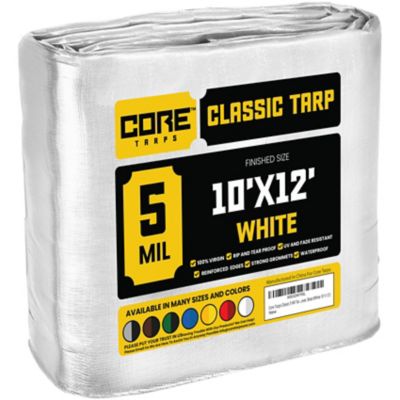
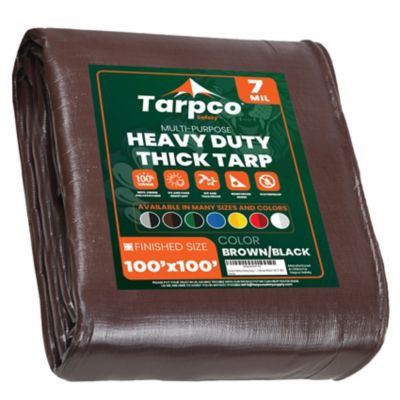
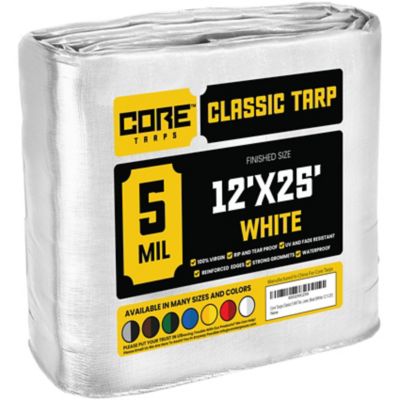
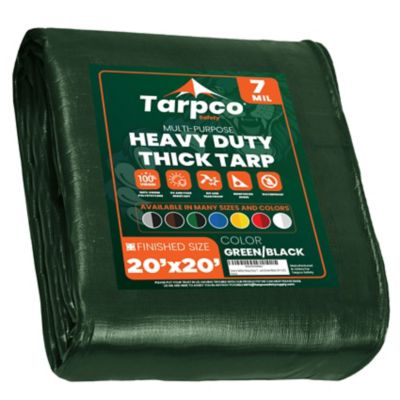
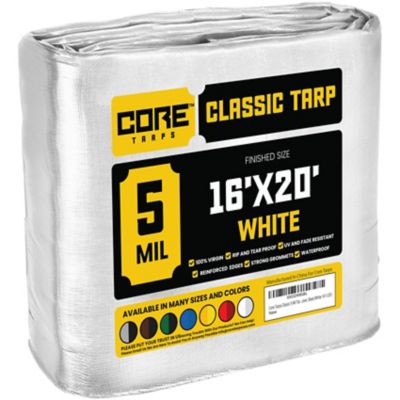
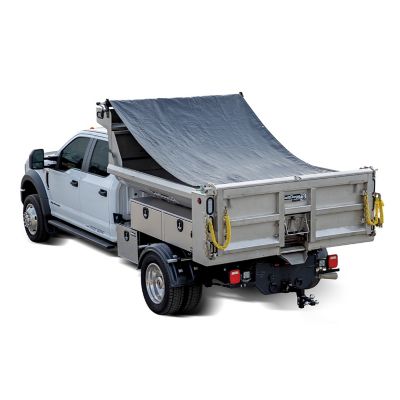
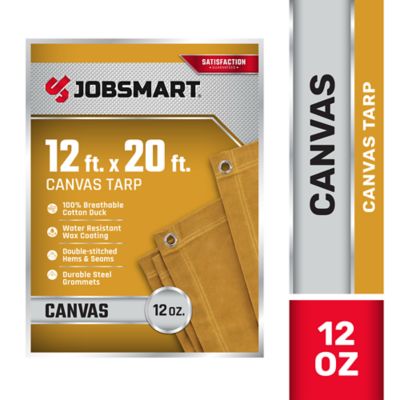
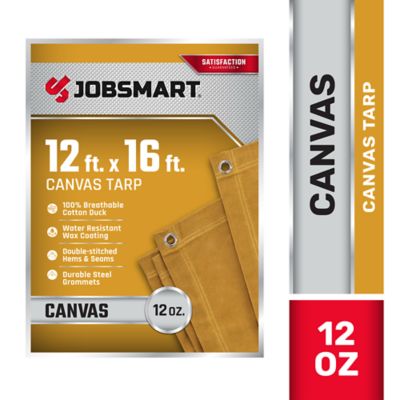
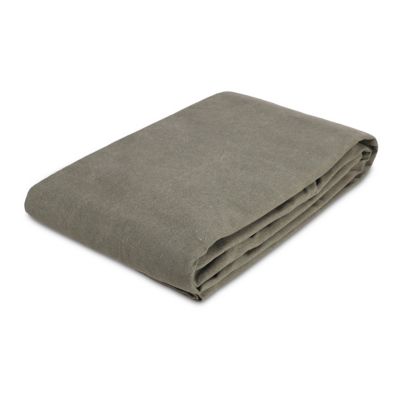
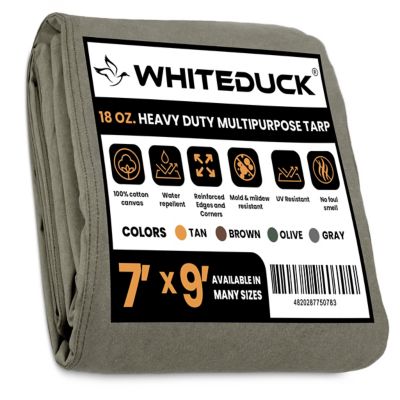
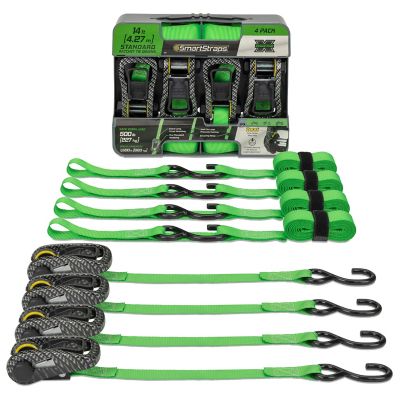
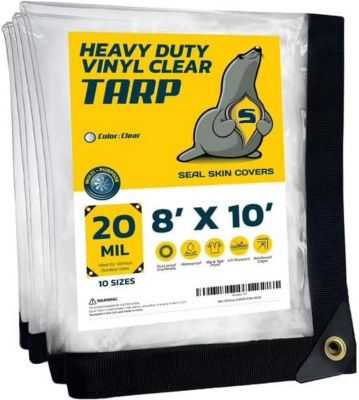
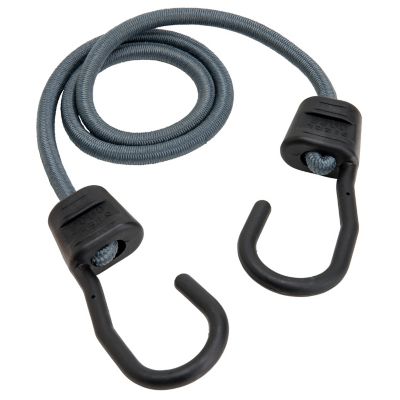
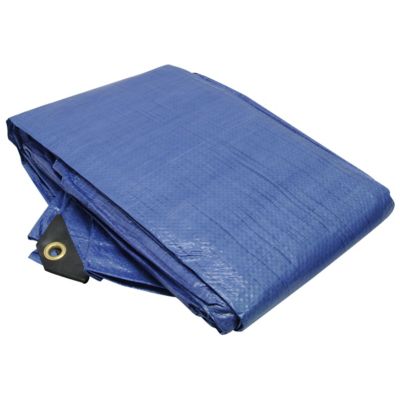
A truck bed tarp covers cargo in an open pickup bed, helping shield it from rain, road spray, dirt, and windblown debris when the material and fit suit the job. It adds a protective layer over a load, but it does not replace the straps or other restraints that keep cargo from shifting. From hauling bagged feed back to the barn to carrying tools between job sites, truck bed tarps serve folks who need an open truck bed without leaving everything exposed. The material makes a big difference in how a cover handles those trips. Polyethylene tarps generally have a woven plastic construction with a coating that sheds water, along with a relatively light feel that makes folding and handling easier. Vinyl tarps tend to be heavier and can offer strong resistance to abrasion, making them worth considering where a cover regularly rubs against a load or bed rail. Canvas has a substantial fabric feel, though its ability to shed water depends on its treatment, condition, and construction. For larger coverage needs,
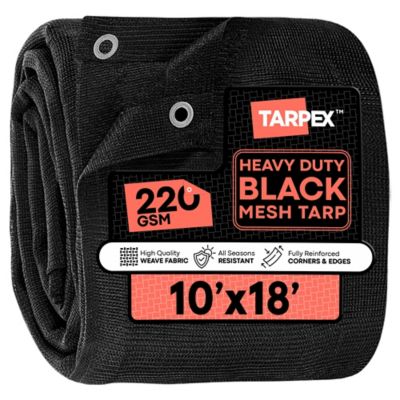
Large Canvas Tarps offer another direction to consider, with fabric weight and finished dimensions helping determine how well a cover suits the load. Mesh tarps serve a different purpose: their open weave allows airflow and can help contain larger loose material, but they do not provide the rain protection of a solid cover. Even among solid tarps, water resistance varies, and seams, attachment holes, and worn spots can let moisture through. A waterproof material alone does not make the entire covered truck bed watertight. For feed sacks, boxed supplies, and other moisture-sensitive cargo, packaging and an enclosed container can add protection beneath the tarp. The best match comes down to what rides in the bed, how often the cover goes on and off, and whether the main concern is moisture, abrasion, or keeping loose material contained. A tarp for occasional supply runs may call for easier handling, while one that travels from the farm to the job site every day may need more substantial fabric and reinforced attachment points.
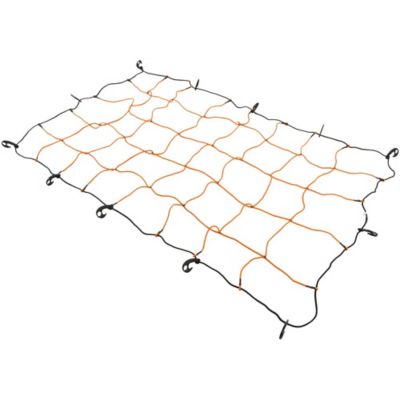
Fit starts with the space the tarp needs to cover, not just the truck’s advertised bed length. A load stacked above the bed rails needs more material than a few boxes sitting below them, and a toolbox, bed rack, or other accessory changes where the fabric can lie. Finished tarp dimensions matter because some sizing descriptions refer to measurements before hems and seams are completed. Enough overhang allows the edges to reach suitable attachment points without pulling the cover drum-tight across the cargo. Too little coverage leaves gaps, while excessive loose fabric can flap, rub, or hang where it does not belong. A flat cover also behaves differently from one draped over an uneven stack of fence supplies or a tall piece of equipment. Raised corners concentrate stress, and low spots can collect water instead of letting it run off. A smoother load profile helps the tarp sit more evenly, while padding between sharp edges and the fabric can reduce punctures and wear. Reinforced hems, well-supported corners, and securely attached grommets are worth a close look because these areas carry much of the tension. More attachment points can make it easier to spread that tension around the perimeter rather than asking one corner to take the whole pull. The truck’s designated anchor points and the tarp maker’s attachment recommendations should shape the setup. Elastic cords may help hold a cover in position when appropriate for its design, but they are not a substitute for load-rated cargo restraints. The cargo itself needs separate securement before the tarp goes over it, especially when hauling equipment, lumber, or anything that could slide or roll. A properly positioned cover stays clear of tires, exhaust components, lights, and the license plate, without loose tails trailing behind the truck. For gravel and other loose loads, containment requirements can vary by location, and the tarp needs to suit the material rather than simply stretch across the opening. A good fit leaves the driver with manageable fabric, accessible tie-down points, and fewer places for air to catch underneath.
Everyday handling matters just as much as the cover’s weight or thickness. A heavy tarp can be useful for frequent hauling, but lifting it over a tall load and folding it alone takes more effort than handling a lighter cover. Farmers carrying supplies between buildings, contractors loading tools before daylight, and property owners hauling cleanup debris may all value different combinations of coverage, flexibility, and manageable weight. For short trips with frequent stops, convenient attachment and compact storage can matter as much as extra material. For longer drives, keeping the fabric supported and evenly secured helps limit the repeated flapping that wears down hems and corners. Road grit and small chips trapped beneath a tarp can act like sandpaper, especially against painted equipment or finished surfaces, so a clean contact area makes a difference. Care is usually straightforward, but the material’s cleaning instructions should take priority. Loose dirt can often be brushed away, and suitable mild soap and water can remove buildup without the harsh scrubbing that damages some coatings. Solvents, strong cleaners, and high heat may harm fabric treatments or plastic layers. Letting the cover dry fully before folding helps prevent trapped moisture, odors, and mildew during storage. A folded tarp belongs in a dry spot away from sharp tools, fuel containers, and anything that could puncture or stain it. Occasional checks around grommets, seams, folds, and contact points can catch small tears or thinning fabric before the next loaded trip. Repair patches need to match the tarp material, since an adhesive intended for one surface may not bond well to another. With a suitable material, enough coverage, and sensible care, a truck bed tarp becomes practical hauling gear: something that earns its place behind the seat or in the toolbox, ready for feed runs, fence repairs, equipment moves, and the next load headed down the road.