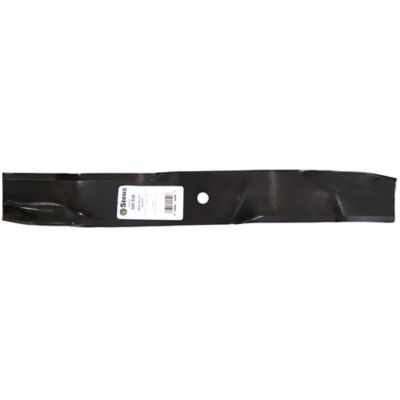
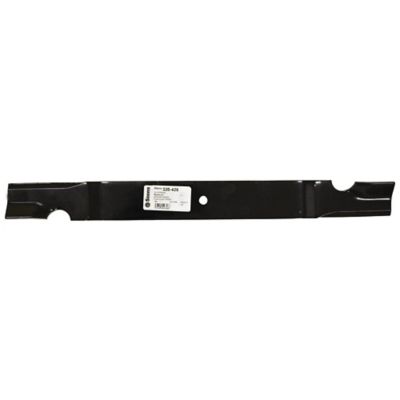
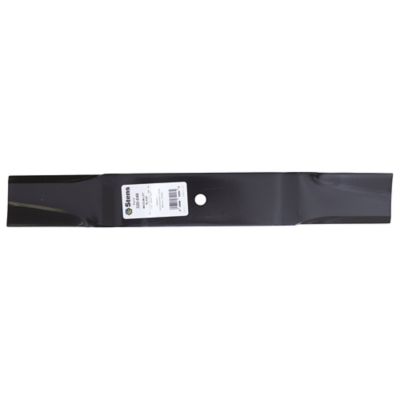
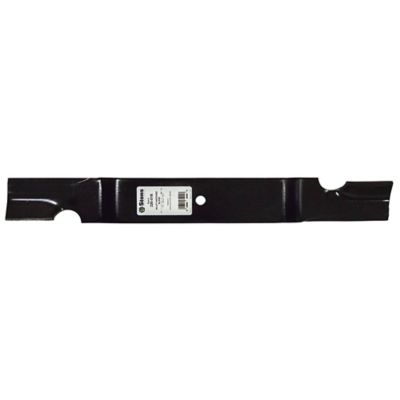
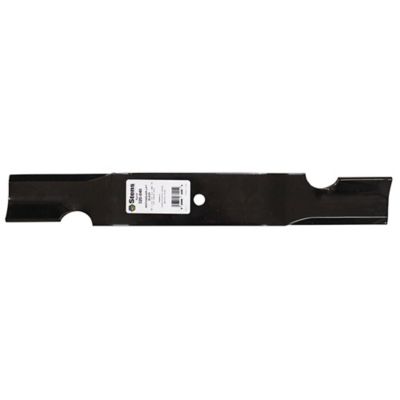
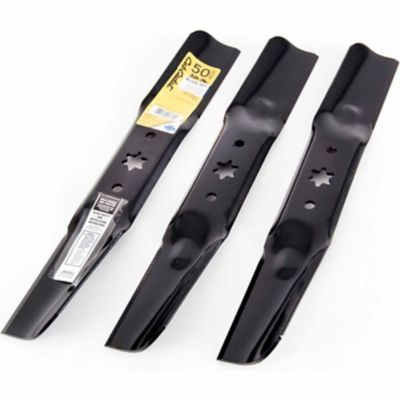
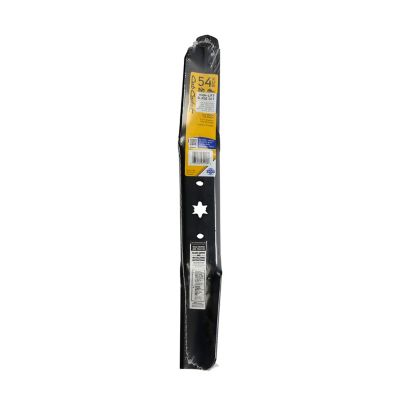
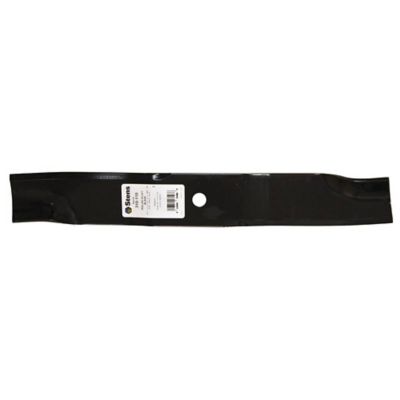
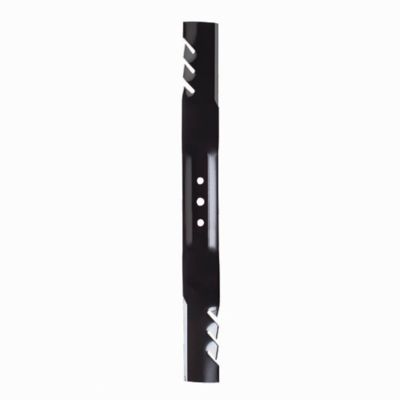
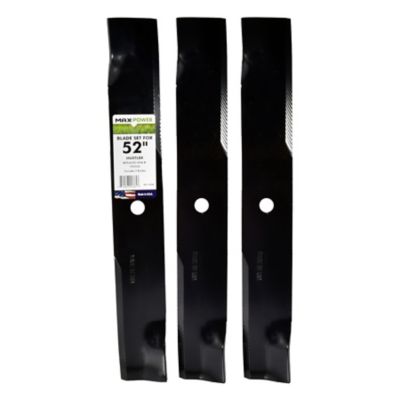
Grasshopper mower blades are built for the everyday work of keeping lawns, fields, estates, and large properties looking neat through changing mowing conditions. A sharp, properly matched blade does more than cut grass; it helps the deck move clippings where they belong, supports an even finish, and can make the mower feel steadier as it moves across the yard. Replacement blades are useful for homeowners with large lots, rural landowners maintaining pasture edges and lanes, landscaping crews caring for several properties, and anyone who depends on a zero-turn mower to keep up with fast-growing turf. They also make a practical gift for a property owner who spends warm days mowing, trimming, and tending the ground around a home, barn, shop, or hunting cabin. When choosing Grasshopper mower blades, start with the mower’s exact model, deck size, and blade arrangement rather than relying on appearance alone. Blade length, center-hole design, mounting pattern, and overall width all need to match the mower deck. Common blade lengths may include 15, 18, 21, or 25 inches, but the correct measurement depends on the deck layout and the original equipment specification. A blade that looks close but is too long, too short, or incorrectly shaped may not clear the deck shell or may affect cutting performance. Check the underside of the old blade for its stamped logo and part number, then compare that information with the mower manual or fitment details before ordering. It is also wise to inspect the blade bolts, washers, spindles, and deck belt while the mower is raised and safely secured. A worn blade paired with a loose fastener or damaged spindle can lead to vibration, uneven cutting, and extra strain on the machine.
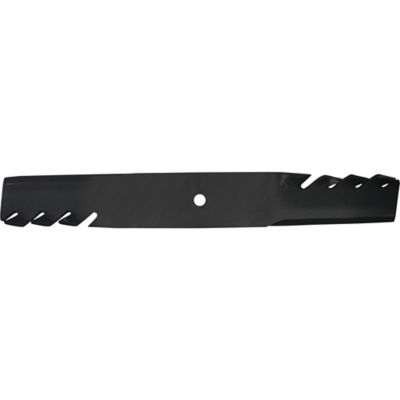
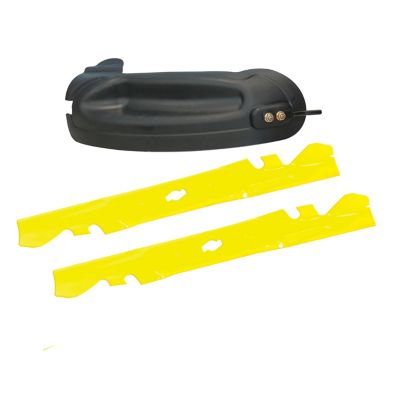
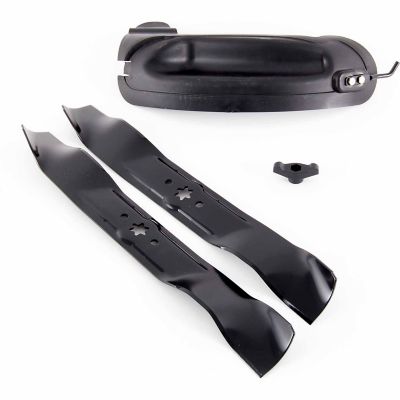
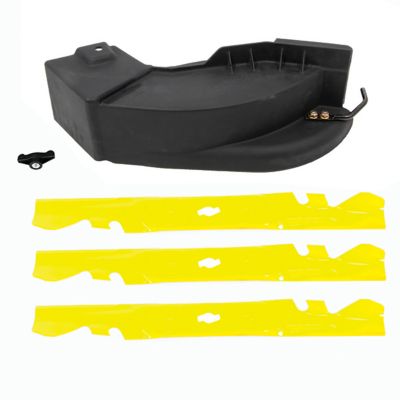
Different Grasshopper mower blades are suited to different mowing jobs, so the right style depends on the turf and the way clippings are handled. High-lift notched blades are a dependable choice for many side-discharge mowing applications, helping lift grass and carry it cleanly through the deck and discharge opening. They are often useful when mowing ordinary lawn grass through both damp and dry conditions. Extreme high-lift blades provide more lift for thick, lush, or overgrown turf and are generally best matched with mowers that have enough engine power to handle the heavier airflow and cutting load. Medium-lift blades can be a better fit for collection systems or dry, sandy ground, where excessive lift may stir up dust and place unnecessary demand on the mower. Contour-style blades are designed to create strong vacuum for regularly maintained, dry lawns when a tidy, upright appearance is important. For operators who prefer to return fine clippings to the turf, high-low mulching blades work with compatible mulching baffles to cut grass repeatedly into smaller pieces. Shredder blades, with toothed cutting edges, are intended for chopping dry leaves and other light seasonal debris when the mower is set up for that kind of work. These choices are not interchangeable in every situation. Wet, heavy grass may call for a different setup than dry leaves, sandy soil, or a frequently cut residential lawn. Cutting height matters, too; mowing too low can overload the deck, scalp uneven ground, and leave the blade striking hidden rocks or roots. During the warmer growing season, mowing more often and removing only a moderate amount of grass at a time usually produces a cleaner result. As conditions shift into cooler weather and leaves begin covering the lawn, a blade selected for collection or shredding can help manage debris without turning every pass into a struggle. Always use the blade style recommended for the mower and deck configuration, especially when a vacuum, bagger, mulching kit, or discharge system is attached.
Before installing replacement Grasshopper mower blades, park the mower on a level surface, shut off the engine, remove the key, and allow all moving parts to stop. Disconnect the spark plug wires or battery as directed by the owner’s manual, and use sturdy gloves when handling the old blade; even a blade that looks dull can have a sharp, uneven edge. Raise and support the deck according to the manufacturer’s instructions instead of relying on the hydraulic lift alone. Clean packed grass from around the spindle and deck so the blade seats flat, then compare the new blade with the removed one for length, hole placement, and cutting-edge direction. On many mower blades, the stamped logo or identifying side faces down toward the ground when installed, while the raised cutting edge faces the direction of rotation, but the mower manual should always be the final authority. Tighten the retaining hardware to the specified torque, since an under-tightened blade can loosen and an over-tightened fastener can damage the spindle or bolt. After installation, rotate the blade by hand with the engine disabled to confirm that it clears the deck, then start the mower in an open area and listen for unusual vibration or rattling. A smooth-running deck and an even strip of cut grass are good signs that the blade is installed correctly. Keep a spare set stored in a dry place, particularly when a mower handles a large acreage or several properties, and inspect the cutting edge regularly for nicks, bends, and excessive wear. When it is time to compare compatible replacement parts, the
Grasshopper Mower Parts selection can help make it easier to find blades and related components for the right machine. Replacing worn blades before the deck starts tearing grass or leaving uncut streaks helps protect the turf, keeps mowing jobs moving along, and leaves the property looking cared for through the changing seasons.