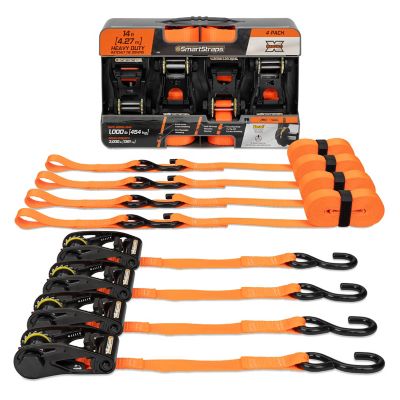
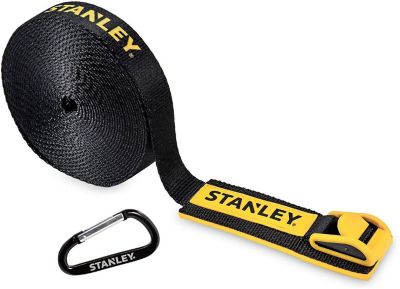
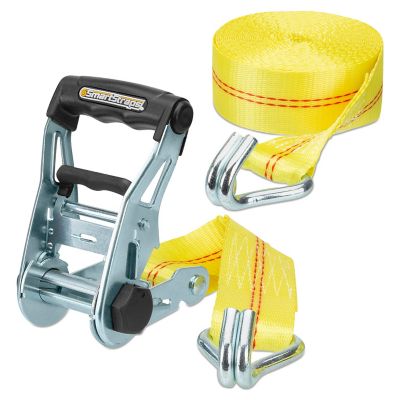
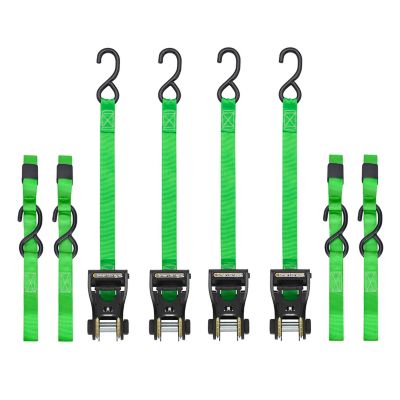
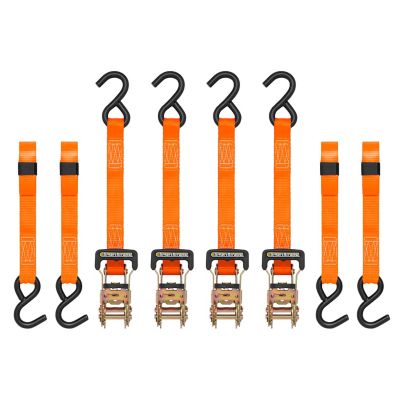
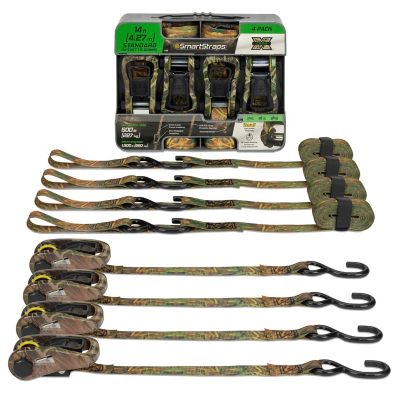
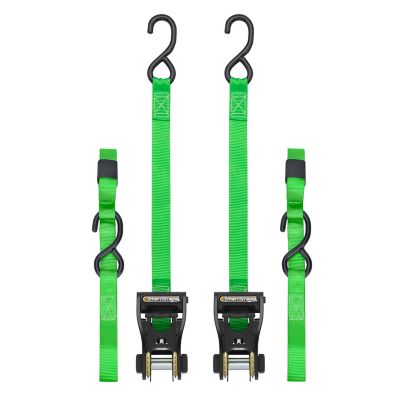
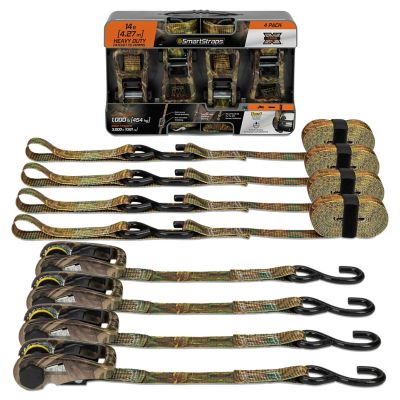
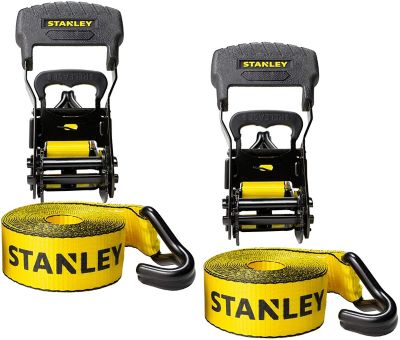
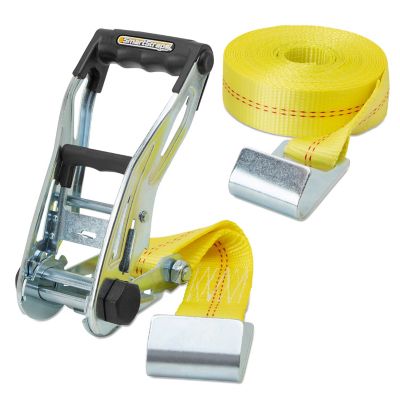
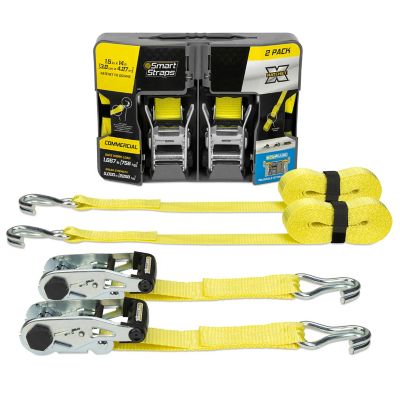
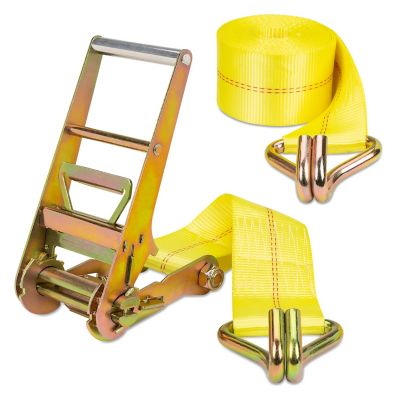
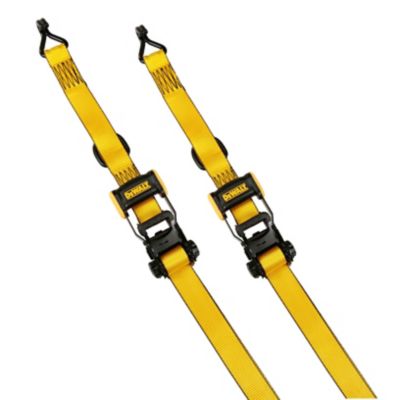
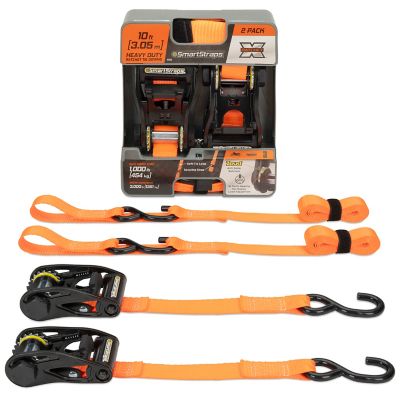
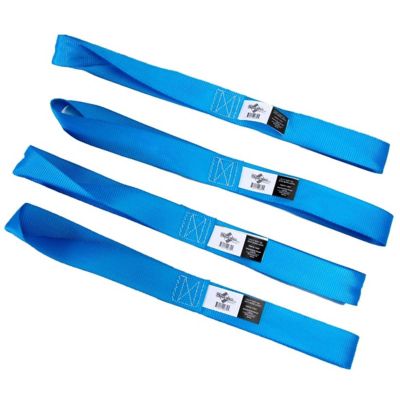
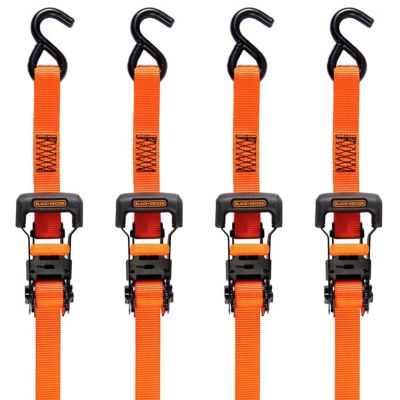
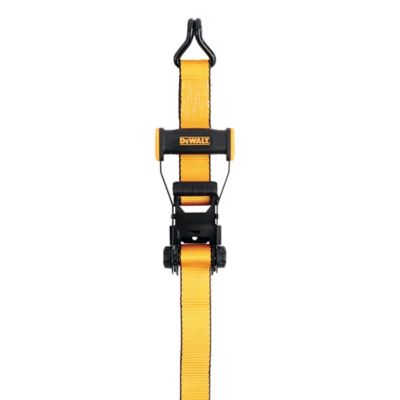
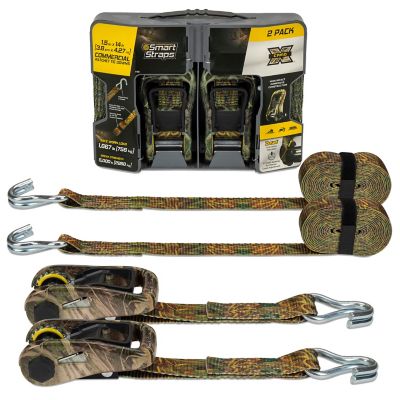
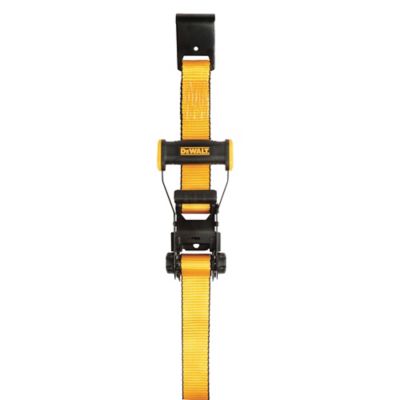
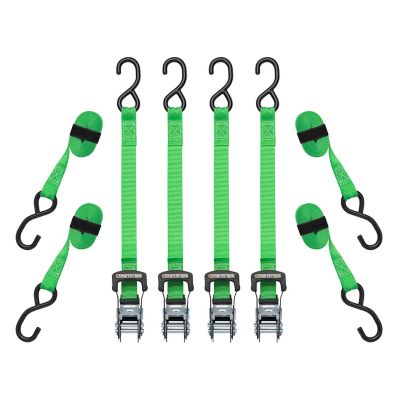
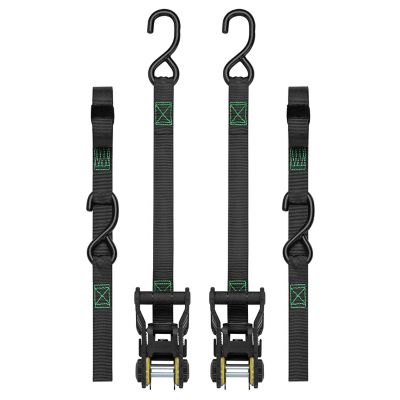
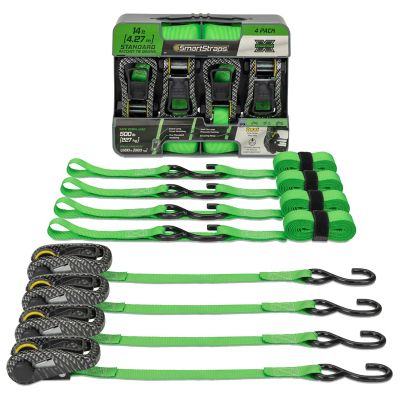
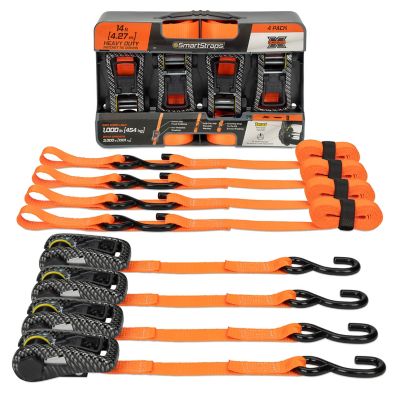
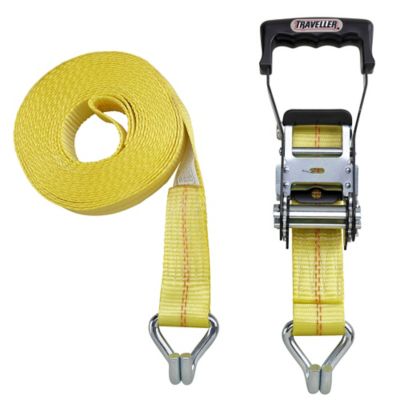
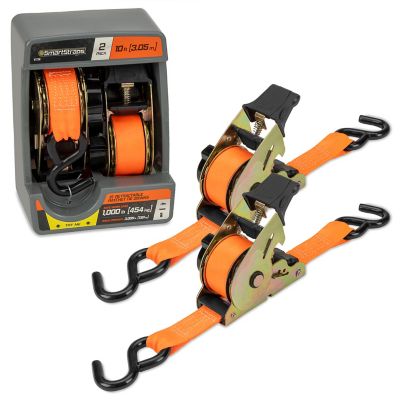
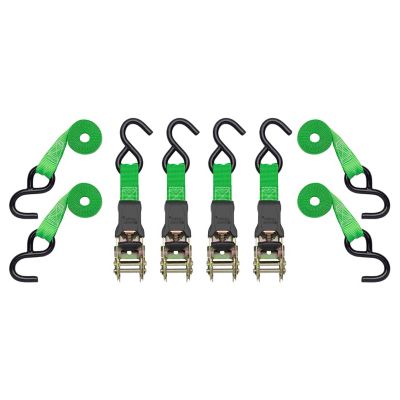
ATV/UTV tie down straps help keep four-wheelers and side-by-sides secured during transport, whether the destination is a trailhead, a repair shop, or another stretch of the farm. These restraints connect the vehicle to suitable anchor points on a trailer or truck bed, helping resist forward, backward, and sideways movement on the road. The right setup depends on the machine’s weight, its approved tie-down locations, and the hauling platform—not simply how wide or hefty a strap looks. A compact ATV and a full-size utility side-by-side can have very different securement requirements, especially when the machine carries attached equipment. Ratchet straps provide controlled tension through a geared handle, while soft loops create a flexible connection between compatible vehicle attachment points and strap hooks. Frame-mounted restraints secure the machine through manufacturer-approved structural points; over-the-tire straps and wheel nets restrain the tires while allowing the suspension to move independently, when the system is designed and installed for that purpose. That difference matters on a trip where suspension movement could otherwise change strap tension. Neither style is a universal fit, and a wheel restraint needs to match both the tire and its anchoring arrangement. Dedicated wheel chocks can help position a machine consistently, but an ordinary chock is not a substitute for rated restraints. Track-mounted systems offer adjustable attachment locations, which can be handy when the same trailer hauls different machines. For a rancher moving a utility vehicle between properties or a trail rider loading up for a weekend away, a suitable arrangement leaves the machine steady without putting straps across vulnerable parts. A clear path from each approved vehicle connection to its trailer anchor helps keep the setup straightforward, with room to operate the ratchets and check every connection before heading down the driveway. Matching the restraint style to the machine and trailer makes more sense than trying to make one strap arrangement serve every load.
Materials and hardware play a big part in how ATV tie down straps handle regular hauling. Polyester webbing is common because it offers relatively low stretch and resistance to moisture and sunlight, though no fabric is immune to wear or damage. Nylon webbing generally stretches more than polyester, so material choice belongs alongside load rating and system design when comparing restraints. Strap width alone does not establish capacity: the webbing, stitching, ratchet, hooks, and other components all contribute to the assembly’s rating. The working load limit is the rated load a restraint can handle in service under specified conditions; breaking strength describes a failure threshold and is not an allowable hauling load. Clear, readable rating labels make that distinction easier to check. Vehicle weight, the number and arrangement of restraints, attachment angles, and the ratings of the vehicle and trailer anchor points all matter when selecting a complete setup. A higher-rated strap does not increase the capacity of a lower-rated anchor, and adding strap ratings together is not enough by itself to establish a safe arrangement. Length deserves attention, too. A strap needs enough reach for the intended routing and proper ratchet engagement without leaving an excessive tail to manage. On a wide side-by-side, an anchor outside the tire may be farther from an approved frame point than it first appears. Shorter runs can suit some compact machines, while longer wheelbases or taller trailer attachment arrangements may call for more reach. Hook shape and opening must suit the anchor so the hook seats properly rather than carrying force on its tip. Latch-equipped hooks can help maintain engagement, but they still require compatible attachment points and correct tension. Soft loops can limit metal-to-metal contact at approved locations, while suitable abrasion sleeves help protect webbing where contact cannot be avoided. Plastic racks, steering parts, brake lines, and other vulnerable components are not substitutes for designated tie-down points. For hauling arrangements that also involve a pickup bed,
Truck Tie Down Straps offer a related category to consider against the truck’s anchors and the load’s securement requirements.
UTV tie down straps also need to fit the way a trailer works day to day. A dedicated powersports trailer may lend itself to wheel restraints or fixed track locations that place the machine in the same position each trip. A utility trailer that also carries fencing supplies or mowing equipment may benefit from removable restraints and attachment options that leave the deck clear between jobs. In either case, securement works as a system: sound anchors, suitable restraints, proper vehicle placement, and the trailer’s load limits belong together. The machine’s parking brake and transmission setting do not replace tie-downs. For frame-mounted arrangements, manufacturer guidance determines attachment locations and any appropriate suspension compression; pulling the suspension down as far as possible is not a sound substitute for that guidance. Wheel nets likewise need the specified tire coverage and anchor spacing, rather than a loose fit over the tread. Ratchets need the webbing engagement their manufacturer specifies, with enough room for the mechanism to close and lock properly. Excess webbing should be secured away from tires, axles, and the road, where a loose tail can snag or wear through. Easy-to-reach handles and visible attachment points make routine checks less of a chore, particularly on a trailer carrying more than one machine. A tension check shortly after departure and additional checks during travel help catch settling or movement before it becomes a bigger problem. Between trips, inspection and storage help extend strap life. Cuts, frayed edges, melted fibers, damaged stitching, bent hooks, and ratchets that will not lock are reasons to take a restraint out of service. Illegible rating labels also make it difficult to confirm that a strap suits the job. Cleaning according to the manufacturer’s directions, letting webbing dry before storage, and keeping straps away from chemicals and sharp tools help preserve their condition. A dedicated storage bag or compartment keeps matched restraints together, so loading for the next haul starts with untangled straps and hardware that is ready for inspection.