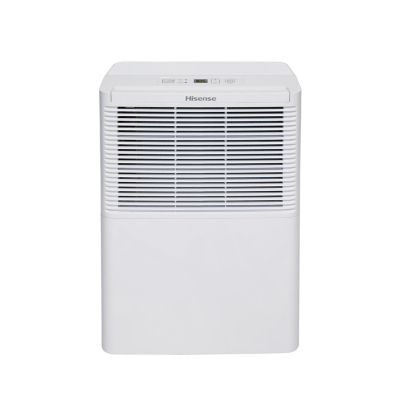
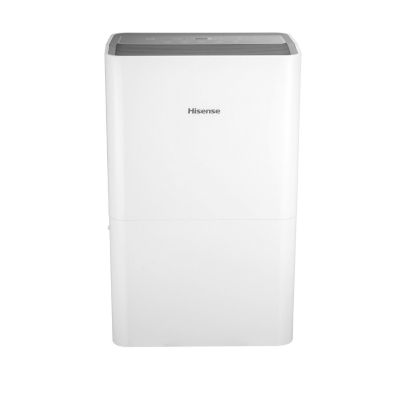
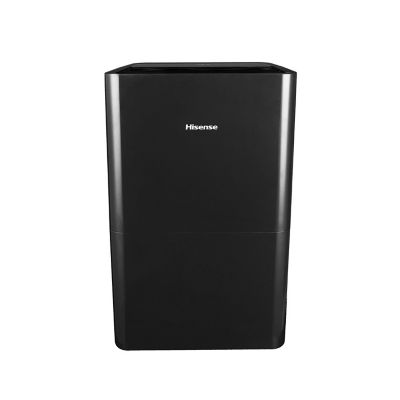
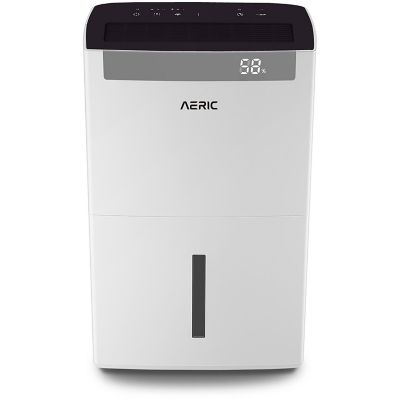
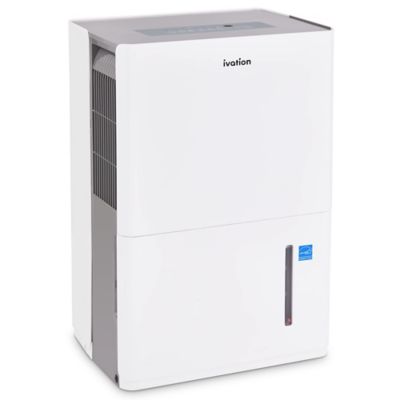
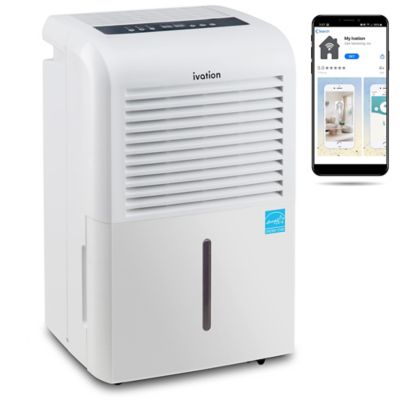
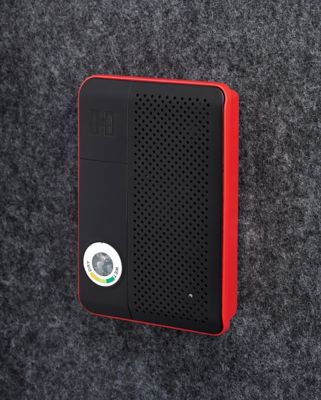
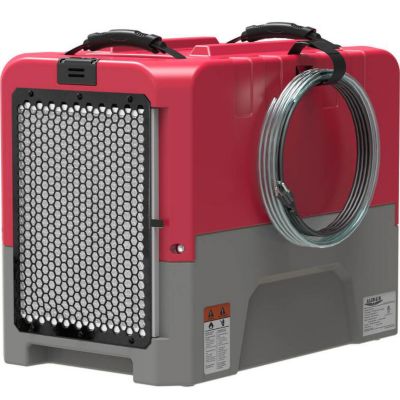
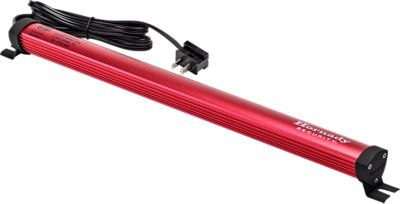
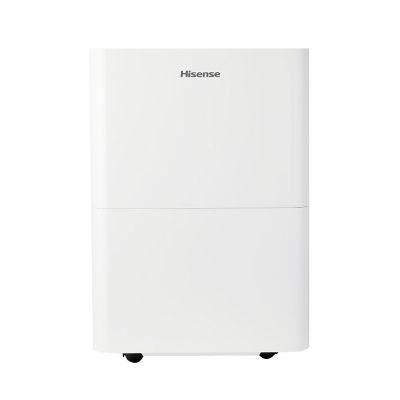
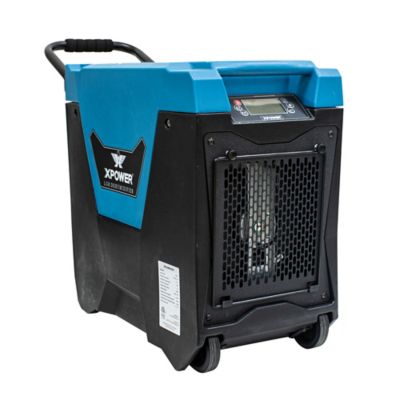
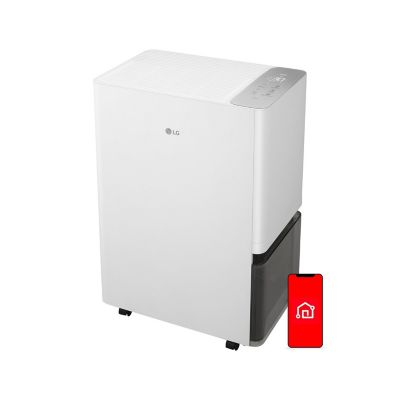
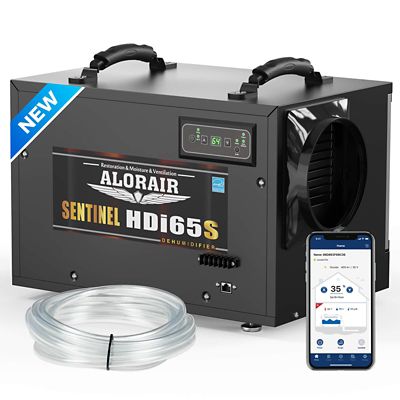
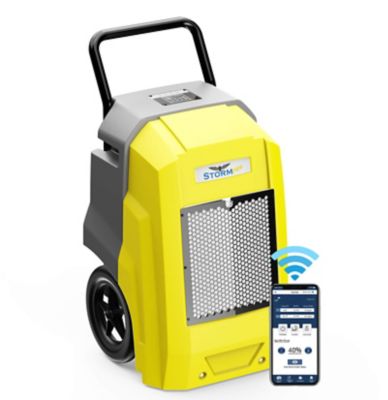
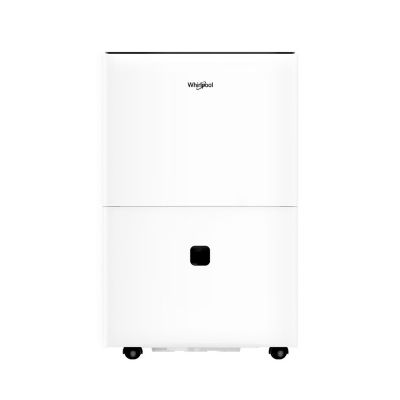
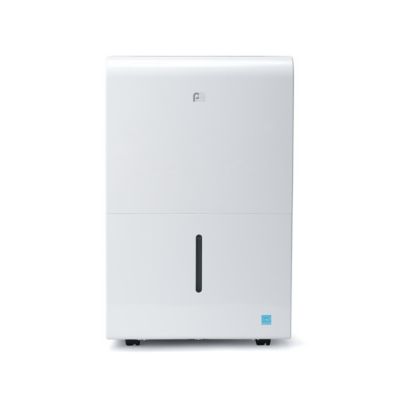
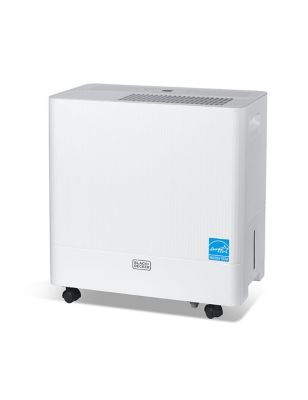
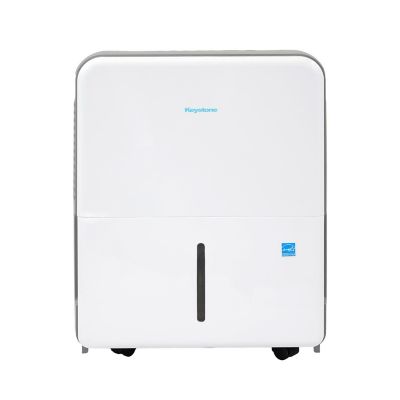
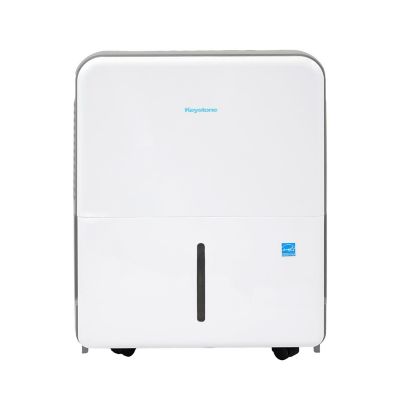
Dehumidifiers for mold and mildew prevention pull excess moisture from indoor air, helping keep basements, laundry rooms, storage areas and other enclosed spaces from staying damp. A common target for indoor relative humidity is 30% to 50%, with levels kept below 60% to help discourage mold growth. That range is a useful starting point, not a promise that every surface will stay free of mold. A leaking supply line, a damp foundation wall or a wet patch behind a cabinet still needs attention, even when a humidity display shows a reasonable reading. For homeowners with cardboard boxes along a basement wall, fabric storage bins in a spare room or work clothes hanging near the laundry, moisture control can make a practical difference. Wood, paper, fabric and leather can all be affected by ongoing dampness, and a dehumidifier helps address the moisture in the surrounding air. It does not waterproof a room, fix a leak or dry the inside of a soaked wall on its own. It also does not kill existing mold, clean mold from surfaces or replace filtration designed to capture airborne particles. Musty odors may ease as damp conditions improve, but a lingering smell calls for a closer look at the source rather than a lower humidity setting alone. Mold prevention starts with keeping materials dry, correcting water problems and providing ventilation where moisture is generated. A dehumidifier supports that work in a basement beneath a farmhouse, a closed utility room or a workshop where the unit’s operating requirements can be met. Renters, property caretakers and homeowners alike may find these appliances helpful where excess humidity is an ongoing concern. A separate humidity meter can help show whether a space needs moisture control and whether the appliance is keeping the room in the intended range.
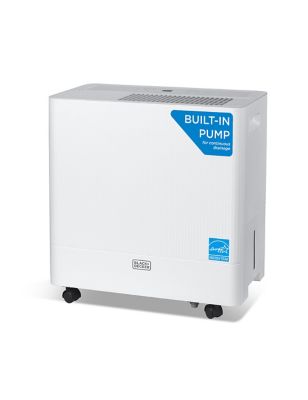
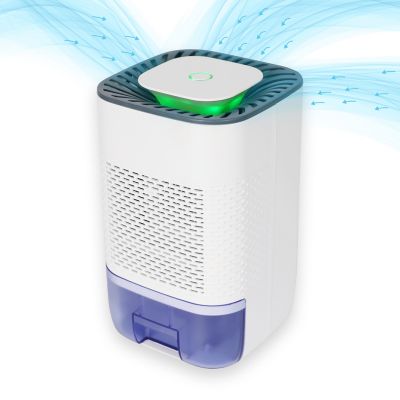
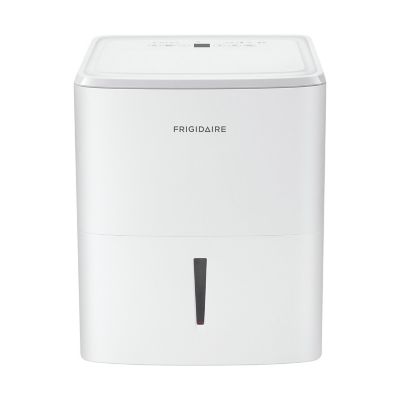
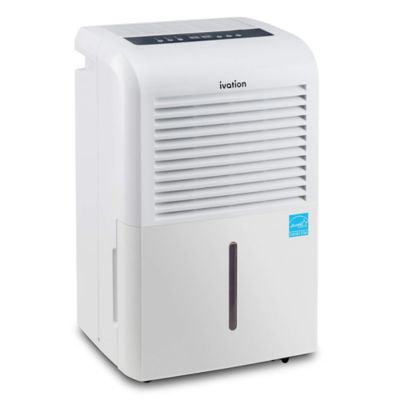
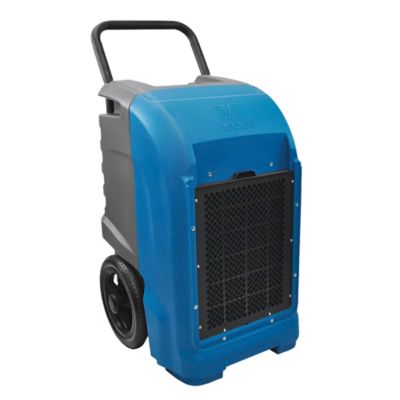
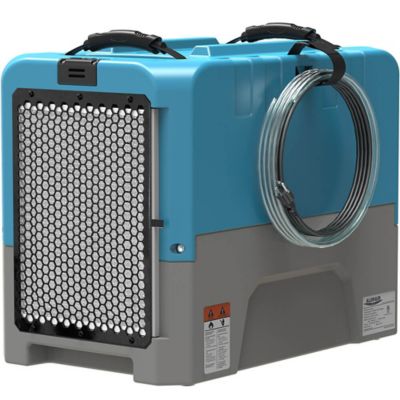
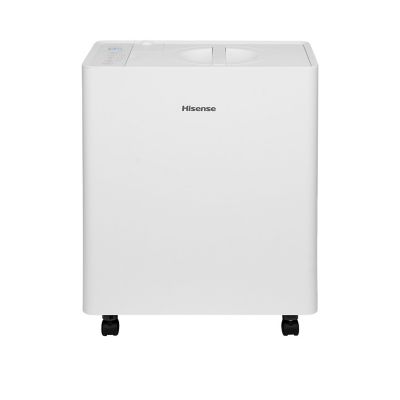
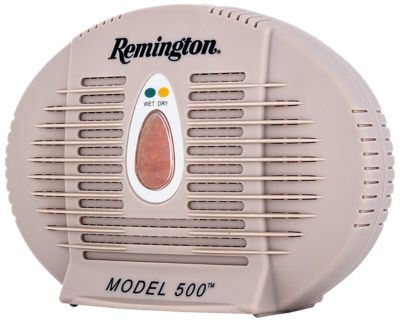
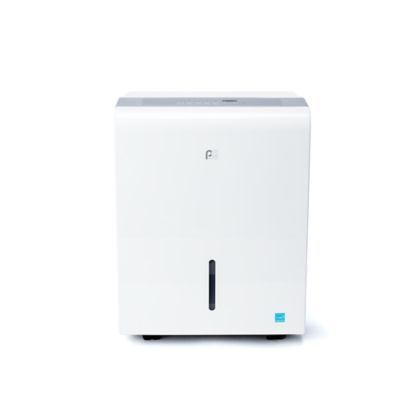
Matching a dehumidifier to the space means looking beyond how much floor it occupies. Moisture-removal capacity is commonly listed in pints per day, which describes how much water the appliance can collect under stated test conditions. That figure is different from tank capacity, which tells how much water the bucket holds before it needs emptying. Square-foot coverage is another useful comparison, but the room’s dampness, ceiling height, layout and connections to nearby spaces also matter. A small utility room with occasional moisture has different demands than a broad basement with damp masonry and several adjoining rooms. Coverage claims do not mean air will move freely through closed doors or around every partition. Portable dehumidifiers can suit accessible household spaces, while equipment designed for crawl spaces or whole-home installation may better match locations with tighter access or more involved drainage needs. Different designs have different operating limits, so checking those limits matters before placing an appliance outside a typical living area. Adjustable humidity controls let the unit respond to the selected setting rather than run without regard to moisture levels. A clear display, accessible controls and a full-tank shutoff can make everyday operation simpler. Noise deserves attention, too, especially beside a home office, bedroom or family room. Handles and casters can help when moving an emptied unit between suitable locations, while cabinet dimensions and required clearances determine whether it fits without crowding an aisle or blocking airflow. Water disposal is another big consideration. A collection bucket works where regular emptying is practical. Continuous drainage can reduce those trips, but a gravity drain needs a suitable outlet below the unit and a hose routed downhill without kinks. Pump-equipped designs can move collected water along an approved route within their rated lift and distance limits. Neither arrangement replaces checking for leaks, clogs or standing water. For a basement that gets less foot traffic, easy drain access and clear operating indicators may matter more than a compact cabinet. Energy-use information can also help compare appliances expected to run frequently.
Construction and upkeep matter because a moisture-control appliance needs attention of its own. Molded plastic cabinets and metal housings have different care requirements, and smooth surfaces, accessible buckets and reachable filter compartments make routine cleaning less of a chore. A sturdy handle, steady base and controls that are easy to read can be especially welcome in a busy utility area. Filters described as washable need cleaning and drying according to the manual; other filter types may require replacement. A basic dust filter helps protect the appliance from lint and debris, but it should not be mistaken for HEPA filtration or mold removal. Water buckets, drain fittings and hoses also need regular inspection and cleaning as directed, since continuous drainage does not keep those parts clean by itself. Good placement leaves the specified room around air inlets and outlets, with boxes, hanging clothing and stored supplies kept clear. Electrical requirements deserve the same attention as room coverage: follow the appliance’s grounding and outlet instructions, and do not assume an extension cord or power strip is suitable. In a basement with a chest freezer, laundry equipment and shelving, planning the footprint and drain route helps keep the area workable. Moisture control also pairs with storage habits such as keeping absorbent materials away from damp walls and checking behind stacked containers. For spaces that need attention beyond moisture removal, explore
Mold Prevention Products for related supplies. Visible mold still needs appropriate cleanup, and extensive growth, recurring water damage or sewage contamination calls for professional assessment. A well-matched dehumidifier helps manage ongoing humidity after the source of excess water has been addressed. The best fit balances moisture-removal capacity, drainage, access for cleaning and the demands of the space, making routine operation manageable without treating the appliance as a cure for every damp-room problem.