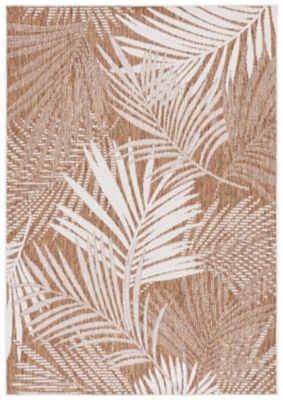
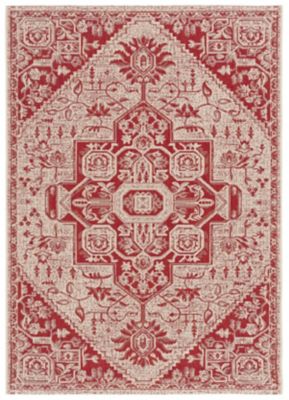
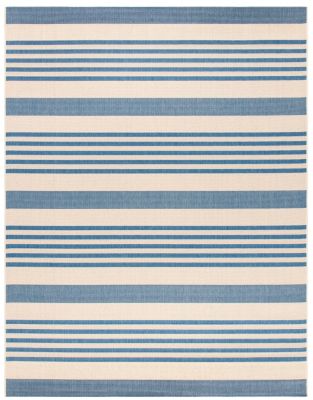
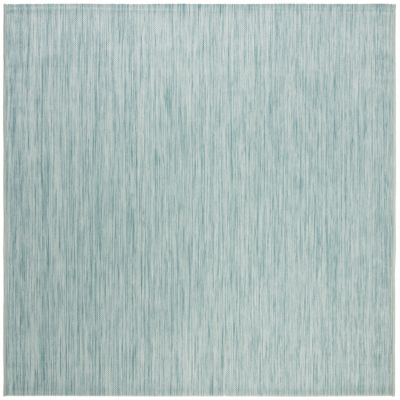
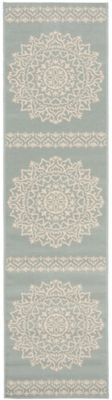
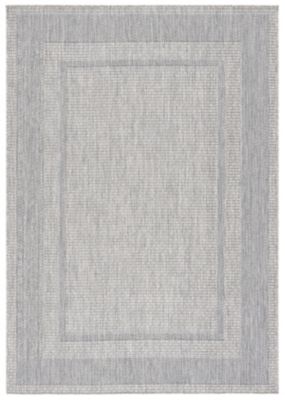
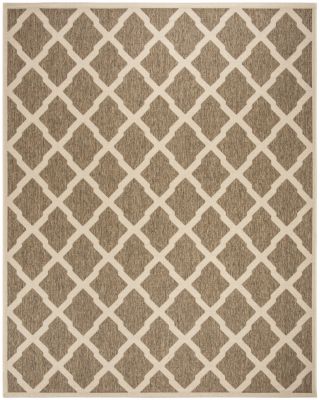
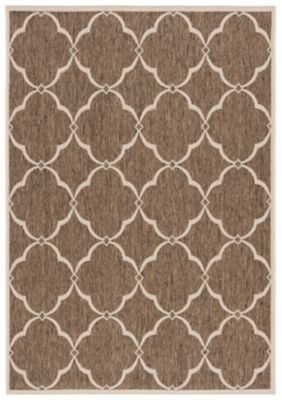
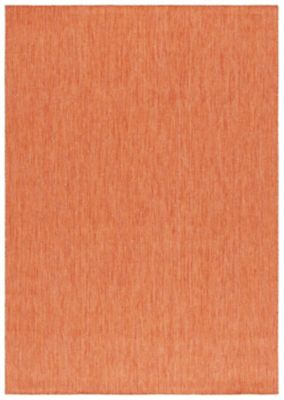
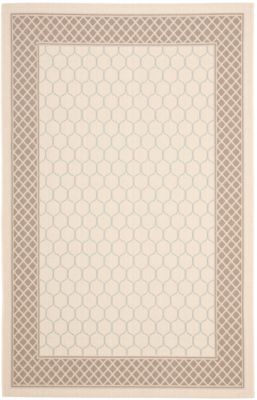
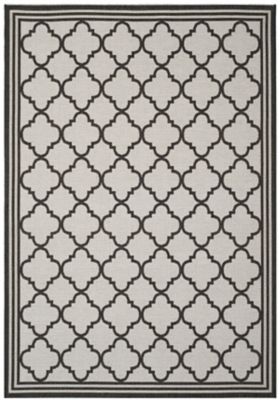
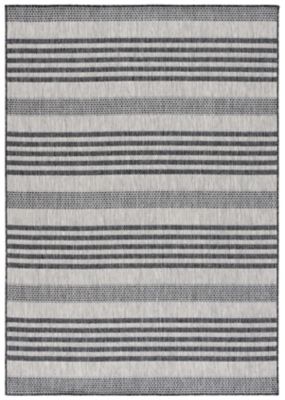
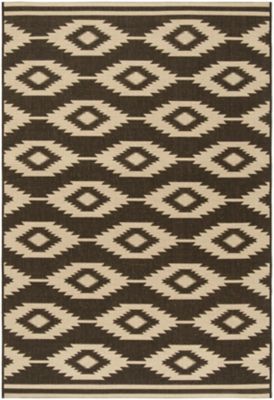
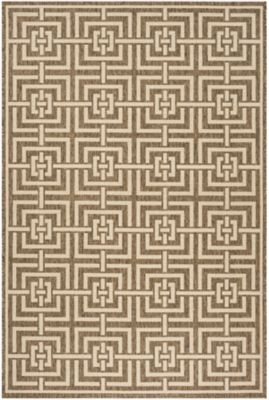
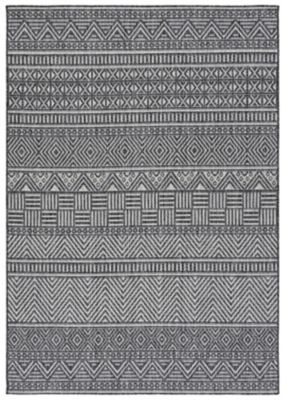
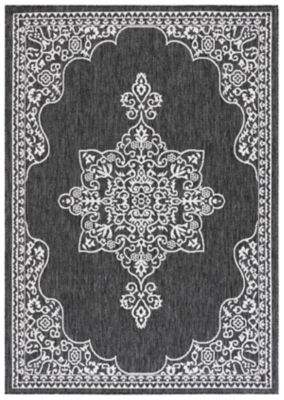
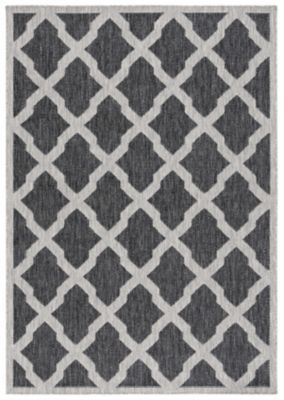
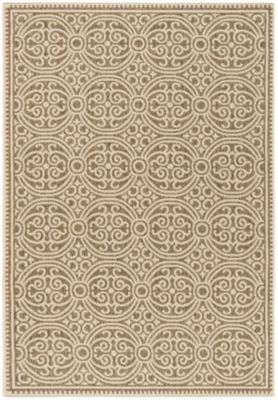
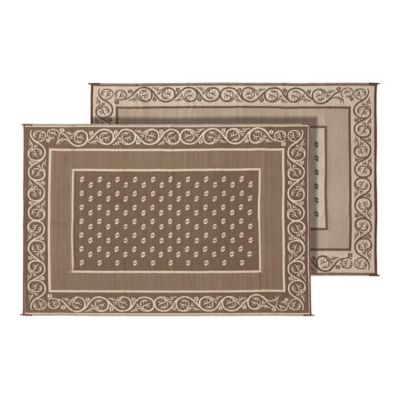
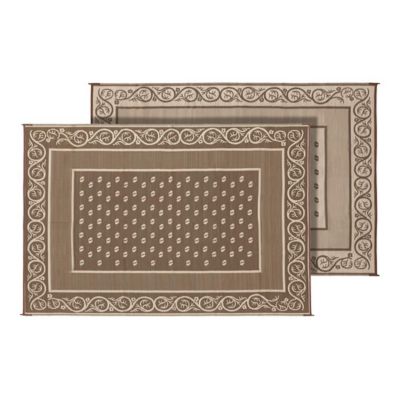
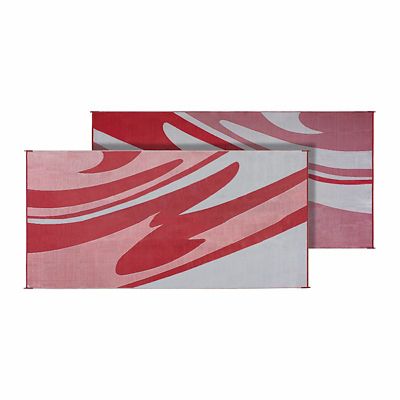
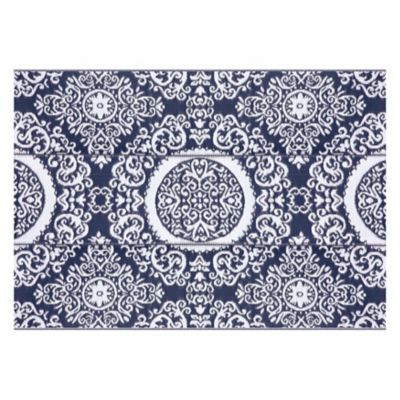
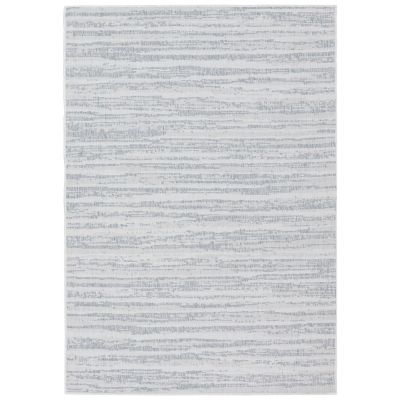
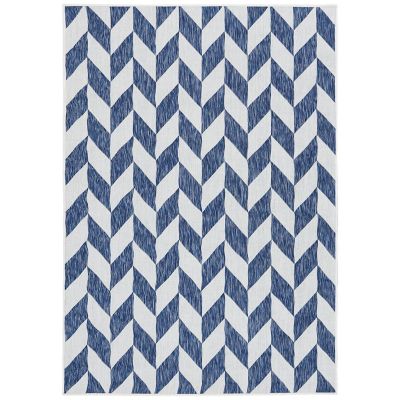
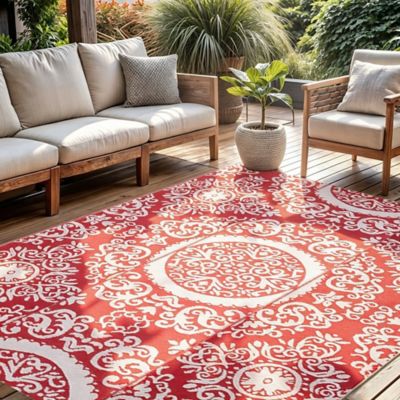
Mold-resistant outdoor rugs bring a comfortable layer to porches, patios, decks, and other outdoor gathering spots where dampness comes with the territory. Their resistance depends on the fibers, the rug’s construction, and how readily the whole rug can dry—not simply on a surface treatment. Synthetic materials such as polypropylene, polyester, and woven plastic strands are common choices because they absorb less moisture than many natural fibers. Polypropylene, also called olefin, absorbs very little water into the fiber itself, making it a practical option for spaces exposed to tracked-in moisture or occasional splashes. Polyester also absorbs little moisture, though drying time depends on the weave, thickness, backing, and conditions around the rug. Rugs woven from recycled plastic strands can offer a lightweight surface that sheds water readily, with the exact feel and flexibility varying by construction. None of these materials makes a rug mold-proof. Soil, fallen leaves, pollen, and other debris can hold moisture and support mold growth even when the fibers themselves resist absorbing water. That distinction matters on a shaded porch, beside a garden hose, or beneath patio furniture that rarely moves. A mold-resistant rug works best as part of a space that drains well and has room for air to circulate. Compared with thick, absorbent constructions, a low-profile weave often leaves less depth for grit to settle into and can be easier to sweep clean. Natural-fiber rugs made from materials such as jute or sisal generally suit dry, sheltered settings better than exposed areas with frequent dampness. For a porch where boots collect by the door and folks settle into rocking chairs after chores, the right outdoor rug balances moisture resistance with a comfortable feel underfoot. Material labels and care information help distinguish rugs intended for outdoor exposure from indoor rugs that merely have a similar look. Those details also help set realistic expectations for how the rug will handle regular foot traffic and routine cleaning.
Fit makes a difference in both the look of an outdoor space and how easily people move through it. A broad rectangular rug can pull a table and chairs together on a concrete patio, while a runner can give a long porch a more settled feel without covering its full width. Round rugs work well with circular tables or a small grouping of chairs, provided there is enough room around the edges for comfortable footing. Beneath a dining set, a rug should extend far enough beyond the tabletop that chair legs stay on the rug when someone pulls back to sit down. In a seating area, placing at least the front legs of chairs and benches on the rug can help tie the arrangement together. Door clearance deserves attention, too: a thick edge or curled corner can interfere with a swinging door and become a tripping point. Flatweave and other low-pile constructions are often practical around outdoor meals, where crumbs, dust, and muddy footprints are part of everyday life. A tighter weave may offer a firmer surface for chair legs, while a softer texture can feel better beneath bare feet on a covered porch. The backing matters just as much as the face of the rug. A moisture-resistant top does not guarantee that water will escape from underneath, and some backings or pads may be unsuitable for particular deck finishes. Compatibility with painted wood, composite decking, or sealed concrete should be checked against the rug and surface manufacturers’ recommendations. Any pad should be rated for outdoor placement and suitable for the surface beneath it. Color and pattern have practical roles as well: mixed tones can make small traces of dirt less noticeable between cleanings, while borders can give a seating area a clear outline. For families with pets, frequent visitors, or a busy path from the yard to the house, a secure lay, manageable size, and easy-to-clean weave often matter more than an extra-plush feel.
Care is a big part of keeping a mold-resistant outdoor rug pleasant to sit and walk around. Loose dirt is easier to remove before it works down into the weave, so regular sweeping or shaking, where the rug’s size allows, helps keep everyday buildup under control. Many synthetic outdoor rugs can be rinsed with a garden hose and cleaned with mild soap, but the care label should determine which methods and cleaners are appropriate. Thorough rinsing matters because leftover soap can collect more dirt. Pressure washing, bleach, and stiff scrubbing brushes are not suitable for every rug and can affect fibers, color, or backing. After washing or a soaking rain, both sides need a chance to dry completely. A rug may feel dry across the top while the underside and the patio beneath it remain damp, especially under heavy furniture or in a spot with little direct airflow. Lifting the rug periodically also makes it easier to clear leaves and grit from underneath and check the condition of the surface below. Where water pools, addressing drainage is more useful than expecting a rug to handle constant saturation. Mold resistance is one consideration among several for exposed spaces;
Weather Resistant Outdoor Rugs covers a related category for shoppers considering broader outdoor exposure. Sunlight resistance, color retention, edge construction, and the ability to tolerate repeated wetting and drying all deserve attention alongside mold and mildew claims. Resistance to one condition does not automatically mean resistance to all of them. For a campsite seating area, a lightweight rug that rolls neatly may be easier to carry and clean, while a regularly occupied porch may call for a more substantial weave that lies flat beneath furniture. Before extended storage, the rug should be clean and completely dry, then stored as directed in a dry, ventilated place. A thoughtful match between material, placement, and care helps an outdoor rug stay comfortable and presentable through everyday gatherings, muddy boots, and the usual mess that comes with spending time outside.