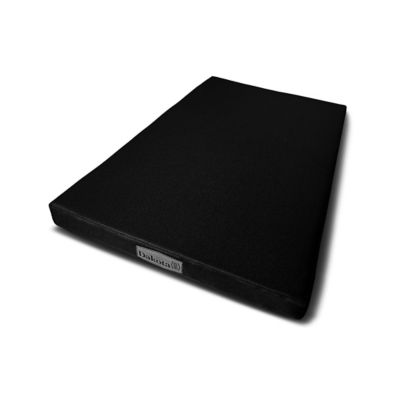
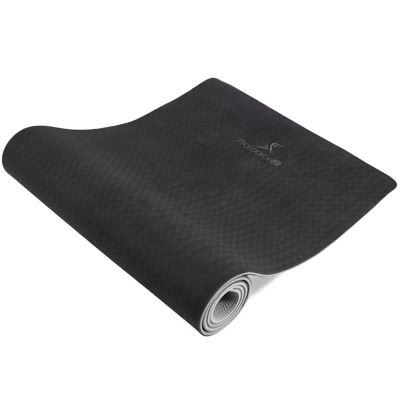
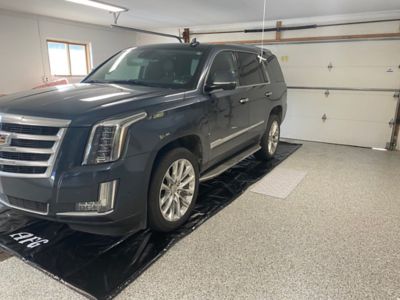
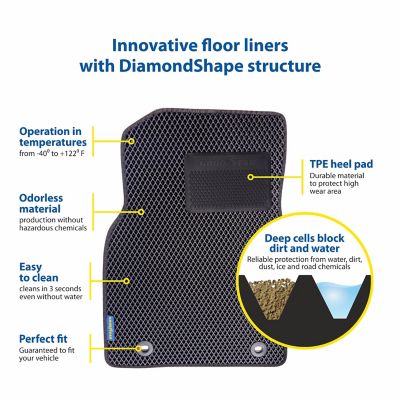
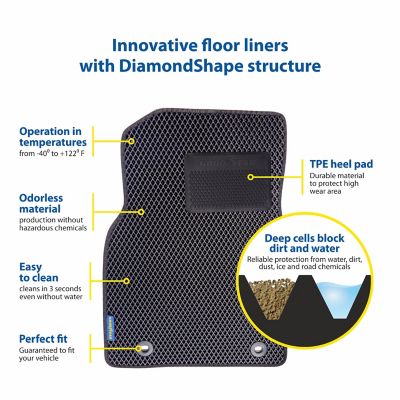
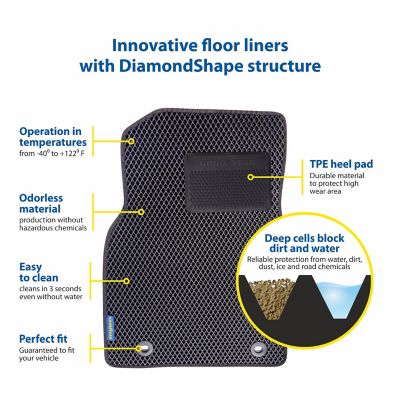
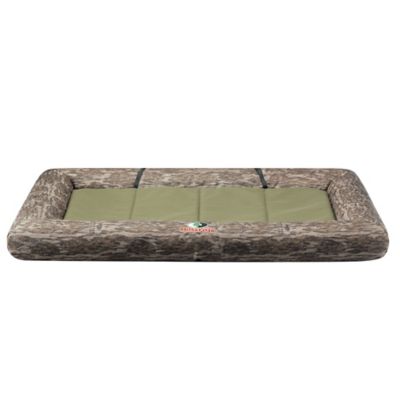
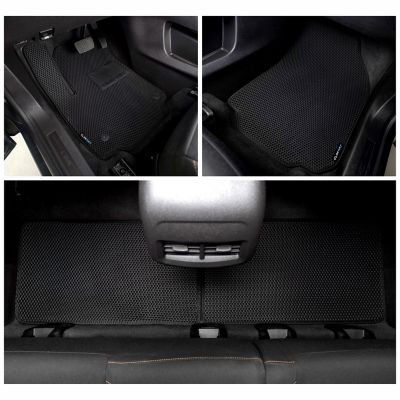
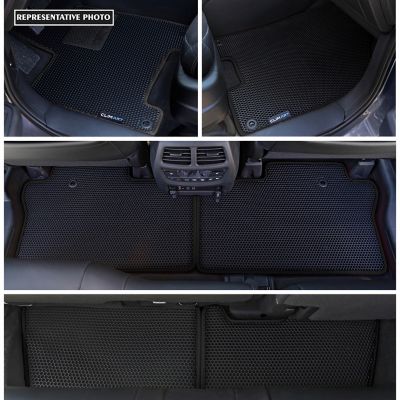
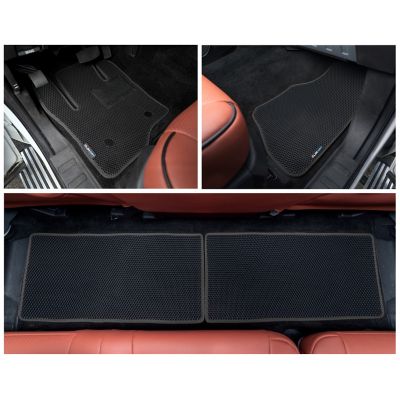
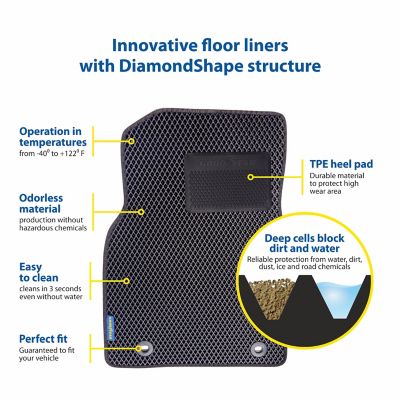
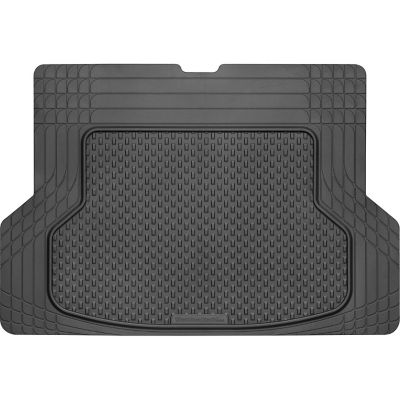
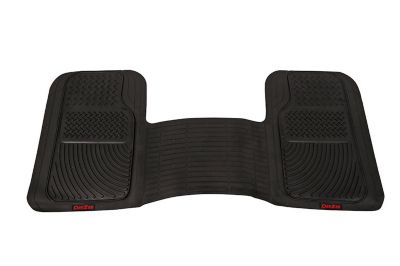
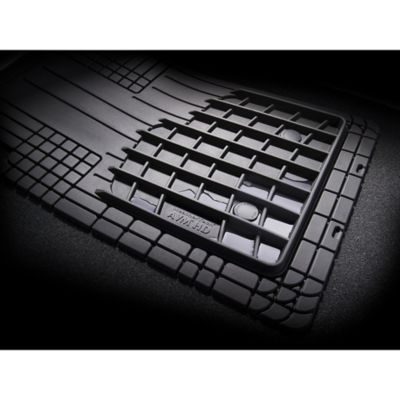
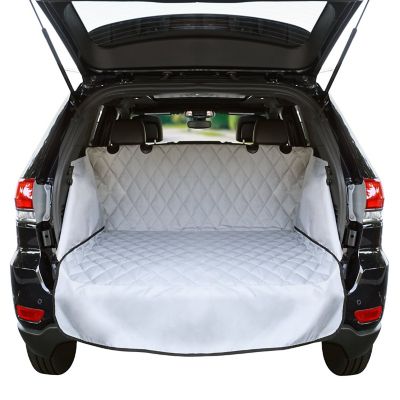
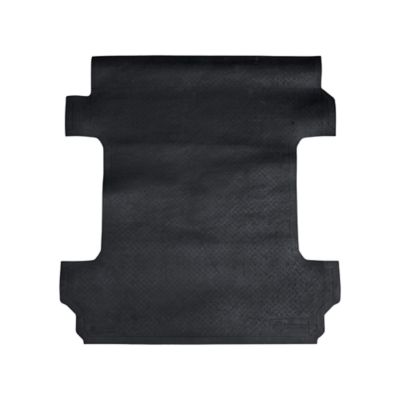
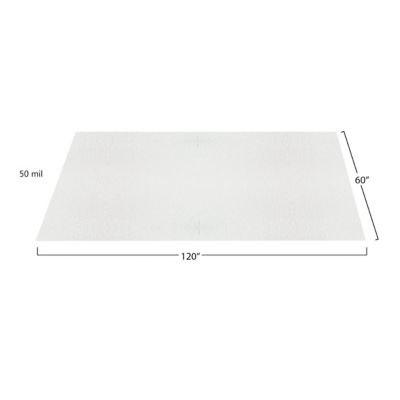
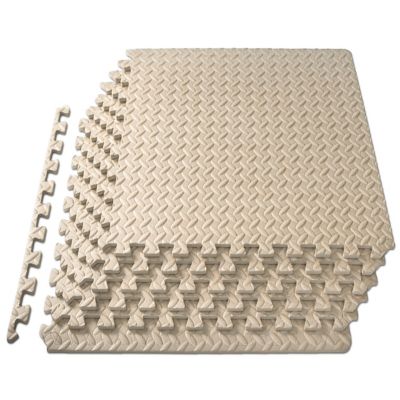
Water-resistant mats help manage tracked-in moisture, mud, and everyday splashes around entryways, kitchens, garages, and other busy spots. They give wet boots and muddy paws a place to land before the mess spreads farther across the floor. Around a country home, that might mean catching grit after a trip to the chicken coop, holding drips from rain-soaked chore boots, or protecting the floor near a pet’s water bowl. How a mat handles that moisture depends on its surface, backing, and construction. Solid rubber and vinyl surfaces generally resist absorbing water, while fabric tops collect moisture in their fibers. A water-resistant backing can help limit seepage underneath, but water resistance does not necessarily mean a mat is waterproof or able to contain standing water indefinitely. Edges, seams, wear, and the amount of water all affect performance. Rubber mats often suit hardworking entrances and utility spaces because their textured surfaces can help scrape soil from footwear. Vinyl and PVC mats offer another option for splash-prone locations, with suitability depending on the particular material and its intended setting. Absorbent microfiber, chenille, and other fabric surfaces can feel softer underfoot while catching damp footprints inside a doorway. Their drying time varies with thickness, airflow, and the amount of moisture they collect. Raised scraper patterns help separate boot soles from some of the dirt and moisture caught below, while recessed channels or borders may help keep small messes contained. Perforated drainage mats work differently: openings let water pass through instead of holding it on top. That makes them better suited to locations where the surface underneath can handle water and drainage is already in place, rather than floors that need protection from seepage. For households with kids, pets, or folks moving between the house and outbuildings all day, these differences matter more than appearance alone. The right construction matches the kind of mess coming through the door, whether that is loose gravel, damp grass, or the slush that tags along during the cooler months.
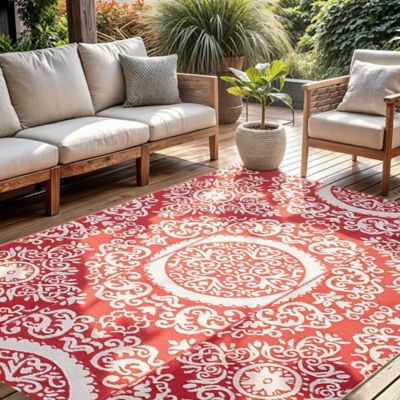
Fit makes a big difference in how well water-resistant floor mats work from day to day. An entry mat needs enough surface area for people to step onto it naturally, rather than planting one boot on the mat and the other on the floor. A wider doorway, a pair of frequently opened doors, or a landing where several people pull off boots may call for more coverage than a narrow side entrance. Length matters, too, especially when there is room for a few steps before reaching carpet or wood flooring. Thickness should work with the door’s swing and the surrounding floor level; a deep pile or tall edge can catch beneath a door or become a stumbling point. Low-profile edges and a mat that lies flat help keep the transition easier for feet, walkers, and rolling carts, though no mat eliminates the chance of a trip or slip. Backing deserves just as much attention as the top surface. A backing intended to resist movement works best on a compatible, clean floor, and some rubber or vinyl compounds can discolor certain finishes. Floor and mat care recommendations can help settle compatibility before placement on hardwood, luxury vinyl, or other finished surfaces. Outdoors, exposure to sunlight, rain, and freezing temperatures calls for a mat specifically rated for those conditions. A covered porch still gets windblown rain, while an open step takes the full weather. Mats that become stiff or curl in cold conditions may not suit an exposed entrance. Indoors, a boot-catching mat near the mudroom door serves a different purpose from a cushioned mat at a sink or workbench. Cushioning can make standing more comfortable, but it does not automatically provide spill containment, traction, or resistance to oil and farm chemicals. Where a porch or patio needs broader coverage beyond the doorway,
Water Resistant Outdoor Rugs offer a related option for outdoor gathering spaces. Keeping the mat’s job clear helps narrow the choice without expecting one surface to handle every task around the place.
Care and everyday wear determine how well a water-resistant mat keeps doing its job after the first muddy afternoon. Grit acts like an abrasive under boots, and a mat packed with dried soil has less room to catch the next round of debris. Regular shaking, sweeping, or vacuuming, when appropriate for the construction, helps clear that buildup before it gets ground deeper into the surface. Solid rubber and vinyl mats may allow rinsing with water and mild soap, but cleaning directions matter, especially for bonded layers, printed finishes, or specialty backing. Some fabric mats can go in a washing machine; others need spot cleaning or a gentler rinse. Machine washing should always depend on the care label, and a large, waterlogged mat may exceed a household washer’s capacity even when its fabric is washable. Strong cleaners, solvents, high heat, and aggressive pressure washing can damage materials that otherwise handle ordinary splashes well. Drying is part of floor protection, not just housekeeping. A mat that looks dry on top may still hold moisture beneath its backing, particularly in a cool mudroom or shaded garage. Letting both the mat and the floor dry completely before putting it back helps reduce lingering dampness and conditions that encourage mildew. After a stretch of wet weather, checking underneath is worthwhile even when the surface seems to be keeping up. Absorbent mats also need time to release the water they collect; once saturated, they can leave wet footprints rather than prevent them. For busy entrances, a scraper outside and an absorbent mat just inside can divide the work between knocking off soil and catching remaining moisture. Neither replaces wiping up puddles or clearing ice from a walkway. Over time, flattened fibers, cracked backing, curling corners, and worn tread are signs that performance may be slipping. Strong edges, a surface suited to boot traffic, and manageable cleaning requirements all contribute to a mat that fits daily life. Whether the main concern is a splashing water bowl, damp shoes by the kitchen door, or muddy boots after chores, practical water-resistant mats help keep those small messes from traveling through the house.