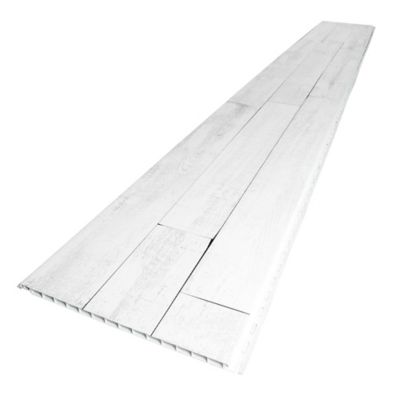
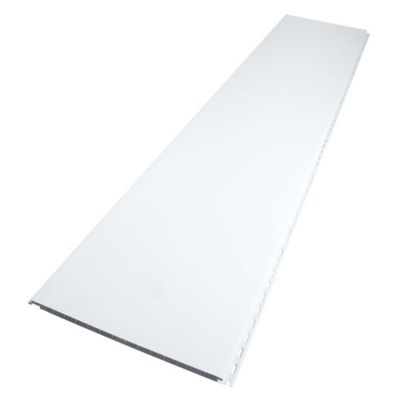
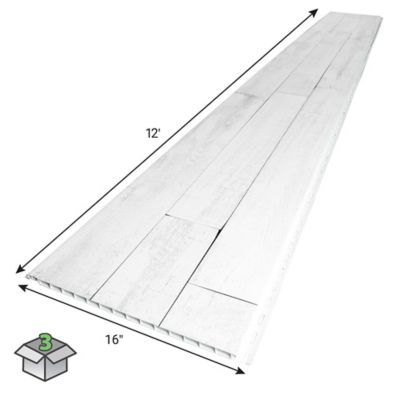
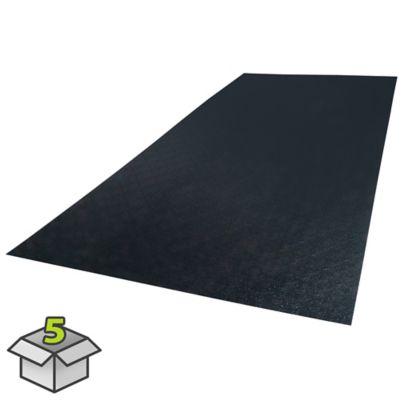
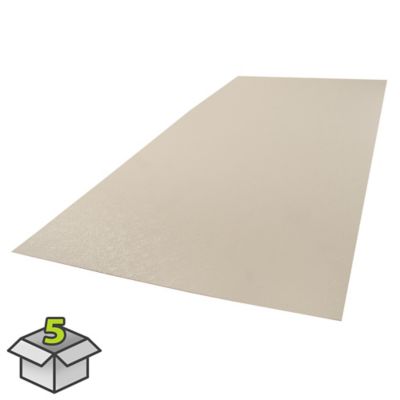
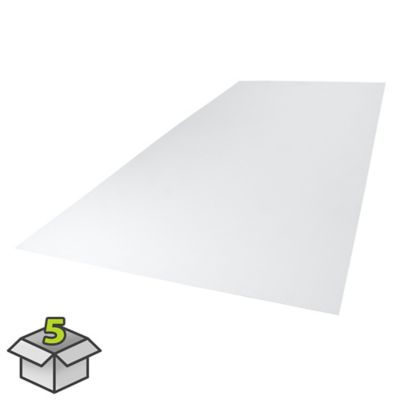
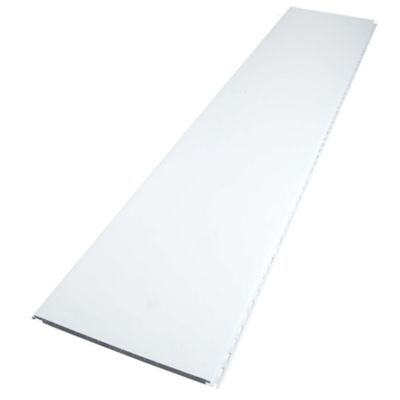
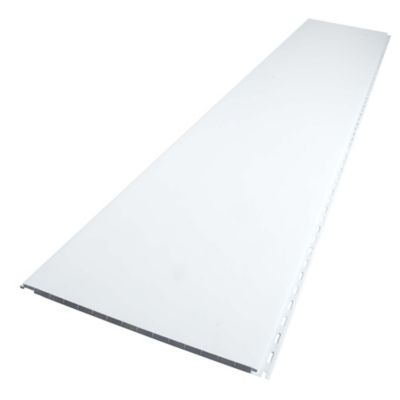
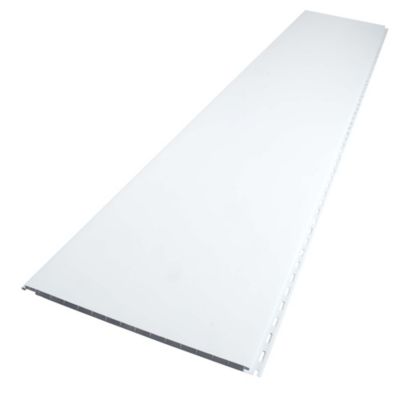
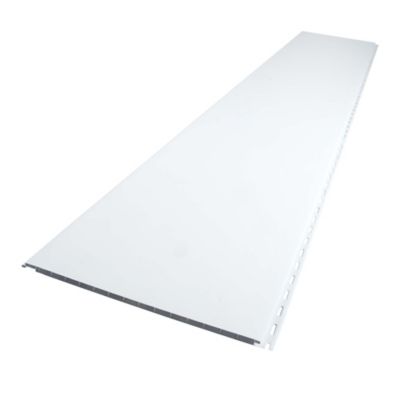
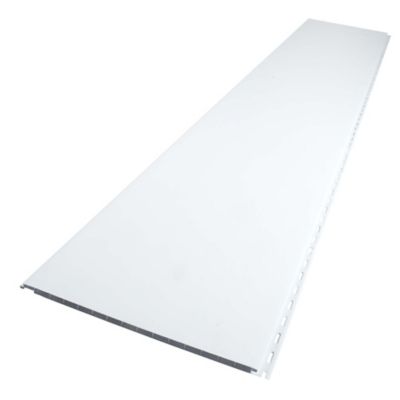
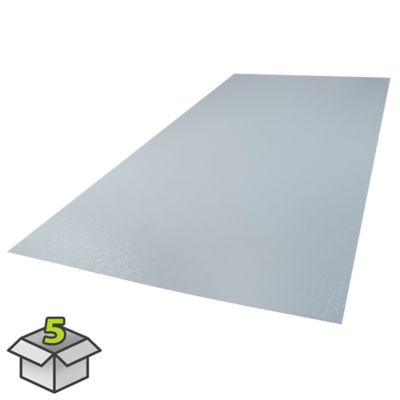
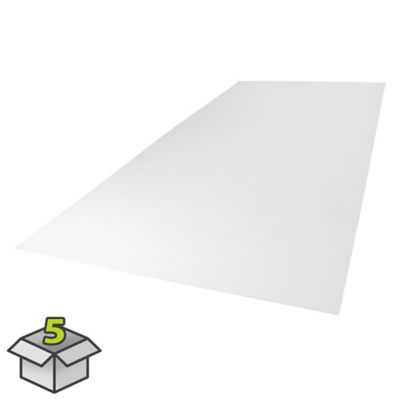
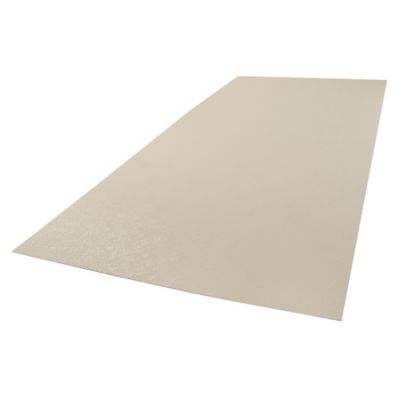
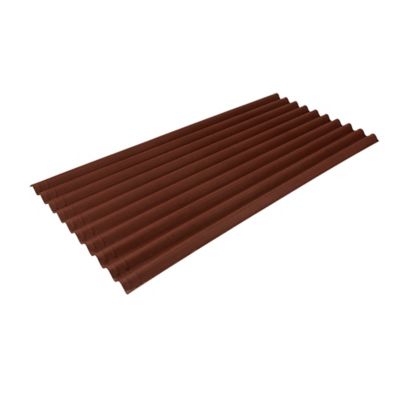
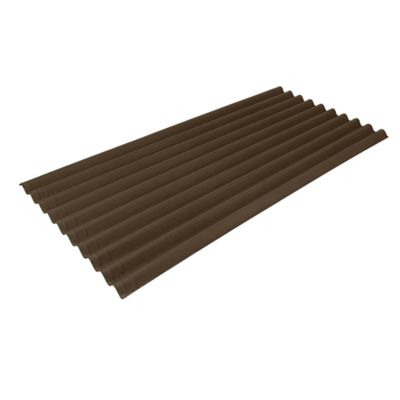
Laundry room wall panels give a hardworking space a finished look while helping shield the wall surface from everyday splashes, scuffs, and laundry-day messes. In a house where chore clothes, muddy towels, and bedding make regular trips through the wash, that wall covering has more to do than look nice. The right material depends on how much moisture reaches the walls, how often they need wiping down, and whether the room doubles as a mudroom or utility space. PVC and vinyl wall panels generally offer low water absorption and easy-clean surfaces, making them worth considering near a laundry sink or behind a washer. Fiberglass-reinforced plastic, often called FRP, is another option for utility areas that see frequent cleaning and plenty of activity. Many FRP panels have a pebbled face, while smooth finishes offer a different appearance and cleaning feel. Water resistance varies by panel construction, finish, and installation system; a water-resistant panel alone does not make the whole wall waterproof. Seams, corners, fastener holes, and edges around plumbing all affect how well the finished surface keeps moisture away from the backing. Wood, plywood, and medium-density fiberboard panels bring a warmer look, with beadboard and shiplap profiles that fit comfortably alongside cabinets, open shelving, and a sturdy folding counter. These materials generally belong in areas with controlled humidity and limited direct splashing unless their manufacturer specifies otherwise. A painted finish can help protect suitable wood-based panels, but exposed cut edges still need attention, and moisture-resistant MDF is not the same as a waterproof material. Laundry room wall paneling can cover an entire wall or form a lower section beneath paint, depending on the room and the amount of protection needed. For households handling everything from school uniforms to barn jackets, a washable lower wall can be especially practical where hampers bump the surface and damp cuffs brush past on the way to the washer.
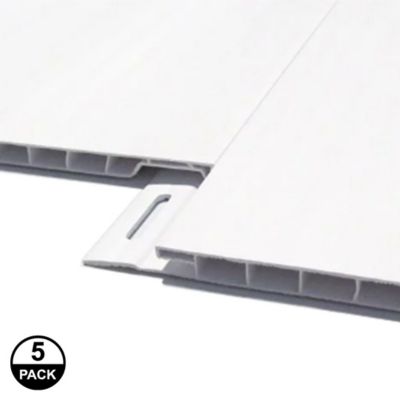
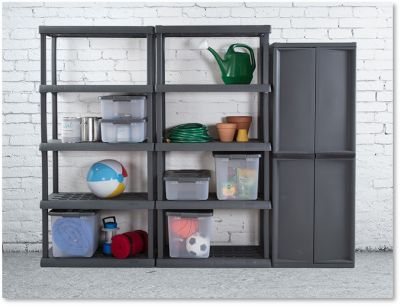
Fit matters just as much as the face of the panel, particularly in laundry rooms where appliances, hoses, outlets, and narrow walkways already compete for space. Full sheets provide broad coverage with fewer joints, while planks and smaller sections create a more pronounced pattern and may be easier to handle in a tight room. Sheet dimensions and actual coverage are not always interchangeable, since overlapping or interlocking edges can reduce the exposed width. Panel thickness also changes how the finished wall meets door casing, baseboards, outlet boxes, and existing cabinets. Behind a washer and dryer, even a modest change in wall depth needs to work with the appliance manufacturer's clearance requirements, hose connections, and dryer vent routing. Interlocking panels, adhesive-mounted sheets, and mechanically fastened systems each have their own substrate and attachment requirements. A flat, sound backing helps panels sit evenly; loose paint, damp drywall, or crumbling plaster can interfere with a secure installation. Adhesives must suit both the panel material and the wall beneath it, and some systems call for expansion space as temperatures and humidity change. Matching edge trim, inside corners, and joint pieces give transitions a neat finish and may be part of the specified moisture-control system. Appearance has a practical side, too. Light-colored panels can brighten a windowless laundry nook, while a midtone finish may make everyday marks less noticeable near the back door. Vertical beadboard lines lend a familiar farmhouse feel, and horizontal plank patterns give a long wall a quieter, more open appearance. Smooth panels sit comfortably beside painted cabinetry and simple metal shelving without adding much visual fuss. In a combined laundry and mudroom, a lower paneled section can help protect the area behind a boot bench or hamper station. Full-height coverage may make more sense around a busy utility sink, provided the chosen panels and their joints are rated for that level of exposure. Neither layout replaces proper ventilation or repair of a leaking supply line.
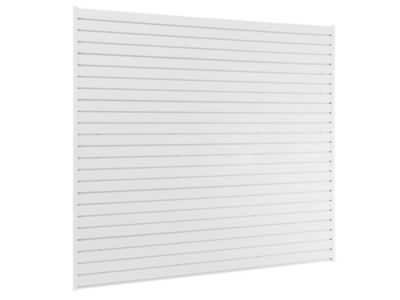
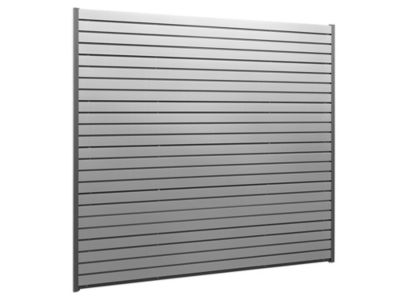
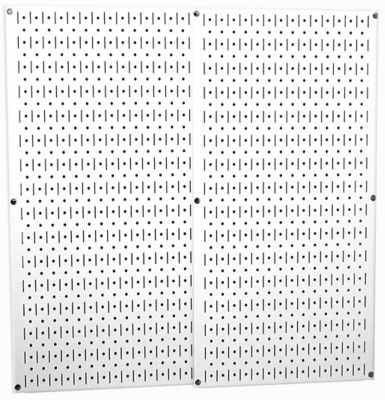
Everyday care is another useful way to compare laundry room wall panels, since lint, detergent drips, and soil from work clothes tend to collect in different places. A smooth, nonporous face generally wipes down more easily than a deeply grooved or rough surface, though any finish needs a cleaning method that matches its manufacturer's directions. Mild soap and a soft cloth are often suitable, while abrasive pads, strong solvents, and concentrated cleaners can scratch, dull, or discolor some materials. Raised patterns and textured FRP surfaces may need a little more attention around seams and behind appliances, where lint settles out of sight. Paintable paneling offers flexibility when cabinets or flooring change, but its long-term performance depends partly on the coating and how well edges remain sealed. For a room that handles heavy hampers, rolling carts, or wet outerwear, impact resistance, scratch resistance, and resistance to cleaning chemicals deserve separate consideration; strength in one area does not guarantee the others. Wall storage adds another layer of function. Slatwall-style panels designed as storage systems can support compatible hooks, baskets, or shelves within their stated load limits, helping keep clothespins, brushes, and other laundry supplies off the folding counter. Ordinary wall paneling should not be treated as structural support for cabinets, drying racks, or loaded shelves; those fixtures need suitable anchoring into framing or another approved backing. Homes with a connected workshop or utility area may also benefit from comparing
Garage Wall Panels for similar considerations around wall protection, cleaning, and storage. During cooler weather, when damp coats and extra blankets make their way indoors, good airflow remains important regardless of the panel material. No wall covering eliminates condensation or prevents mold wherever moisture and soil linger. A laundry room that stays dry, has accessible shutoff valves, and offers enough room to reach appliance connections is easier to keep in working order. Panels suited to that setting bring together a tidy finish and sensible protection, whether the space is a small closet off the kitchen or a full utility room beside the back porch.