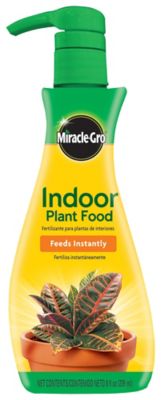
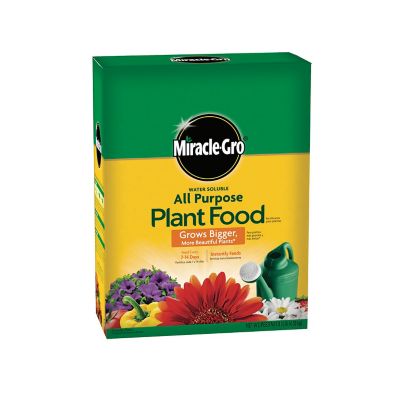
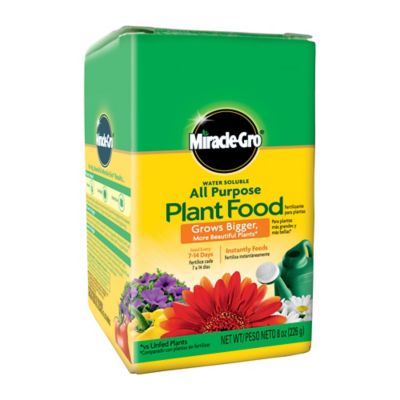
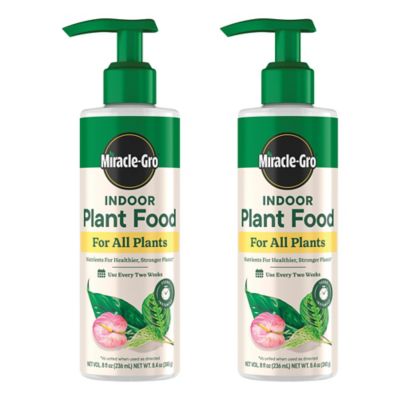
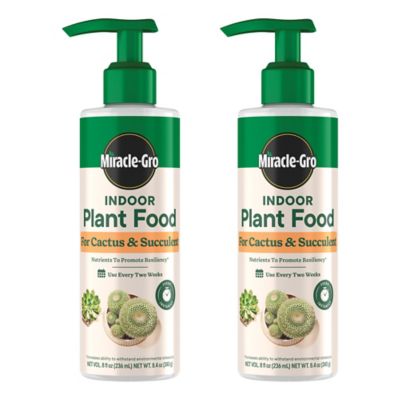
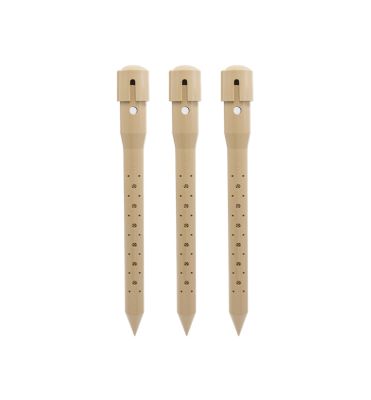
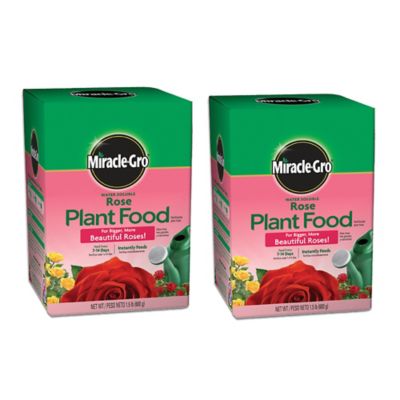
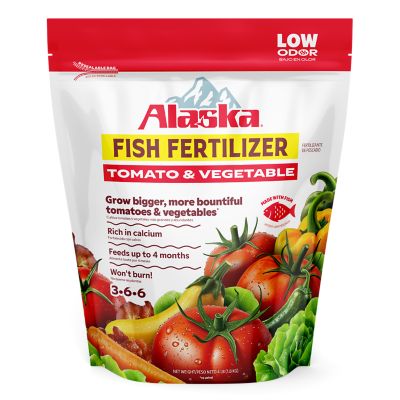
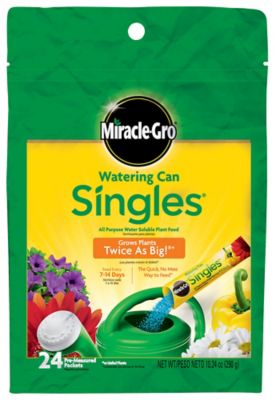
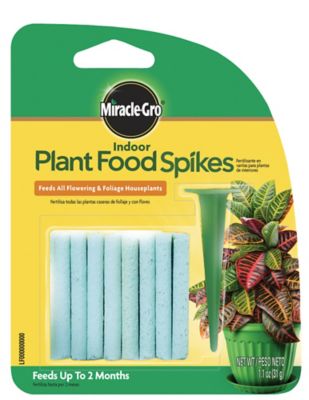
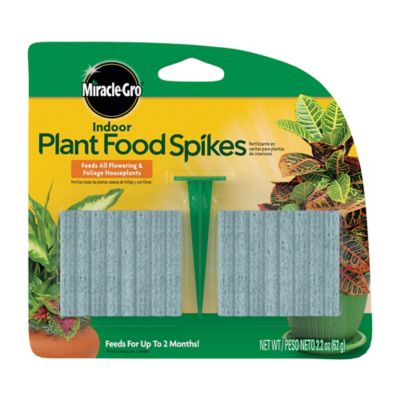
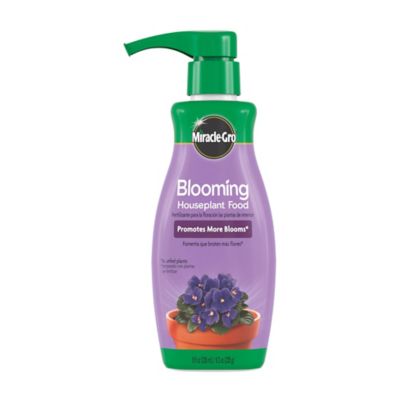
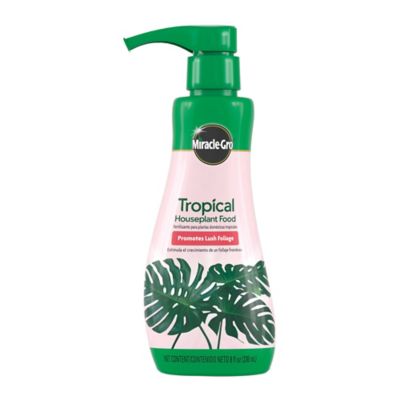
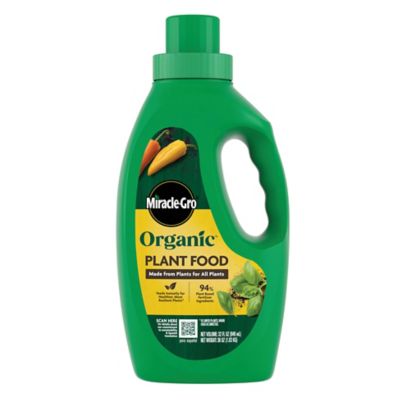
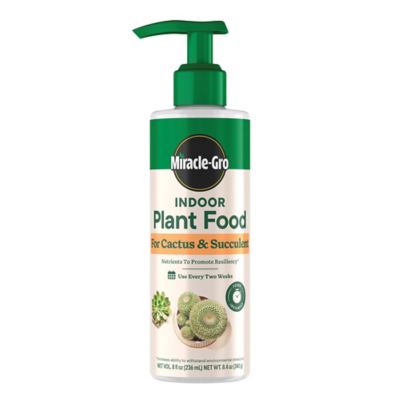
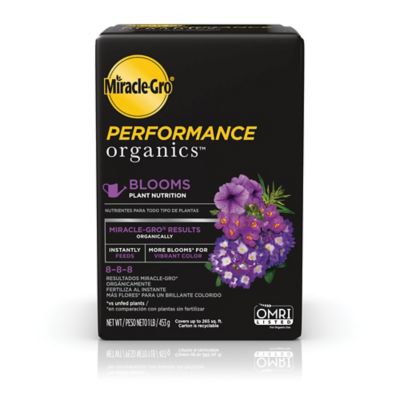
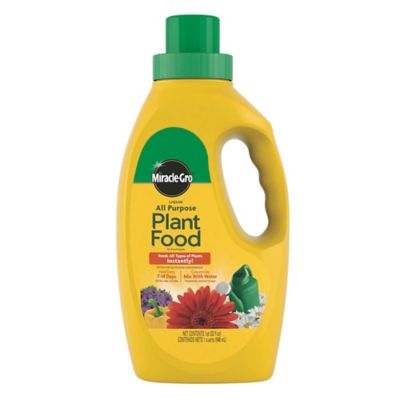
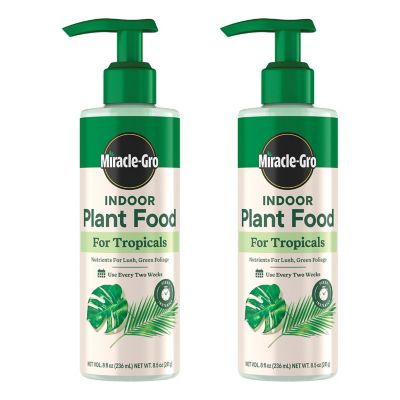
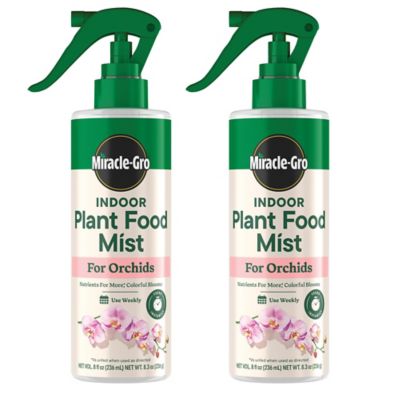
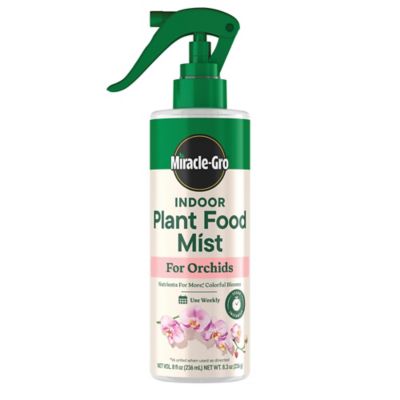
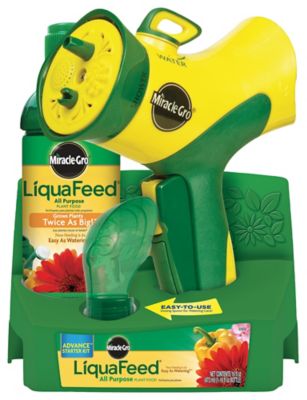
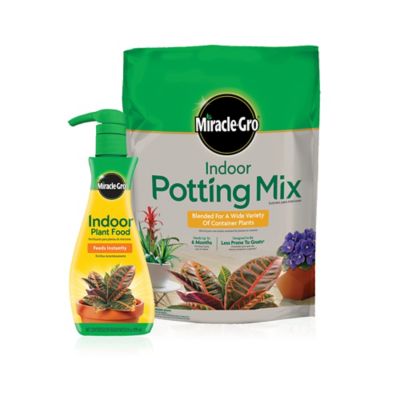
Indoor plant lovers know that a little extra care goes a long way, especially when it comes to keeping houseplants thriving through the changing seasons. Whether you’re tending to a collection of lush pothos and peace lilies by the window or coaxing blooms from African violets and orchids on the kitchen sill, the right fertilizer can make all the difference. Folks who spend time indoors with their plants—whether you’re a seasoned green thumb or just starting out—appreciate how a balanced fertilizer helps keep leaves green, roots strong, and stems sturdy. When picking out fertilizer for indoor plant growth, it’s smart to look for blends with the right mix of nitrogen, phosphorus, and potassium (N-P-K). Nitrogen keeps those leaves looking healthy and vibrant, phosphorus supports root development and flowering, and potassium helps your plants stand tall and resist stress. Liquid fertilizers are popular for houseplants since they’re easy to dilute and feed directly when watering, giving you more control over how much your plants are getting. Slow-release granules or spikes are another handy option, especially if you’d rather not fuss with frequent feedings—just push them into the soil and let them do their thing over several weeks.
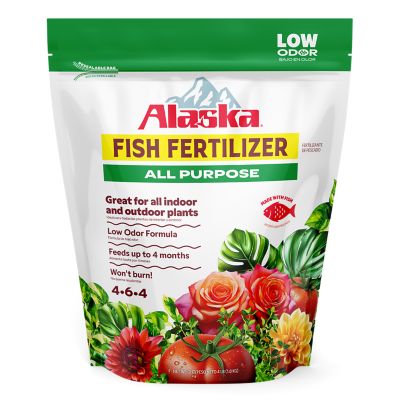
As the days shift from the heat of summer into the cooler, cozier months, indoor plants naturally slow down their growth. That’s why it’s best to ease up on fertilizing once you notice new leaves aren’t popping up as quickly. During the more active growing seasons, like spring and summer, feeding every couple of weeks can give your houseplants the boost they need to put on fresh growth and stay looking their best. Always remember to water your plants before adding liquid fertilizer, as this helps prevent any root burn—nobody wants to see their favorite fern get crispy around the edges. For folks who’ve just repotted their plants, it’s a good idea to hold off on fertilizing for a bit, since fresh potting soil usually comes packed with nutrients already. Organic fertilizers, like worm castings or fish-based blends, are a gentle choice for those who want to keep things as natural as possible and can be especially helpful for sensitive or finicky plants. These products also make thoughtful gifts for anyone who enjoys a little greenery indoors, from college students decorating their dorms to grandparents tending to a sunny porch full of potted friends. And if you’re looking to give your outdoor vegetable patch a leg up as well, check out our page on
Fertilizer For Vegetable Growth Boost for more options tailored to edible plants.
No matter if you’re tending to a single succulent on your desk or filling every corner of your home with leafy companions, finding the right fertilizer is all about matching your plants’ needs with your own routine. Some folks love the ritual of mixing up a watering can with a dash of liquid feed, while others prefer the set-it-and-forget-it ease of slow-release formulas. If you’re shopping for someone who’s just getting started with houseplants, a simple, balanced fertilizer is a practical and much-appreciated gift—especially as the seasons change and plants need a little extra help to stay perky. With the right nutrition, your indoor garden can keep bringing a bit of the outdoors inside, no matter what the weather’s doing outside. Whether you’re after lush foliage, healthy roots, or just want to see your favorite plant put out a few more blooms, a good indoor plant fertilizer is a trusty tool to have on hand all year round.