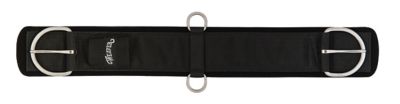
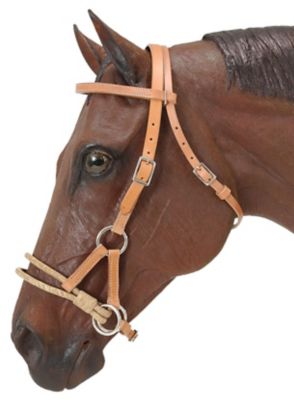
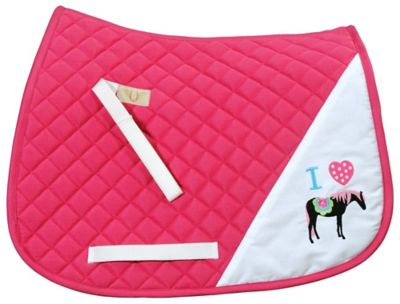
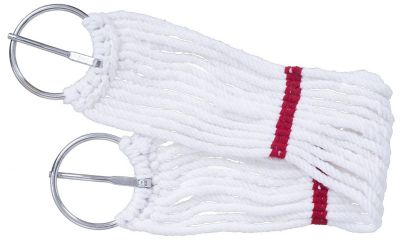
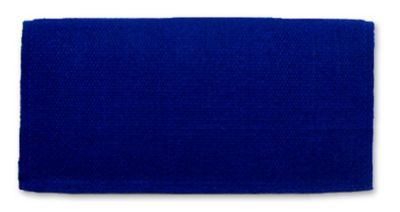
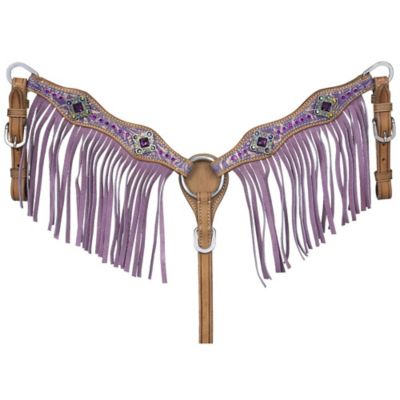
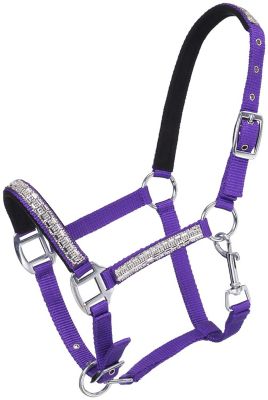
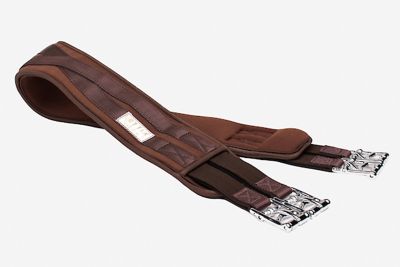
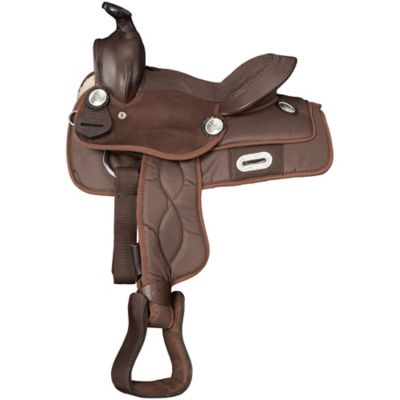
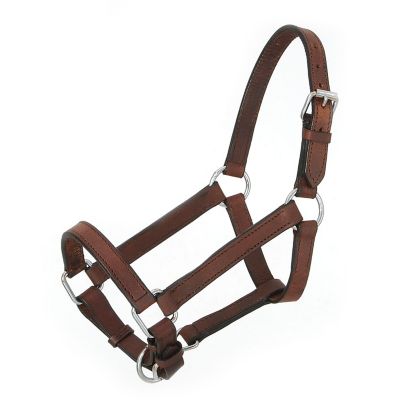
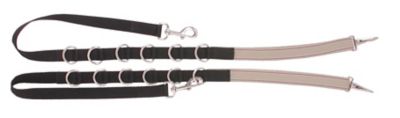
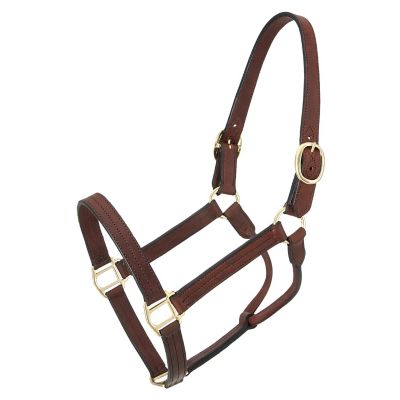
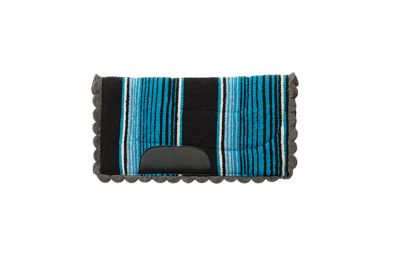
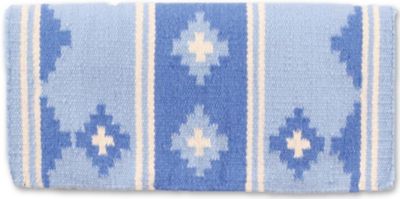
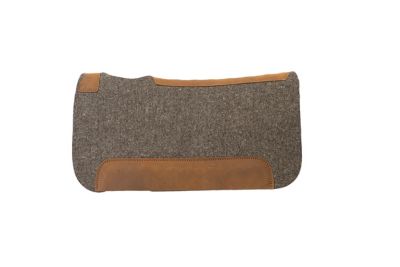
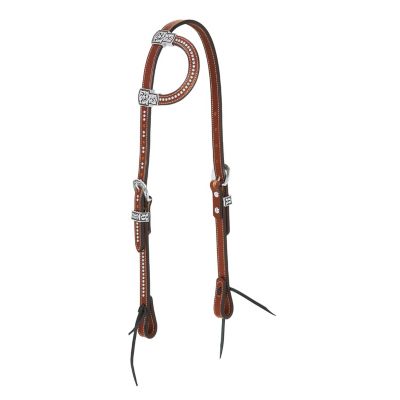
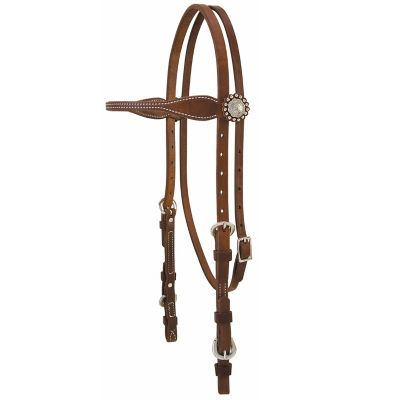
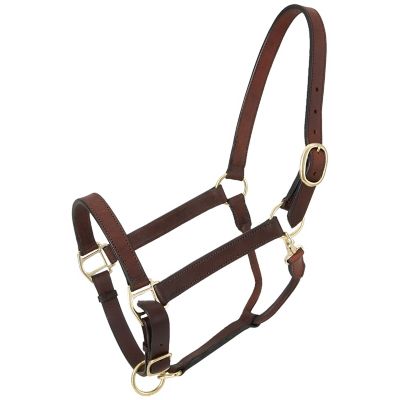
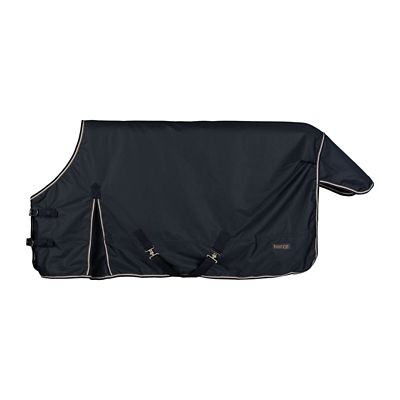
Pony tack helps make time in the saddle safer, more comfortable and more enjoyable for both pony and rider. Whether a young rider is learning the basics, a small adult is looking for a good fit, or an experienced handler is keeping a trusted pony outfitted for everyday work, the right tack should match the pony’s size, build, way of going and the kind of riding you plan to do. Start with fit, since a piece that looks fine hanging on a rack can rub, pinch or shift once the pony is moving. Measure carefully and allow for the pony’s breed, body shape and winter coat, especially during the cooler months when a thicker coat or blanket may change how tack sits. Check the pony’s back for a level, even surface and pay attention to the withers, shoulder movement and loin area when choosing saddle-related gear. A saddle should stay balanced without rocking, while a pad should provide a smooth, clean layer between the pony and the saddle without bunching underneath. Girths and other securing pieces should be snug enough to keep everything steady but never so tight that the pony cannot breathe or move freely. For headgear, take time to compare measurements around the face and nose, and look for adjustable points that allow a growing pony or a pony with an unusual head shape to get a better fit. Our selection of
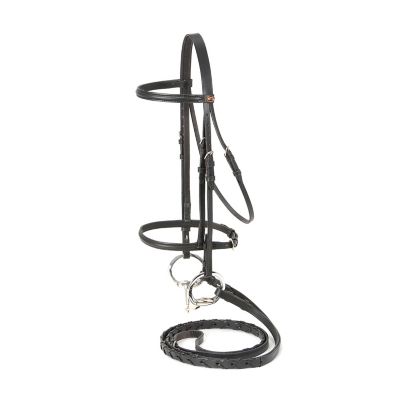
Pony Bridles can help round out a properly fitted setup, whether you need everyday equipment for lessons, a dependable choice for trail rides or a thoughtful addition to a young rider’s first tack collection. Before every ride, run your hands along the underside of straps and padding to check for grit, cracked leather, stiff edges or worn stitching. A few quiet minutes in the barn can catch a problem before it turns into a sore spot or a broken piece of tack out on the trail.
Pony tack is used in plenty of settings, from short rides around a pasture to arena practice, local shows, mounted games and relaxed trail outings with the family. A child’s tack should be easy to handle and sized so small hands can buckle, adjust and clean it with a little supervision. Straightforward closures, clearly placed adjustment holes and sturdy construction help young riders learn good habits instead of fighting with equipment that is too large or complicated. Adults who ride ponies may need to pay especially close attention to balance and weight distribution, since a pony’s back has different limits than a full-sized horse’s back. When selecting tack for shared use, keep a simple record of measurements for each pony and avoid assuming that one size will fit every animal in the barn. A stocky pony may need a different shape than a narrow, fine-boned pony, even when their height is similar. Comfort also matters for the rider. A secure, well-balanced setup helps a beginner sit quietly, keep their hands steady and build confidence, while a seasoned rider can focus on steering, rhythm and the trail ahead. Tack can make a meaningful gift for a child who spends every spare minute brushing a pony, a family adding a first pony to the farm or a rider preparing for lessons. Gift shoppers may want to pair practical tack with basics such as care supplies or storage help, but the best choice still depends on the pony’s measurements and the rider’s experience. When the fit is uncertain, a gift card or a conversation with the pony’s trainer can be more useful than guessing. The same care applies to used or hand-me-down tack: inspect every strap, buckle, keeper and attachment point, and replace anything that has stretched, dried out or lost its strength. In the barn, dependable tack earns its place through many ordinary moments—quiet walks through damp grass, lessons under an open sky and the familiar sound of buckles being fastened before a ride.
Good tack lasts longer when it is cleaned and stored as part of the regular barn routine. Brush away dust and dried sweat after each use, then wipe surfaces with a cleaner suited to the material. Moisture, mud and manure can work into seams and hardware, so give tack a chance to dry fully before putting it away. Avoid leaving it in direct sun, near a heat source or in a damp corner of the tack room, where leather can dry out and synthetic materials can become brittle over time. Hang bridles and other headgear so they keep their shape, coil reins and straps loosely rather than folding sharp creases, and store pads where air can circulate. During the cooler months, tack may come back from the barn wet with dew, rain or melting frost; drying it properly helps prevent mildew and keeps buckles from corroding. Before a longer ride, inspect the full setup from end to end, including billets, keepers, rings, stitching and any areas hidden beneath layers of padding. Watch the pony while tacking up and again after a few minutes of walking. Pinning ears, swishing the tail, dipping the back, refusing to move forward or showing new rub marks may signal that something needs adjustment, even if the tack seemed to fit at first glance. Clean equipment is more pleasant to handle, easier to inspect and kinder to a pony’s skin, especially when dust and sweat build up during busy riding seasons. With thoughtful sizing, regular checks and a little everyday care, pony tack can support years of confident riding, from a child’s first supervised lesson to peaceful rides along a fence line as the weather changes.