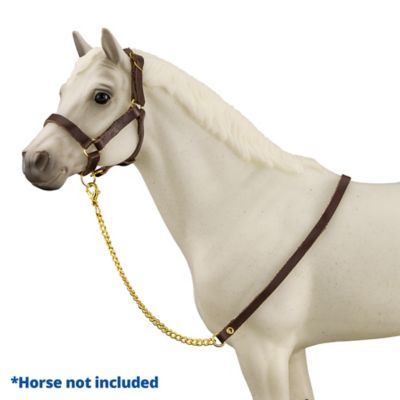
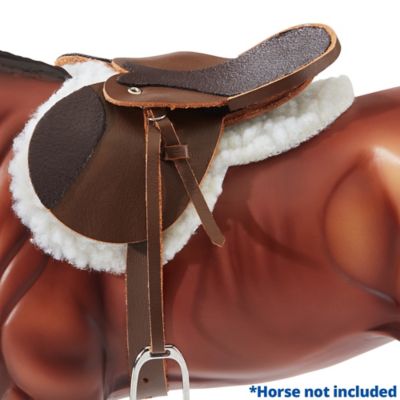
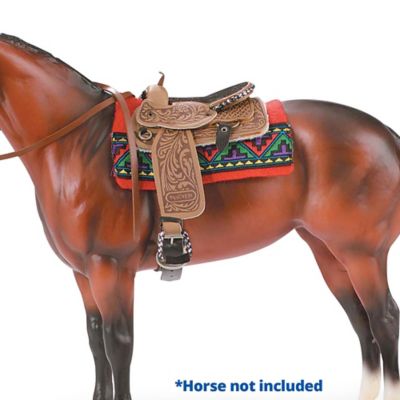
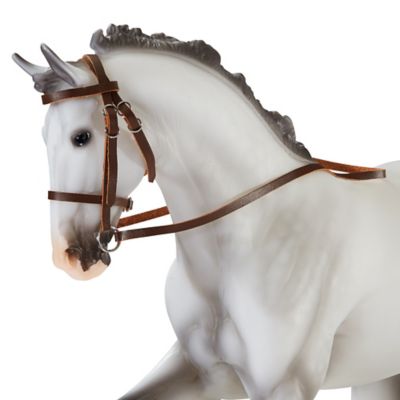
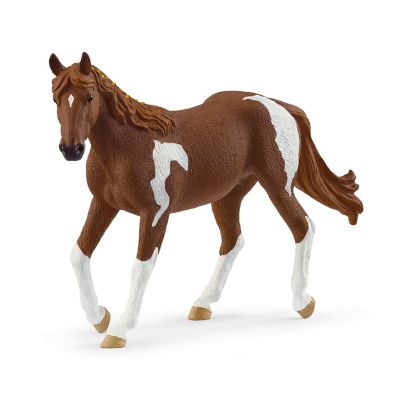
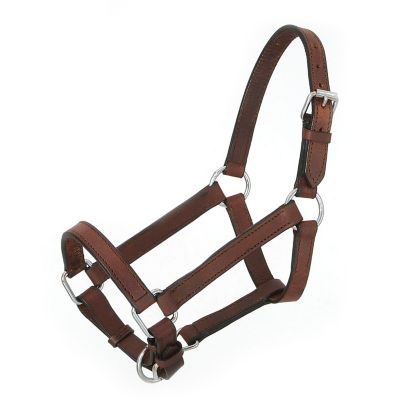
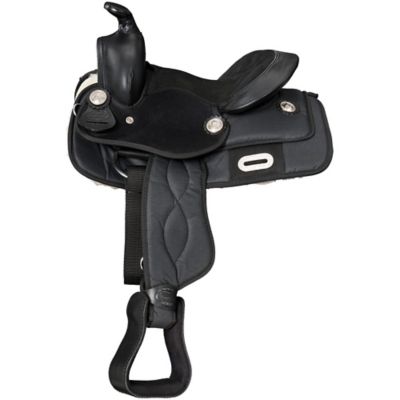
Model horse accessories turn a single horse figure into a little slice of barn life, with the details that make a stable, riding arena, or ranch scene feel complete. A saddle resting on a stand, a halter hanging beside a stall, and a blanket folded over a rail all help tell the story of a horse’s day. For kids who enjoy pretend play, those details give their horses something to do beyond standing on a shelf. A figure can head out for a trail ride, return to its stall, or get ready for a make-believe show. For collectors, accessories add depth to a display without taking attention away from the horses themselves. The appeal often comes from familiar details: the shape of a saddle seat, the way reins fall along a neck, or the look of a neat row of stalls. Western riding scenes, English riding setups, and everyday farm settings each call for a different mix of equipment, so the best match depends on the story taking shape. Accessories with working straps or movable parts can support hands-on play, while finely detailed pieces may be better suited to careful arranging and display. Horse lovers who spend time around a real barn may enjoy bringing recognizable routines into a smaller setting, and newcomers can explore the names and purposes of everyday horse equipment through imaginative play. These pieces are meant for model horses, not live animals, even when they resemble full-size tack. For a compact scene,
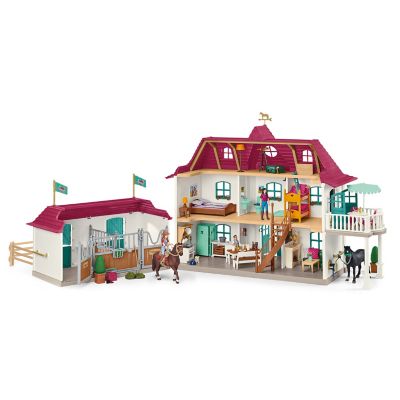
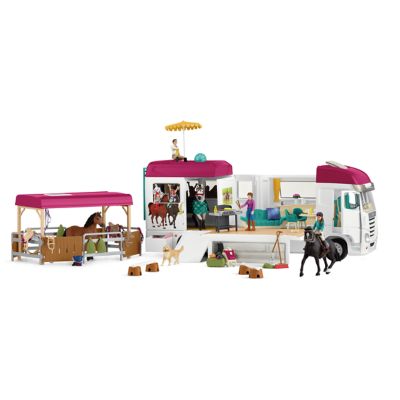
Miniature Model Horse Sets can provide a starting point for thinking about scale and layout. A tabletop pasture needs enough room for horses to stand naturally, while a stable scene benefits from space around doors, feed areas, and tack storage. Keeping the setting in proportion helps the whole scene come together, whether it fills a small shelf or spreads across a play table.
Scale is one of the biggest considerations when choosing model horse accessories, but a matching scale designation doesn’t always guarantee the same fit on every figure. A broad-backed horse, a narrow pony, and a horse posed with its head lowered can each need a different arrangement of straps and equipment. Saddles should sit in a sensible position without forcing rigid parts against the horse’s back, and bridles need room around the ears, muzzle, and mane. Molded manes and tails can also affect how blankets, harness pieces, or straps settle into place. Product dimensions and compatibility notes are worth checking, especially when accessories will join a collection that already includes several horse sizes. Materials influence both the look of a scene and how the pieces handle everyday attention. Molded plastic can hold small details and is often straightforward to wipe clean. Fabric brings a softer look to blankets and saddle pads, while leather or leather-like straps can give miniature tack a more lifelike appearance. Metal rings, buckles, and clips may add detail, though tiny hardware can take patience to fasten. Flexible parts generally make dressing a horse easier, while stiff pieces may hold their shape better in a stationary display. Stitching, strap attachments, hinges, and closures deserve a close look because those are the places that tend to get the most handling. A child setting up rides and changing tack throughout the day may be happier with easy closures and fewer delicate pieces. Someone arranging a collection for display may prefer finer details, even if fitting each piece takes a little more time. Accessories don’t need to reproduce every part of a real barn to make a convincing scene. A few well-proportioned pieces, with enough space for the horses to move through the setting, often look more natural than a crowded arrangement. The same approach makes play less frustrating: doors that clear a horse’s ears, fences that leave room for a gate, and tack that fits without a tug all keep the focus on the horses.
Care and storage matter just as much as appearance, particularly when small straps, buckles, and loose pieces travel between a play area and a shelf. Cleaning directions can vary by material, so the manufacturer’s recommendations should set the routine. A soft, dry cloth may be enough for light dust, while some washable plastic pieces can tolerate a gentle wipe with a damp cloth. Fabric, leather, painted surfaces, and metal fittings may need different handling; soaking everything together can leave water marks, affect finishes, or damage attachments. Letting cleaned pieces dry fully before putting them away helps protect both the accessories and the model horses beside them. Taking tack off gently, rather than pulling it over ears or through a stiff mane, can reduce strain on straps and help prevent rubbing against a figure’s finish. Divided storage keeps little parts from tangling, and a separate space for each horse’s equipment makes the next setup easier. For displays, keeping heavier structures steady and leaving clearance around delicate pieces helps prevent accidental bumps. Intended use is important, too. Some accessories are designed for children’s play, while others are collector pieces with small parts or delicate construction. Age recommendations and safety information deserve attention, especially in homes where younger children share the same play space. Model horse accessories can make a thoughtful birthday gift for a horse-loving child, a rider who enjoys collecting, or someone building a miniature stable scene. Matching the recipient’s existing horse size and favorite riding style makes the gift more personal without needing a whole new setup. A child who loves acting out chores may get more enjoyment from simple, easy-to-handle barn equipment, while a collector may appreciate details that suit a carefully arranged shelf. With the right fit, sensible care, and a clear purpose, accessories give model horses a setting that feels familiar—from a tidy tack area to a quiet stall at the end of a pretend ride.