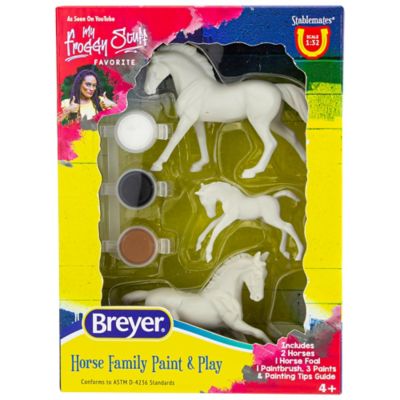
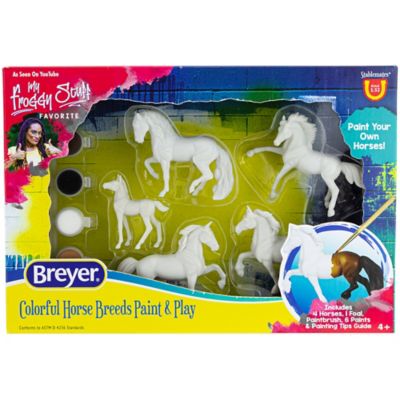
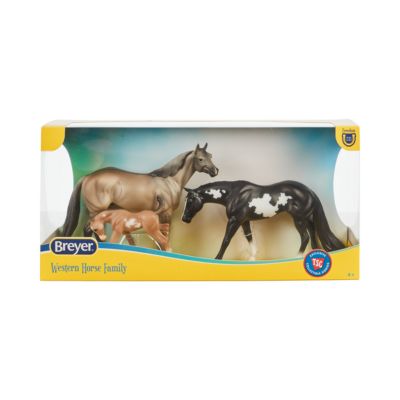
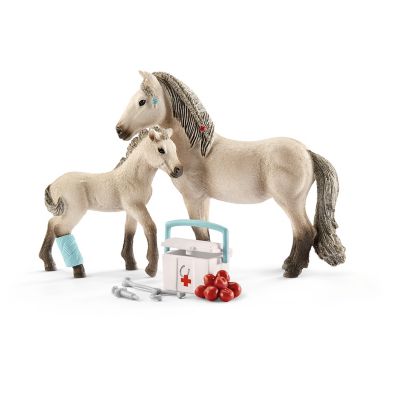
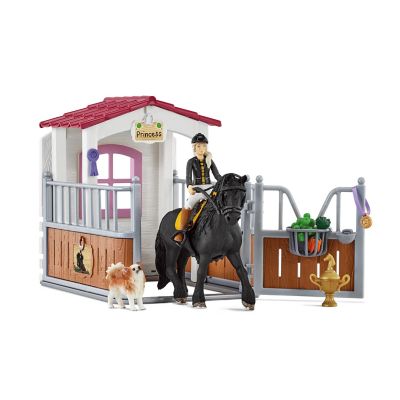
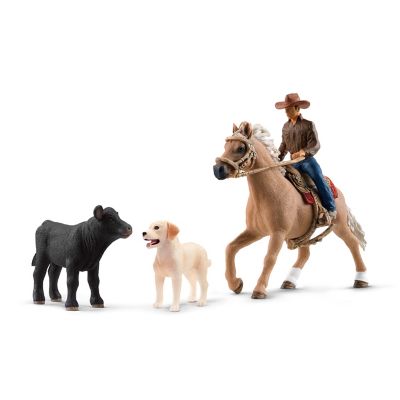
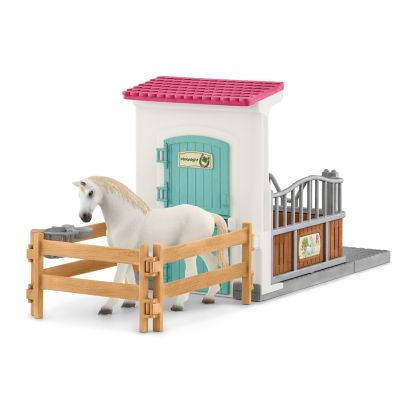
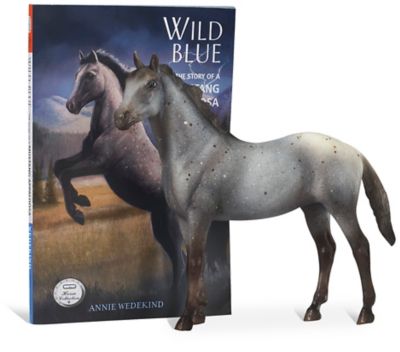
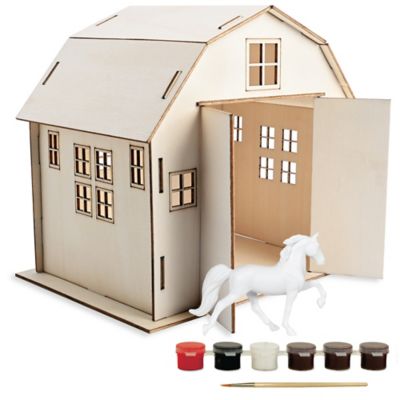
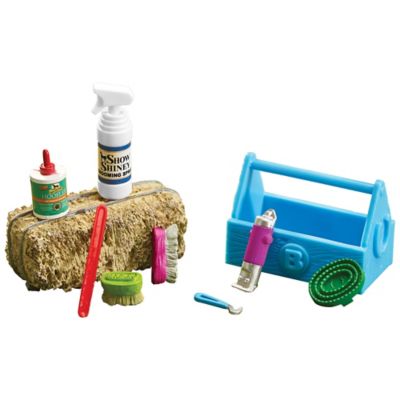
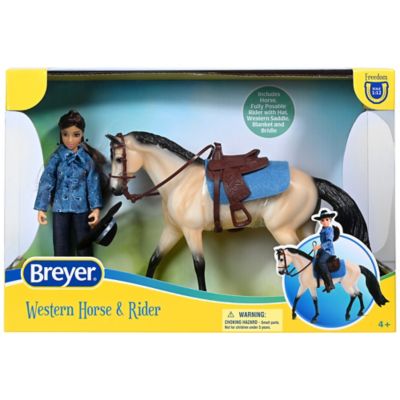
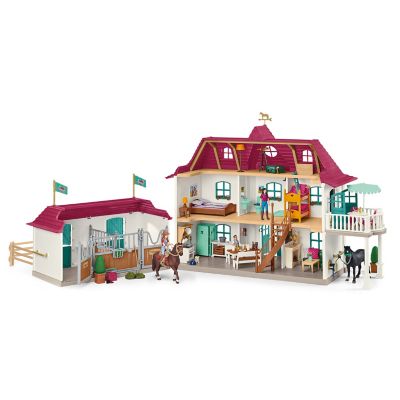
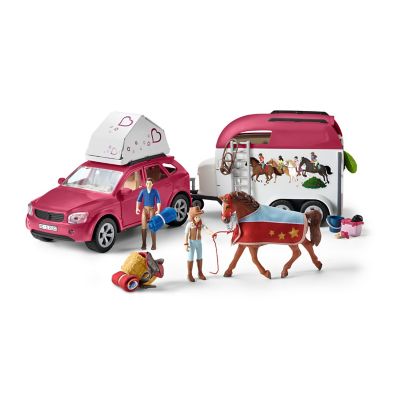
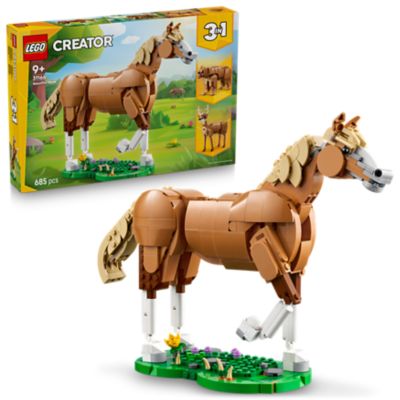
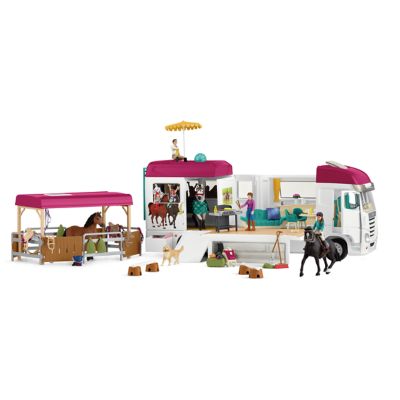
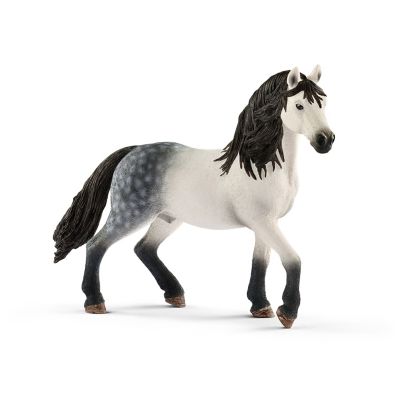
Miniature model horse sets bring a little piece of barn life to a playroom, tabletop, or collector’s shelf. A group of horses can suggest a quiet pasture, a busy stable, or a mare keeping watch over her foal, all without taking up much space. Part of the appeal is in the small details: the shape of a muzzle, the sweep of a tail, a blaze down the face, or white socks standing out against a darker coat. Standing poses lend themselves to feeding and grooming scenes, while walking and running poses give an arrangement a sense of movement. Sets may center on the horses themselves or pair them with scaled accessories that help establish a farm or riding setting. For a child who loves horses, those pieces can turn an ordinary patch of floor into a paddock where every animal has a name and a job. For an adult horse enthusiast, the draw may be a familiar coat pattern, a breed silhouette, or a pose that brings a favorite barn memory to mind. A miniature does not need to represent a particular real horse to feel personal; a chestnut figure with a white facial marking can be enough to remind someone of a first riding lesson. The figures also give families a simple way to talk about horse colors, markings, and the differences between a mare, stallion, and foal. Their role is imaginative play or display, rather than a substitute for hands-on instruction around live animals. Intended use helps narrow the choice: a set meant for regular play should be evaluated differently from one meant to stay arranged on a shelf. Molded plastic, resin, painted finishes, and attached components can all affect how a figure feels in the hand and how much careful handling it needs. The right match balances the look of the horses with the way the recipient will enjoy them, whether that means storytelling after school or adding a small stable scene to a desk.
Scale and dimensions make a noticeable difference in miniature model horse sets, especially when horses will share a scene with barns, riders, fencing, or other animals. Two figures described as miniature are not necessarily the same size, and even matching scales can include different heights because a pony and a draft horse have different proportions. A stated scale describes the relationship between the model and the full-size subject; at 1:12, one inch on the model represents twelve inches in real life. Shoppers comparing a defined scale can explore
1:12 Scale Model Horses while checking the dimensions of any companion pieces planned for the scene. A horse that clears a stall doorway but towers over its fence can make an arrangement feel out of balance. Measurements are also useful for practical reasons: a raised tail or outstretched neck may need more shelf space than the height alone suggests. A broad, level surface gives standing figures room without crowding their legs, while a model with a base needs space for the entire footprint. Materials and construction deserve the same attention. Molded plastic can be well suited to repeated handling, depending on its construction, while resin figures often call for gentler treatment, particularly around slender legs, ears, and tails. Painted details can show wear when figures rub together in a toy bin. Flexible parts, fitted accessories, and permanently attached pieces should all be handled according to the maker’s directions. For routine care, a soft cloth can lift dust from a smooth surface, and a soft brush can reach around manes and other textured areas. Water, household cleaners, and soaking are not suitable for every finish, so care information matters before cleaning. Keeping figures away from direct sunlight and damp storage areas can help protect their appearance. A divided container or separate compartments can also limit rubbing and keep smaller accessories from disappearing beneath larger toys.
The best fit for a miniature model horse set comes down to the person receiving it and the kind of enjoyment expected from it. Young horse fans may be happiest with figures they can hold comfortably, move through a pretend stable, and gather up at the end of playtime. A child who likes arranging scenes may pay close attention to whether a gate opens, a horse stands steadily, or a foal can sit beside a larger figure without knocking it over. Older children and adult collectors may care more about sculpted muscle, facial expression, coat markings, and the overall balance of a pose. Age recommendations are important because small figures, detachable tack, and loose accessories can present choking hazards, and a display model is not automatically a children’s toy. Packaging information should establish the intended age range and whether supervision is needed. In a home with younger siblings or pets, a higher shelf or closed storage box can keep little pieces out of reach between play sessions. For everyday play, keeping the horses and their accessories together makes it easier to start a scene and finish cleanup without a hunt for missing parts. For display, leaving a little room between figures lets their outlines show and makes dusting less awkward. A group arranged around a simple pasture or stable setting can tell a story without needing an elaborate backdrop. These sets can make thoughtful birthday gifts for a horse-loving child, a riding student, or someone who enjoys bringing farm scenes indoors on a small scale. Matching the gift to a familiar interest gives it more meaning, whether that interest is ponies, mares and foals, or the powerful build of working horses. The recipient’s space matters, too: a compact group may fit neatly on a bookcase, while a larger arrangement needs a dedicated spot where it will not be bumped. Whether the horses become characters in daily play or stay together as a carefully arranged collection, their appeal rests in the small, recognizable details that make barn life feel close at hand.