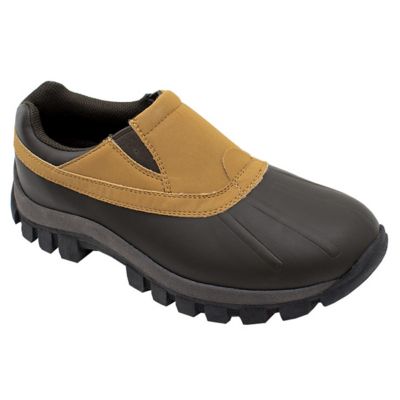
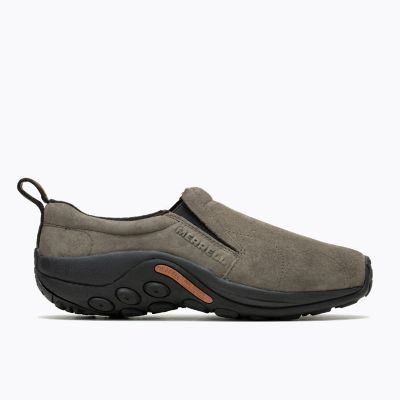
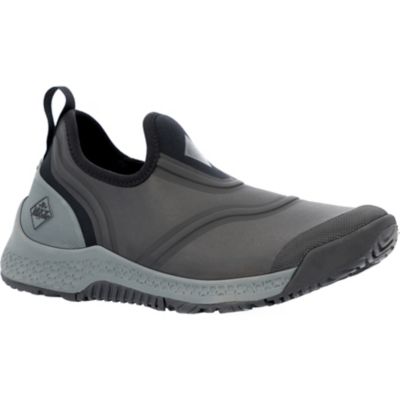
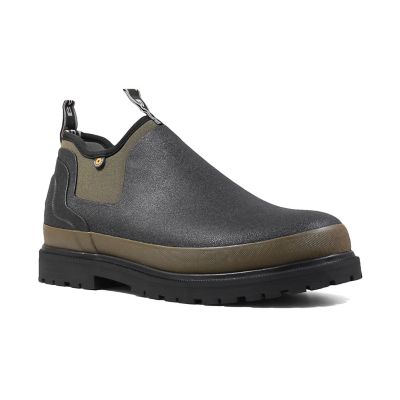
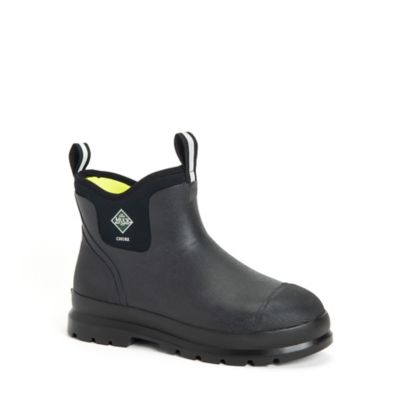
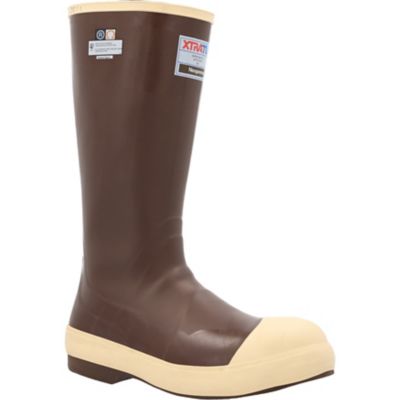
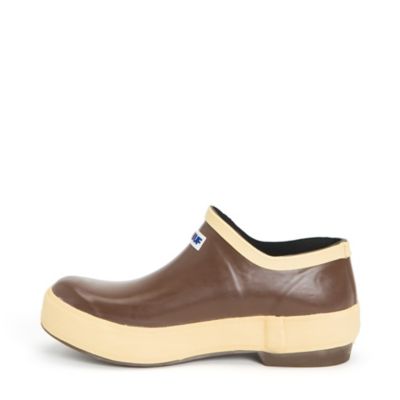
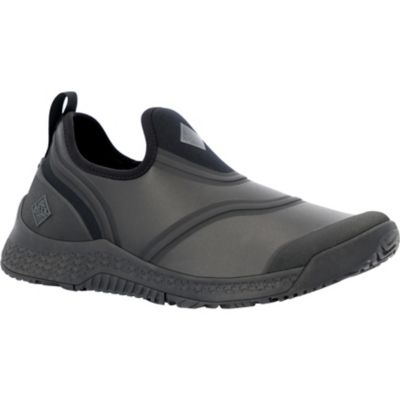
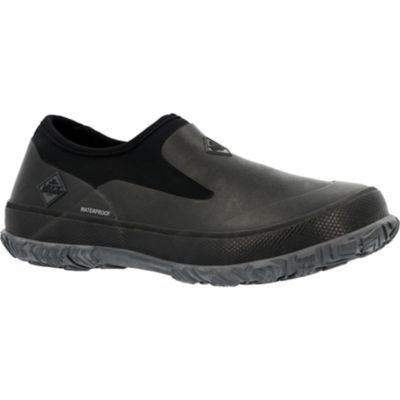
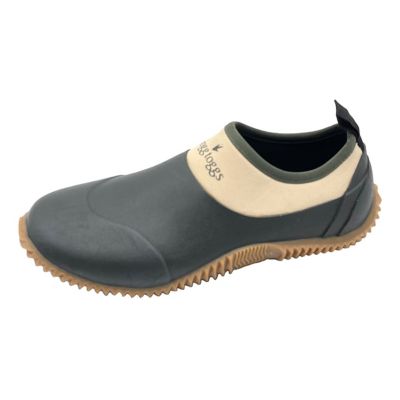
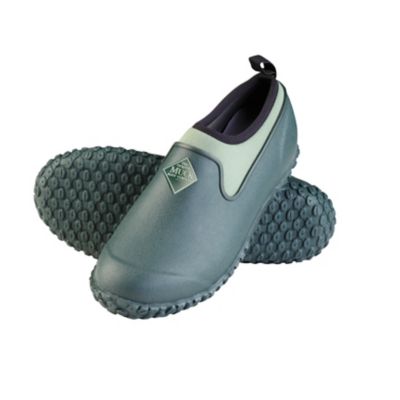
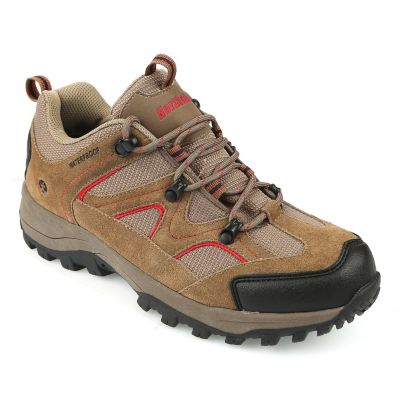
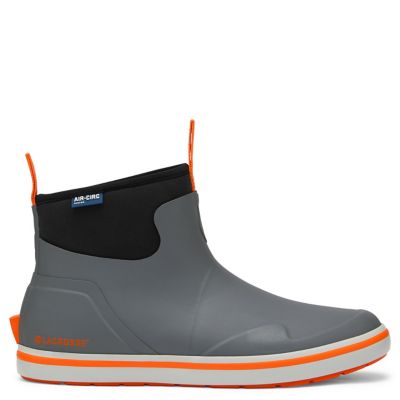
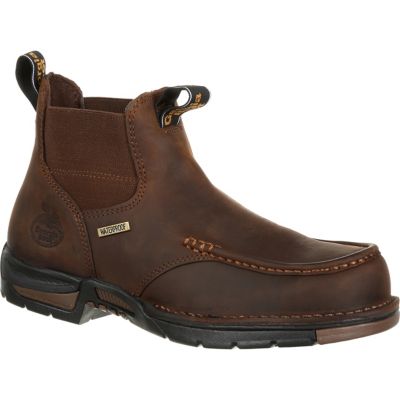
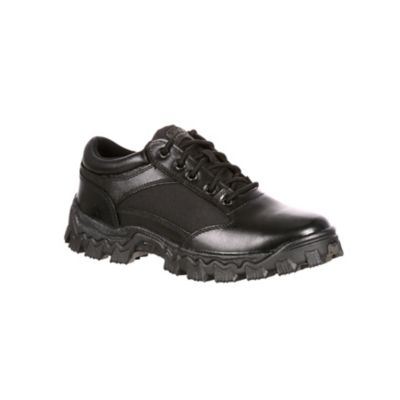
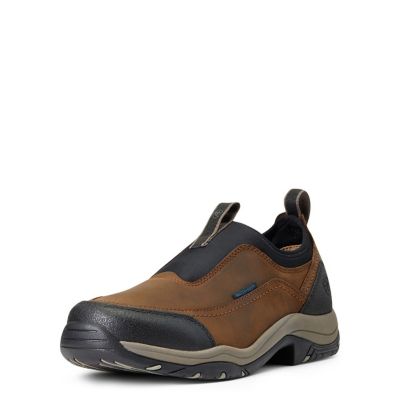
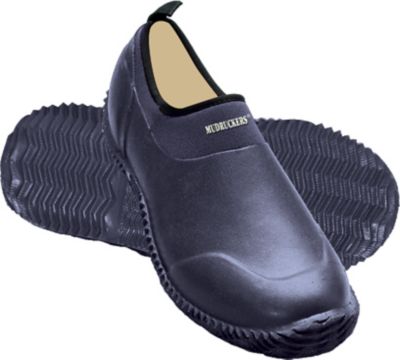
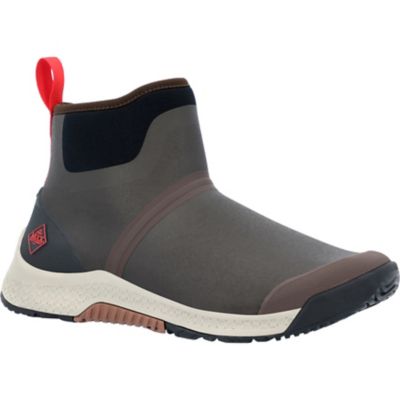
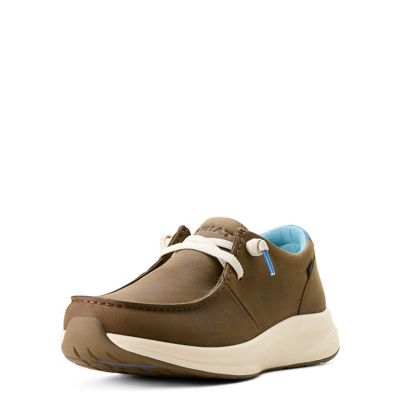
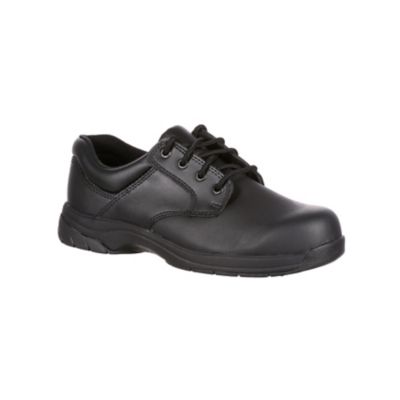
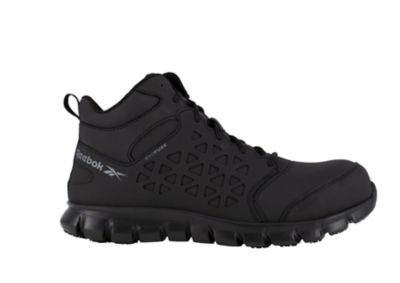
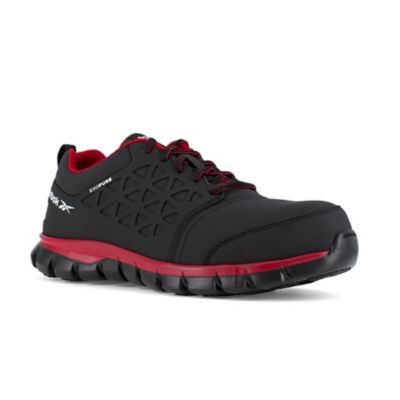
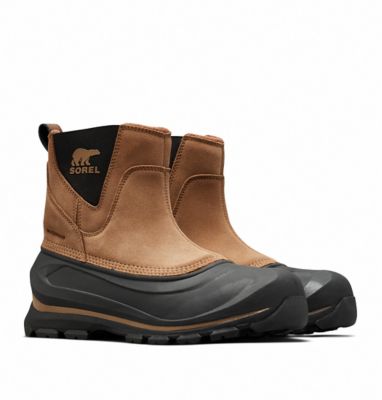
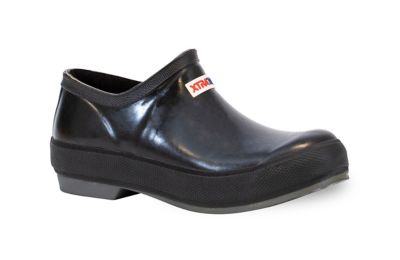
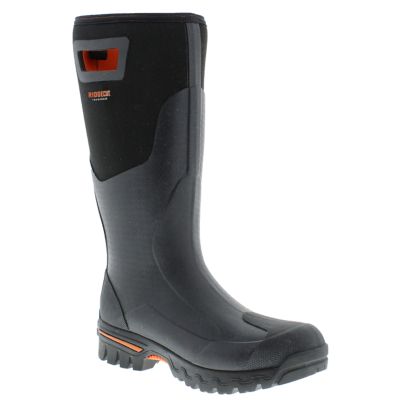
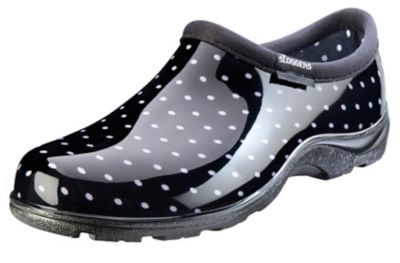
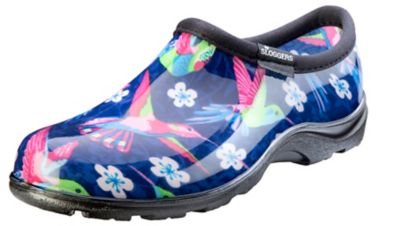
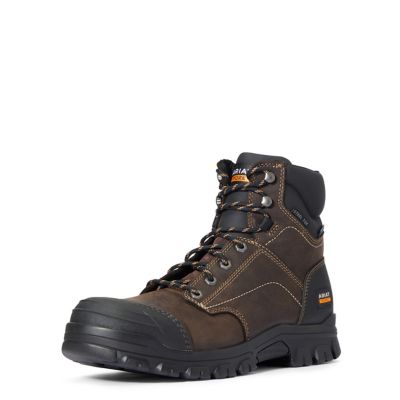
Water-resistant slip-on shoes pair easy on-and-off wear with protection against light moisture, making them a practical choice for damp grass, splashes by the hose, and short walks across a wet driveway. The slip-on shape skips the laces, while the upper helps slow water from reaching the foot. Water resistance is not the same as waterproofing: a water-resistant shoe can handle limited exposure, but steady rain, standing water, or a thorough soaking may push moisture through the material, seams, or opening. Waterproof footwear has construction intended to block water under its stated conditions, though water can still enter over the collar. That distinction matters when the morning routine includes anything from carrying feed to the shed to walking from the parking lot into work. For everyday errands and light outdoor chores, a low-profile slip-on can offer a comfortable middle ground between an open sandal and a taller work boot. Closed-back styles cover the heel and generally offer a more secure feel, while open-back clogs make stepping in and out simpler at the back door. Stretch panels, flexible collars, and pull tabs can make entry easier without the fuss of tying laces. These features do not necessarily mean a shoe is designed for hands-free entry; some heels still need a little help to stay upright. Coverage also varies around the ankle and across the top of the foot, so shoes that look much alike can feel quite different on a gravel path or beside a garden bed. A pair for a quick trip to the mailbox has a different job from footwear worn through several hours of standing. Cushioning, heel hold, and the shape of the sole help determine where each style fits into the day. Water-resistant slip-ons suit gardeners, rural homeowners, commuters, and anyone who wants convenient footwear for tasks that involve occasional moisture rather than deep puddles or prolonged soaking.
Materials give water-resistant slip-on shoes much of their character, from the feel against the foot to how readily dirt wipes away. Leather uppers can provide structure and soften with wear, but their moisture protection depends on the leather, finish, and overall construction. Treated suede or nubuck has a softer surface that calls for care suited to that finish. Synthetic uppers may offer a lighter feel and straightforward cleaning, while treated textiles can flex comfortably across the forefoot. Knit construction alone does not establish water resistance; a treatment, backing, or membrane must provide that protection. Molded rubber and foam styles often have fewer upper seams, but ventilation holes and low openings can still let water inside. Breathability matters just as much as splash protection when shoes stay on for a full day. A lining that moves moisture away from the skin can help manage perspiration, although it cannot keep feet dry if water enters from above. Underfoot, cushioning softens contact with firm ground, and a supportive footbed can make standing at a potting bench or walking across a broad parking lot more comfortable. Softer is not always better for every foot; some people prefer a firmer base that feels steadier under the heel and arch. Fit deserves particular attention in footwear without laces because there is less room to adjust the hold. Toes need space to spread without pressing into the front, the instep should feel snug rather than squeezed, and the heel should not lift excessively with each step. Socks change that feel, especially when switching between thin everyday socks and thicker work socks. Removable insoles can leave room for an appropriate replacement footbed, provided the shoe still has enough depth afterward. For a gift recipient who spends time tending plants or stepping outside with pets, familiar sizing and a preferred shoe shape are more useful starting points than appearance alone. Someone with a high instep, wide forefoot, or orthotic may need a different shape even when the listed length matches their usual size.
Outsole design helps separate a casual slip-on from one better suited to chores, but water-resistant uppers do not automatically mean slip-resistant soles. Grip depends on the outsole material, tread pattern, surface, and anything sitting between the shoe and the ground. Deeper tread can help on loose soil, while some work-oriented patterns are designed for contact with smooth floors; neither promises sure footing on every wet surface. Mud packed into the tread can reduce its ability to grip, and wet leaves, algae, grease, and ice each present their own challenges. For jobs that call for both moisture protection and a slip-resistant outsole,
Womens Waterproof Slip Resistant Shoes is a related footwear category. Workplace requirements still matter, including any specified slip-resistance testing, toe protection, or electrical-hazard rating. An easy-entry garden shoe is not a substitute for required work footwear, and a low collar is not meant to keep out deep water or heavy debris. Everyday wear life depends on matching the construction to the task and keeping the shoes clean. Repeated scraping against rough concrete, kneeling with the toe bent, and pulling shoes off by grinding one heel against the other can take a toll on uppers and seams. Brushing off loose soil before wiping the surface keeps grit from spreading across the material. Leather, textiles, and molded uppers need different cleaning methods, so the maker’s care directions take priority over a one-method-fits-all approach. Machine washing is appropriate only when those directions allow it. Air-drying away from direct heat helps protect finishes, adhesives, and the shoe’s shape; a heater or hot dryer can do more harm than a muddy walk. Some water-resistant finishes need periodic renewal with a treatment suitable for the material. Clean tread, intact seams, and a heel that holds its shape help keep a practical pair ready by the door for the next trip across the yard.