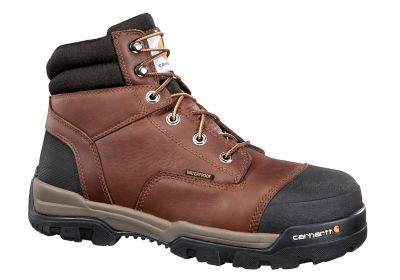
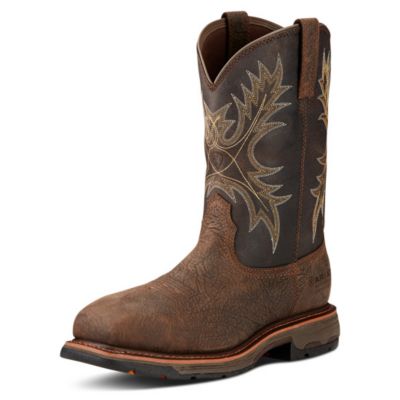
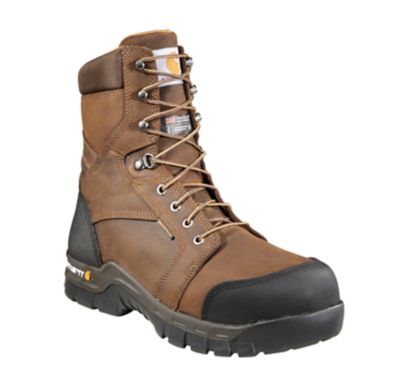
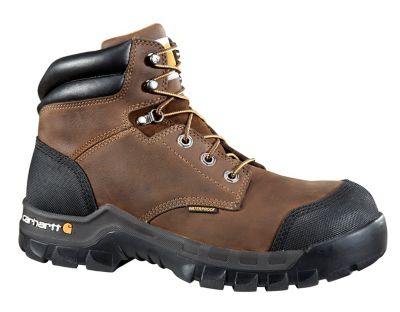
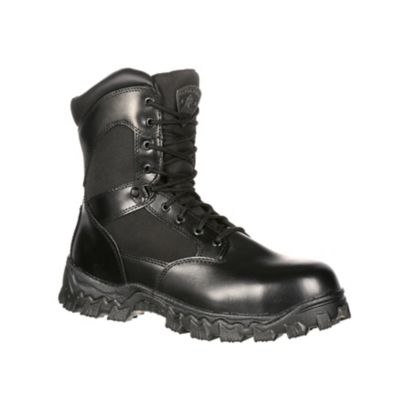
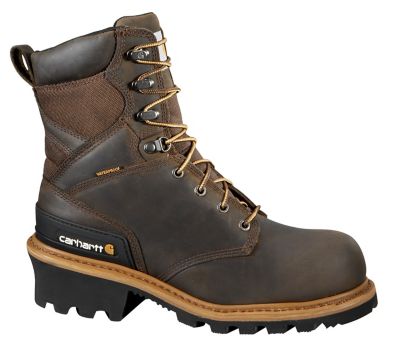
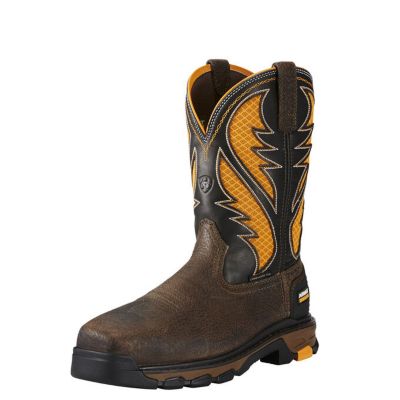
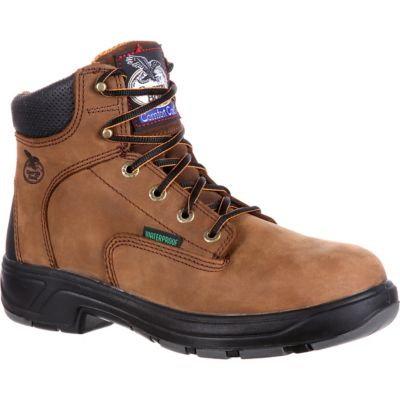
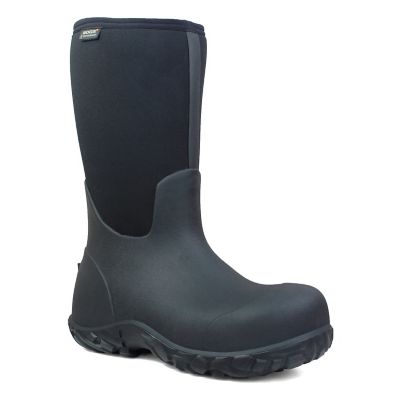
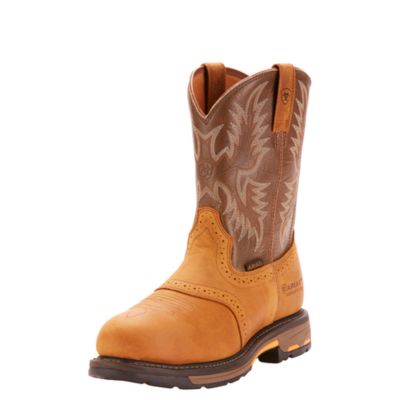
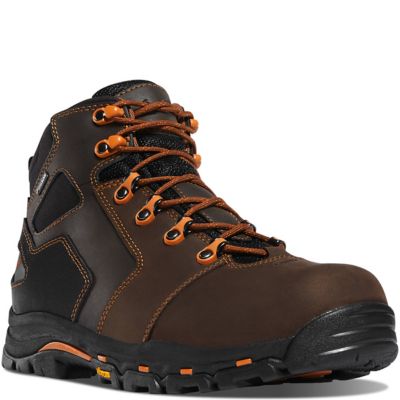
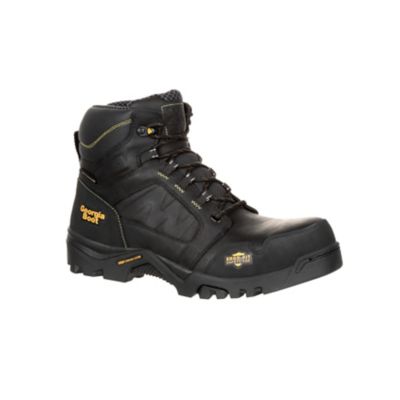
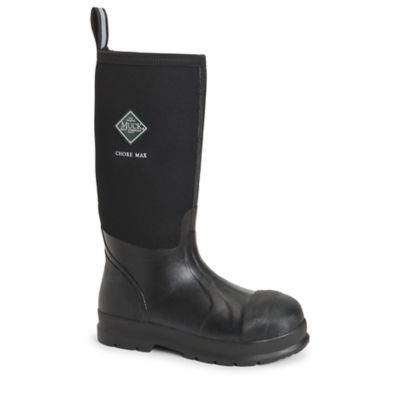
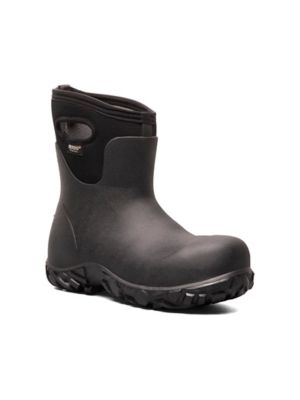
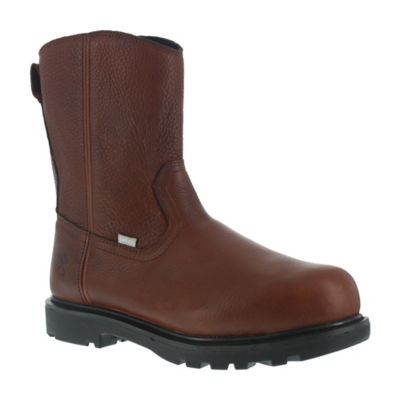
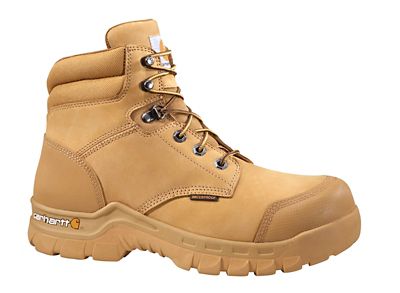
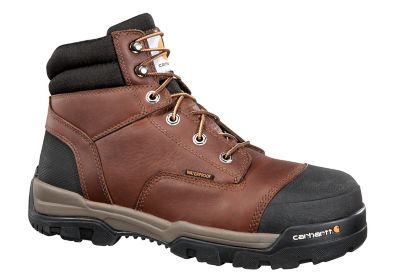
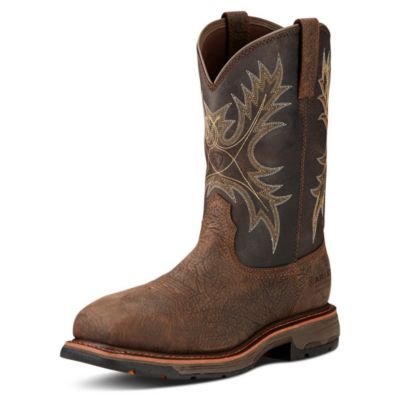
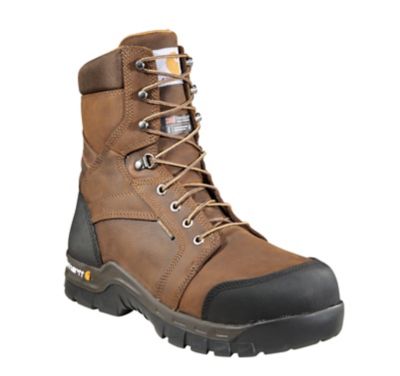
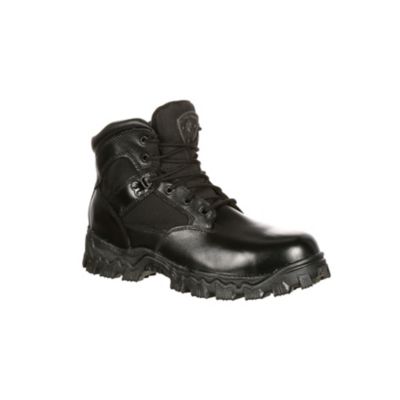
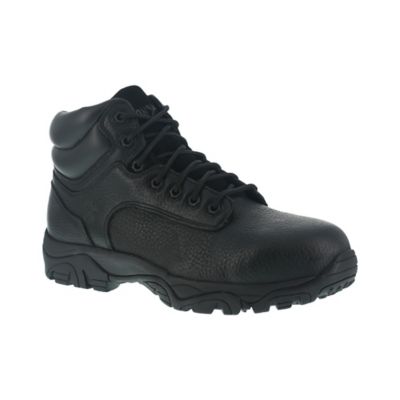
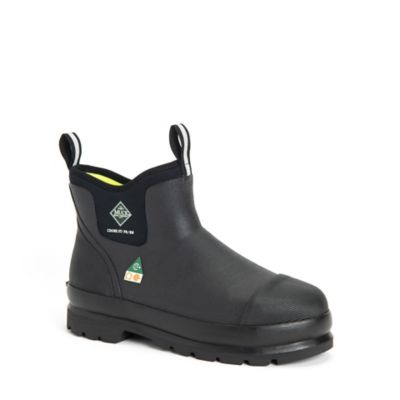
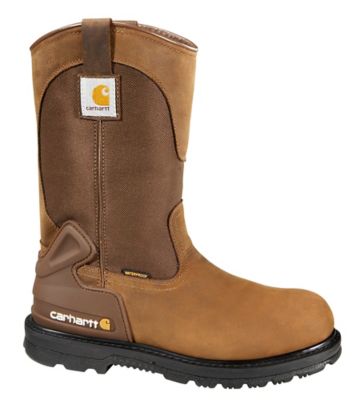
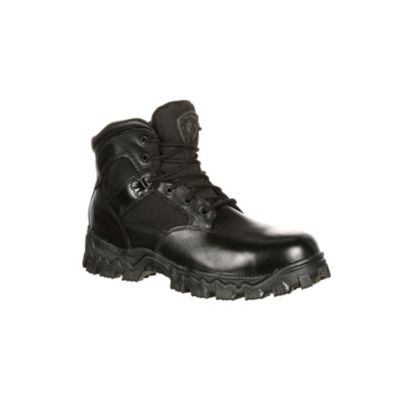
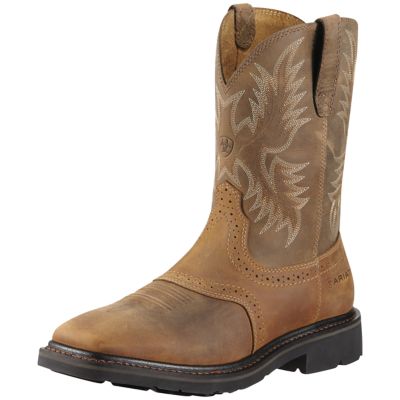
Men’s composite toe work boots bring protective toe construction to the kinds of days that start at the shop door and keep rolling through repairs, loading jobs, and rounds around the property. Instead of a steel toe cap, these boots have a protective cap made from nonmetal materials, which may include fiberglass, carbon fiber, or engineered plastics. That construction can offer a lighter feel than some steel-toe designs, though the weight of the whole boot also depends on the outsole, upper, shaft height, and other features. For farmhands, warehouse crews, mechanics, equipment operators, and tradesmen, the appeal goes beyond what sits over the toes. A good match combines the protection a job calls for with enough support and flexibility to stay comfortable through repeated lifting, walking, and crouching. Picture carrying feed bags across a concrete aisle, stepping up onto a tractor platform, or kneeling beside a piece of equipment to reach a stubborn fitting. Each task puts different demands on the boot’s shape, grip, and range of motion. Safety markings matter more than appearance alone: composite toe construction does not automatically establish that a boot meets a particular workplace requirement. The boot’s labeling should identify the applicable impact and compression protection, along with any separate ratings that apply. Electrical hazard protection, puncture resistance, and other safety features are not standard across every composite toe boot. A nonmetal toe cap also does not mean the entire boot is metal-free or suitable for every electrical task. Employer requirements and the hazards of the job remain the starting point. From there, the right construction depends on where the work happens. Someone moving between a workshop and equipment yard may need a different outsole and ankle profile than someone spending most of a shift at a packing station. The goal is protection that fits the work without making every step feel like extra work, whether the day involves steady walking or frequent stops at a workbench.
Materials and construction make a noticeable difference once the boots have a few full shifts behind them. Leather uppers are a familiar choice for work around machinery, lumber, and farm equipment, with their feel and care needs varying by leather type and finish. Full-grain leather can stand up well to repeated wear when maintained properly, while combinations of leather and textile panels may offer more flexibility and less overall weight. Reinforced toe and heel areas can help take the wear from kneeling, brushing against pallets, and climbing in and out of equipment. Underfoot, rubber outsoles, cushioning layers, and support components each have a job to do. Deep, widely spaced lugs can help shed packed dirt, while shallower tread patterns may make more sense on relatively smooth shop floors. A slip-resistant designation is worth checking against the actual work surface; no outsole grips every combination of dust, oil, water, and flooring equally well. Ladder work can call for a defined heel and a supportive platform, provided the boot also fits the equipment and workplace rules. Concrete-heavy work often puts more emphasis on cushioning and steady support under the heel and arch. Boot construction affects the feel, too. Cemented construction may provide flexibility and a lighter build, while some welted designs offer a firmer feel and the possibility of resoling, depending on the boot. Lace-up styles let the wearer adjust tension across the instep and around the ankle, which can be handy when moving between walking and kneeling. Pull-on styles skip the laces and suit folks who prefer a straightforward on-and-off routine, but the instep and heel fit need to be right. Shaft height adds another consideration, especially around debris or tasks that call for extra lower-leg coverage. For washdown areas or other jobs involving water, waterproof construction can help limit moisture entering through the upper, though shaft openings still leave a path inside. Breathable linings and moisture-managing socks can help with perspiration, but they serve a different purpose from a waterproof barrier.
Fit is where all those features either come together or fall short. A protective toe cap does not stretch like the surrounding upper, so toe room needs to be right from the start. Toes should have space to move without pressing against the front or top of the cap, and the widest part of the foot should line up comfortably with the widest part of the boot. Extra length is not a good substitute for the right width. A boot that feels loose across the heel and midfoot can allow sliding, while one that squeezes the forefoot can make a long shift feel longer. Trying boots with the socks intended for work gives a better sense of the fit, especially if thicker socks or prescribed orthotics are part of the daily routine. Feet can swell over the course of a shift, so a fit check after time on the feet can be helpful. Cushioning and support deserve the same attention here as they do throughout the broader range of
Mens Comfortable Work Boots. A soft footbed may feel good at first step-in, but stable support and enough room for natural movement matter over several hours. Care helps preserve that fit and feel. Brushing away grit, wiping off residue, and following the maker’s cleaning directions can keep buildup from working into seams and leather surfaces. Leather conditioners and waterproofing treatments should match the upper material rather than being applied across every boot alike. Letting boots air-dry and giving the interiors time to dry out between wearings can help manage odor and moisture. Regular checks of tread, seams, laces, and the toe area also make it easier to spot damage that calls for attention or replacement. As a practical gift, composite toe work boots make the most sense when the recipient’s size, width, fit preferences, and job requirements are already known. Those details matter far more than choosing by looks alone.