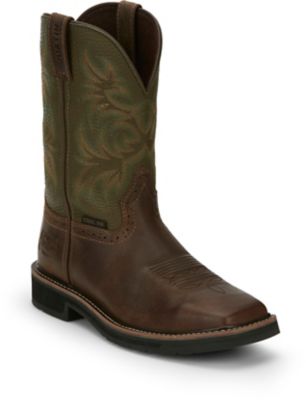
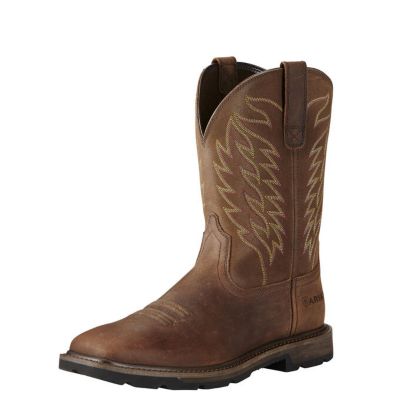
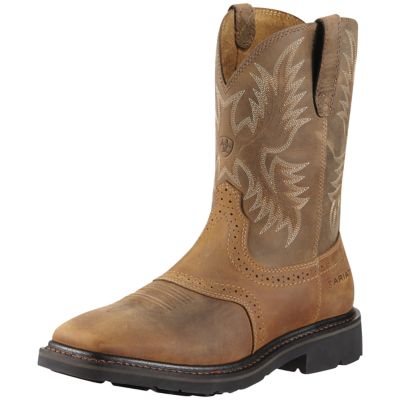
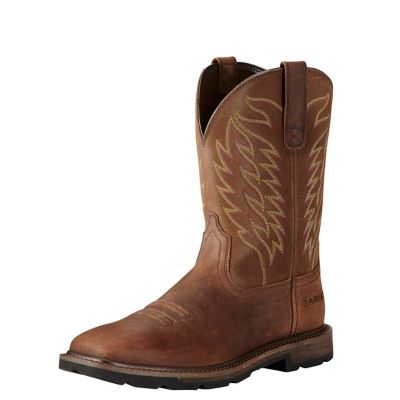
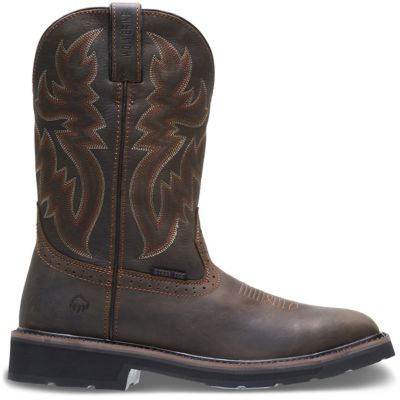
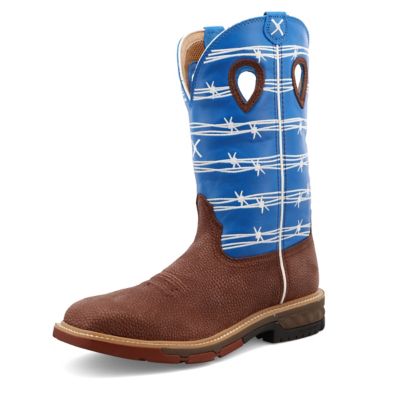
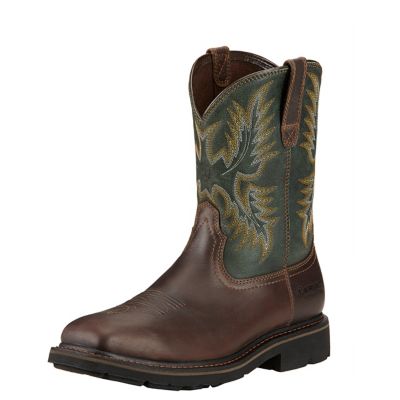
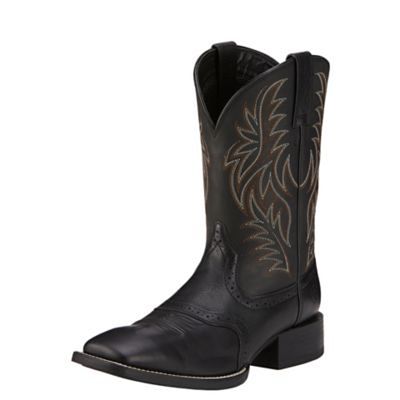
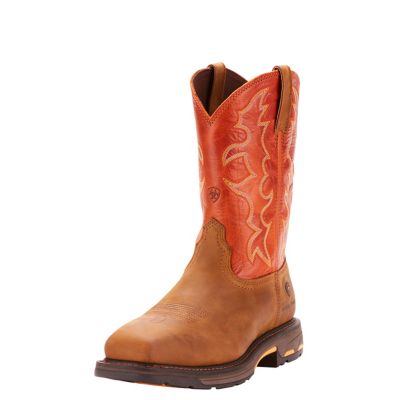
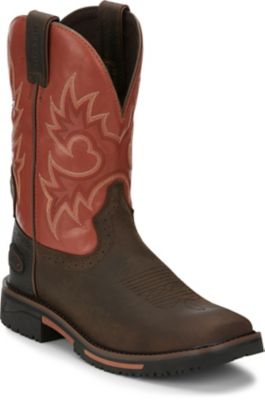
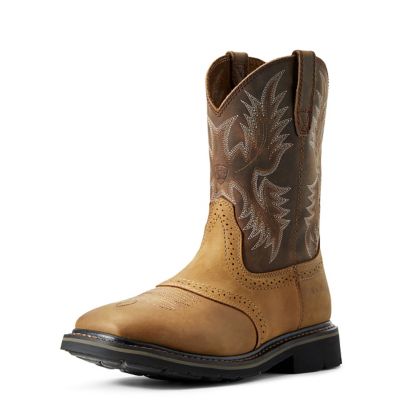
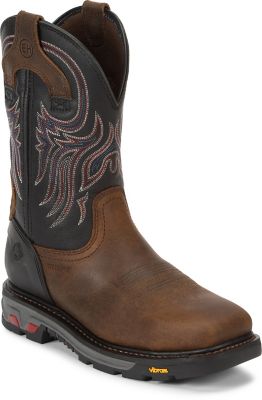
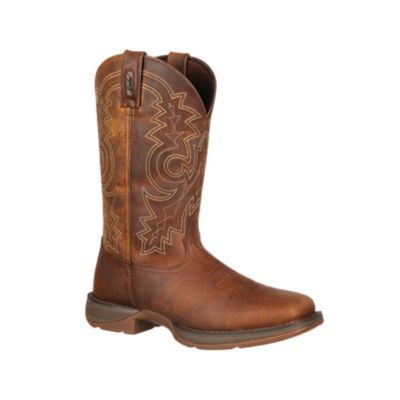
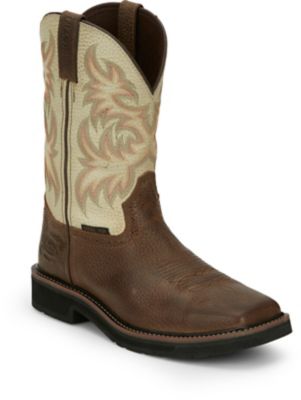
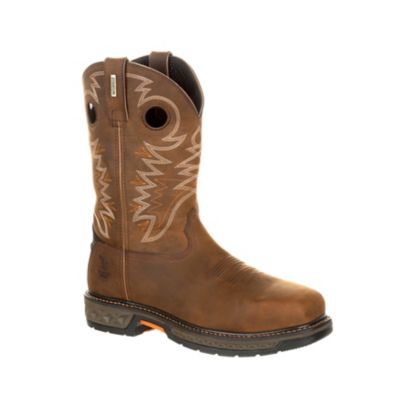
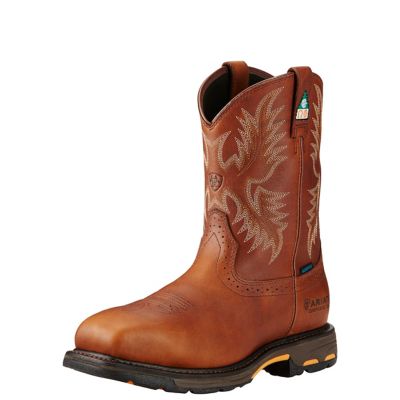
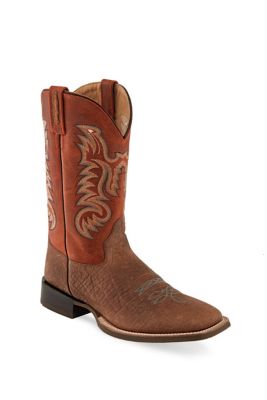
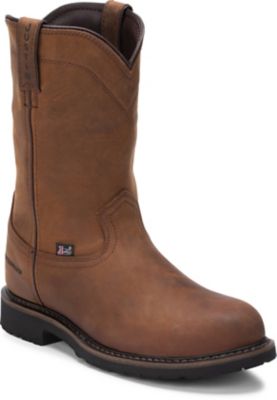
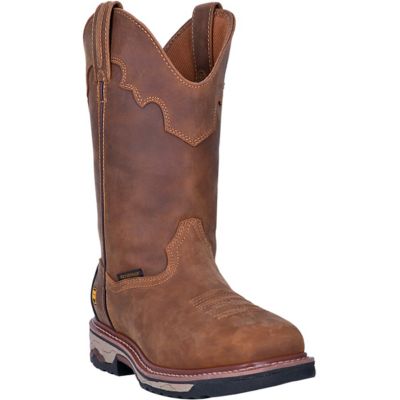
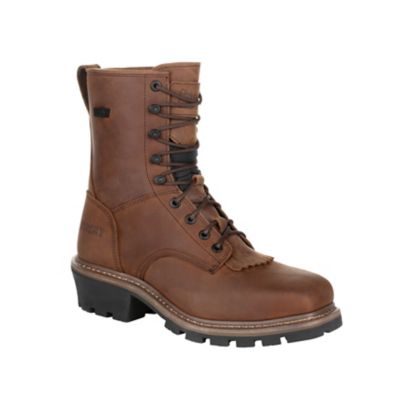
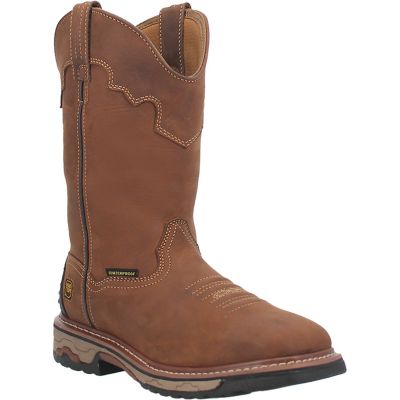
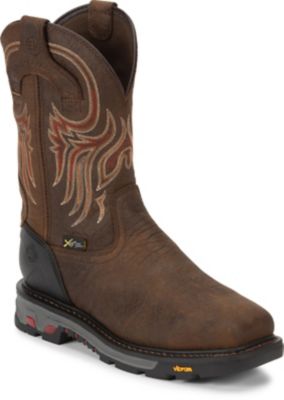
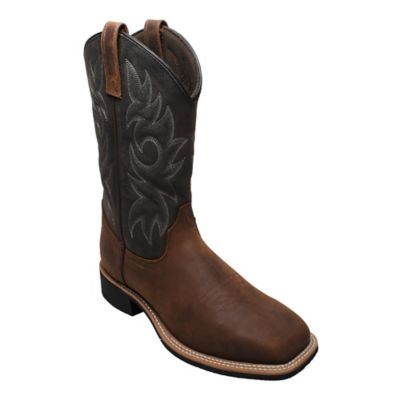
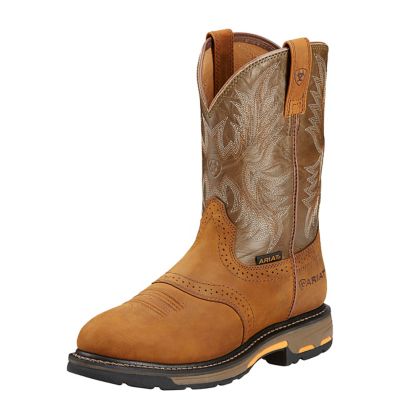
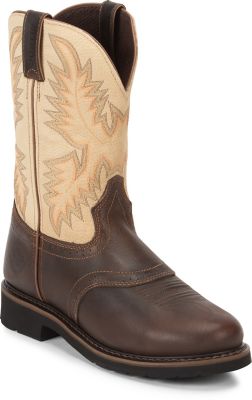
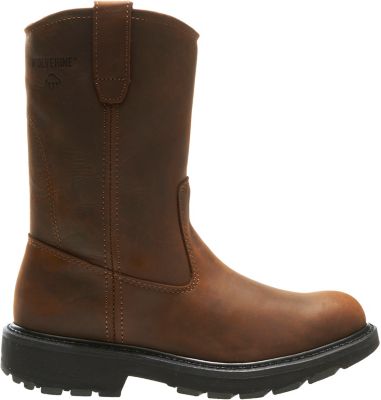
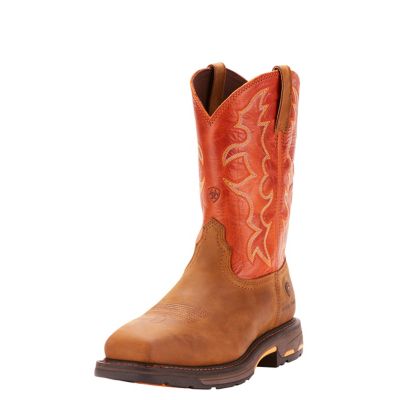
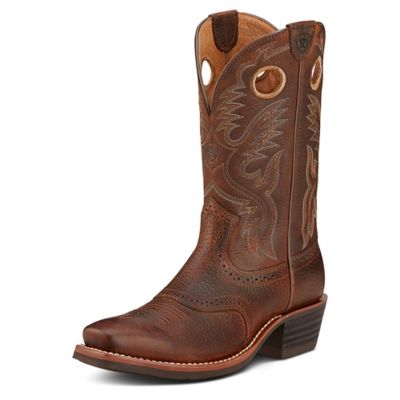
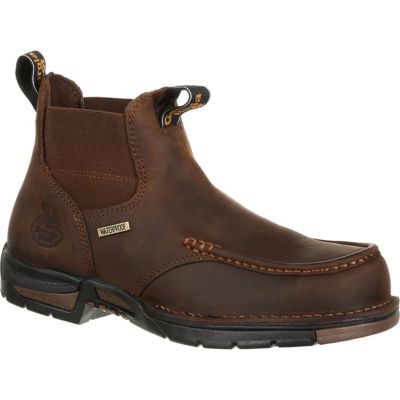
Men’s square toe work boots are built for long days on the job, around the farm, and anywhere solid footing and dependable comfort matter. The roomy toe shape gives your forefoot more space to spread naturally, which can make a noticeable difference when you spend hours walking, climbing, lifting, or standing on hard ground. These boots are a practical choice for farmers, ranch hands, construction crews, mechanics, warehouse workers, landscapers, and do-it-yourselfers who need footwear that can handle dust, mud, gravel, concrete, and changing weather. A square toe also has a familiar Western-inspired look that pairs easily with work jeans, canvas pants, or everyday clothing, making this style useful beyond the jobsite. When you are comparing men’s square toe work boots, start with the kind of work and terrain you deal with most. A sturdy leather upper can provide support and help hold up through repeated wear, while waterproof construction is helpful for wet grass, muddy lots, rainy commutes, and chores that start before the sun is up. If you spend colder days outdoors, look for insulation that adds warmth without making the boot feel overly bulky. Breathable linings can help manage moisture during active work, and a cushioned insole may ease the strain that builds in your feet after a full shift. Boots with a taller shaft can offer extra ankle support and help keep debris, rain, and loose soil out, while pull-on designs make it easy to get ready when the day starts early. For work around machinery, building materials, or other hazards, pay close attention to safety features. A safety toe may help protect against impact and compression, but not every boot has the same rating or protection, so check the product details and match them to your workplace requirements. Electrical hazard protection, slip-resistant outsoles, and oil-resistant rubber can also be important depending on the job. A boot that feels comfortable in a pasture may not be the right fit for a slick shop floor, and a lightweight pair suited to daily errands may not offer enough support for carrying feed or working on uneven ground.
Fit is just as important as the materials and features. Try on work boots with the socks you normally wear, especially if you rely on thick wool or moisture-wicking socks during the cooler months. Your heel should stay in place without painful slipping, while your toes should have enough room to move without bumping the front of the boot. Square toe boots generally offer a broader front, but the fit can still vary from one style to another. Walk on a firm surface and bend your feet as if you were climbing into a truck, stepping over a fence, or kneeling to make a repair. Pay attention to pressure across the instep, rubbing around the ankle, and any tight spots along the ball of your foot. Leather may soften with wear, but a boot should not cause sharp discomfort while you are breaking it in. Many people find that a supportive heel, a stable shank, and a well-cushioned footbed make long workdays easier on the legs and lower back. Outsole design deserves a close look, too. Deep lugs can help grip loose soil and uneven ground, while a flatter, more flexible tread may feel better on concrete or inside a shop. A raised heel can suit ladders, stirrups, and certain outdoor tasks, while a lower-profile heel may feel steadier for walking and general work. Think about the places your boots will go throughout a normal day: a damp barn aisle, a gravel drive, a muddy gate, a pickup cab, and a hardware counter may all call for different kinds of traction and support. As the weather shifts from warmer afternoons to frosty mornings, features such as waterproofing, insulation, and room for warmer socks become more valuable. Good work boots should feel like part of your routine rather than something you have to fight against, whether you are checking livestock, stacking firewood, repairing a fence, or putting in a full shift outdoors. For another practical color option that works well with everyday workwear, browse
Mens Brown Work Boots.
With proper care, a dependable pair of men’s square toe work boots can stay in regular rotation through busy seasons and changing conditions. Knock off dried mud and dust with a soft brush before it hardens, and wipe away wet grime after working outside. Let damp boots dry at room temperature instead of placing them directly beside a heater, woodstove, or other intense heat, which can dry leather too quickly and lead to cracking or separated soles. Removable insoles can be aired out, and rotating between two pairs gives each pair more time to dry between hard days. Use a conditioner made for the boot’s material when the leather begins to look dry, following the care instructions provided with the footwear. Check the outsole, stitching, heel, and toe area from time to time, especially if you walk on rough gravel or work around manure, chemicals, or wet concrete. Replacing worn laces, insoles, or heel components may help extend the useful life of a well-made pair, while badly worn tread or damaged safety features are signs that it is time for a new pair. Square toe work boots also make a thoughtful gift for a father, husband, son, brother, neighbor, or friend who spends weekends fixing equipment, tending animals, hauling supplies, or tackling home projects. They are especially useful for someone starting a new outdoor job or preparing for cooler, wetter working conditions, though the recipient’s correct size, preferred toe protection, and usual work environment are worth checking before buying. Whether they are pulled on before a predawn feeding, worn through a long day on a construction site, or kept by the back door for chores and quick trips outside, the right square toe work boots offer a comfortable blend of room, support, traction, and rugged everyday dependability.