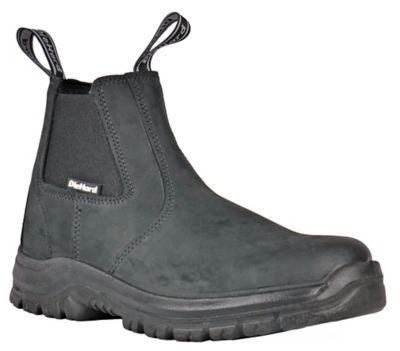
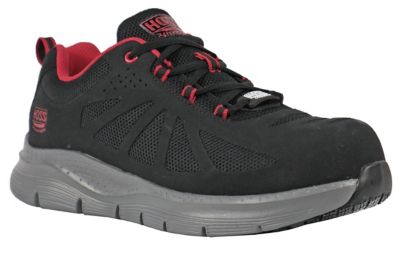
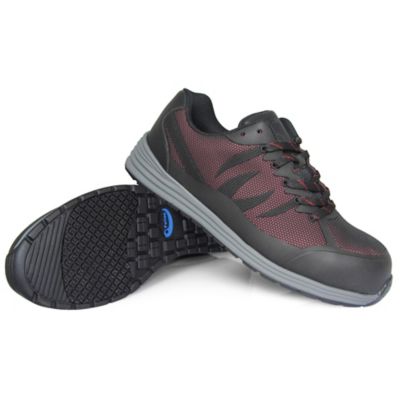
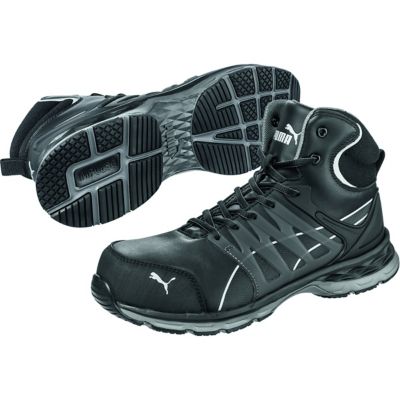
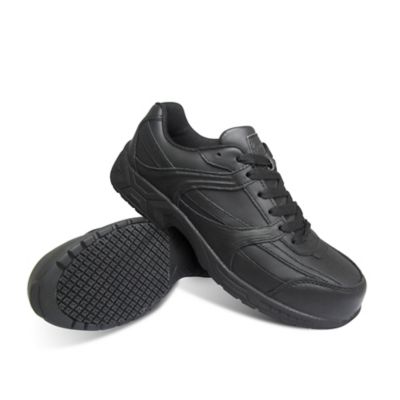
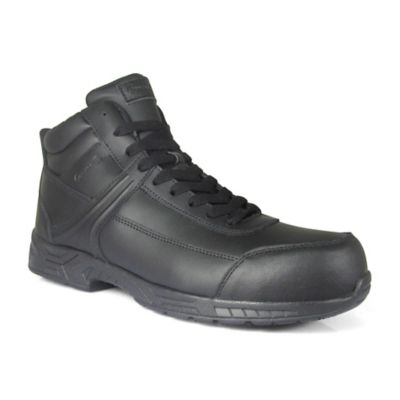
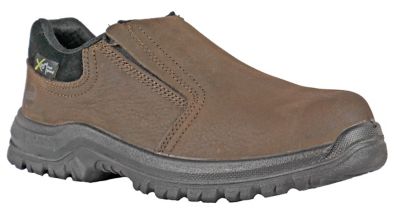
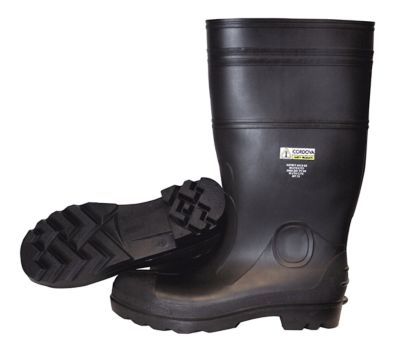
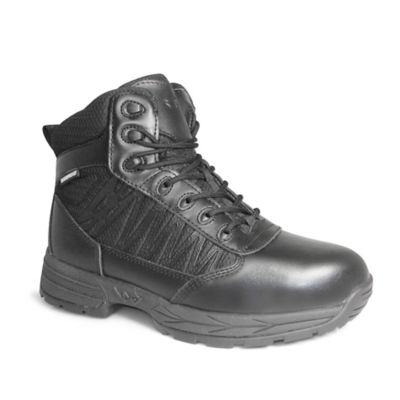
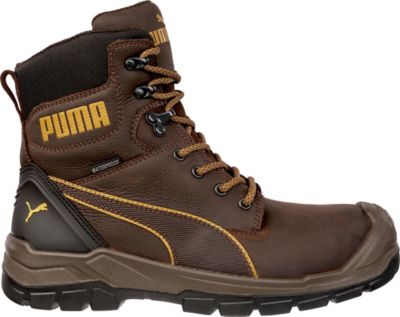
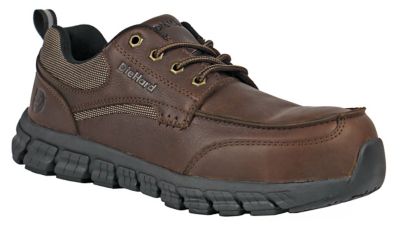
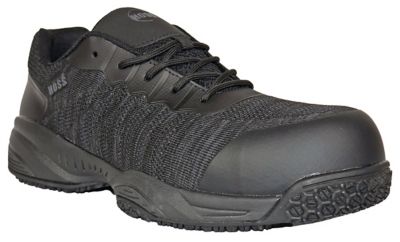
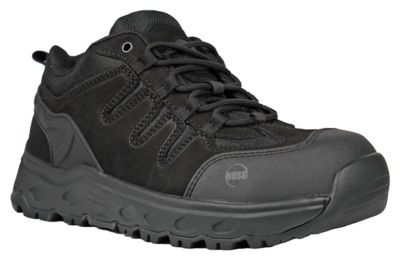
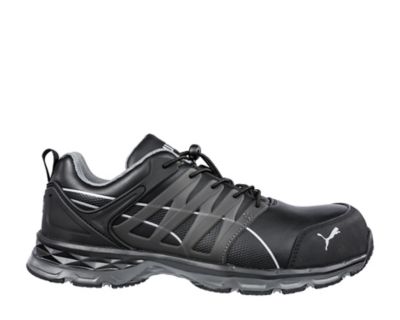
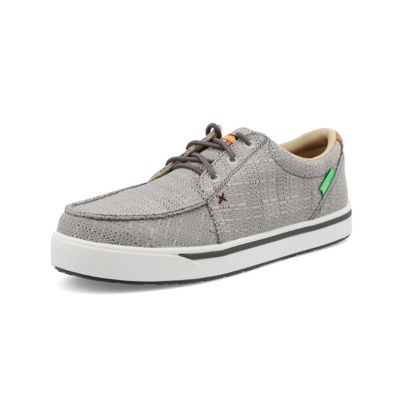
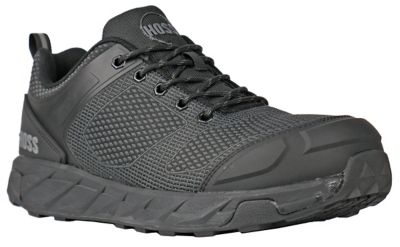
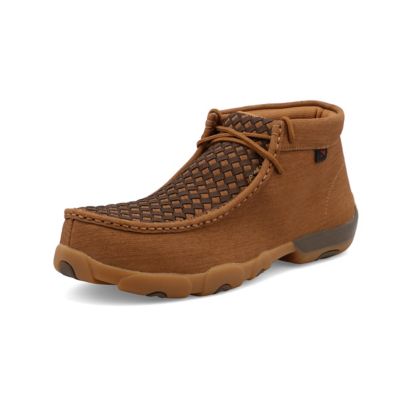
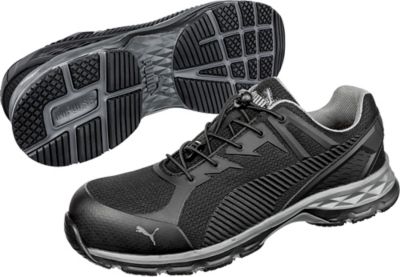
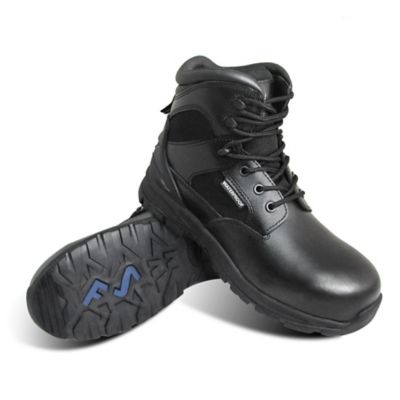
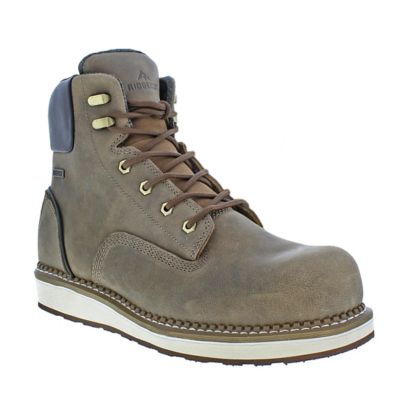
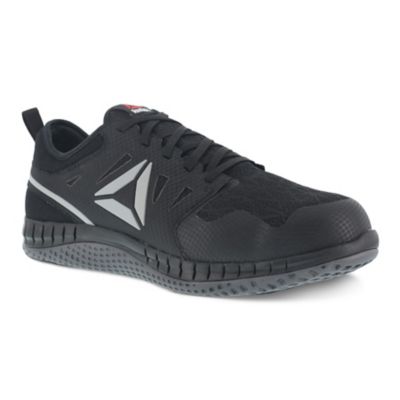
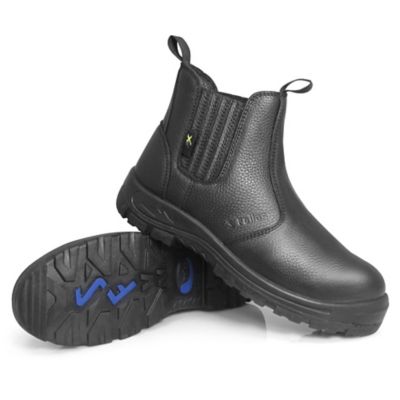
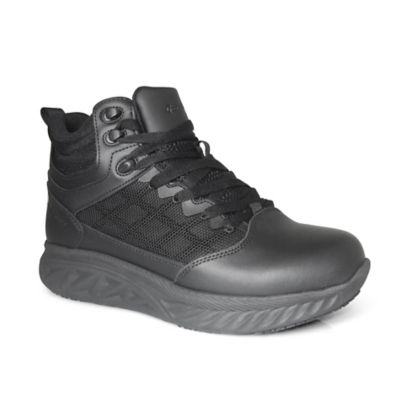
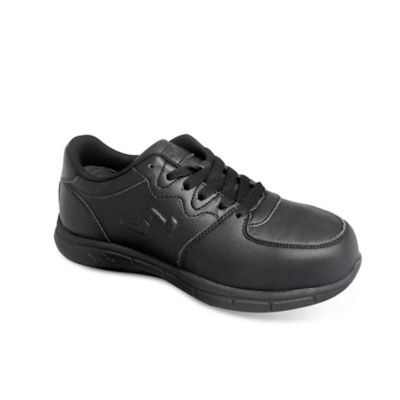
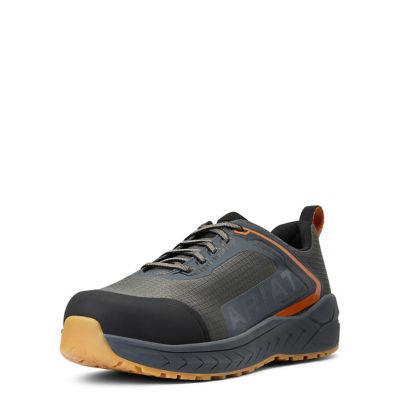
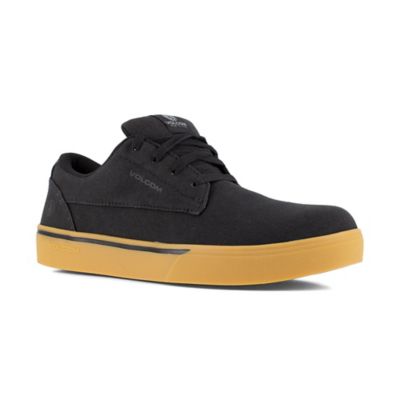
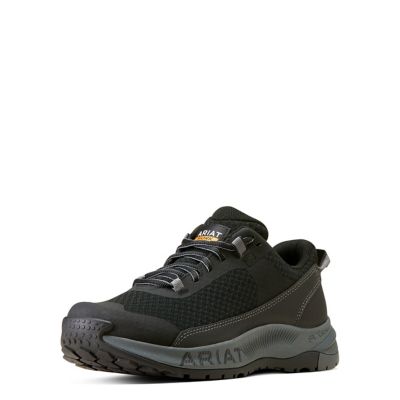
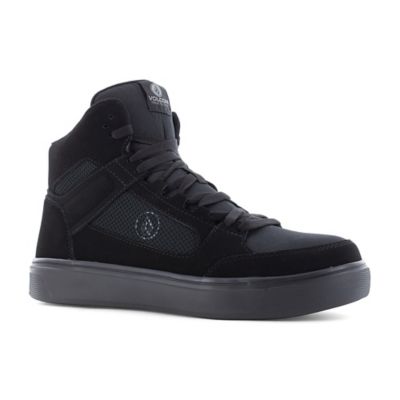
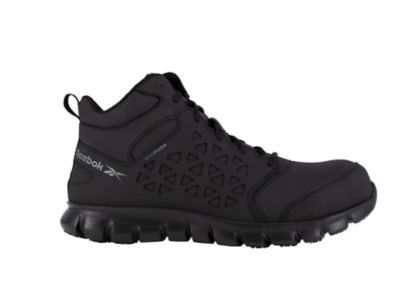
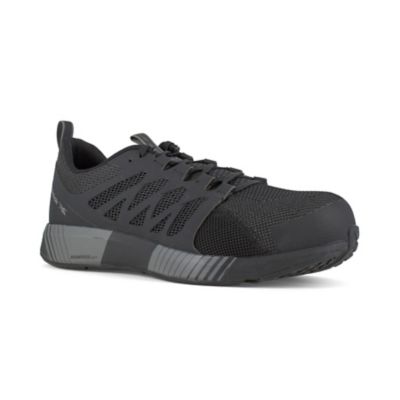
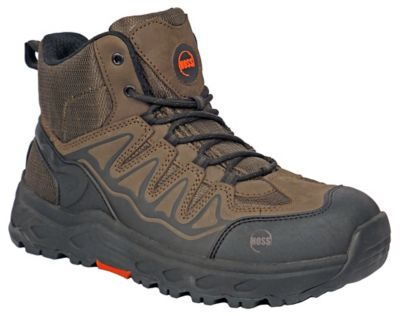
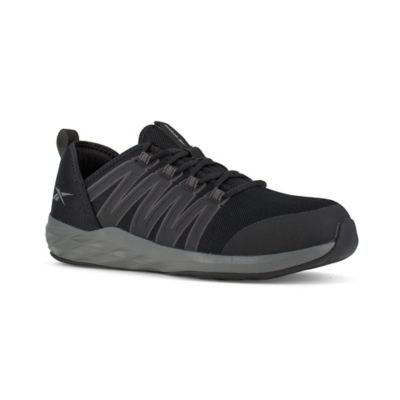
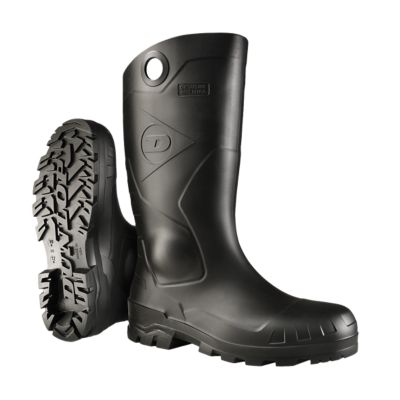
Men’s safety shoes are made for workdays that call for more than ordinary footwear. They help bring together everyday comfort and job-ready protection for people working around tools, equipment, materials, and changing ground conditions. On a farm, that may mean walking from the barn to the feed room, stepping across gravel, or spending hours on concrete in a shop. On a jobsite, it can mean climbing ladders, carrying supplies, or moving through areas where dropped objects and slick surfaces are a concern. Warehouse workers, delivery drivers, mechanics, landscapers, utility crews, contractors, and do-it-yourselfers may all appreciate the added support of safety-minded work shoes. Many styles have a familiar athletic or casual look, making them easy to wear with work jeans, cargo pants, utility trousers, or other everyday workwear instead of bulky boots. Some workers prefer a low-cut shoe for easier movement, while others want a higher profile for more coverage around the ankle. The right choice depends on the tasks at hand, the work environment, and the kind of support that feels best through a long shift. For a lighter, athletic-inspired option, browse
Men's Safety Toe Athletic Shoes. These styles can be a practical fit for active jobs where walking, bending, driving, and moving between indoor and outdoor areas are part of the routine.
When choosing men’s safety shoes, start by checking the protection requirements for the workplace. Safety toe footwear may use steel, composite, or other protective toe materials, and each type can offer a different balance of weight, temperature comfort, and fit. Steel toes are a familiar choice for demanding work, while composite toes may be appealing to people who spend time around metal detectors or prefer a lighter-feeling shoe. A protective toe should sit comfortably over the toes without pressing against them, and there should be enough room to wiggle your toes while your heel stays secure. Look for a pair that fits with the socks you normally wear on the job, since thick work socks can change the feel considerably. Slip-resistant outsoles are helpful around wet floors, mud, oil, sawdust, and other common hazards, but tread patterns vary, so consider whether you need traction for smooth indoor floors, loose gravel, pasture paths, or uneven construction surfaces. Some safety shoes are also rated for electrical hazard protection, water resistance, puncture resistance, or other workplace needs. Those features are not interchangeable, and they should match the requirements provided by an employer or safety manager. A cushioned footbed, supportive midsole, padded collar, and breathable lining can make a noticeable difference when the workday stretches from early morning chores into the afternoon. Materials matter, too. Leather can offer a sturdy feel and may develop a comfortable patina with regular care, while synthetic or mesh panels may help reduce weight and improve airflow. For cooler months, consider how the shoes work with heavier socks and whether the upper helps keep out damp grass, chilly air, or light moisture. Even the best safety features cannot make up for a poor fit, so walk around on a firm surface before committing to a full day of wear and pay attention to heel lift, pressure points, and toe room.
Men’s safety shoes can also make a thoughtful and useful gift for someone who spends more time working than shopping for himself. They suit a new employee starting a position in a warehouse, shop, farm, or construction trade, as well as a seasoned worker whose old pair has worn down through long days and rough conditions. They may be a practical gift for a husband, father, son, brother, friend, or neighbor who works on vehicles, maintains property, handles livestock, or takes on weekend repair projects. When selecting a pair for someone else, it helps to know his usual size, preferred shoe height, typical work surface, and any safety standards he needs to meet. A gift receipt or easy exchange option can be useful because fit is personal, especially when a protective toe changes the shape inside the shoe. Safety shoes should feel secure without being stiff, and they should leave enough room for natural movement when kneeling, climbing, or walking over uneven ground. During the cooler months, many people rotate between indoor and outdoor tasks, so a versatile pair that works in the shop, yard, garage, or feed room can earn its place by the door. Keep footwear clean, allow damp shoes to dry fully between uses, and inspect the soles, stitching, laces, and protective toe area as part of a regular work routine. Replacing worn footwear before comfort and traction disappear helps support steady footing and keeps a dependable pair ready for the next chore, shift, or project.