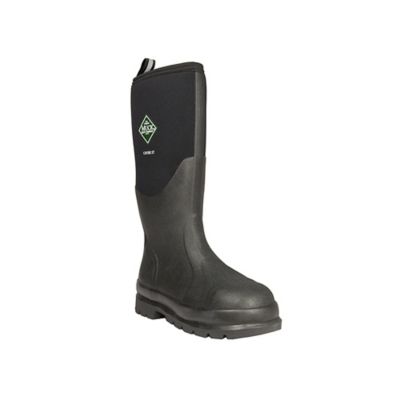
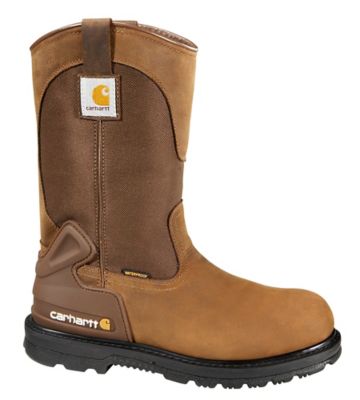
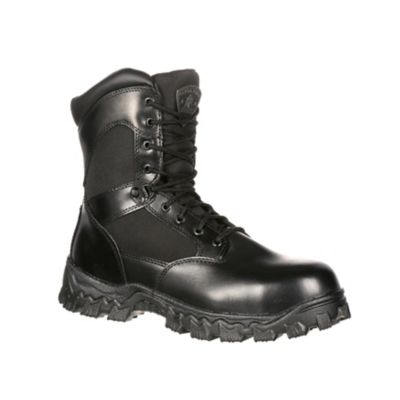
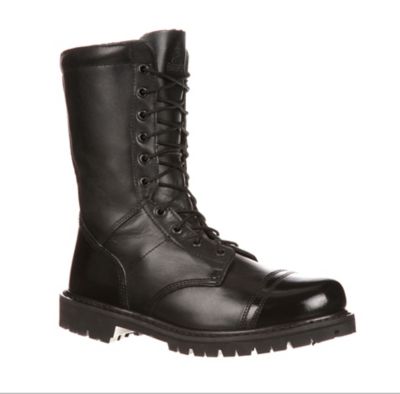
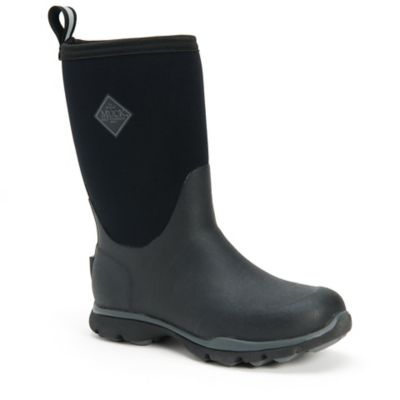
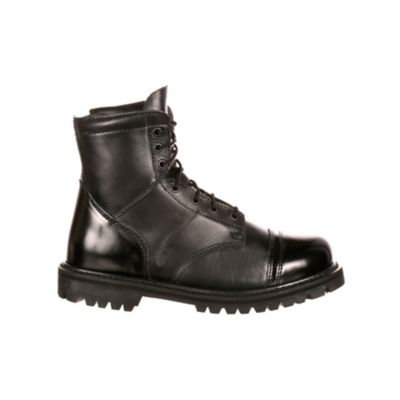
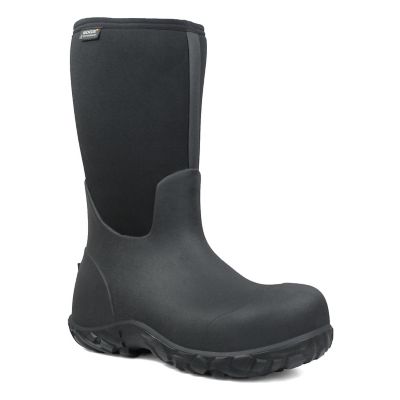
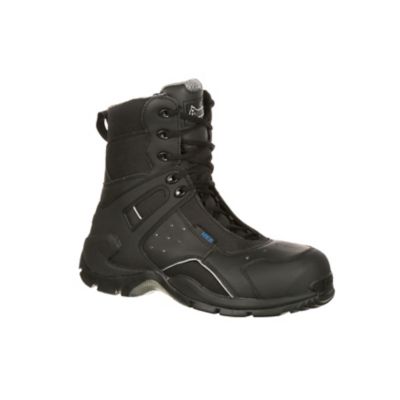
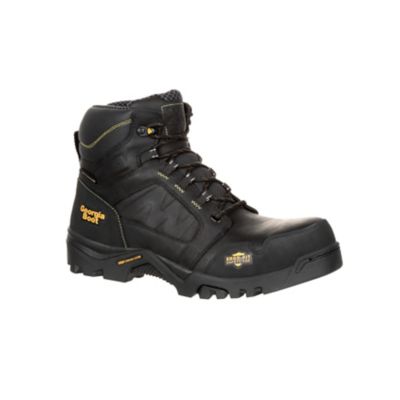
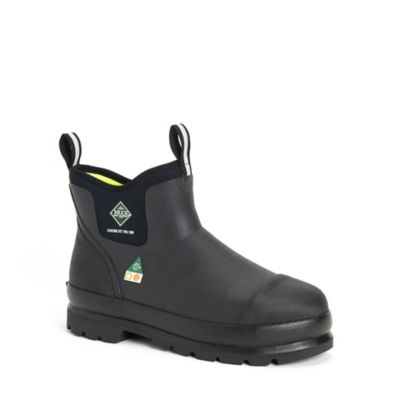
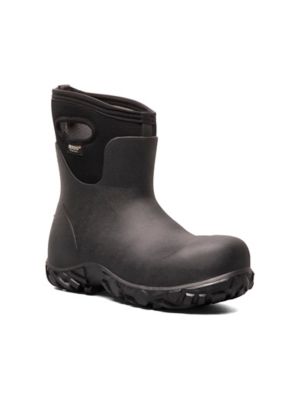
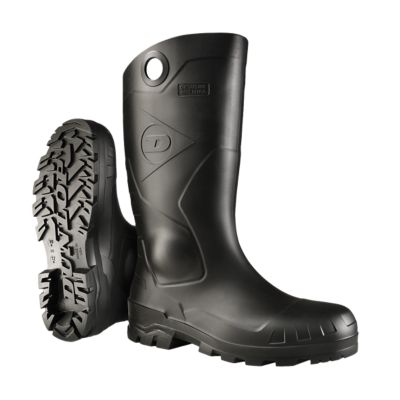
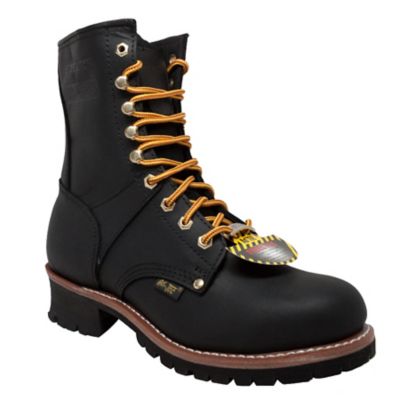
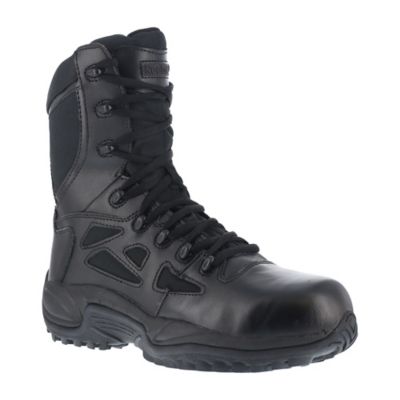
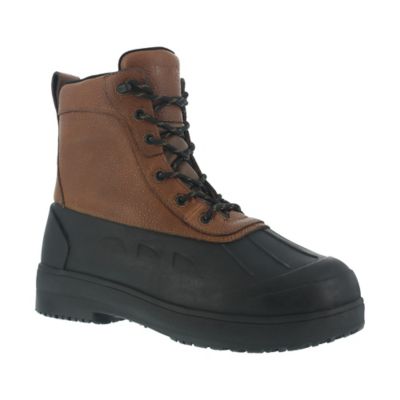
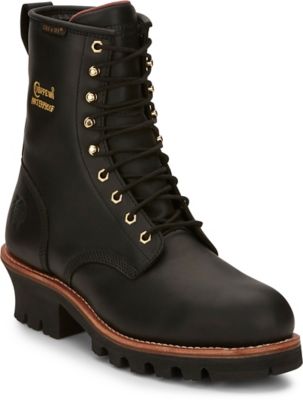
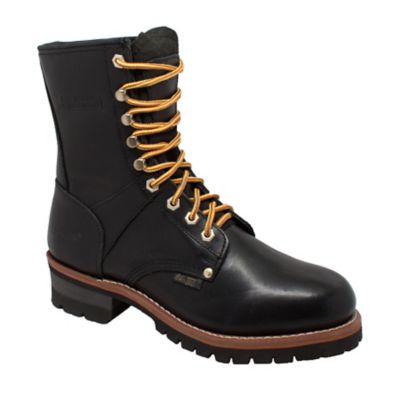
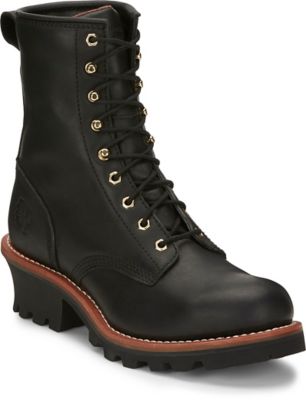
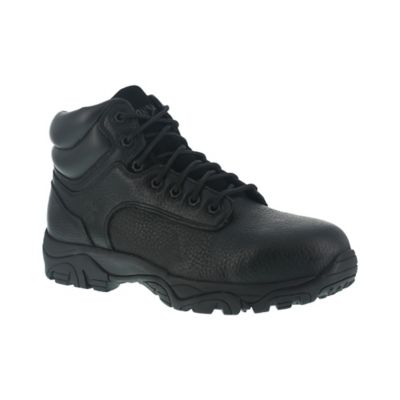
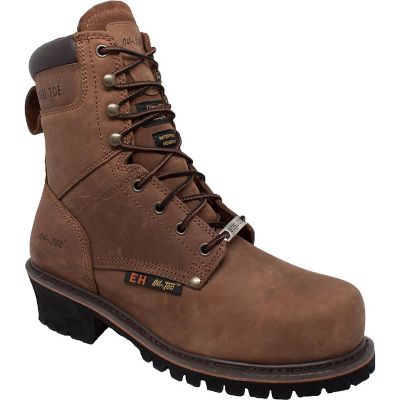
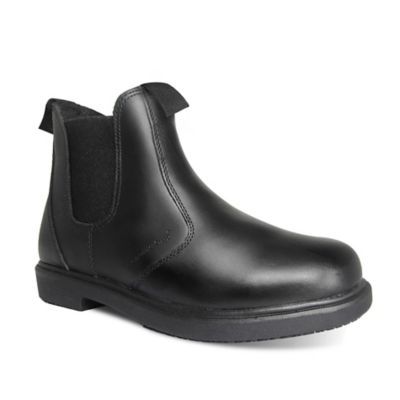
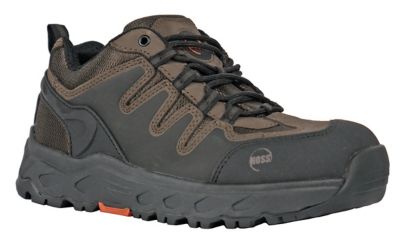
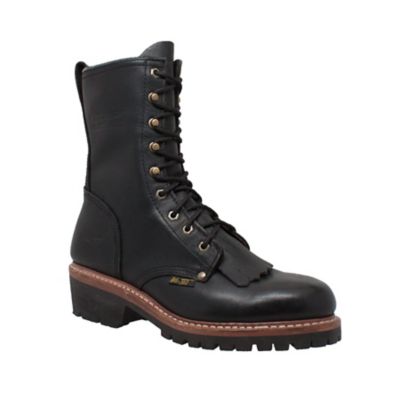
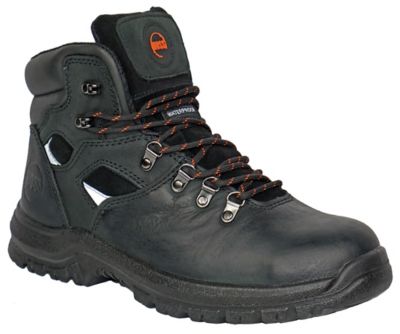
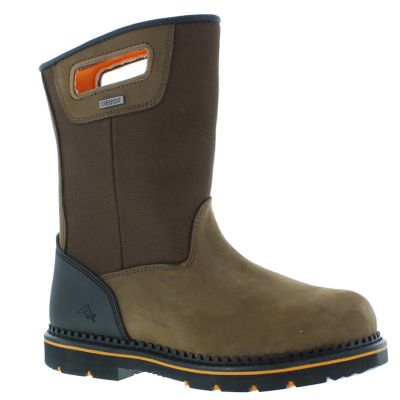
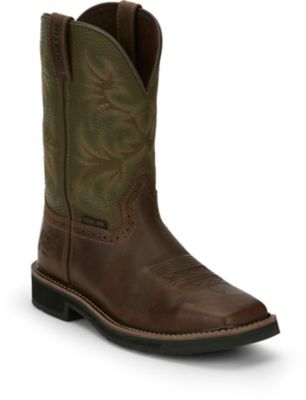
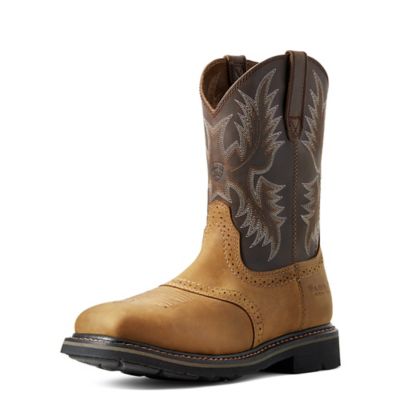
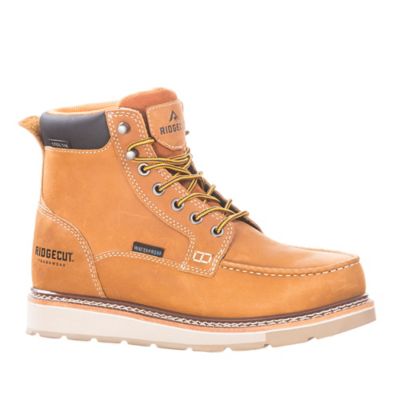
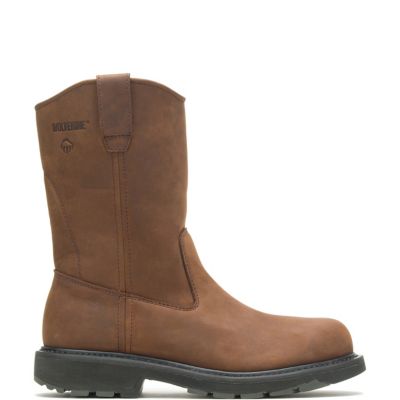
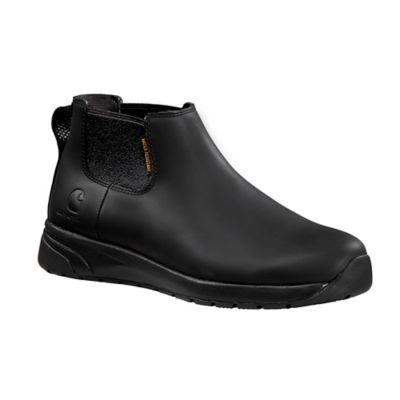
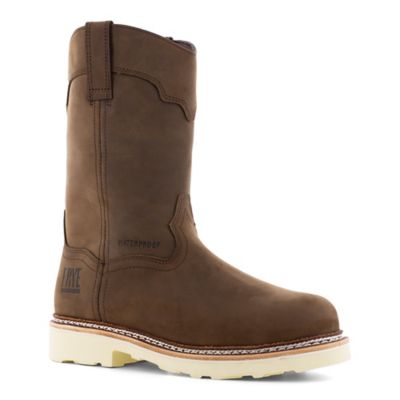
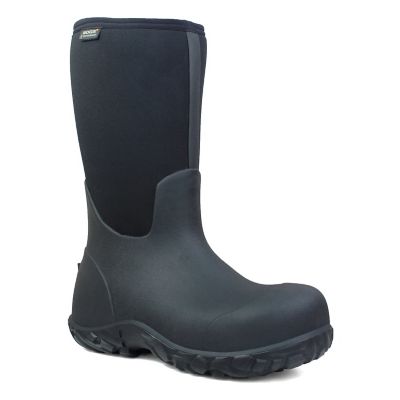
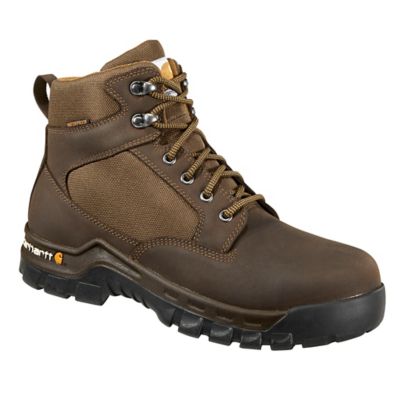
Men’s black safety boots are built for long days, rough ground, and work where dependable foot protection matters. They’re a practical choice for construction crews, warehouse workers, mechanics, farmhands, landscapers, utility workers, delivery drivers, and anyone who spends hours on concrete, gravel, muddy ground, or uneven pasture. The black color has a clean, work-ready look that pairs easily with jeans, work pants, or a uniform, while the right safety features help protect feet from common job-site hazards. When comparing men’s black safety boots, start by checking the type of toe protection. Steel toes are a familiar choice for heavy-duty work and provide strong protection against impact and compression. Composite toes, often made with materials such as carbon fiber, fiberglass, or reinforced plastic, can be lighter and don’t conduct cold as readily as steel, which may be helpful for outdoor work during cooler weather. Alloy toes offer another lightweight option while maintaining a slimmer profile. Whichever style fits the job, look for footwear that meets applicable ASTM safety standards and review your employer’s requirements before buying. Some work areas call for a specific rating or added protection, and a boot that works well in a shop may not meet the needs of a logging site, loading dock, or active construction zone. Electrical hazard protection can be an important feature for qualified work around electrical risks, while puncture-resistant midsoles can add protection when nails, scrap, or other sharp debris may be underfoot. Safety boots are not a substitute for safe work practices, but the right pair can be a valuable part of everyday protective gear.
The outsole deserves just as much attention as the toe. Look for a slip-resistant rubber outsole with a tread pattern suited to the surfaces where the boots will be worn. Deep, widely spaced lugs can help shed mud and loose soil on a farm or outdoor job, while a flatter, oil-resistant tread may feel more appropriate in a garage, warehouse, or service bay. No outsole eliminates every slip, especially on ice, wet metal, grease, or loose gravel, so tread condition and careful footing still matter. Waterproof men’s black safety boots can help keep socks dry when walking through wet grass, standing near wash-down areas, or working through changing weather during the warmer and cooler months. A waterproof membrane is useful, but the boot’s tongue, seams, and gusseted construction also play a part in keeping moisture out. Breathable linings can help move heat and perspiration away from the foot, which is welcome when the day starts cool and turns warm by afternoon. For cold conditions, leave enough room for the work socks you actually wear without sizing so large that your heel lifts. Comfort features matter just as much on a ten-hour shift as protection does. Padded collars can reduce rubbing around the ankle, cushioned footbeds can soften the feel of concrete, and supportive midsoles may help reduce fatigue when you’re standing at a workbench or walking across a large property. A flexible boot can make climbing in and out of equipment easier, while a firm shank and stable heel can feel more secure on ladders and uneven ground. Consider the closure, too: traditional laces allow a close fit around the ankle, and some designs add quick-adjust hardware for easier on-and-off. Try boots on later in the day, when feet have naturally expanded, and wear the socks used on the job. Your toes should have room to move without touching the protective cap, the heel should stay reasonably planted, and there should be no tight spot across the ball of the foot.
Men’s black safety boots can be a smart everyday purchase for someone starting a trade, replacing worn-out work gear, or taking on more outdoor responsibility. They also make a useful gift for a son, husband, dad, brother, ranch hand, apprentice, or friend who works with tools, animals, vehicles, materials, or machinery. A gift card or a chance to choose the size may be best when fit is hard to predict, since work boots can vary in width and shape even when the labeled size is the same. Before selecting a pair, think through the person’s regular routine: a dairy worker may value waterproofing and easy-clean materials, a warehouse employee may prefer lighter construction and cushioning, and a construction worker may need toe, puncture, electrical hazard, and slip protection together. For farm and property work, a boot should hold up to dust, wet grass, manure, gravel, and repeated trips between the barn, truck, and field. As the weather warms, breathable panels and moisture-managing linings can make long hours more comfortable; during the cooler months, insulated socks and a roomier fit may be more useful than a heavily insulated boot that overheats indoors. Black leather or leather-look uppers are easy to coordinate with work clothing and can often be wiped clean after a dusty or muddy day, though every material has its own care instructions. Let boots dry naturally when they get wet, remove loose dirt before it hardens, and avoid placing them directly against a heater, which can damage adhesives and dry out leather. Rotate pairs when possible so each one has time to air out. Check the tread, stitching, laces, toe cap, and sole attachment regularly, and replace boots when the outsole is worn smooth, the protective toe is exposed or damaged, the upper no longer keeps out water, or the boot no longer provides a secure fit. For a less rugged look on lighter-duty days, browse
Mens Black Casual Boots. Whether they’re headed to a job site, workshop, barn, or back forty, well-fitted men’s black safety boots provide a steady foundation for getting the day’s work done.