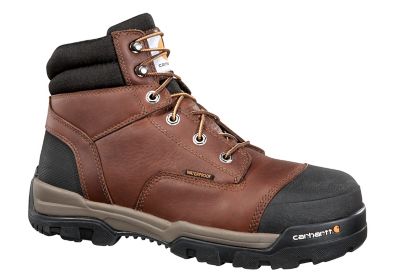
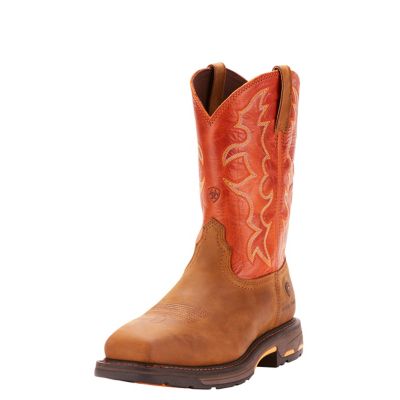
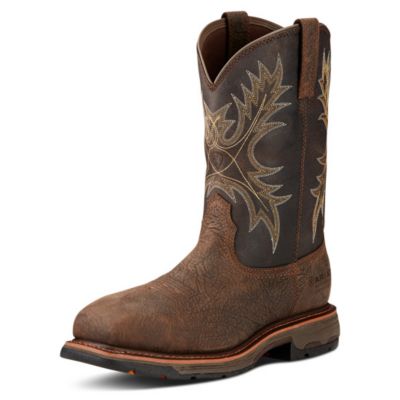
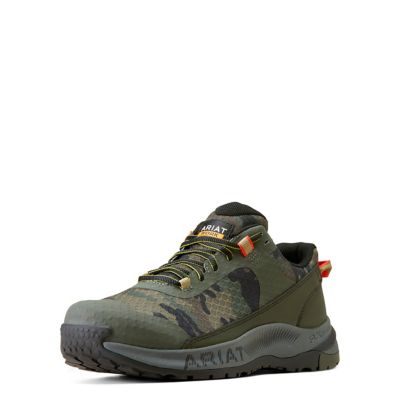
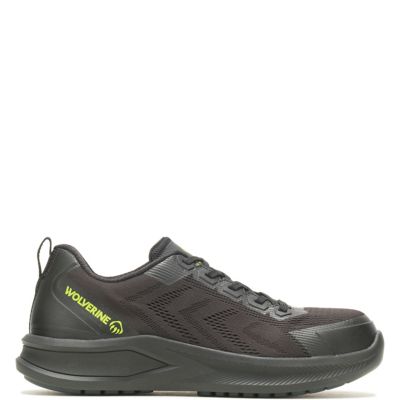
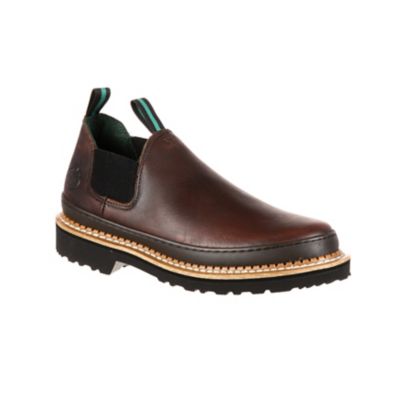
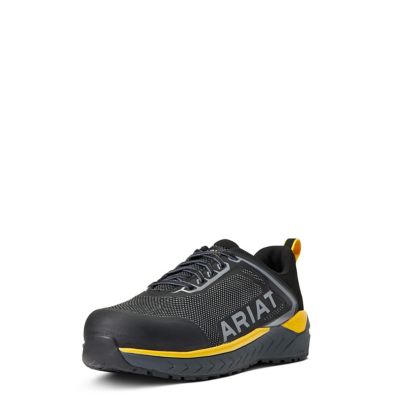
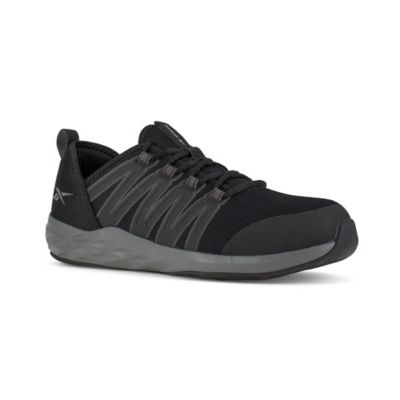
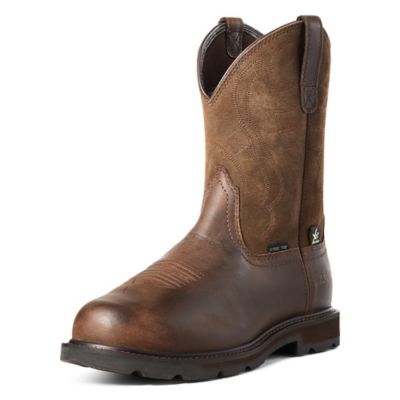
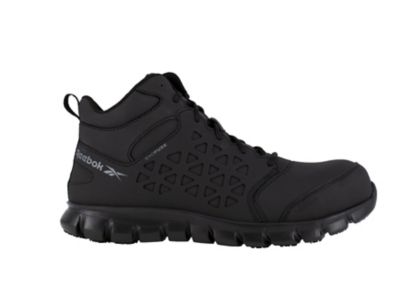
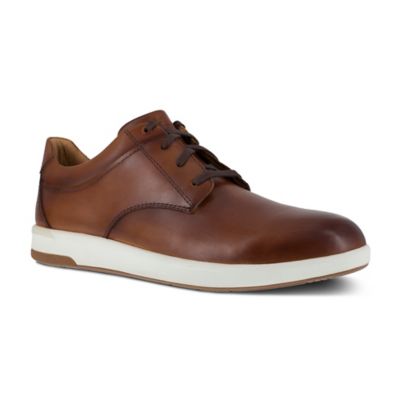
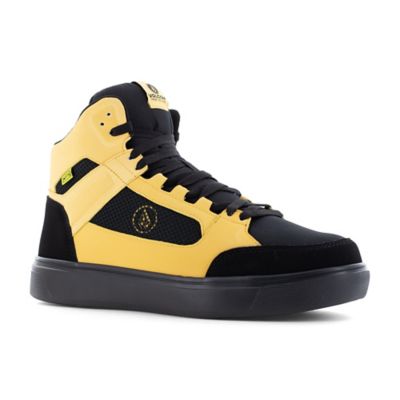
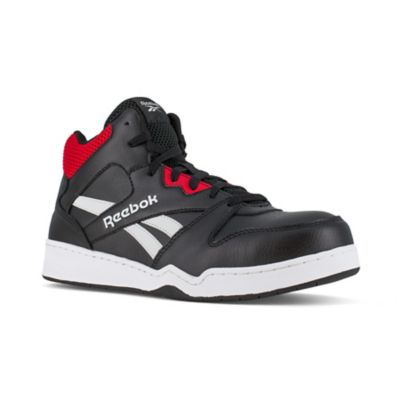
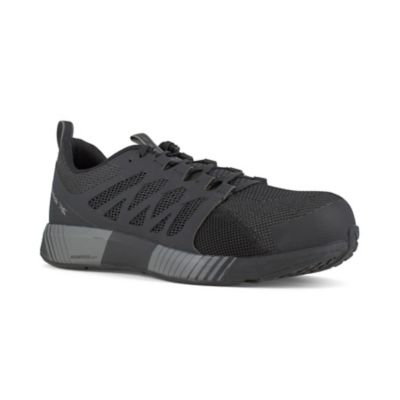
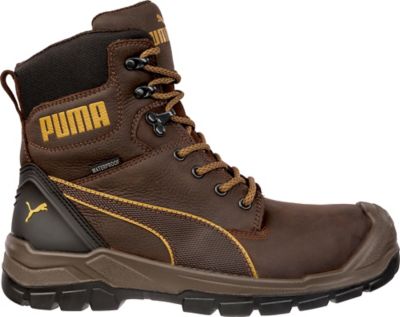
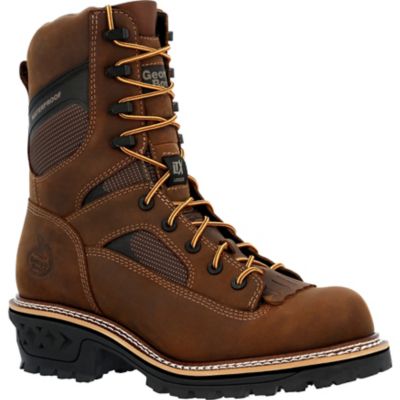
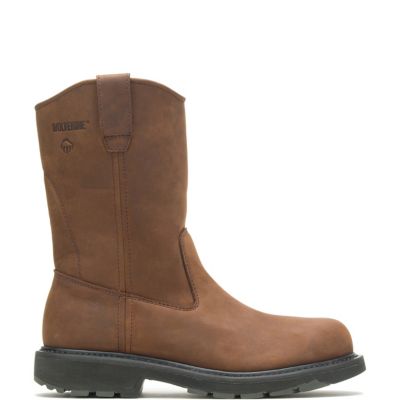
Safety work shoes bring job-specific foot protection to a shape that feels familiar, whether the day involves moving feed bags, picking orders in a warehouse, tending a shop counter or spending hours at a workbench. They make sense for people who need protective features without the taller profile of a work boot, provided that a lower-cut shoe meets the job’s requirements. The right match depends on the hazards underfoot and around the work area, not just the way a shoe looks. Protective toe caps help guard against impact and compression within their tested limits, with steel, alloy and composite constructions offering different combinations of weight, shape and feel. Steel toes are often associated with a traditional work-shoe build, while alloy and composite options may offer a lighter feel, depending on the design. A nonmetallic toe does not, by itself, establish electrical protection or confirm that the entire shoe contains no metal. Safety markings and the manufacturer’s specifications tell the more useful story. Footwear marked to applicable ASTM safety standards identifies tested protective features, and workplace requirements determine which of those features belong on the job. Electrical-hazard footwear provides secondary protection under specified dry conditions; static-dissipative footwear helps control static buildup and serves a different purpose. Those designations are not interchangeable. Some work areas also call for puncture-resistant construction or metatarsal protection across the top of the foot, neither of which should be assumed from the presence of a safety toe. A stockroom with scattered packing staples presents different concerns from a shop where heavy parts move between benches. Even two people working in the same building may need different footwear because their tasks and walking surfaces differ. The broader
Work Shoes category covers a range of workplace needs, while safety work shoes focus the choice on protective features alongside everyday fit and comfort. No shoe removes every workplace hazard, so footwear belongs alongside sound housekeeping, safe lifting practices and the protective equipment required for the task.
Materials and construction make a noticeable difference once a shift gets moving. Leather uppers can provide a substantial feel and a surface that wipes clean after contact with ordinary shop dust or dirt, though leather still needs care suited to its finish. Textile panels and mesh can make a shoe feel more flexible and allow airflow, while synthetic overlays can reinforce areas that see frequent rubbing. For jobs involving washdown areas or occasional splashes, water-resistant materials and waterproof constructions offer different levels of moisture protection; neither description should replace a closer look at the shoe’s stated limits. Linings that manage perspiration and removable footbeds can also help with day-to-day comfort, especially when footwear spends long stretches on the clock. Fit matters just as much as the material list. A protective toe cap will not stretch the way some upper materials can, so toes need room from the start rather than the promise of a break-in period. There should be space to move the toes without the foot sliding forward into the cap, and the heel should stay settled without pinching. Width deserves attention, too: choosing a longer shoe to make up for a narrow fit can leave too much movement through the heel and midfoot. Trying shoes with the socks intended for work gives a better sense of the fit, and any prescribed insert needs enough room without crowding the toes or lifting the heel out of place. For footwear with electrical or static-control ratings, replacement footbeds should follow the manufacturer’s guidance because changes can affect the footwear’s performance. Laces allow adjustment across the instep, while other closure styles may suit particular tasks or mobility needs. A person walking long aisles may favor a different balance of flexibility and cushioning than someone standing at a packing table. Cushioning can soften the feel of hard floors, but a stable base and a secure fit matter when carrying a sack of feed or turning beside a loaded cart.
Outsoles deserve a close look because the floor often sets the pace of the day. Concrete aisles, smooth service areas and gritty shop entrances each put different demands on a tread pattern. Rubber and polyurethane compounds can offer different balances of traction, flexibility, weight and resistance to wear, with performance depending on the particular construction. Slip-resistant footwear is tested under stated conditions, not a promise of footing on every surface. Oil resistance describes another property and should not be treated as a substitute for slip-resistance information. Broad contact areas, channels and tread edges all influence how a sole handles the surfaces it was designed for, while packed-in dirt or worn tread can reduce its effectiveness. A shoe that feels steady on a clean floor may behave differently around spilled liquids, loose grain or fine dust, making prompt cleanup part of foot safety. Reinforced toe areas, protected stitching and abrasion-resistant panels can help shoes stand up to repeated scuffs from shelving, pallets and kneeling tasks. Flex points still need attention, particularly where the forefoot bends throughout the day. Routine care helps preserve both comfort and service life: loose grit can be brushed away, uppers cleaned according to their materials, and footwear allowed to air-dry away from direct heat. Leather treatments should suit the finish and follow the manufacturer’s directions, while textile sections generally call for a different approach. Removing permitted footbeds for drying can help moisture escape between shifts. Soles, seams, laces and linings all show wear in different ways, so a quick look during cleaning can reveal a separating edge, a frayed lace or a rough spot inside the heel before it becomes a bigger problem. Footwear that has taken a significant impact or shows damage to a protective component may need replacement even when the outside still looks serviceable. For mechanics, warehouse crews, maintenance workers and farm-shop hands, the best match is footwear that meets the task’s safety requirements and remains comfortable enough to wear correctly through the whole workday.