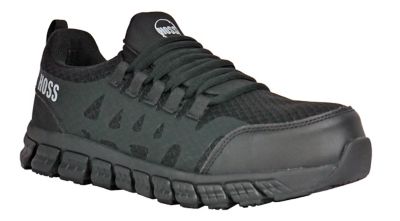
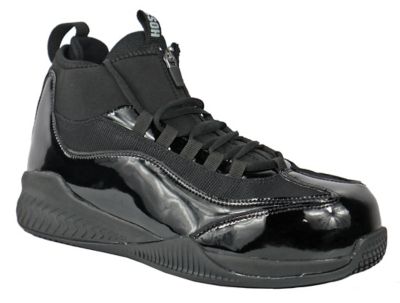
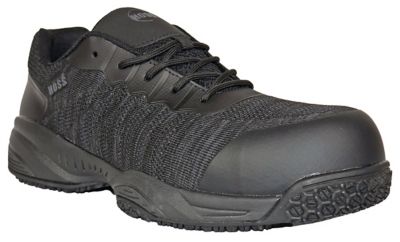
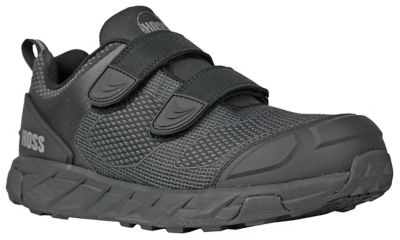
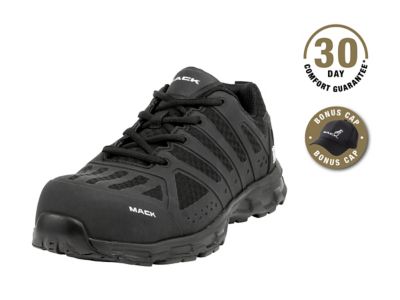
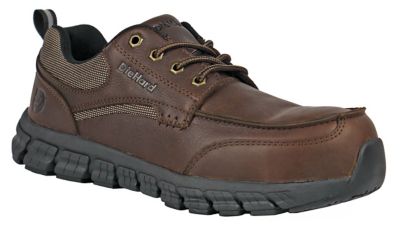
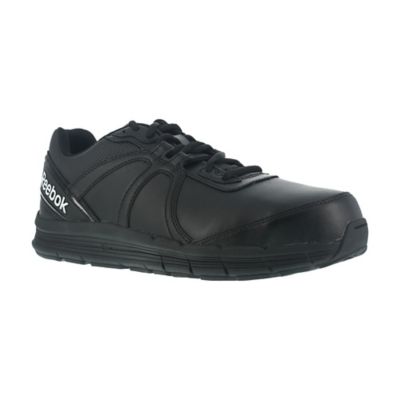
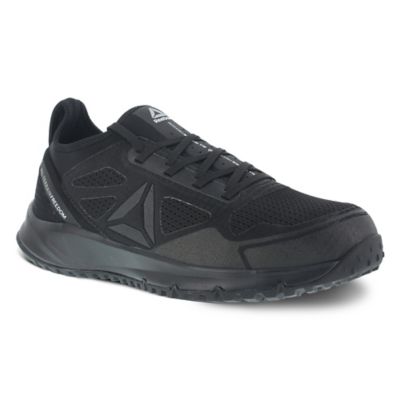
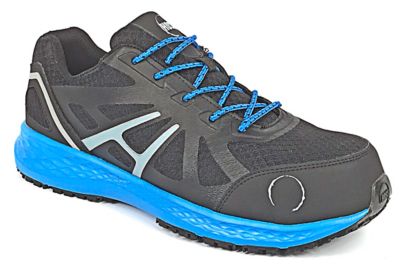
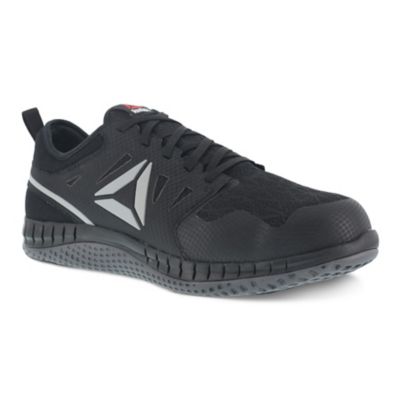
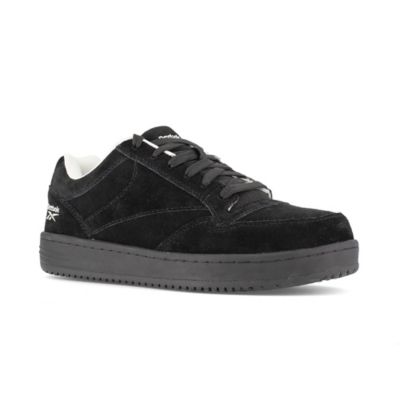
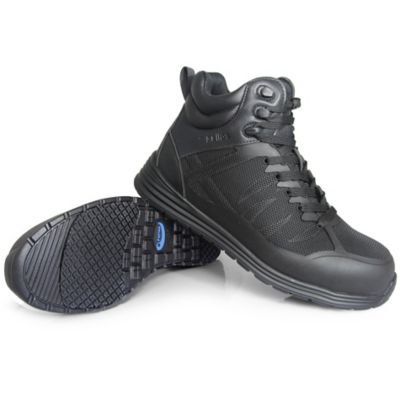
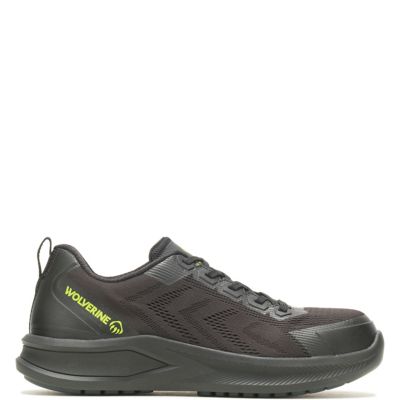
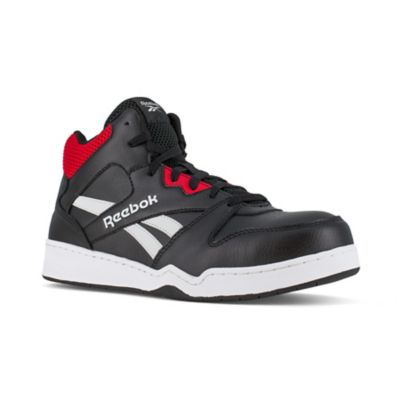
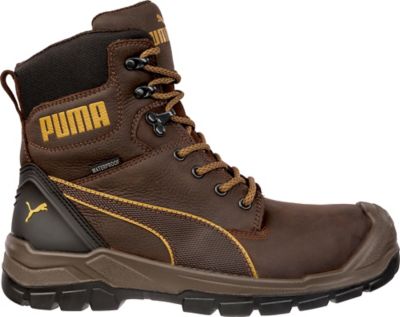
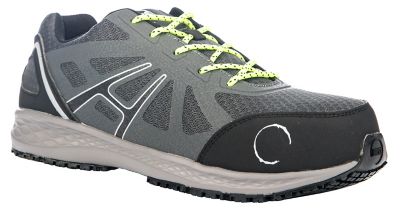
Men's safety toe athletic shoes combine a sneaker-style design with a protective toe cap made to help guard against impact and compression at the front of the foot. They suit jobs where plenty of walking, standing, and bending go along with a requirement for protective footwear. Think warehouse aisles, parts counters, assembly areas, and shop floors where a dropped tool or shifting carton can put toes at risk. Compared with taller work footwear, an athletic silhouette generally leaves more room for ankle movement and can feel less cumbersome during frequent trips between workstations. Protection still comes down to the shoe's construction and safety markings, not its sporty appearance. ASTM F2413 identifies performance requirements for protective footwear, including toe impact and compression resistance, so the shoe's labeling should match the employer's requirements. Steel, aluminum, and composite toe caps can meet those requirements when the finished footwear is tested and marked accordingly. Steel often allows a relatively slim protective cap, while aluminum can reduce toe-cap weight. Composite designs may contain fiberglass, carbon fiber, or other nonmetal materials, although a composite toe alone does not mean the entire shoe is metal-free. Total shoe weight also depends on the outsole, upper, cushioning, and other components. Mesh and knit uppers can encourage airflow and flex with the foot, while leather, synthetic overlays, and reinforced toe areas can help handle rubbing against equipment and work surfaces. The right balance depends on what the day brings: walking long aisles calls for something different than frequent kneeling beside machinery. Safety toe athletic footwear is work footwear first, even when it resembles a running shoe. A protective toe cap does not protect every part of the foot, and an athletic shape does not automatically provide puncture resistance, metatarsal protection, or any particular electrical protection. Those features require their own construction and markings. Jobsite rules remain the starting point, especially around heavy equipment, sharp debris, exposed electrical hazards, or tasks that call for more coverage.
Fit makes a big difference when the same pair stays on from the first time clock punch through the last sweep of the shop. Men's safety toe athletic shoes should hold the heel securely while leaving enough space for toes to move without pressing against the protective cap. That cap will not stretch during break-in, so pressure across the toes is not something to work through. Trying footwear with the same work socks worn on the job gives a better sense of the space inside, and feet may need a little more room after several hours of standing. Width matters as much as length. Going up a size to solve a narrow forefoot can leave extra movement at the heel, while a wider fit may address the actual problem. Walking, turning, and crouching help reveal rubbing at the collar, slipping at the heel, or pressure where the upper bends. Laces that hold tension evenly can keep the foot from sliding forward, and a padded tongue can soften pressure over the top of the foot. Underfoot, cushioning helps soften repeated steps on concrete, but more softness is not always better. A stable platform can feel more settled when carrying supplies, pushing a cart, or standing at a bench. Removable footbeds may allow room for an appropriate replacement insert, provided it does not crowd the toes or conflict with the footwear manufacturer's guidance. Outsole design deserves the same attention as cushioning. Rubber compounds, tread patterns, and channels can affect traction on particular surfaces, but slip-resistant does not mean slip-proof. Smooth concrete, tracked-in grit, and a spill near a workbench present different challenges. Oil resistance describes how a sole material handles exposure to oil; it does not by itself establish traction on an oily floor. Shoes intended for ladders or other specialized tasks also need to meet workplace requirements. A sneaker-like sole that feels comfortable across a level floor may not be the right match for every rung, platform, or piece of equipment.
How men's safety toe athletic shoes hold up depends on the materials, the work, and what happens after the shift. Leather panels can stand up well to routine scuffing, while textile uppers may offer more flex and ventilation; either can wear early when constantly dragged against concrete or scraped along equipment. Reinforced toe coverings help shield a common contact area, but they do not make repeated abrasion harmless. Grit caught in seams and tread can speed wear, so brushing away loose dirt before it builds up is a useful habit. Cleaning should follow the manufacturer's directions for the upper material, adhesive construction, and any protective treatments. A soft brush or lightly damp cloth is often a better starting point than soaking the whole shoe. Unless the maker specifically permits it, machine washing can be hard on components and bonding. Footbeds can be removed for airing when the design allows, and shoes should air-dry away from direct heat. Cracked uppers, separating soles, flattened cushioning, frayed laces, and worn tread are worth noticing before they interfere with the workday. A significant impact or compression event can compromise protective components even when damage is hard to see, so footwear involved in one should be taken out of service and assessed according to manufacturer and workplace guidance. Electrical hazard footwear, when required, provides supplemental protection under specified conditions; it does not replace safe work practices or other required equipment. Conductive and static-dissipative footwear serve different purposes and should not be treated as interchangeable with electrical hazard footwear. For jobs that call for a taller shaft or more coverage around the ankle and lower leg,
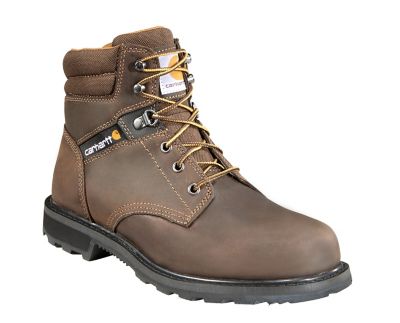
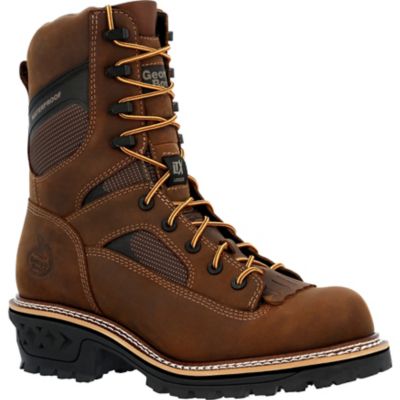
Men's Safety Toe Work Boots offer another work-footwear category to consider. Athletic safety shoes make the most sense when their coverage, fit, traction, and marked protections line up with the actual task. A pair that stays secure through repeated steps, leaves the toes comfortable, and meets the site's requirements can keep attention on moving freight, stocking supplies, or getting the next job out the door.