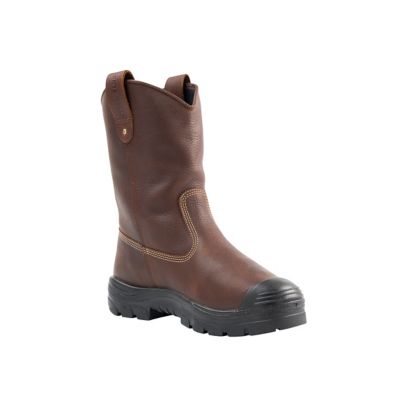
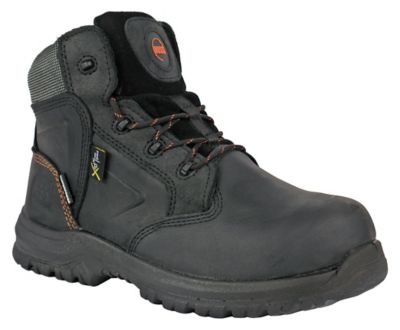
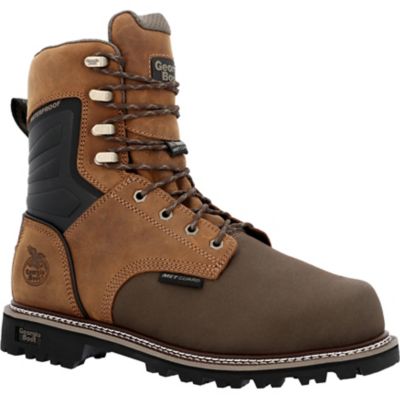
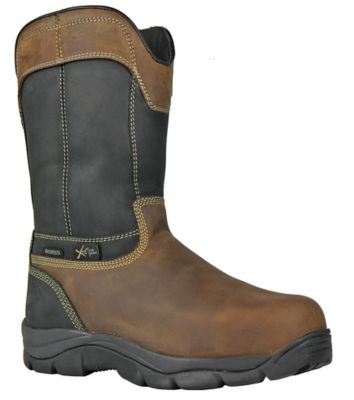
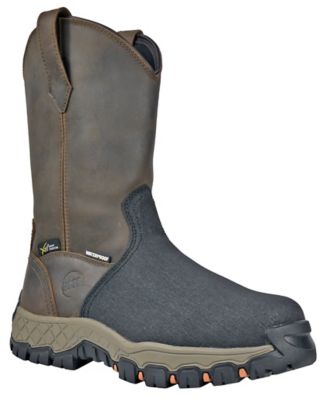
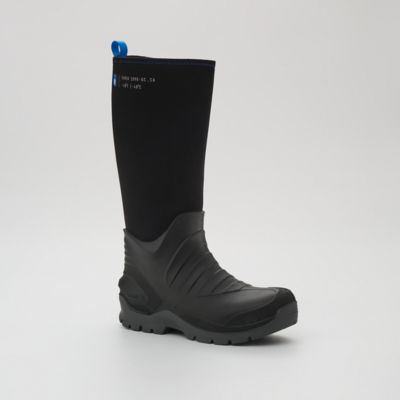
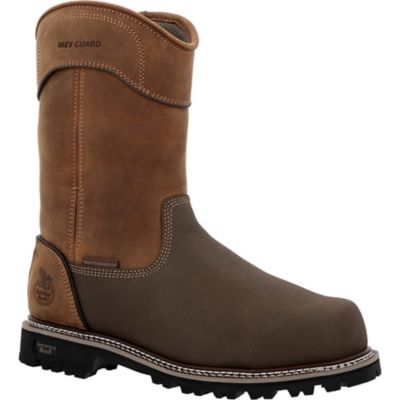
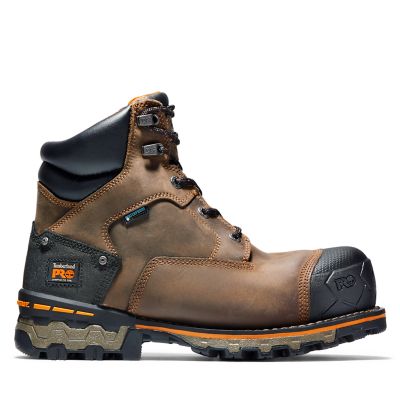
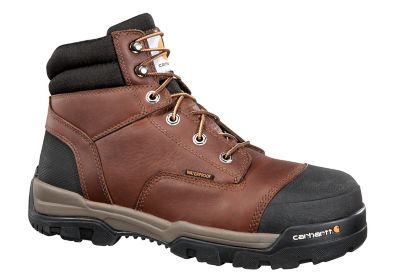
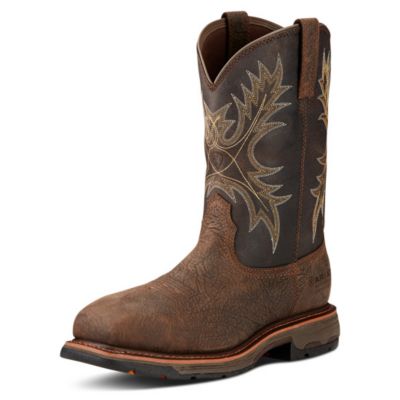
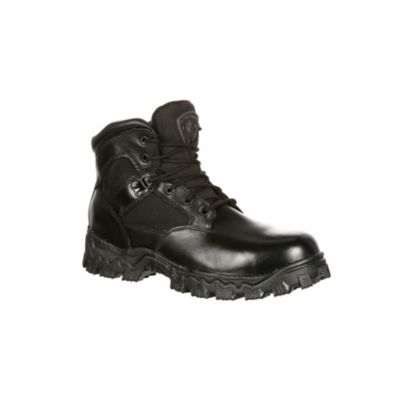
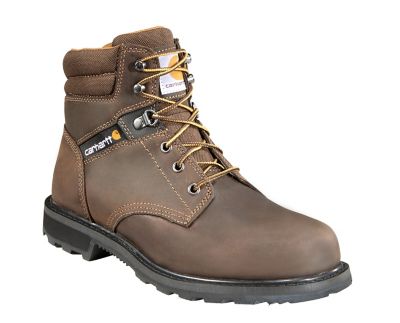
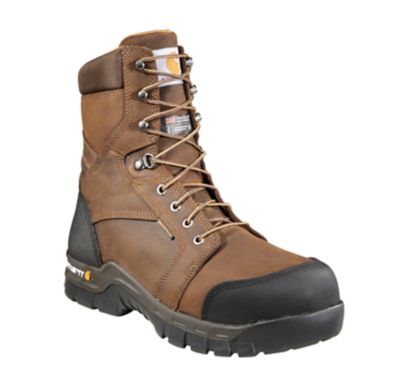
Men’s metatarsal guard work boots bring added protection to jobs where a safety toe alone may not cover the whole hazard. A dropped wrench, a shifting piece of pipe, or a heavy part sliding off a workbench can strike farther back than the toe cap reaches. Metatarsal guards help protect the bones across the top of the foot, making these boots worth considering for fabrication shops, equipment repair, material handling, and farm work that involves heavy tools or parts. They do not make a foot injury-proof, but properly rated protection can help reduce the impact of certain workplace hazards. Internal guards sit beneath the boot’s outer material for a more streamlined profile, while external guards cover the instep from the outside. Their shape, attachment points, and flexibility affect how the boot feels when walking, kneeling beside a tractor, or climbing into a cab. An external guard may also change the clearance needed around pedals, steps, or tight spaces. Steel, alloy, and composite safety toes can accompany metatarsal protection, though the toe material by itself does not establish the boot’s full protective rating. Construction and testing matter more than appearance or weight alone. For work that calls for ASTM F2413 footwear, the boot’s marking and manufacturer’s information should identify the protection it meets, including metatarsal protection when required. Electrical hazard protection, puncture resistance, and other safety features are separate considerations rather than automatic benefits of a metatarsal guard. A shop floor with metal scraps presents different demands from a packing area where heavy loads move throughout the day. Matching the boot to the actual work, along with any employer requirements, helps keep the focus on the hazards underfoot and overhead. Guard coverage, toe protection, outsole design, and upper construction all play a part in finding a pair suited to the job.
Fit matters just as much halfway through a shift as it does when the boots first go on. A metatarsal guard adds structure over the instep, so the right size needs room across the top of the foot without leaving the heel loose or allowing the foot to slide forward. Toes should have space to move without pressing against the safety cap, and the widest part of the foot should line up with the widest part of the boot. Extra length is no substitute for the right width. Work socks also take up space, making the socks normally worn on the job part of a sensible fit check. Feet can swell over a long day, so a snug fit should not feel like a squeeze before the work even starts. Walking, bending at the forefoot, and taking a careful kneeling position can reveal pressure from the guard or tongue that standing still might miss. Lace-up designs allow adjustment through the instep and ankle, while pull-on styles depend more heavily on the shape of the foot, heel, and shaft for a secure feel. Underfoot, cushioning helps soften repeated steps on concrete, but a soft footbed is only one part of comfort. Midsole support, a stable heel, and the boot’s flex pattern affect how it feels while carrying feed sacks, standing at a bench, or walking between buildings. Shank construction can also influence support when spending time on ladder rungs or uneven footing. The comfort priorities behind
Mens Comfortable Work Boots matter here, too, with extra attention to how the guard moves over the foot. Removable footbeds can make cleaning or replacement easier, though thicker inserts may crowd the toe box or push the instep against the guard. Any replacement should stay within the footwear maker’s recommendations, particularly when the boot carries specialized safety ratings. A good fit should feel secure without needing painfully tight laces to hold everything in place.
Materials and construction help determine how metatarsal guard boots handle repeated contact with rough surfaces, gritty floors, and everyday bending. Leather uppers can stand up well to abrasion with proper care, while synthetic panels may offer different balances of flexibility, weight, and maintenance. Reinforcement around the toe and heel can help limit wear in spots that scrape against equipment or brush against concrete. Seams, eyelets, and the connection between the upper and outsole deserve attention, too, since those areas take repeated stress. Welted construction may allow resoling when the design and condition permit, while cemented or direct-attached construction can offer different combinations of weight and flexibility. Underneath, tread should suit the walking surface. Deep lugs can grip loose ground but carry packed dirt onto a shop floor; shallower patterns may shed debris differently and provide more contact on smooth surfaces. Slip-resistant labeling does not mean a boot cannot slip, and oil resistance describes a different property from traction. Water-resistant or waterproof construction may be helpful around washdown areas, but neither feature establishes protection against chemicals or hot materials. Those tasks call for footwear specifically rated for the exposure. Regular care helps preserve the upper and makes developing problems easier to spot. Loose dirt can be brushed away, and cleaning products should match the boot’s materials rather than whatever happens to be beside the sink. Leather conditioner belongs only where the manufacturer recommends it, since treatments can affect finishes or other components. Boots dry best with airflow and without direct heat from a heater, stove, or similar source. Laces, stitching, tread, and guards need occasional checks for damage, separation, or excessive wear. A hard impact can compromise protective parts even when the outside still looks serviceable, so the maker’s replacement guidance matters after an incident. For long days around heavy work, the best match balances job-appropriate protection, steady footing, and a fit that stays comfortable from the first task to the last.