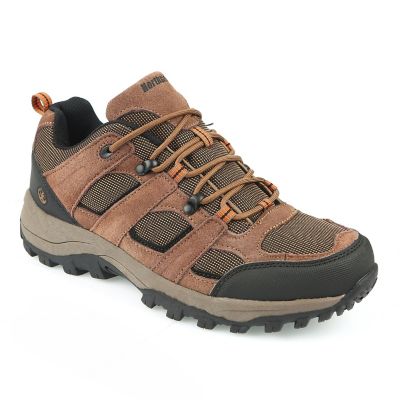
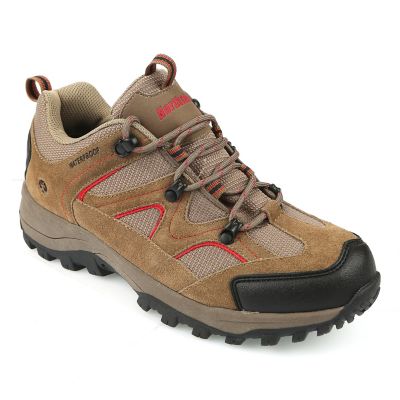
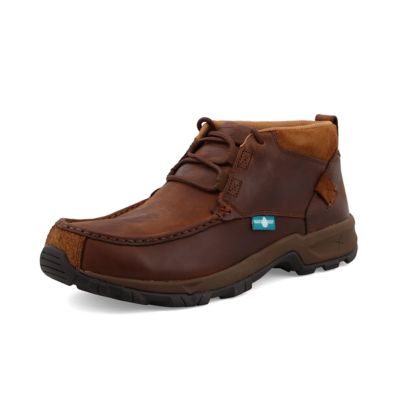
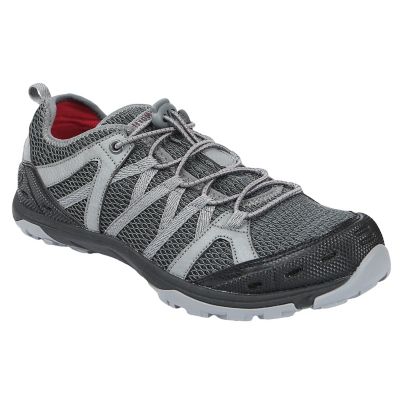
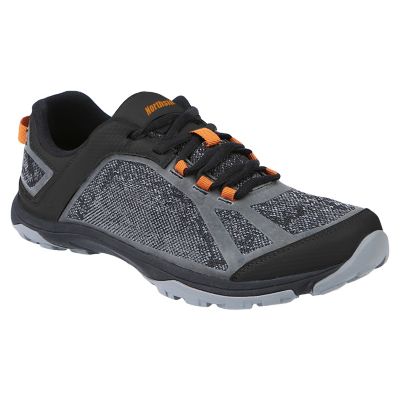
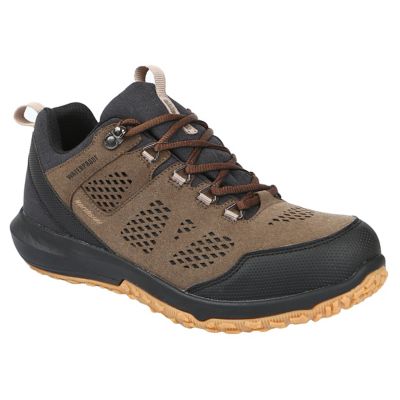
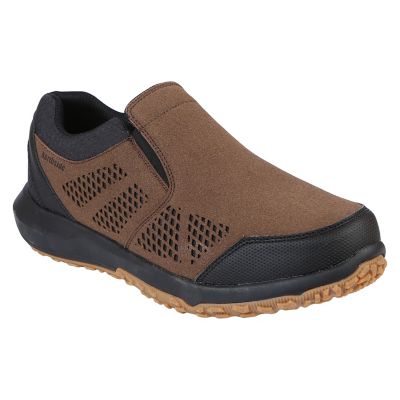
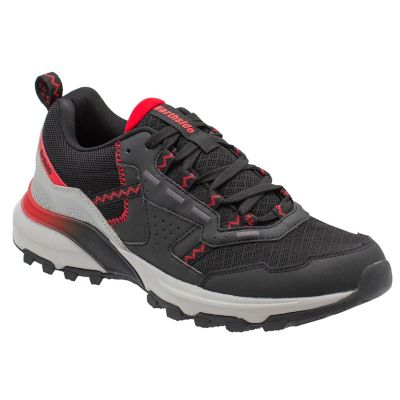
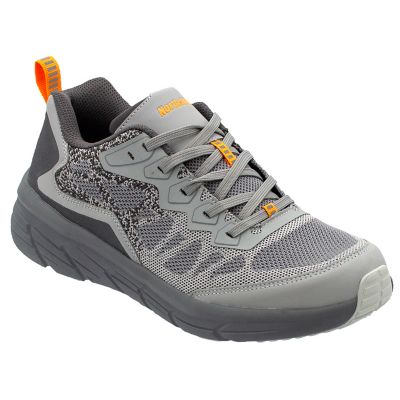
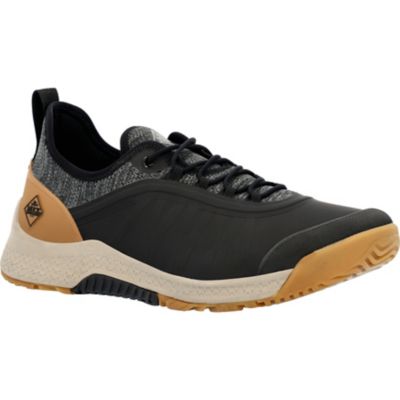
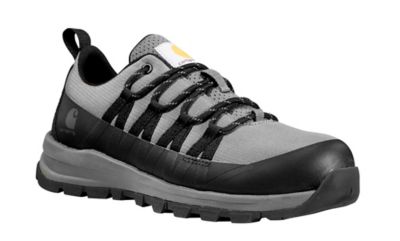
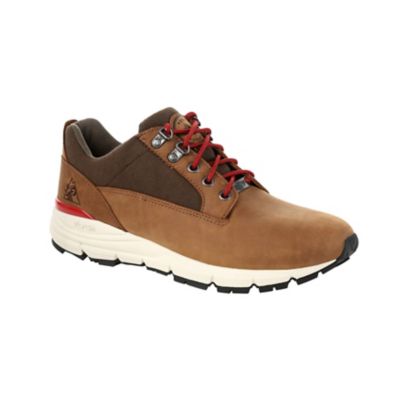
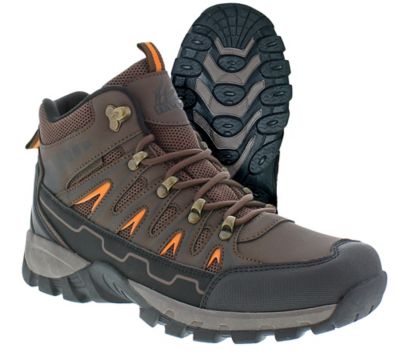
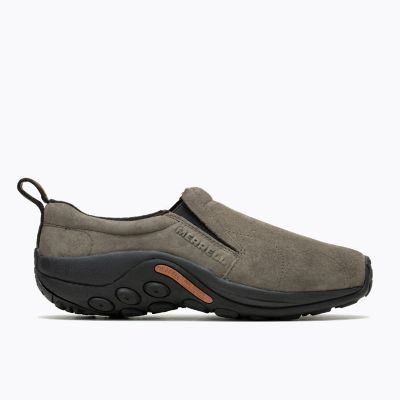
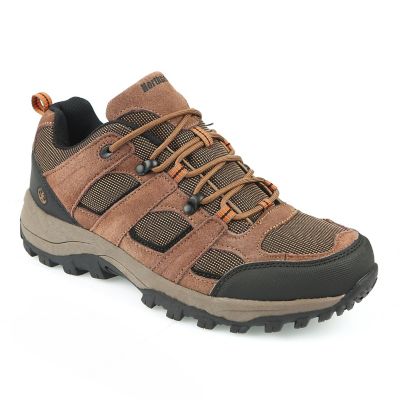
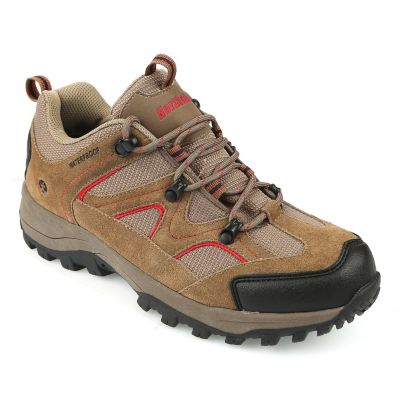
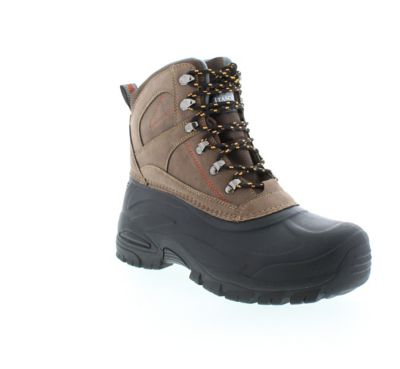
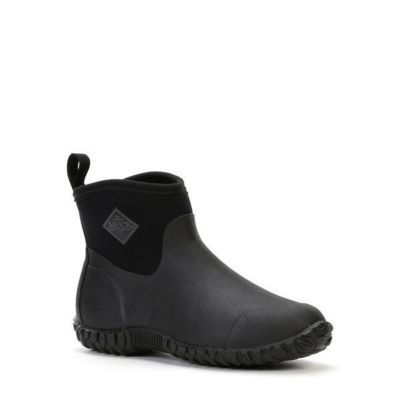
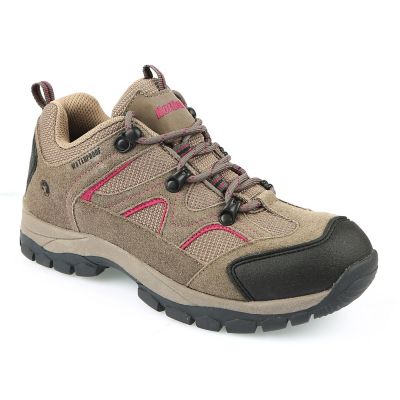
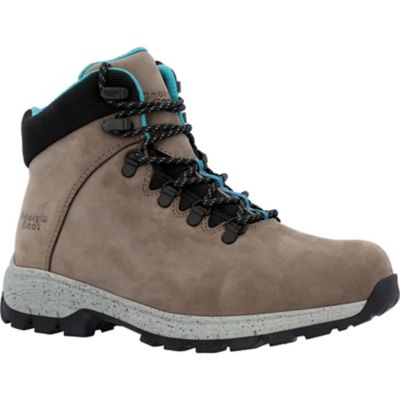
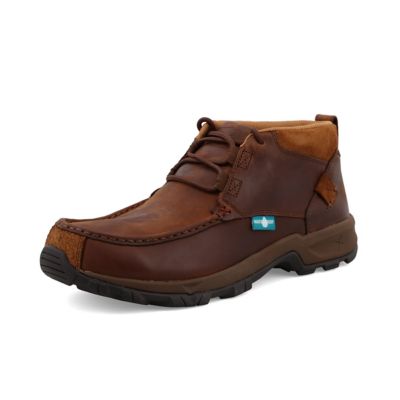
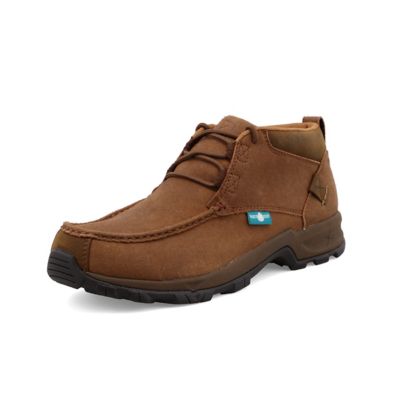
Men’s low cut hiking shoes are a practical choice for day hikes, trail walks, camping trips, travel, yard work, and everyday outdoor chores. Sitting lower on the ankle than a hiking boot, they give your feet room to move while still offering more trail-ready support than an ordinary sneaker. That lower profile can feel especially comfortable when you are covering rolling grassland, packed dirt, gravel paths, wooded trails, or a mix of surfaces in one outing. They are easy to pair with outdoor clothing, simple to pack in a duffel or truck, and convenient for anyone who likes to go from the trailhead to town without changing footwear. During the warmer part of the year, breathable materials can help keep feet from feeling hot on a long walk, while as the weather turns cooler, a pair with a more substantial upper can provide a little extra protection from brush, damp ground, and chilly wind. Low cut hiking shoes also make a thoughtful gift for a dad who spends weekends outdoors, a son heading off to college, a friend planning a camping trip, or anyone who enjoys exploring local parks and back roads. For a gift, it helps to know the recipient’s usual shoe size, whether they need a wide fit, and the kind of terrain they visit most often. A dependable pair can become the footwear that lives by the back door, ready for everything from a sunrise walk with the dog to an afternoon spent checking fence lines.
Fit should come first, since even the toughest hiking shoe will not feel good if it pinches your toes or lets your heel slide. Try them on with the socks you expect to wear outdoors, preferably a moisture-wicking hiking sock rather than a thin everyday dress sock. Your toes should have enough room to spread and move, with a little extra space in front so they do not bump the shoe on downhill sections. The heel should stay comfortably in place when you walk, and the midfoot should feel held without pressure across the top of the foot. Keep in mind that feet often swell during a long hike, especially on warm days, so a fit that feels barely snug in the morning may become uncomfortable several miles later. People with wide feet may prefer a roomier toe box or a wide-size option, while those who like a close, athletic feel may look for a more streamlined shape. Walk across a hard floor, bend your toes, and take a few steps at an incline if possible. Lacing can make a real difference: snug the lower eyelets enough to secure the forefoot, then adjust the upper laces to keep your heel from lifting. Before heading out on a full-day trip, wear new shoes around the house, on errands, or during shorter walks. That little break-in period can reveal a rub point before it turns into a hot spot beside the heel or under the ball of the foot. A moisture-wicking sock, trimmed toenails, and a small blister kit tucked into a day pack can make an ordinary outing much more pleasant.
Consider the ground you expect to cover when comparing materials, cushioning, traction, and weather protection. A firm sole with well-spaced lugs can help on loose gravel, roots, and uneven dirt, while deeper or more aggressive tread may be useful on muddy slopes. For smooth paved paths and easy trails, a lighter sole with flexible cushioning can make each step feel natural and reduce fatigue. Cushioning preference is personal: some hikers like a responsive, close-to-the-ground feel that helps them sense the trail, while others prefer a softer midsole for long walks and hard-packed surfaces. Stability matters when carrying a day pack, walking across angled ground, or stepping over rocks, so look for a supportive heel counter and a sole that does not twist too easily. Waterproof construction can be helpful for wet grass, shallow puddles, and damp trails during the cooler months, but waterproof materials may feel warmer than more breathable mesh on dry, sunny walks. Breathable shoes often dry faster after a splash and can be a good match for warm-weather use, though they will not keep feet dry in steady rain. Check the outsole regularly for packed mud and worn tread, brush off dirt after each trip, and let shoes air-dry naturally away from a heater or open flame. Storing them in a dry place with the laces loosened helps maintain their shape. Whether you are following a wooded trail with leaves underfoot, crossing a dusty pasture road, or taking the long way around a campground, the right pair of men’s low cut hiking shoes should feel secure, comfortable, and ready for the pace of the day. If you are shopping for another outdoor footwear option, browse
Womens Low Cut Hiking Boots for styles made to support women on similar walks, hikes, and outdoor adventures.