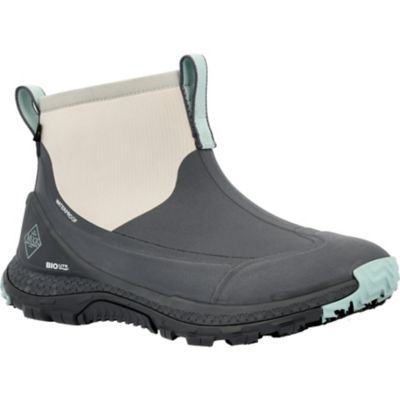
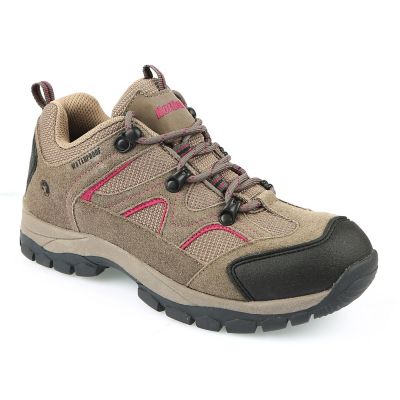
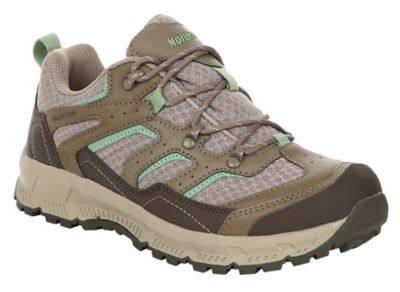
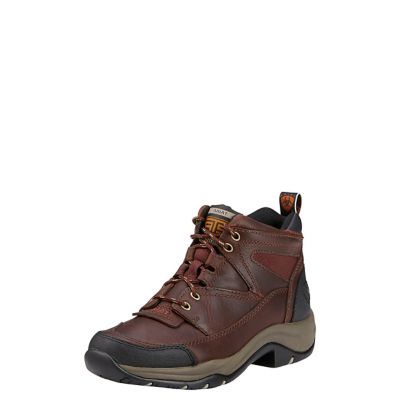
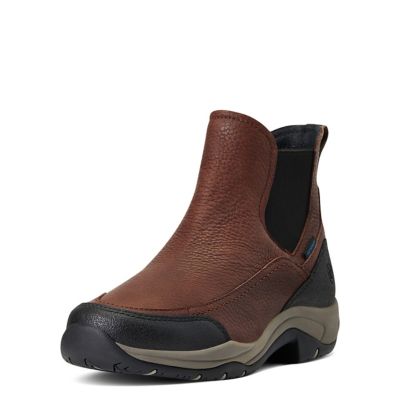
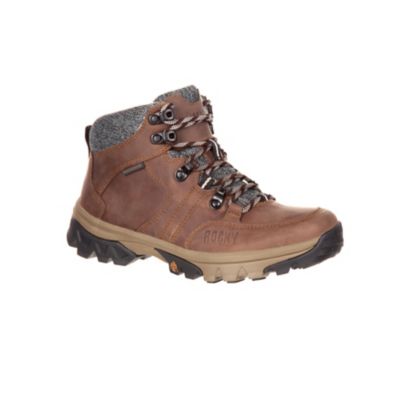
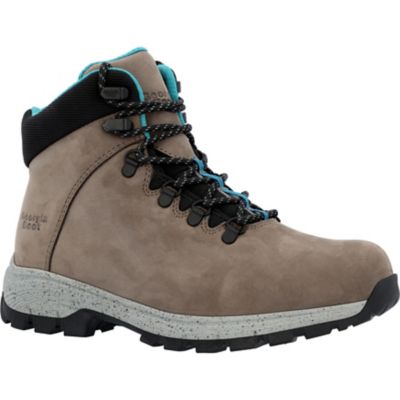
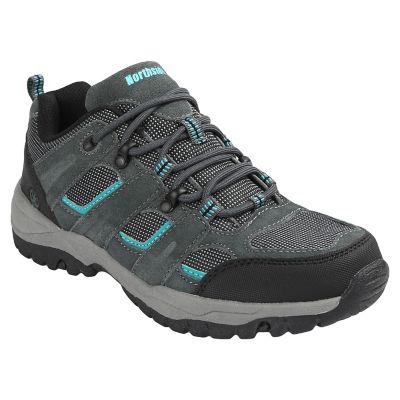
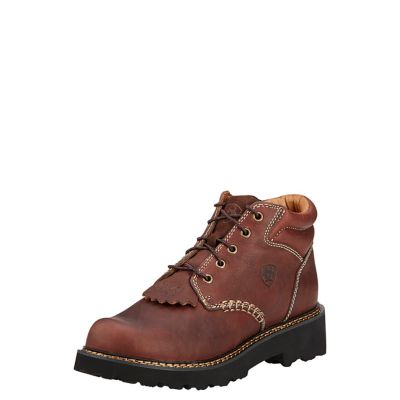
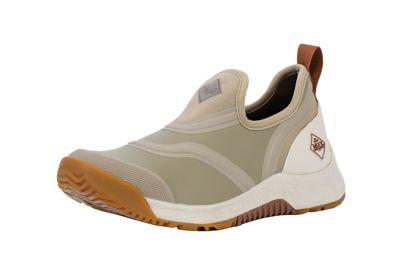
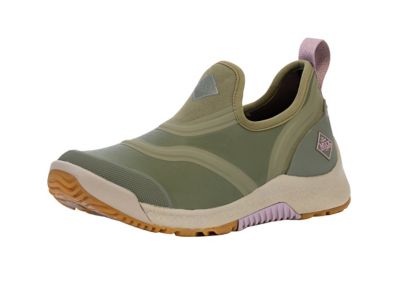
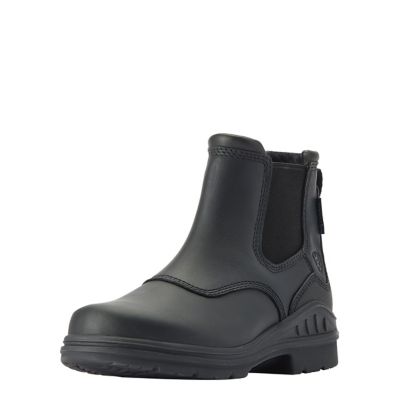
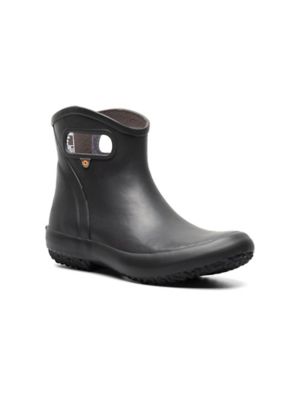
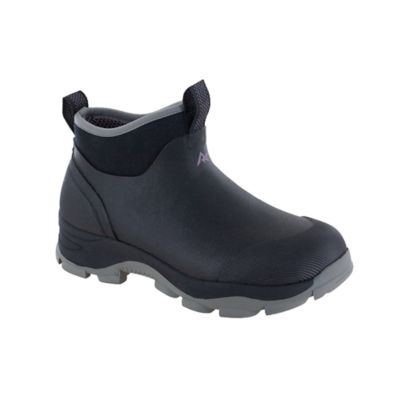
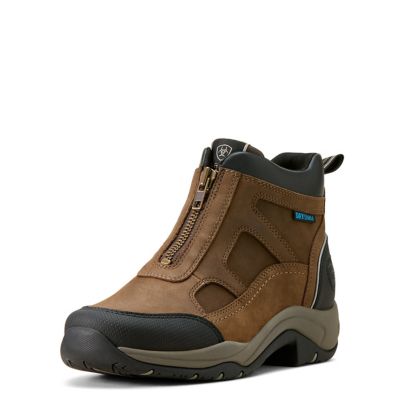
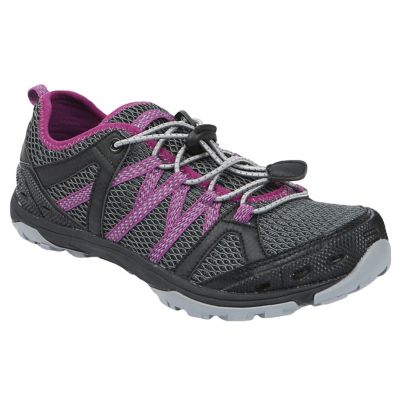
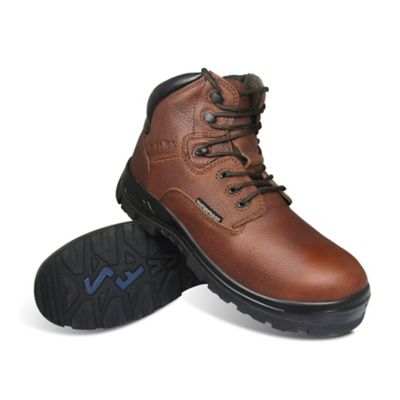
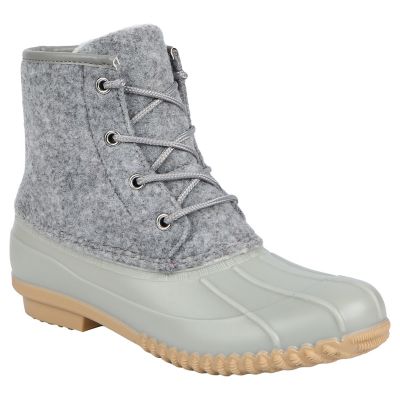
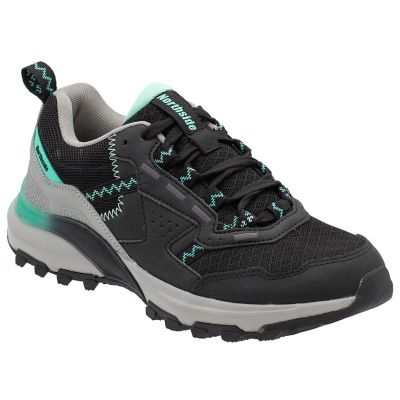
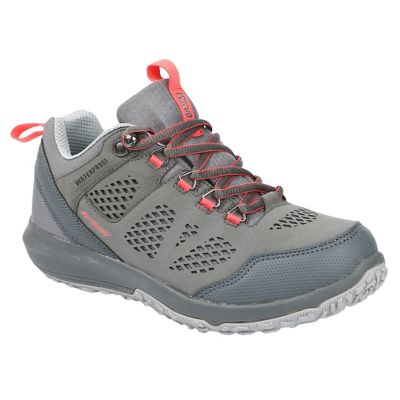
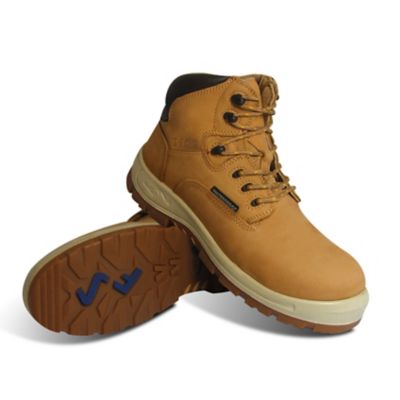
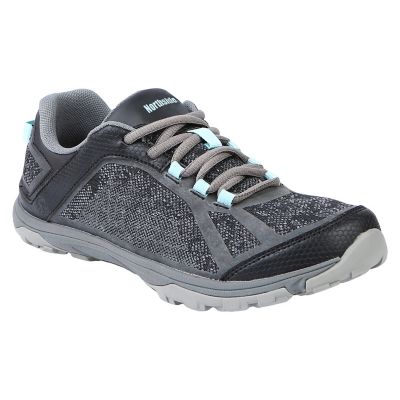
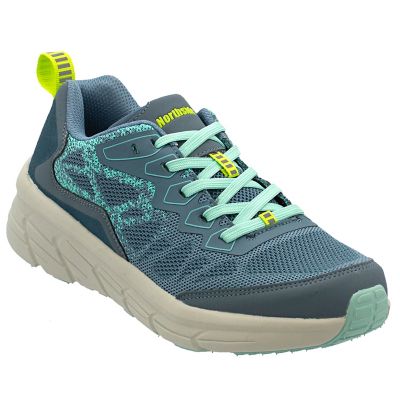
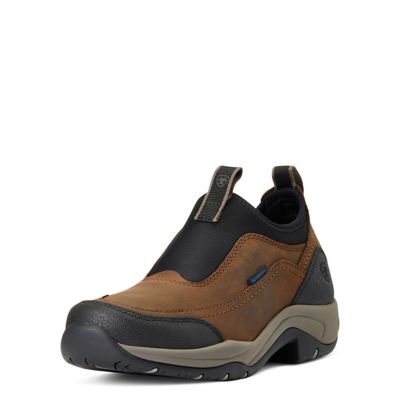
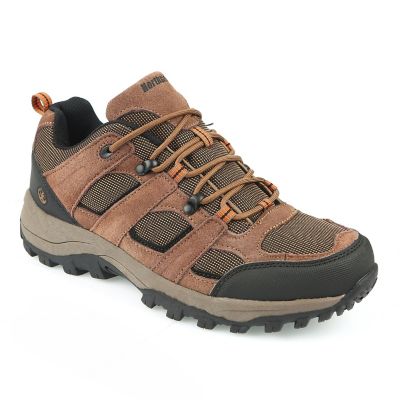
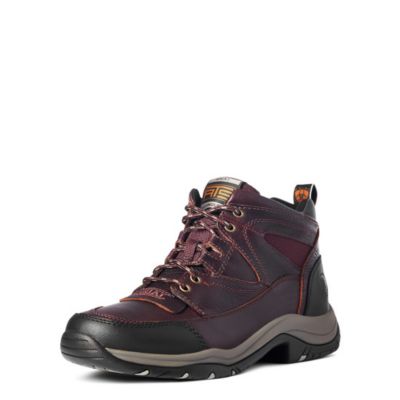
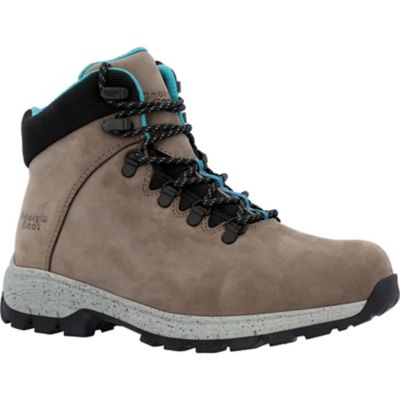
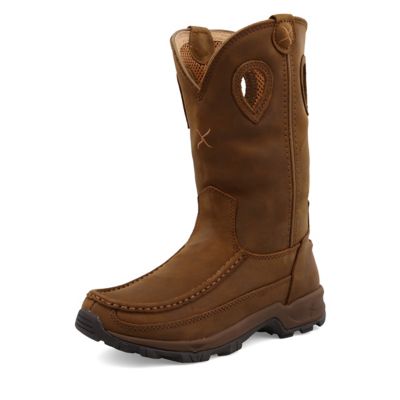
Women’s low cut hiking boots bring the easy feel of a trail shoe together with the tougher build hikers expect from a boot. Their lower profile keeps the ankle area open, which makes them a handy choice for day hikes, gravel paths, campground walks, and everyday outdoor work where you want to move easily without feeling weighed down. Many pairs feel closer to a sturdy sneaker than a tall boot, while still offering a protective toe, supportive footbed, firm heel counter, and lugged rubber outsole. That balance works well for women who spend warm afternoons walking wooded trails, checking fence lines, exploring public land, or taking the dog down a rutted path. Low hiking boots can also be a thoughtful gift for someone who enjoys weekend adventures, scenic road trips, state park visits, or simply likes having dependable footwear by the back door. When choosing a pair, start with the places they will be worn most often. Smooth packed trails and maintained paths may call for a flexible, lightweight design, while rocky ground, loose dirt, roots, and uneven slopes are better matched with a more structured boot and a deeper tread. Look for outsoles with clearly defined lugs that can bite into dirt and help shed mud. Lugs around 4 millimeters to 5 millimeters are often useful for mixed trail conditions, though the best tread depends on the terrain and the way each person walks. A broad, stable base can add confidence on uneven ground, and a reinforced toe helps guard against the occasional stone or hidden root. Since low cut styles do not rise as high around the ankle, they offer less ankle coverage and stability than mid-height or high-top hiking boots. Hikers carrying a heavy pack, traveling over very rough ground, or wanting extra ankle support may prefer a taller design such as
Women's High Top Hiking Boots.
Comfort starts with a proper fit, especially when a hike may stretch from a quick morning walk into a full day outside. Try boots with the same kind of hiking socks you plan to wear, leaving enough room to wiggle your toes without letting your heel slide. Toes should not press against the front when walking downhill, and the heel should stay mostly in place when climbing. A secure lace system or adjustable closure helps fine-tune the fit across the top of the foot, while a padded tongue and collar can reduce pressure and rubbing. Foot shape varies, so features such as a roomy toe box, removable insole, or supportive arch may matter more than a certain look or material. Cushioning is another personal choice. A softer midsole can take the edge off long miles on hard-packed ground, while a firmer platform may feel steadier on rocky trails and uneven surfaces. For frequent use, check that the upper has practical reinforcement around the toe and heel, along with stitching or construction designed to handle brush, gravel, and repeated flexing. Breathable mesh can help release heat during warmer walks, while leather or coated materials may provide added abrasion resistance. Waterproof hiking boots are useful for damp grass, shallow puddles, muddy paths, and changing conditions during the cooler months. A waterproof membrane or waterproof lining helps keep outside moisture from reaching the foot, but no boot stays completely dry if water pours over the collar. Waterproof styles can also feel warmer, so hikers who mostly stick to dry trails may prefer a more breathable, quick-drying option. Consider traction, insulation, and water protection together rather than focusing on one feature alone. A boot that feels secure on a wet boardwalk may be more valuable than one with heavy cushioning if your usual walks follow creeks, fields, or shaded woodland where the ground stays slick.
Women’s low cut hiking boots can pull double duty around the farm, campsite, and home place. They are useful for hauling a daypack, walking through tall grass, gathering firewood, visiting an outdoor market, or working around a barn when a regular sneaker does not offer enough protection. Before heading out, wear a new pair around the house or on short walks so the materials can flex and any pressure points show up early. Thick hiking socks can change the fit, and lacing from the lower eyelets upward can help keep the heel from lifting. After a muddy outing, knock off loose dirt, rinse away grit as needed, and let the boots dry at room temperature away from direct heat. A hot porch, woodstove, or heater can dry some materials too quickly and cause cracking or stiffness. Remove the insoles when possible to let air move through the footbed, and follow the care directions for leather, mesh, or waterproof finishes. Pay attention to the tread as the seasons shift. Packed soil, damp leaves, wet rock, and frosty ground can all reduce traction, even when a boot still looks serviceable from above. Replace worn footwear when the lugs are rounded down, the midsole no longer cushions or supports the foot, the upper separates from the sole, or the heel begins to tilt. Low hiking boots are a practical choice for a wide range of outdoor routines, from a relaxed trail loop to a full day of exploring, but the right pair should match the wearer’s terrain, weather, foot shape, and comfort preferences. A lightweight, flexible boot may suit a casual walker who values a sneaker-like feel, while a hiker covering rocky miles may appreciate a sturdier build, stronger arch support, and a more aggressive outsole. Keeping those everyday details in mind makes it easier to find women’s low cut hiking boots that feel dependable on the first step and remain useful through changing outdoor conditions.