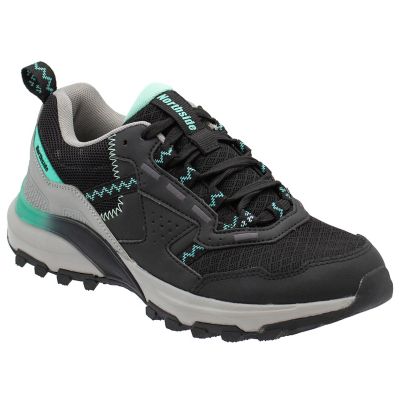
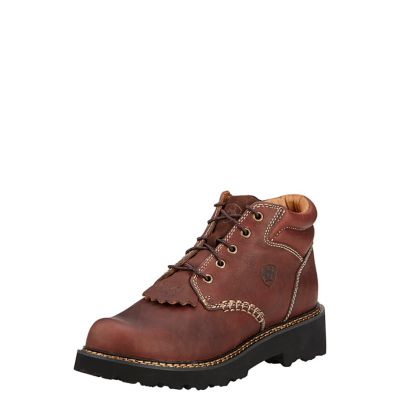
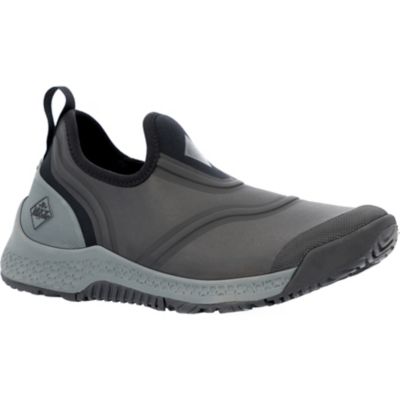
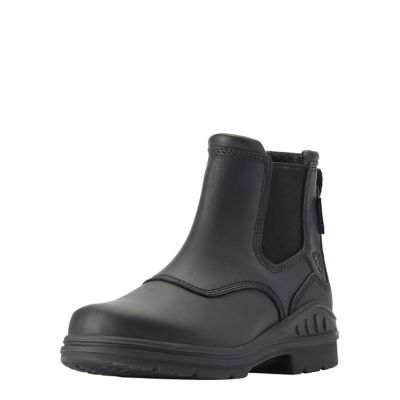
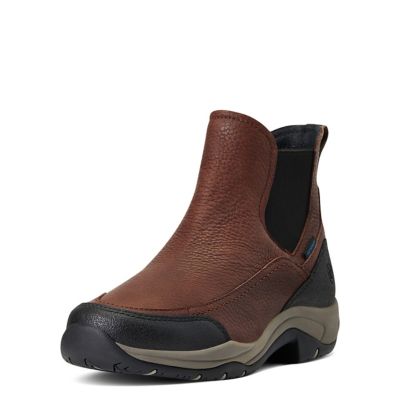
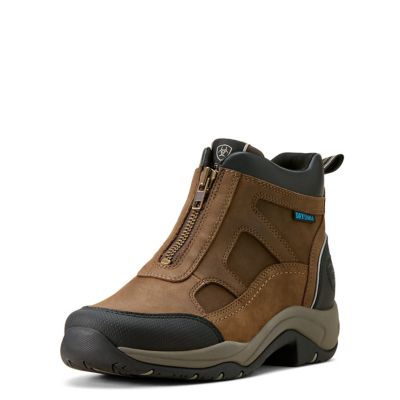
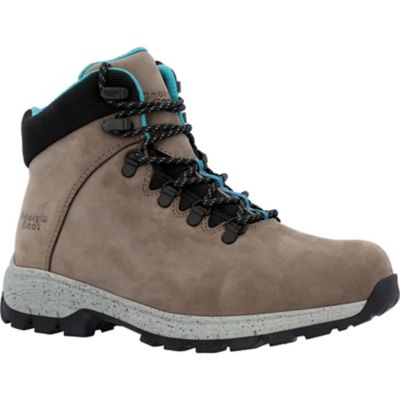
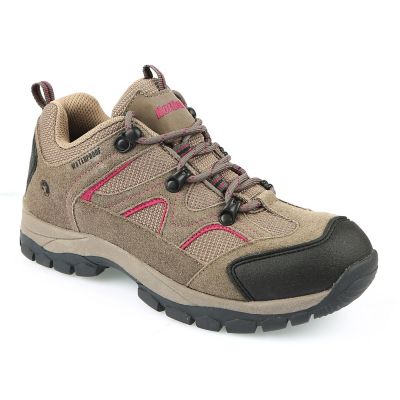
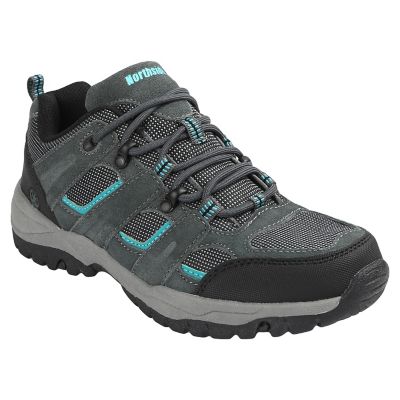
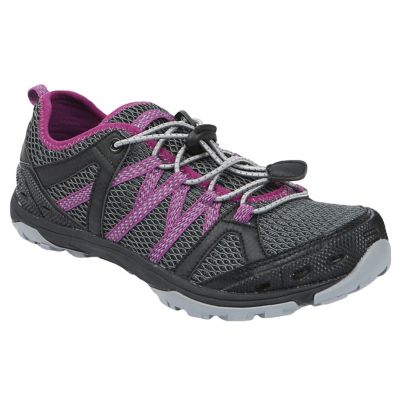
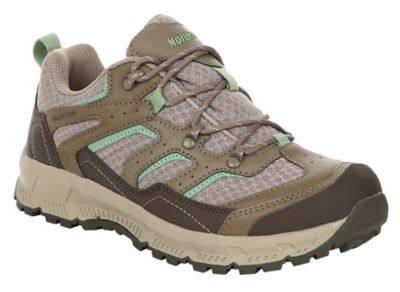
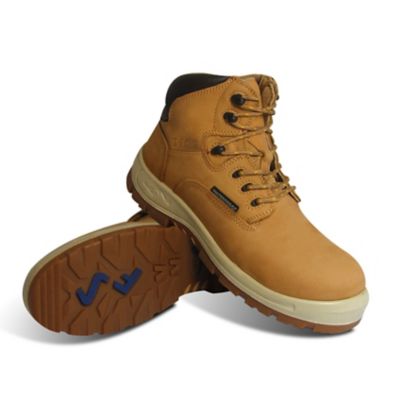
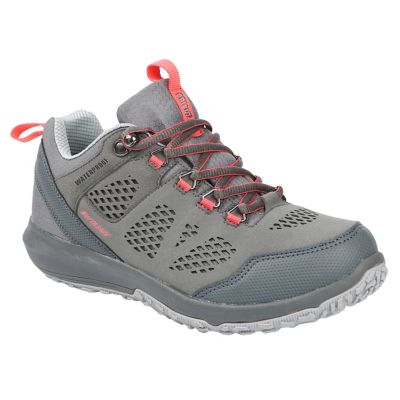
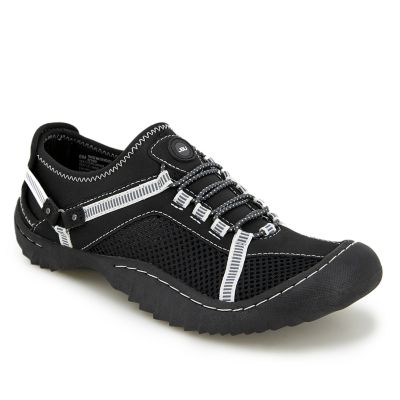
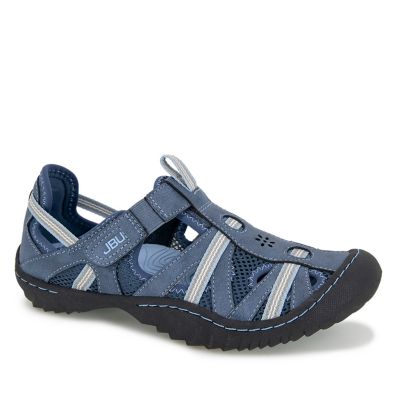
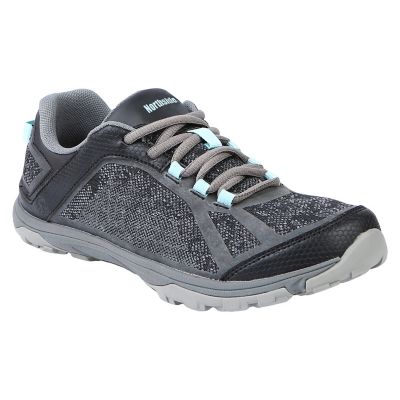
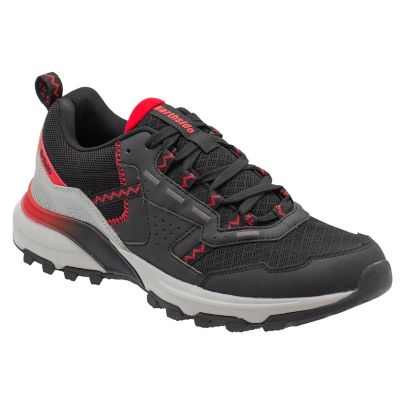
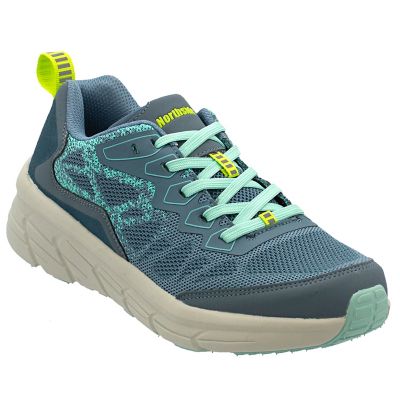
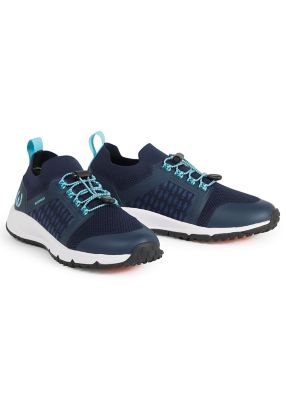
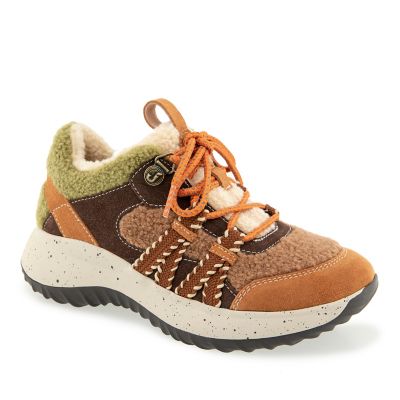
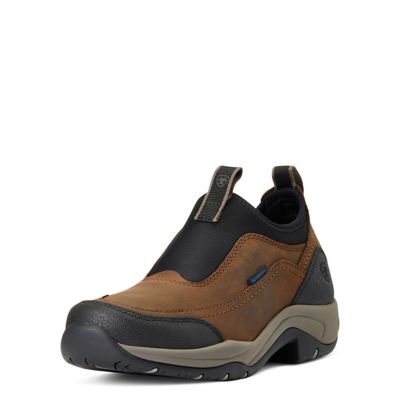
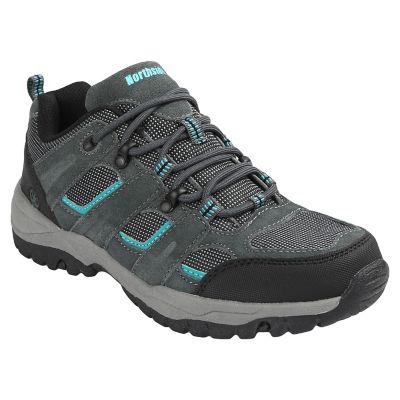
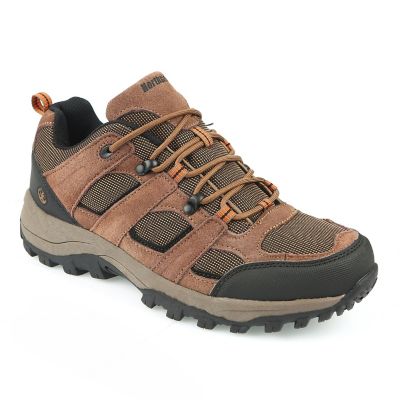
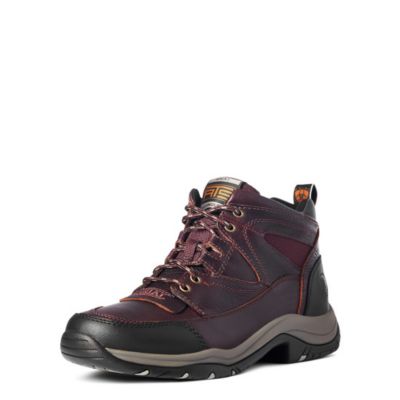
Women’s low hiking shoes are a handy choice for days that call for more support and traction than a regular sneaker without the taller feel of a full hiking boot. With a lower profile around the ankle, they’re easy to move in on neighborhood greenways, gravel roads, wooded paths and well-kept trails. They can also pull double duty for everyday outdoor work, travel, camping, walking the dog or checking fence lines when the ground is uneven. A good pair should feel steady underfoot while still being light enough for a long walk, whether you’re following a packed-dirt trail through the trees or stepping over roots and loose stones along a creek. Low hiking shoes typically use a durable upper, a cushioned footbed and a rubber outsole with shaped lugs that help bite into dirt, rock and grass. Look for tread patterns with multi-directional lugs if you spend time on slopes, loose gravel or muddy ground. Deeper, more widely spaced lugs can help shed mud, while a flatter, less aggressive tread may feel smoother on pavement and packed trails. A reinforced toe area adds a bit of protection when the trail gets rocky, and a firm heel counter can help keep the foot planted when walking downhill. These details matter on a day when the miles add up, but comfort still starts with the fit. Try shoes on with the socks you expect to wear outdoors, preferably later in the day when feet may be a little swollen. Your heel should stay in place without rubbing, your arch should feel supported without pressure, and your toes should have enough room to spread and move. Leave some space in front of the longest toe for downhill walking, since cramped toes can become sore well before the trail ends. A snug heel and midfoot help prevent sliding, while a roomier toe box may be more comfortable for natural movement or wider feet. If one foot is slightly larger than the other, fit the larger foot and adjust the laces to secure the other. A few minutes of walking on a hard floor can reveal pinching, slipping or stiff spots before you head outside.
Choosing between waterproof and breathable women’s low hiking shoes comes down to the kind of weather and terrain you’re likely to meet. Waterproof designs can be a smart pick for damp grass, shallow puddles, wet leaves and trails that stay soggy during cooler months. A waterproof membrane helps keep outside moisture from soaking through, while a gusseted tongue and well-sealed seams can offer extra coverage. Keep in mind that waterproof shoes may feel warmer, especially when the weather is hot or humid, and once moisture gets inside from sweat or a deep crossing, it can take longer to dry. Breathable mesh uppers are often a better match for warm-weather walks, dry trails and active days when airflow matters most. Some shoes combine mesh panels with water-resistant treatments, offering light protection from morning dew and passing showers without feeling as enclosed as a fully waterproof pair. Consider the balance between protection, ventilation and drying time rather than choosing by label alone. Cushioning is another personal decision. Softer foam can feel comfortable on pavement, hard-packed paths and long stretches of easy trail, while a firmer platform may provide a more planted feel on rocky or uneven ground. Lightweight construction is useful when you want to move quickly or carry less, but a little extra structure may be worthwhile for rougher terrain or a loaded daypack. Think about where these shoes will earn their keep. A person walking mostly on flat park trails may prefer flexible shoes with moderate tread and plenty of airflow. Someone exploring hilly woodland paths, farm lanes or rocky overlooks may appreciate stronger side support, a protective toe cap and a grippier outsole. For an active traveler, a low hiking shoe can be easier to pack and versatile enough for sightseeing, campground chores and casual outdoor meals. They also make a thoughtful gift for a friend, family member or coworker who enjoys nature walks, camping or weekend trips. When giving shoes as a gift, pay close attention to the recipient’s usual size, width preference and favorite sock thickness, and consider including a gift receipt. A pair of moisture-wicking hiking socks can make the gift more useful without taking away from the main choice.
Before heading out, break in new women’s low hiking shoes with several short walks around the house, driveway or local path. This gives the upper time to flex and helps identify any rubbing while there’s still time to make adjustments. Use the lacing system to fine-tune the fit: loosen the forefoot if your toes feel crowded, or use a heel-lock technique if your heel lifts on downhill stretches. Pair the shoes with socks that fit smoothly and avoid thick seams across the toes. On the trail, keep an eye on changing conditions. Dry soil can turn slick after rain, fallen leaves can hide roots and rocks, and smooth wet surfaces call for deliberate steps no matter how aggressive the tread looks. Shoes with good traction improve confidence, but they don’t replace careful footing. After a muddy walk, knock off loose dirt and rinse away heavy buildup with clean water. Remove the insoles if the care instructions allow it, then let everything air-dry away from direct heat, which can weaken adhesives and stiffen materials. Store the shoes in a dry, well-ventilated place so they’re ready for the next outing. Check the outsole from time to time for worn-down lugs, and replace the shoes when the tread is smooth, the cushioning feels flat or the upper no longer holds the foot securely. As the weather warms, breathable low hiking shoes can make daily walks and weekend trail trips more comfortable; during the cooler months, waterproof coverage, warm socks and dependable traction become especially useful. For another outdoor footwear option, compare the selection of
Mens Low Cut Hiking Shoes. Whether you’re buying for yourself or putting together a practical gift, focus on fit, traction, protection and the places the shoes will actually travel. The right pair should feel dependable from the first gravel step to the last mile home.