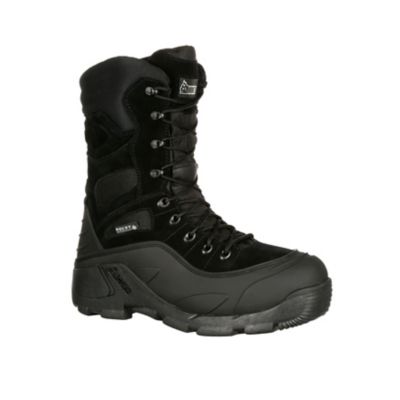
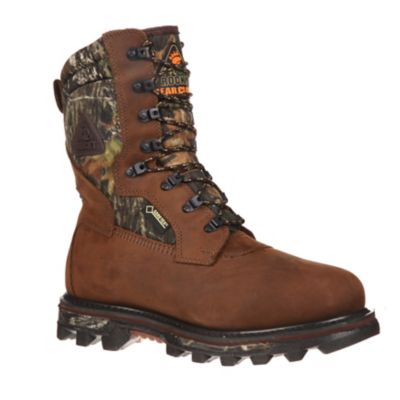
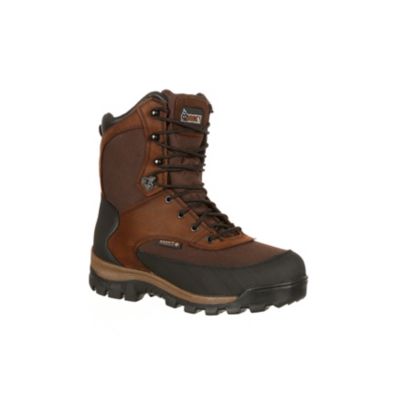
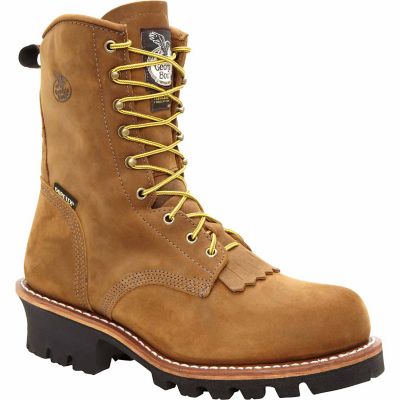
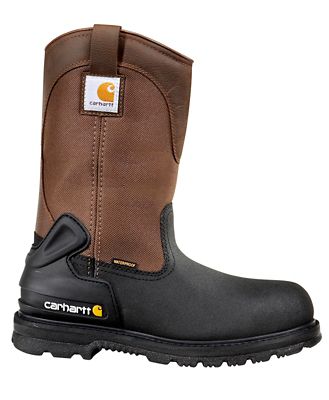
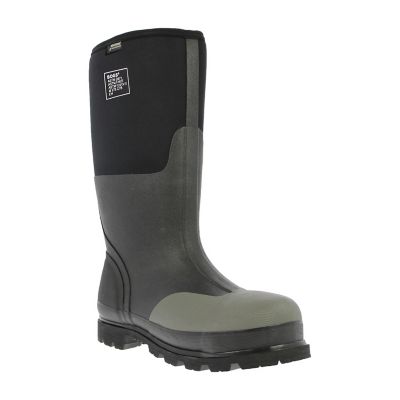
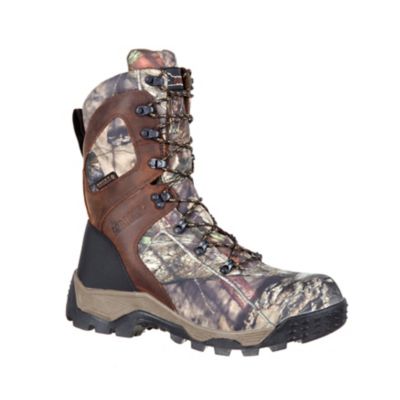
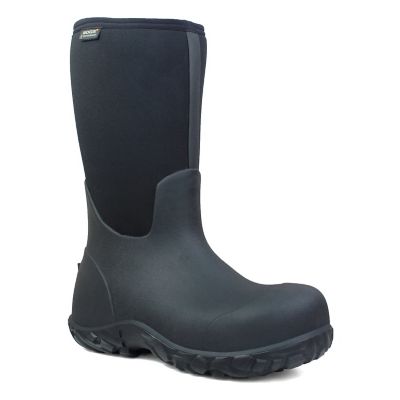
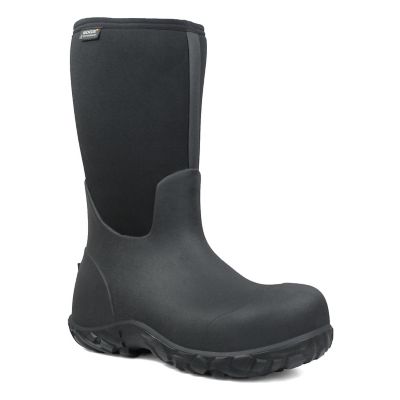
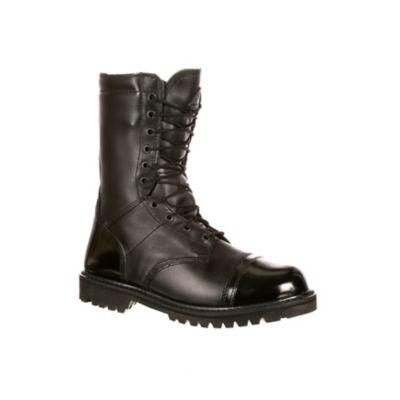
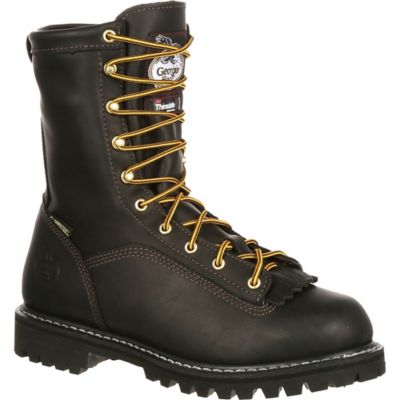
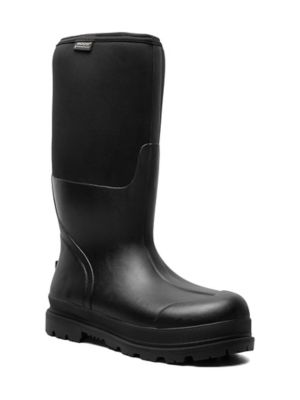
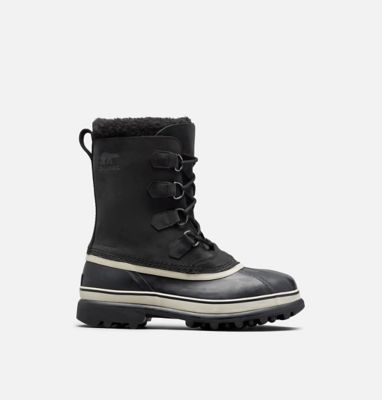
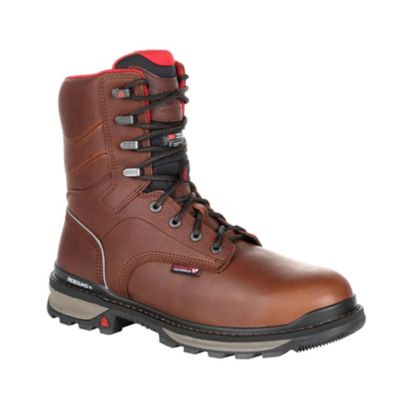
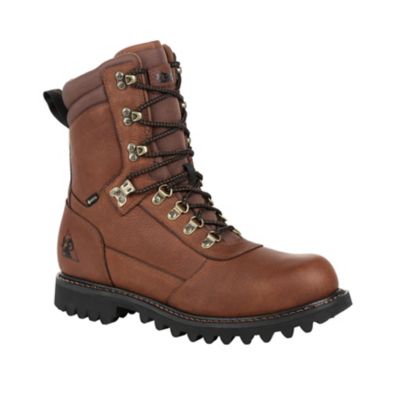
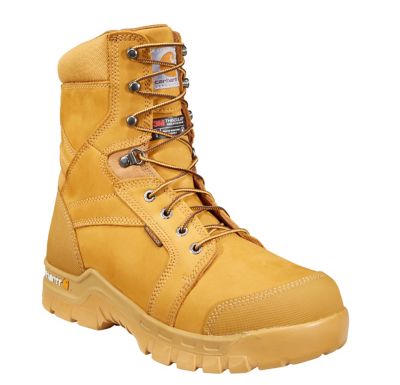
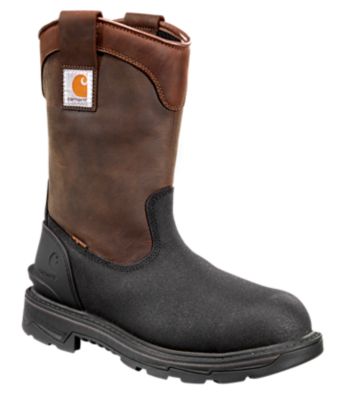
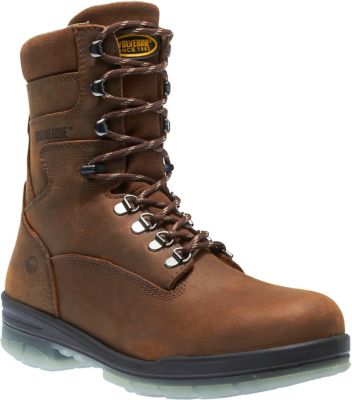
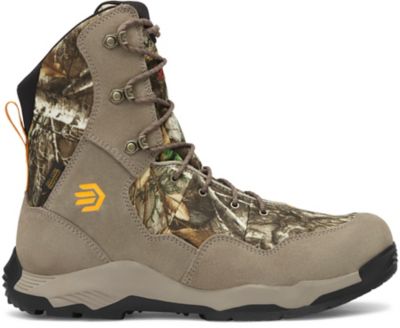
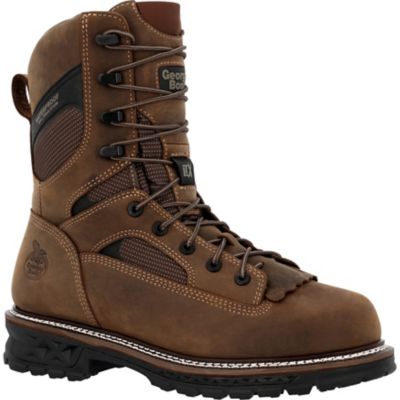
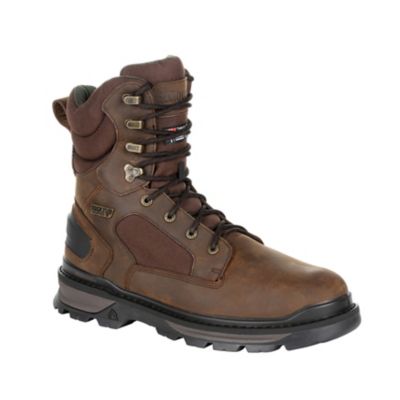
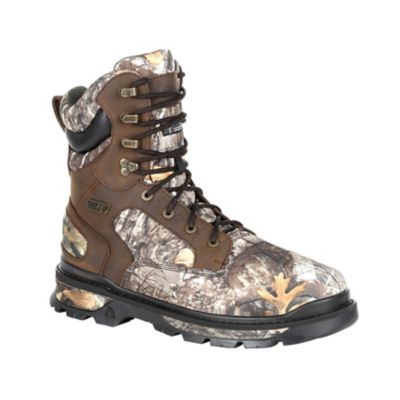
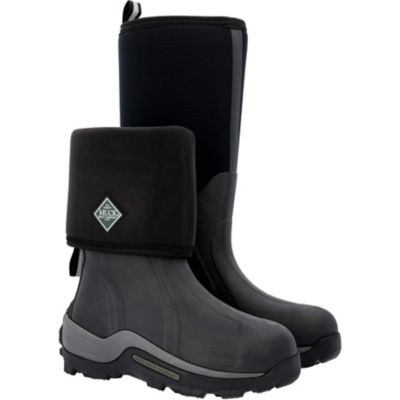
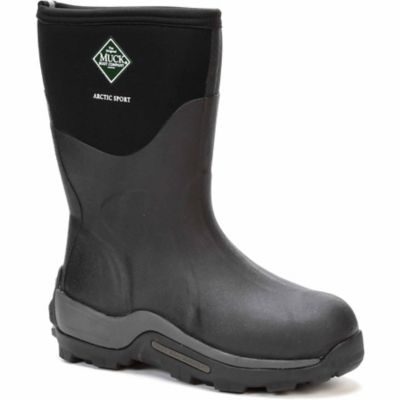
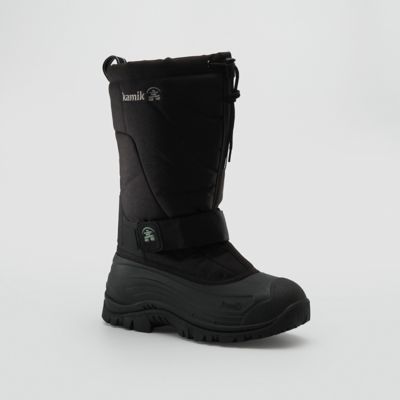
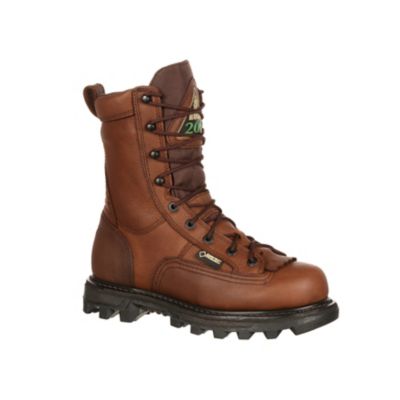
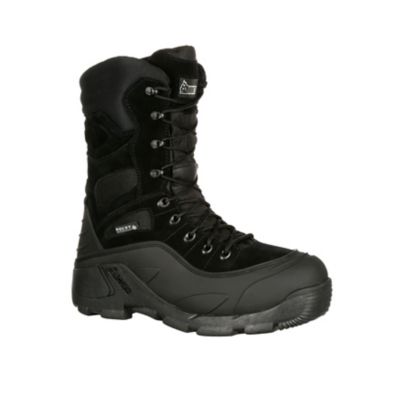
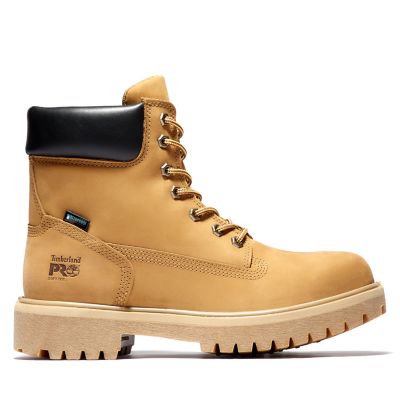
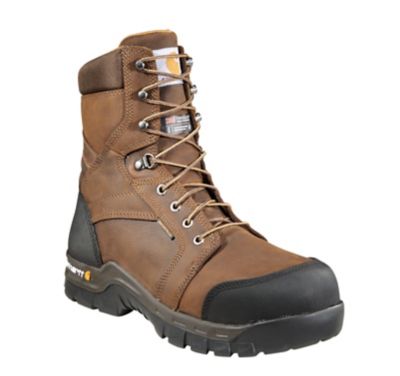
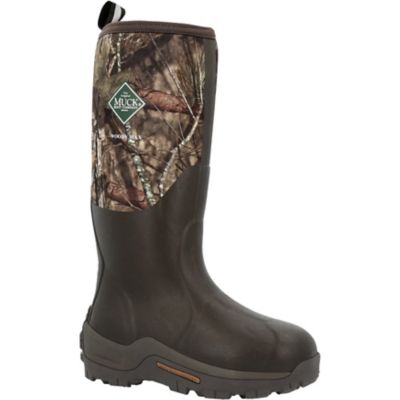
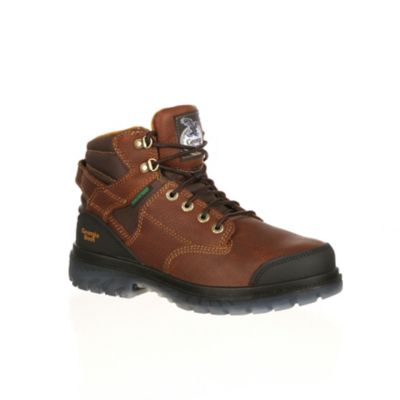
Men’s insulated leather boots pair leather uppers with heat-trapping insulation for chores, outdoor work and everyday wear in cold conditions. They make sense for mornings spent breaking ice at the water trough, afternoons checking fence lines and long stretches on a chilly shop floor. Leather provides a protective outer layer that can soften and flex with wear, while insulation helps slow the loss of body heat. Full-grain leather retains the hide’s outer surface and often develops a broken-in appearance over time; nubuck has a lightly buffed surface that calls for care suited to its finish. Underneath that outer layer, synthetic insulation or fleece-like linings add warmth, though construction varies from one pair to another. Insulation weights such as 200, 400 or 600 grams describe the insulation material’s weight per square meter, not the total weight of the boot or a guaranteed temperature rating. Higher numbers generally mean more insulation when comparing similar materials and boot designs. A man walking pasture roads all morning may prefer less insulation than someone standing at a gate or sitting in a hunting blind for hours. Socks, circulation, moisture and activity all affect how warm a boot feels. Protection from water is another separate consideration: leather alone does not make a boot waterproof. Waterproof versions may combine treated leather, a waterproof membrane and sealed seams to help block outside moisture. Water-resistant leather can handle some splashes but is not the same as a waterproof construction. A gusseted tongue helps limit entry through the lace opening, although water can still come in over the collar. Breathable linings help manage moisture from inside, but no lining can keep up with every level of exertion. The best match is a balance of warmth, moisture protection and flexibility that suits the actual day’s work, whether that means hauling feed between buildings or walking from the driveway to the hardware store.
Fit matters just as much as insulation in men’s insulated leather work boots. A roomy toe box allows toes to move without squeezing them against the lining, while a secure heel helps reduce rubbing on repeated trips across the yard. Extra-thick socks are not automatically warmer if they make the boots tight; compressed insulation and restricted circulation can leave feet uncomfortable. Trying boots with the socks intended for regular wear gives a better sense of the space needed through the forefoot, instep and ankle. Wool-blend or synthetic socks can help move moisture away from the skin, and removable footbeds offer room for replacement insoles when the boot’s design allows it. Leather may ease with wear, but boots should not need a painful break-in period to fit properly. Lace-up styles allow adjustment through the instep and ankle, which can be helpful on uneven ground or when sock thickness changes. Pull-on styles offer a simpler routine for heading out to the barn, though the heel and instep still need the right fit to keep the foot from sliding around. Shaft height affects coverage around the ankle and lower leg, and a padded collar can make a difference when pants tuck inside. Underfoot, deeper lugs can bite into loose soil and snow, while more closely spaced tread may feel steadier on firm surfaces. Mud packed between lugs can reduce grip, and no ordinary outsole guarantees footing on ice. Slip-resistant footwear also has limits, especially on manure, wet wood or oily concrete. Work that involves falling objects or compression hazards may call for safety-toe boots that meet the employer’s required standards; insulation does not provide that protection by itself. For walking-focused days on trails or rolling acreage,
Men's Insulated Hiking Boots offer a related category to consider, with attention to walking comfort, traction and support rather than warmth alone. A boot suited to standing near a workbench may feel quite different after several miles of steady walking.
The way insulated leather boots are put together helps determine how they handle repeated bending, abrasion and wet ground. Reinforced toe and heel areas can help protect high-contact spots from scrapes against gravel, steps and equipment. Welted construction joins the upper and sole through an additional strip of material and may allow resoling, depending on the design and a repair shop’s assessment. Cemented construction bonds the sole to the upper and can offer a lighter, more flexible feel, though repair options differ. Neither construction alone establishes waterproof performance, and even a tough leather upper needs routine attention. After muddy chores, brushing away loose dirt and wiping the surface with a damp cloth helps keep grit from working into seams and creases. Manure, road salt and other residue should not sit on leather longer than necessary. Cleaning products and conditioners need to match the leather finish and follow the footwear maker’s directions; a treatment intended for smooth leather may darken nubuck or change its texture. Conditioning can help smooth leather remain supple, but it cannot repair a torn membrane or turn an unsealed boot into waterproof footwear. Damp boots benefit from drying at room temperature with the laces loosened and removable footbeds taken out. A boot dryer approved for the footwear can help, while direct heat from a stove, heater or hot vent can damage leather and adhesives. Rotating between pairs gives linings more time to dry after sweaty or wet days. Checking stitching, tread, eyelets and the connection between the sole and upper can catch wear before a small problem interrupts a full day outside. These boots can also make a practical gift for a rancher, tradesman, hunter or anyone whose routine includes cold ground and outdoor chores, provided the fit and workplace requirements are known. From feeding livestock before daylight to stacking firewood beside the shed, a well-matched pair puts warmth, coverage and everyday comfort where the work begins: underfoot.