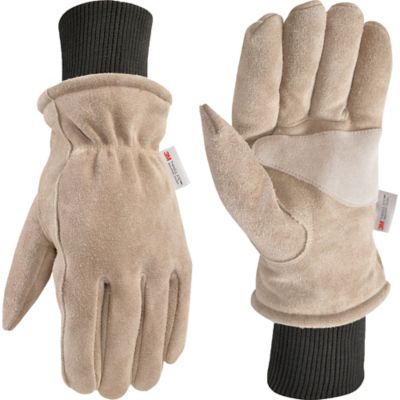
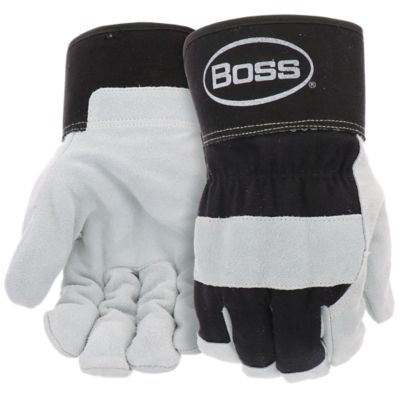
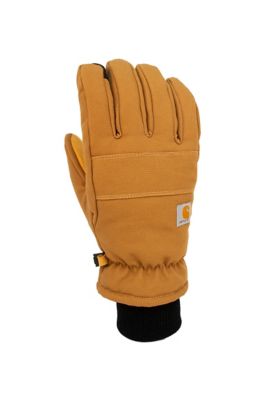
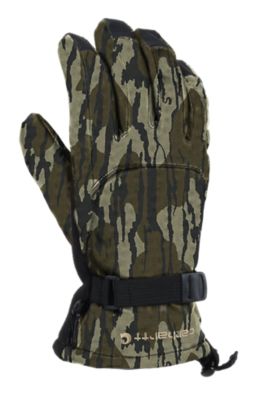
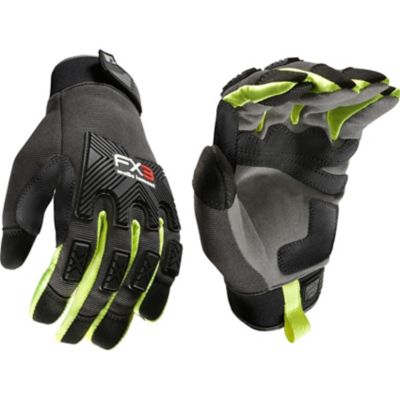
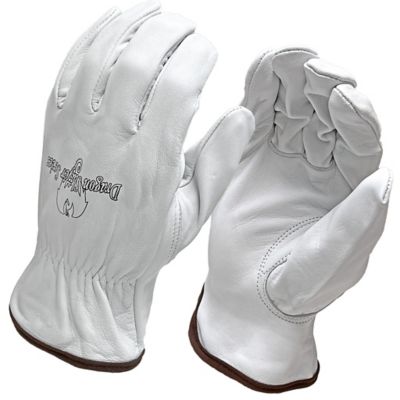
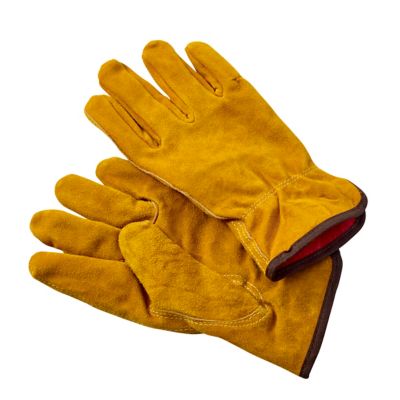
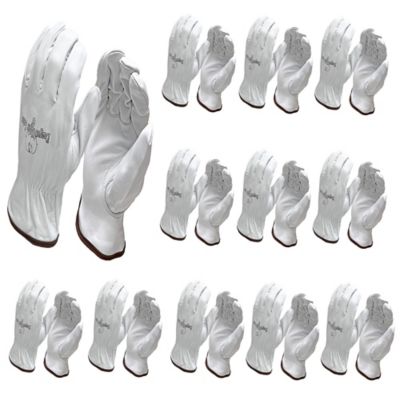
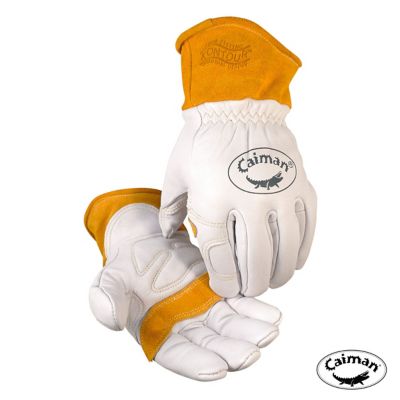
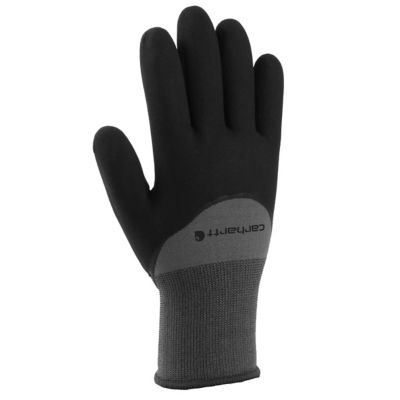
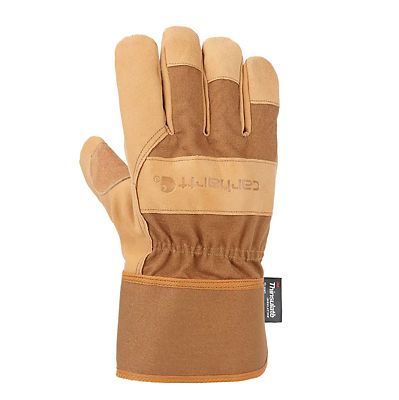
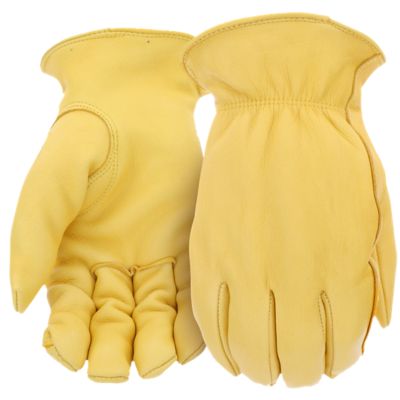
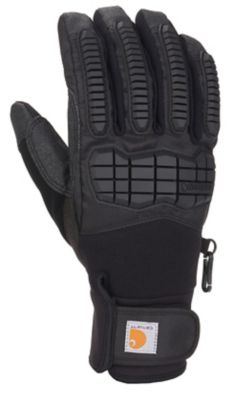
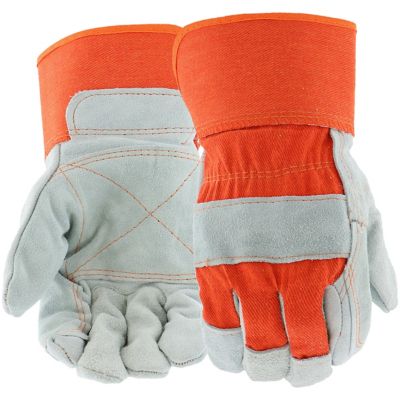
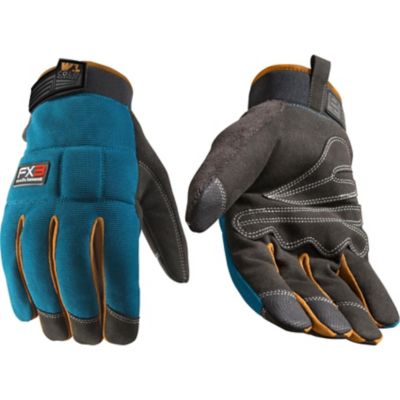
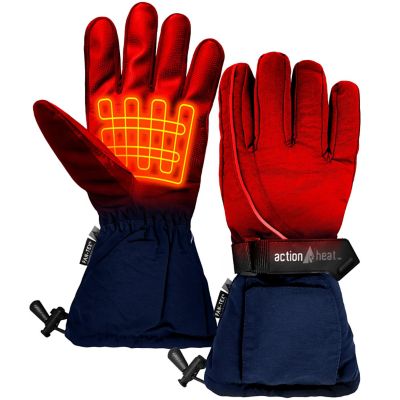
Cold mornings don’t put fence checks, feed runs or a load of firewood on hold. Men’s insulated leather gloves bring together a leather exterior and a layer of warmth for chores that keep hands out in the elements. They make sense for the fellow carrying hay to the barn, tending a small acreage or working through a weekend cleanup before the next stretch of rough weather. Leather offers a practical gripping surface for shovel handles, wheelbarrow grips and other everyday tools, while insulation helps slow heat loss when temperatures drop. The way a glove feels depends partly on the hide and how it’s finished. Cowhide generally has a substantial feel suited to demanding work, while goatskin often balances flexibility with resistance to everyday abrasion. Deerskin tends to feel supple, making it appealing when comfort and easy hand movement matter. These are general tendencies rather than promises; leather thickness, construction and the lining all shape how a pair performs. Smooth grain leather and suede-like split leather also have different textures, so the right choice comes down to the work at hand. Moving rough lumber calls for different priorities than holding the steering wheel of a cold utility vehicle or clipping a lead onto a halter. Insulation adds another consideration. A lighter lining can feel less cumbersome during steady activity, while a more substantial lining may be welcome for slower tasks or longer stretches outside. Fleece and other soft linings can make a glove feel comfortable against the skin, and synthetic insulation can provide warmth without requiring an especially thick profile. No single insulation level suits every person or every chore. Someone stacking wood generates more body heat than someone standing at a gate, and both may need a different balance of warmth and finger movement. During the cooler months, that balance is what makes insulated leather work gloves a practical part of getting dressed for the day.
Fit matters just as much as the materials, especially when a job involves repeated gripping. A good fit leaves enough room to bend the fingers and close the hand without pulling hard across the knuckles. Fingertips shouldn’t feel jammed against the ends, but extra leather hanging past them can make buckles, latches and tool controls harder to manage. Too much tightness can compress the insulation and restrict circulation, working against the warmth the gloves are meant to provide. Measuring the hand and checking the manufacturer’s sizing directions is a better starting point than assuming every glove fits the same. Palm width, finger length and lining thickness can all change the feel. Leather may soften and give somewhat with wear, but a painfully snug pair shouldn’t be expected to turn into a comfortable one. Construction details are worth a close look, too. A shaped thumb or curved fingers can make it easier to hold a rake or carry a bucket, while seams positioned away from high-pressure spots may reduce rubbing during repetitive chores. Reinforcement at the palm, fingertips or thumb can help those frequently worked areas withstand friction, although extra layers may also add stiffness. Cuff style affects both warmth and convenience. A close-fitting wrist helps limit drafts and keeps loose material out of the way, while a longer cuff can add coverage where a coat sleeve meets the glove. A wider opening may be easier to pull on and off between tasks. Think about how the cuff will sit with the jacket normally worn outside, rather than considering the gloves on their own. For smaller chores, finger control may take priority; for hauling firewood, a fuller lining and substantial palm may matter more. Those comparing leather with other materials and styles can also explore
men’s winter gloves to find a suitable balance of coverage, warmth and flexibility. Whatever the style, ordinary insulated leather gloves shouldn’t be treated as protection for electrical work, hazardous chemicals or other tasks that call for specifically rated equipment.
Leather gloves can take on plenty of everyday wear, but moisture, drying habits and storage have a big say in how long they stay comfortable. Leather alone does not guarantee waterproof protection, and insulation does not necessarily keep water out. For chores involving wet gates, damp brush or melting snow, check the stated water protection rather than judging by the thickness of the leather. Water-resistant treatments and waterproof barriers serve different purposes, and seams and cuff openings still deserve attention. A wet lining can leave hands feeling cold even when the outside looks ready for work. After a damp outing, let gloves dry naturally in a ventilated spot, following the care label. Setting them on a stove, radiator or other strong heat source can stiffen leather or damage parts of the glove. Brushing away loose dirt and wiping the surface as directed can help keep grit from building up around seams and creases. Leather conditioner may help certain hides stay supple, but it should only be applied when the manufacturer recommends it, since finishes and treatments vary. Unless the care directions specifically allow machine washing, don’t assume insulated leather gloves can go through the laundry with work clothes. Before putting them away, make sure both the leather and lining have dried, and store them somewhere sheltered rather than leaving them on a damp truck floor. An occasional look at the fingertips, stitching and palm can reveal thinning spots before they become bigger tears. For someone who spends much of the day outdoors, a second dry pair can be handy when chores stretch from the morning feeding to the last check of the barn. Insulated leather gloves can also make a thoughtful gift for a ranch hand, gardener, property owner or family member who always seems to have another outdoor project underway. Knowing the recipient’s hand size and usual chores makes that choice more personal and useful. The best match feels comfortable around a familiar tool handle, fits neatly with everyday outerwear and provides enough warmth for the work without making every small task a struggle.