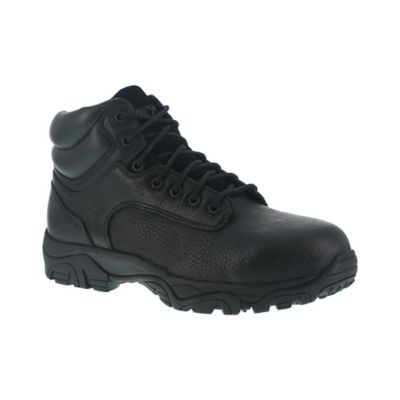
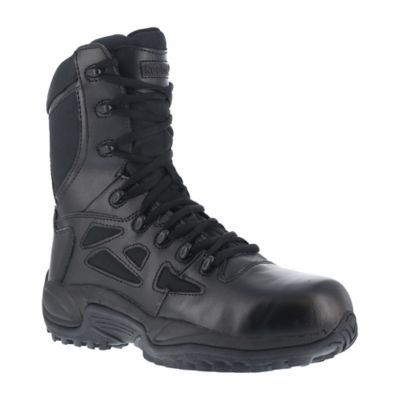
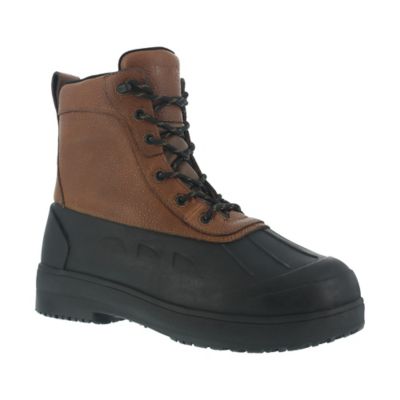
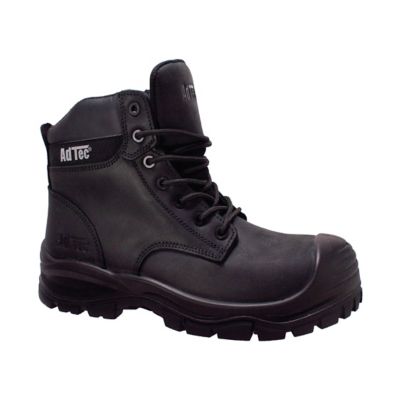
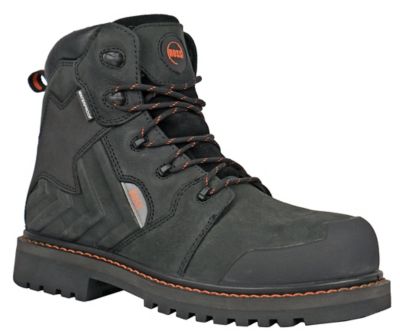
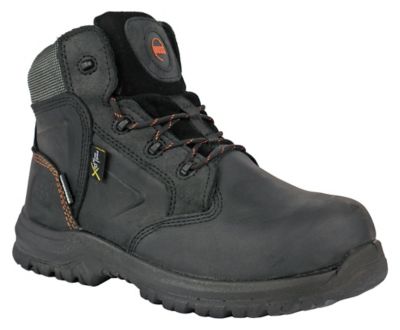
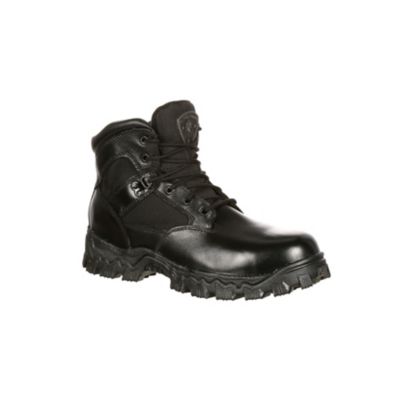
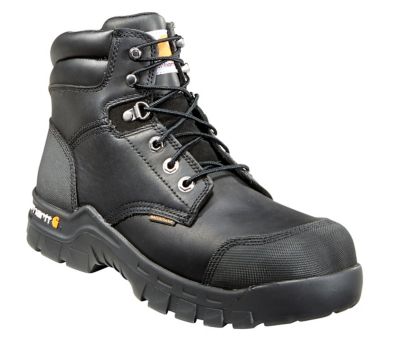
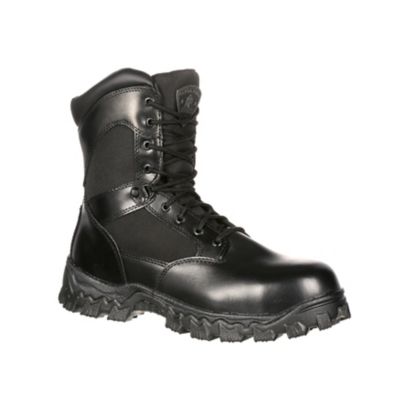
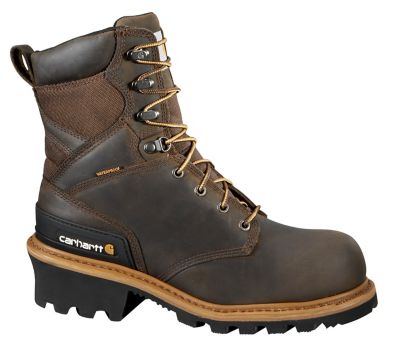
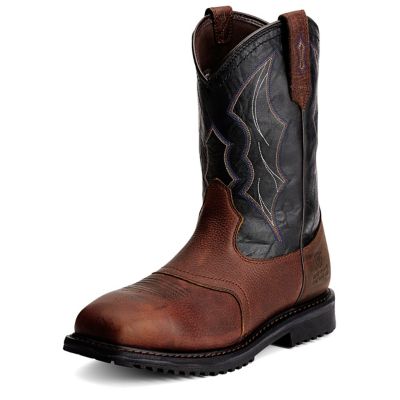
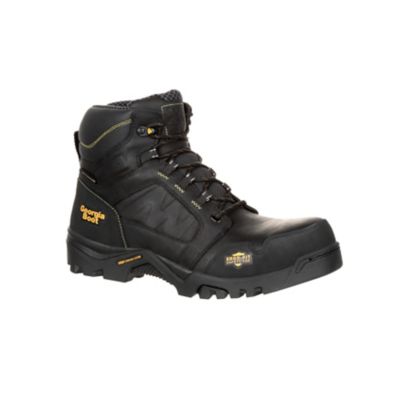
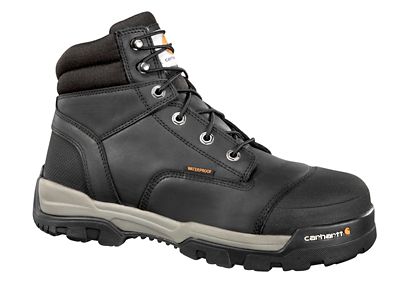
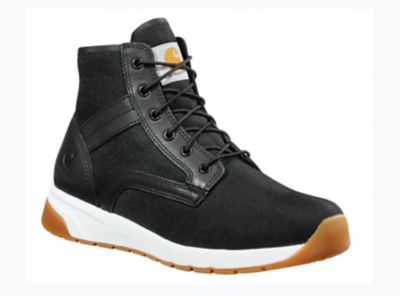
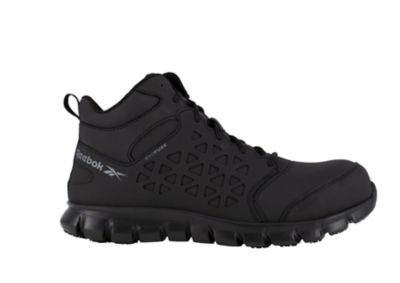
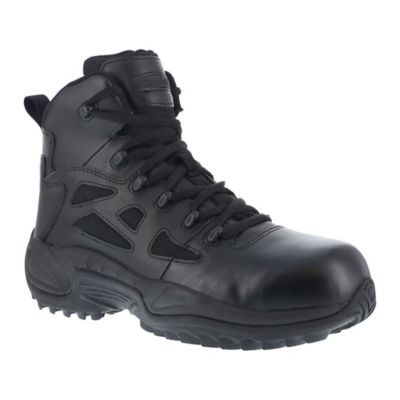
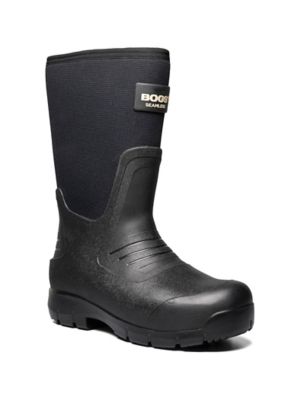
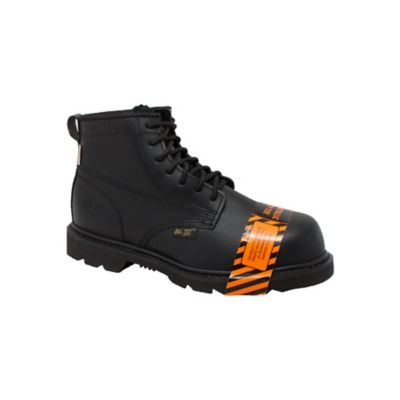
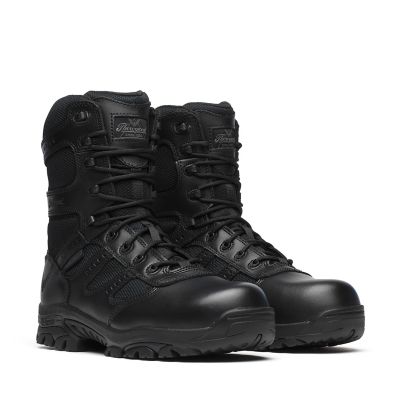
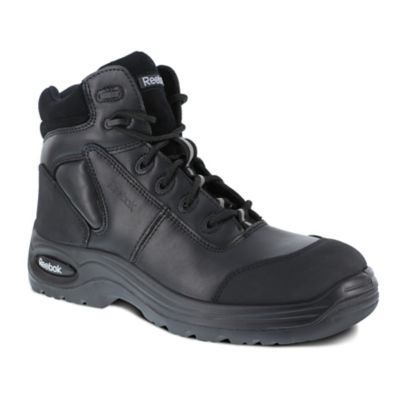
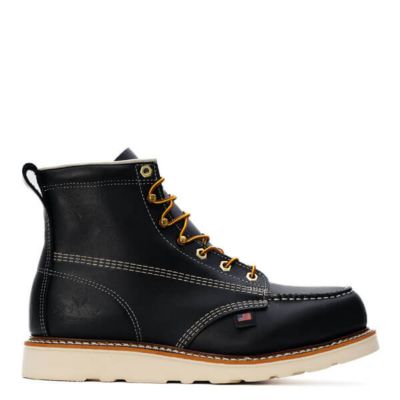
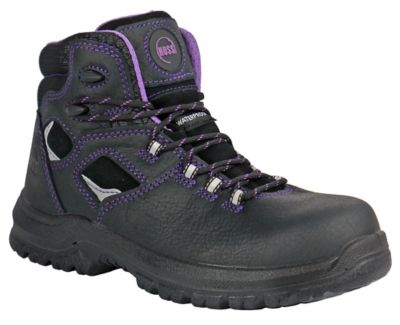
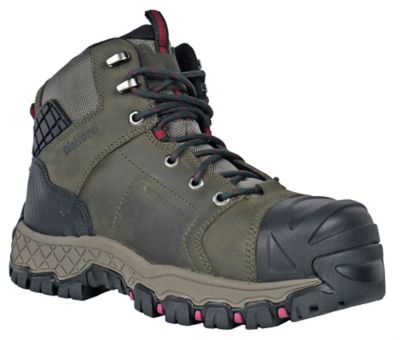
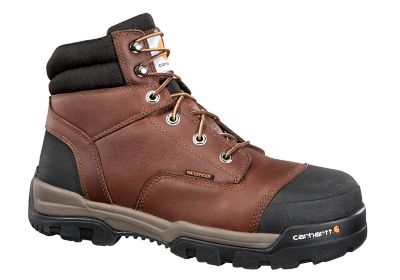
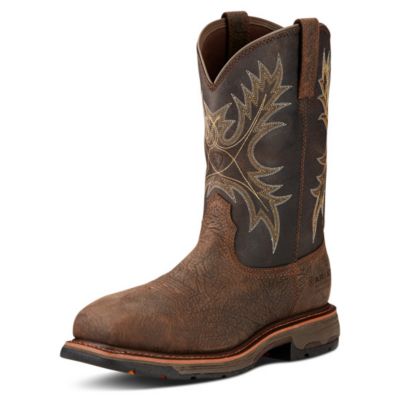
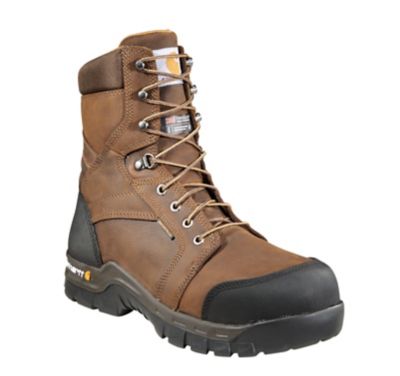
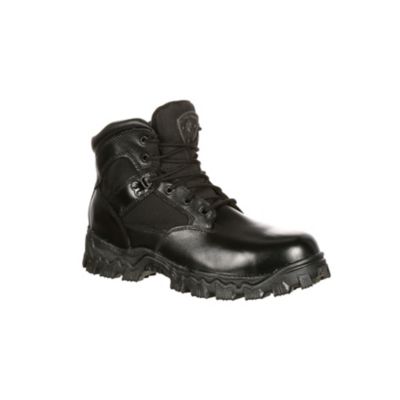
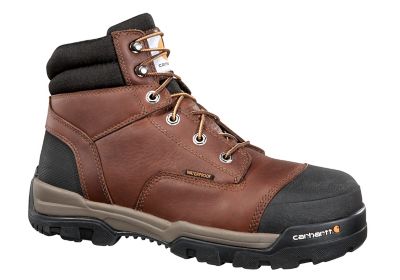
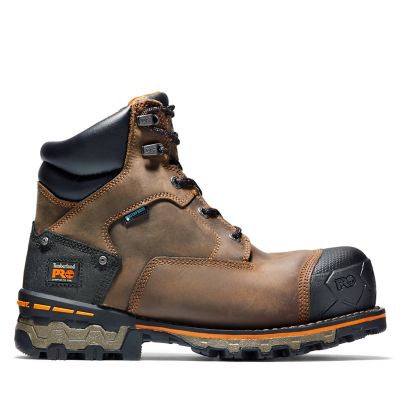
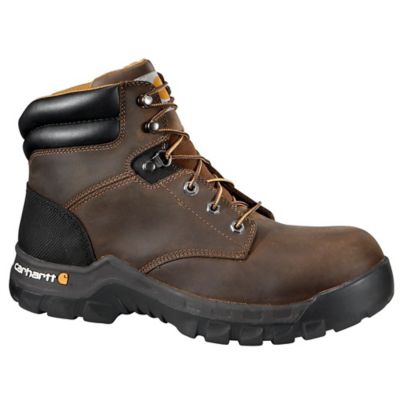
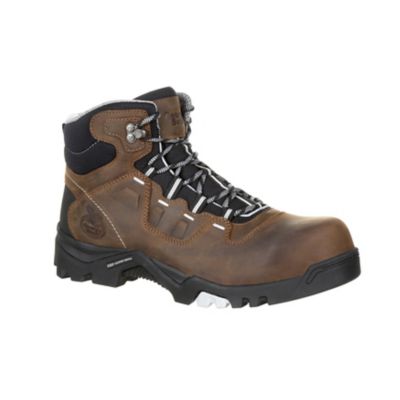
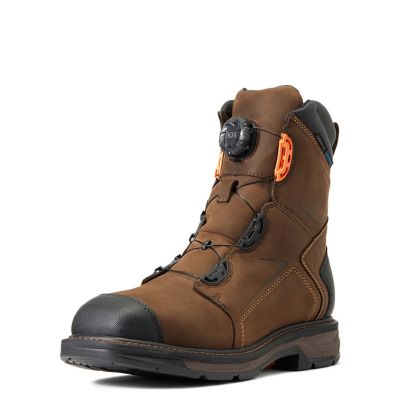
Black composite toe boots are a practical choice for people who need dependable foot protection without the extra weight of a traditional steel toe. A composite toe is made from nonmetallic materials such as carbon fiber, fiberglass, or reinforced plastic, and properly rated footwear is designed to meet applicable ASTM safety standards for impact and compression protection. That makes these boots useful on construction sites, farms, warehouses, delivery routes, utility jobs, manufacturing floors, and other work areas where falling or rolling objects may be part of the day. Composite materials also do not transfer heat and cold as quickly as steel, which can be more comfortable when walking across sun-baked gravel, standing on chilly concrete, or working outdoors as the weather shifts into cooler months. Black leather or black synthetic uppers give the boots a clean, work-ready look that fits in on a jobsite, around the barn, or with a uniform. They also tend to hide dust, scuffs, mud, and everyday wear better than lighter colors, though regular cleaning and conditioning will still help keep the uppers in good shape. A good pair should feel secure around the heel and ankle without pinching across the toes, and there should be enough room to wiggle your toes while wearing the socks you normally use for work. Keep in mind that a composite toe is nonmetallic, but other boot components, such as shanks, eyelets, hooks, or hardware, may vary by style. Workers who need protection from electrical hazards should look for footwear specifically labeled for the required electrical hazard rating and follow all jobsite safety rules rather than assuming every composite toe boot provides the same protection.
The right black composite toe boots depend on the work, the ground underfoot, and how long you spend on your feet. Six-inch boots are a common all-around height, offering ankle support while remaining easy to pull on and off at the end of a long shift. Eight-inch styles provide more coverage and can be useful in brush, loose soil, deeper mud, or work that calls for added ankle support. Slip-on designs can save time during busy mornings and are handy for farm chores, but lace-up boots usually allow a more precise fit through the instep and ankle. Look for a cushioned footbed and supportive midsole if your day includes hours on concrete, ladders, trailers, or hard-packed ground. A roomy toe box matters just as much as the safety cap; a boot can have a protective toe and still feel uncomfortable if the front presses against your toes. Outsoles deserve close attention, too. Deep, durable tread can help with uneven pasture, gravel drives, and muddy paths, while a slip-resistant rubber outsole may be a better fit for smooth floors, loading docks, kitchens, or equipment shops. If your work takes you through wet grass, puddles, snowmelt, or wash-down areas, consider waterproof construction, sealed seams, and a gusseted tongue. Breathable linings and moisture-managing socks can make a noticeable difference during warmer stretches, while insulation may be helpful when outdoor work continues through the cooler months. For additional wet-weather options, browse
Waterproof Composite Toe Boots. Fit the boots at the end of the day, when feet are naturally a little larger, and wear the socks you plan to use on the job. Walk on a hard surface for several minutes before committing to a pair, checking for heel slip, pressure at the safety toe, and rubbing around the ankle. New boots often need a short break-in period, so wearing them for brief chores before a full shift can help soften the uppers and reveal any fit concerns early.
Black composite toe boots can serve a wide range of workers and make a thoughtful gift for someone starting a trade, heading to a new job, or replacing a worn-out pair before the busy season. They are especially useful for construction crews, mechanics, farmers, ranch hands, warehouse associates, delivery drivers, landscapers, electricians, security personnel, and anyone who spends the day moving between equipment, buildings, and rough ground. The all-black color also works well for people who need a more uniform appearance without giving up job-ready protection. When buying boots for someone else, the most helpful details are usually their exact size, preferred width, boot height, typical work surface, and whether their employer requires a particular safety rating. It is worth checking workplace rules before purchasing, since some jobs specify ASTM markings, slip resistance, electrical hazard protection, waterproofing, or other requirements. Consider the small details that make a pair easier to live with: a padded collar for long walks, strong stitching at high-wear areas, a removable insole for replacement or orthotic use, and hardware that is easy to adjust with cold or gloved hands. Proper care extends the life of the boots. Brush off dirt after outdoor work, let wet boots dry away from direct heat, and use a conditioner suited to the upper material. Replace worn insoles or damaged laces promptly, and inspect the outsole when tread begins to smooth out. A sturdy pair of black composite toe boots should feel like a reliable part of the workday—steady on a ladder, comfortable during a long shift, and ready for the muddy trip from the truck to the barn or the final walk across the yard.