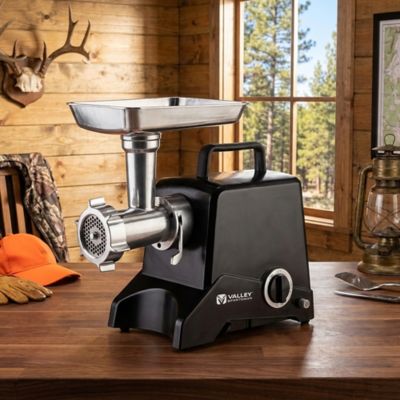
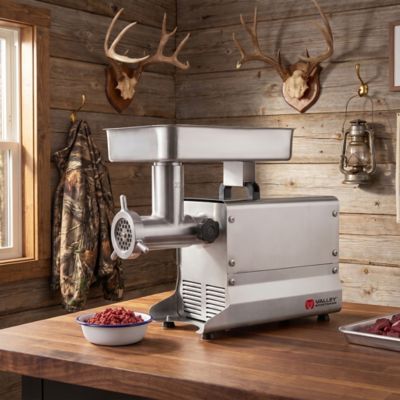
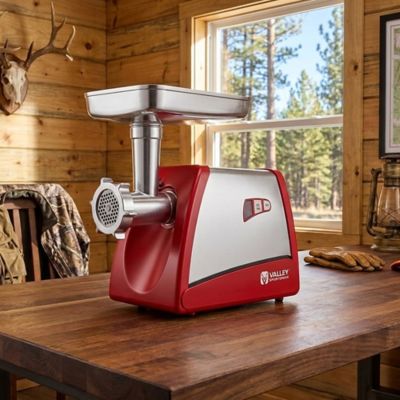
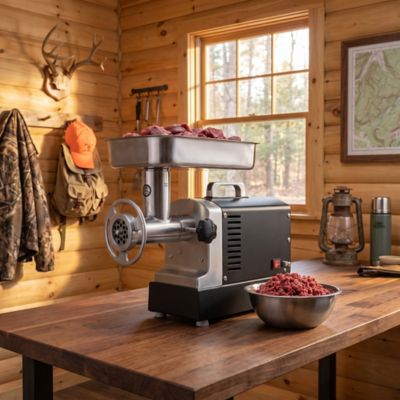
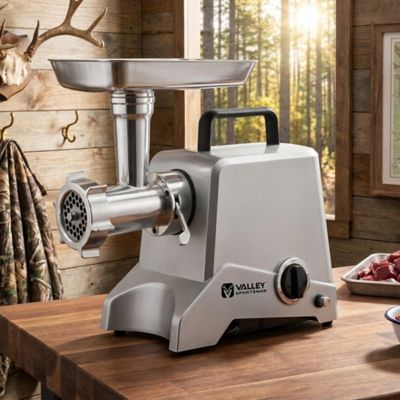
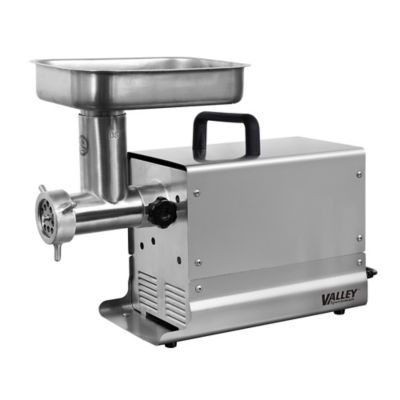
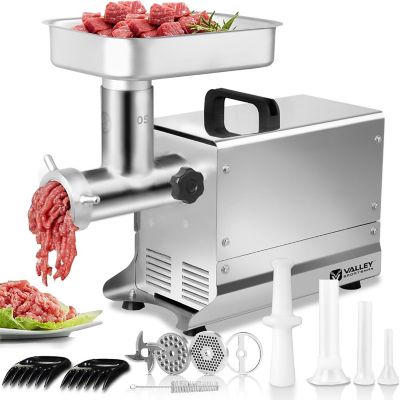
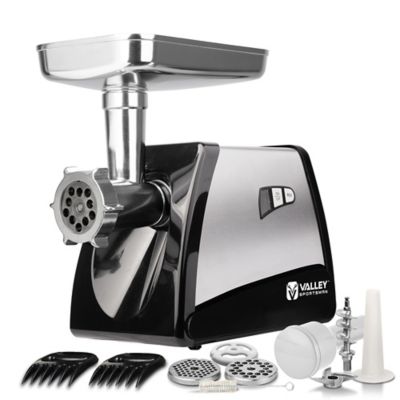
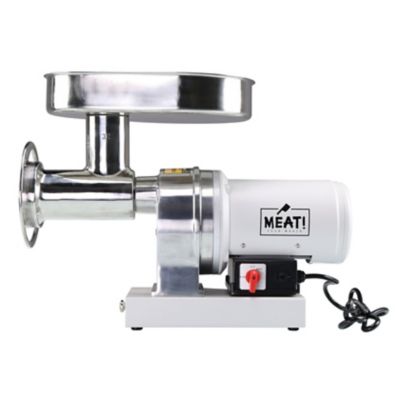
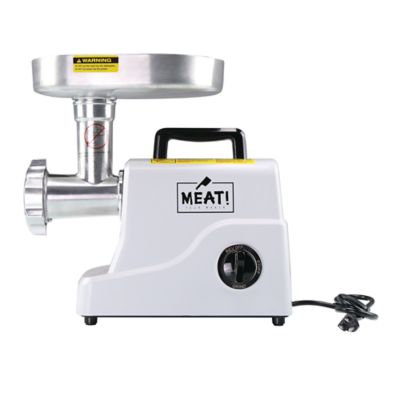
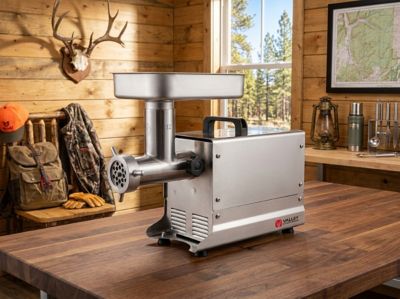
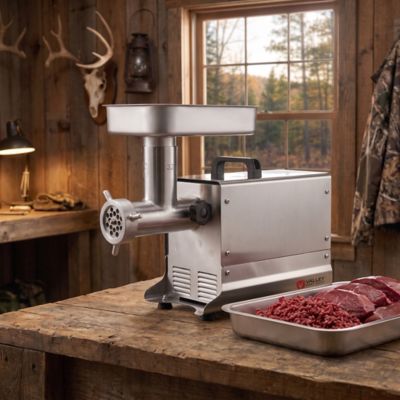
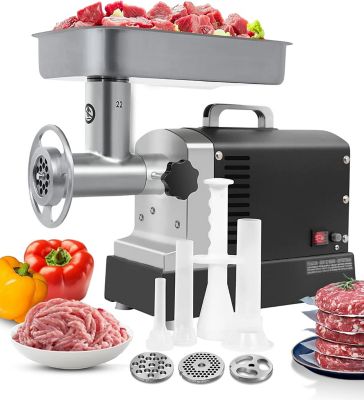
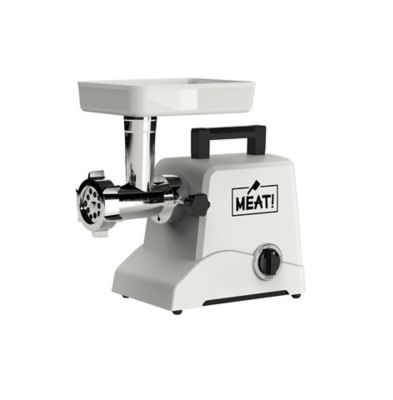
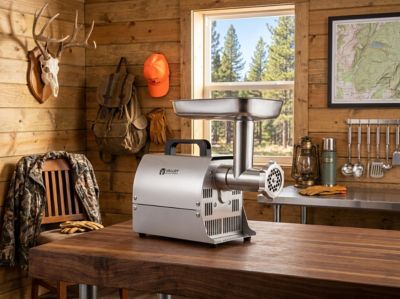
Meat grinders for venison turn deer trimmings into ground meat for burgers, chili, meatballs and sausage. The right fit depends on how much venison gets processed at a time, how often the grinder runs and how much counter space is available. A hand-cranked grinder can make sense for occasional small batches, especially when a sturdy mounting surface is close by. An electric grinder takes much of the arm work out of processing and is worth considering when several pounds of trimmed meat are waiting in a pan. For households that regularly process multiple deer, a larger grinding head, stronger motor and longer operating time between required breaks can matter more than a compact footprint. Horsepower is helpful, but it does not tell the whole story. The manufacturer’s processing rate, recommended meat preparation and operating limits give a fuller picture of what a machine can handle. Those ratings also need context: well-trimmed venison feeds differently from meat carrying long strands of connective tissue. A wide feed tray provides room to stage prepared pieces, while the feed opening determines how small those pieces need to be. Grinder head numbers identify equipment sizes, so matching plates, knives and attachments requires the correct size and connection rather than a visual guess. For a hunter working through trim from one deer, easy setup and cleanup may be the biggest priorities. For a family sharing the work across several animals, steady feeding, accessible controls and a design that comes apart without a struggle become especially useful. Meat grinders for deer processing also make practical gifts for hunters and home cooks who already enjoy preparing their own venison. The best match is one that suits the recipient’s workload, work surface and storage space, rather than simply the largest machine that will fit in the kitchen.
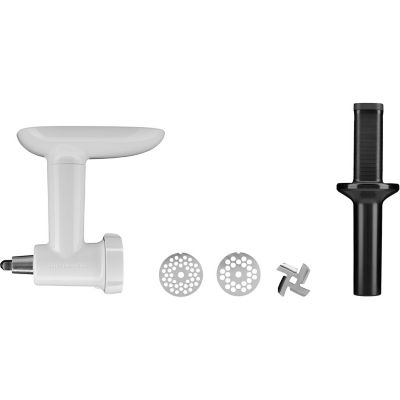
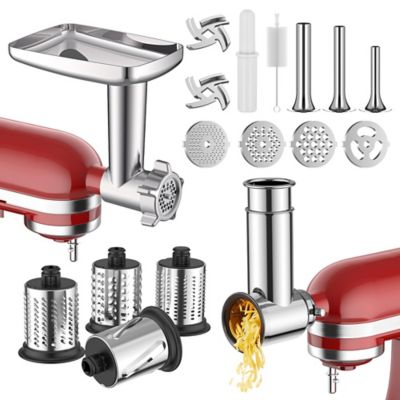
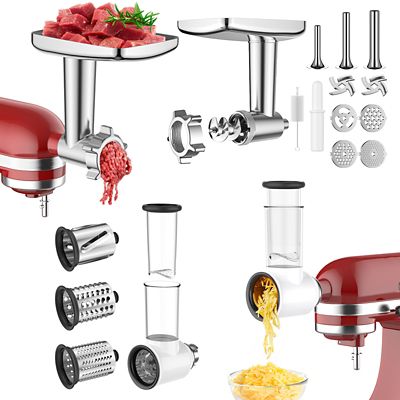
Construction and fit have a big influence on how a venison grinder feels during a long afternoon of processing. Stainless steel food-contact parts are worth a look for their resistance to corrosion and straightforward cleaning, though not every component on a grinder will be made from the same material. Aluminum, coated metal and cast iron parts can have different washing, drying and maintenance requirements. A substantial base, nonslip feet or a secure countertop clamp helps keep the machine planted as meat moves through the head. Manual grinders need a mounting location with enough clearance for the handle to turn freely, while electric models need room around the housing as specified by the manufacturer. The weight of the unit matters, too, particularly if it travels between a storage shelf and the worktable. Inside the head, the auger moves meat toward the knife and plate, and the fit and condition of those cutting parts affect the grind. A sharp knife paired with a suitable plate helps produce distinct pieces of meat rather than a smeared paste. Coarse plates suit a chunkier texture, while finer plates produce a tighter grind for recipes that call for it. A coarse first pass followed by a finer pass is a common approach, provided the meat stays properly chilled between passes. Venison is naturally lean, so burgers and sausage may call for added fat depending on the recipe and the texture wanted. A grinder with accessible plate changes makes it easier to move between those jobs. Some machines also accept sausage-stuffing attachments, although attachment compatibility and casing size need checking. A dedicated sausage stuffer may be a better companion for frequent sausage making, since grinding meat and filling casings place different demands on equipment. Features such as reverse operation, an included meat pusher and a removable tray can simplify everyday handling, but each feature should support the work rather than add parts that rarely leave the cabinet.
Care and preparation are part of owning any meat grinder for venison, and a design that is easy to take apart can make the whole job feel more manageable. Deer trim often contains silverskin and stringy connective tissue that can wrap around the auger or collect against the knife. Trimming those pieces away before grinding helps the machine feed more smoothly and reduces interruptions. Meat that is cold and firm generally cuts more cleanly than soft meat, while small working batches help limit the time raw venison spends out of refrigeration. A roomy tray is handy, but it is not a substitute for keeping the remaining meat cold. The supplied pusher keeps hands away from moving parts, and power should be disconnected before clearing a blockage, changing plates or taking the head apart. After processing, removable food-contact parts need prompt washing and thorough drying according to the manufacturer’s directions. Dishwasher compatibility varies, and some metals or finishes require hand washing. Certain metal parts may also need a light coating of food-grade oil before storage if the manufacturer calls for it. Keeping the knife and plates protected from moisture helps prevent rust, while organized storage keeps small parts from disappearing between processing days. Replacement knives, correctly sized plates and clear care information are useful considerations for a machine expected to stay in service for years. Once the grinding is finished,
vacuum sealers for meat can help portion venison for the freezer and limit exposure to air. Flat packages of ground meat stack neatly and make it easier to pull out enough for a skillet supper without thawing a large block. Packaging dates and clear labels help keep burger, sausage blends and other batches straight. Vacuum sealing does not replace refrigeration or safe handling, and ground venison should reach an internal temperature of 160°F when cooked. From a few pounds of trim to a shared family processing day, a well-matched grinder helps make the most of the harvest and puts familiar meals within reach.