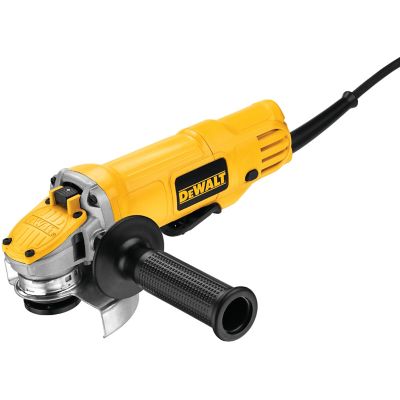
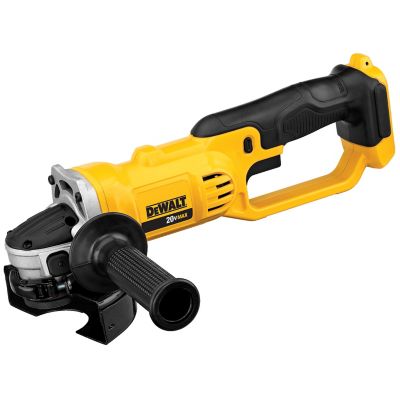
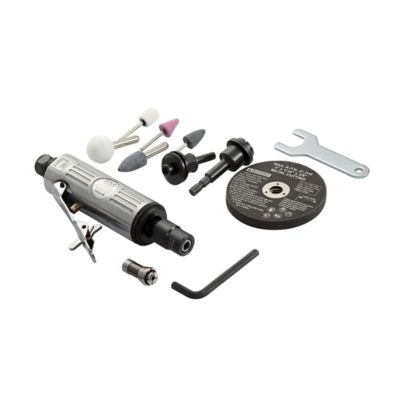
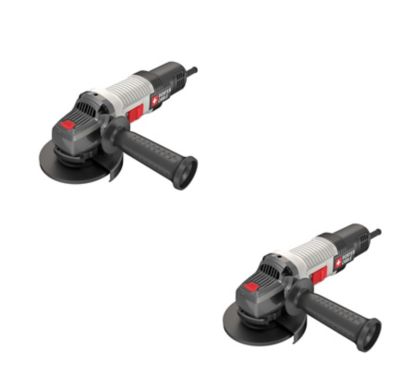
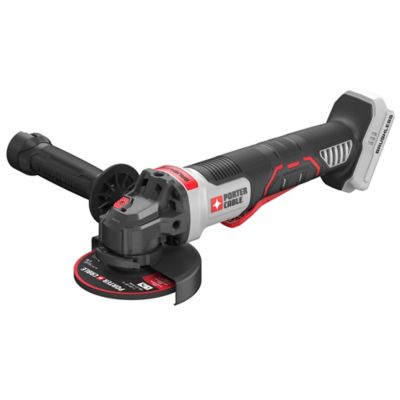
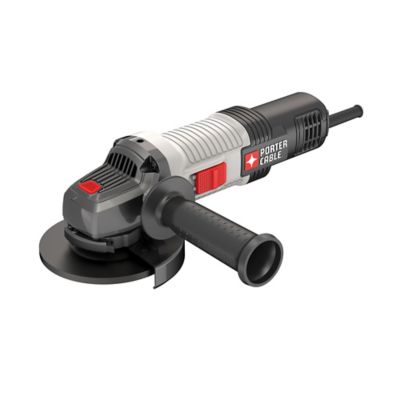
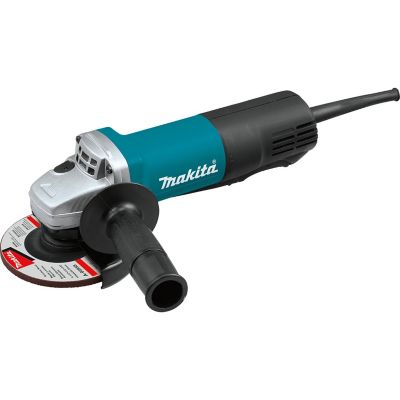
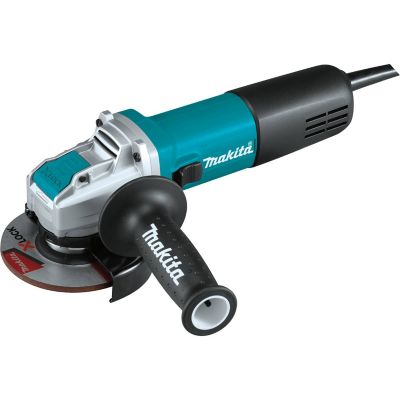
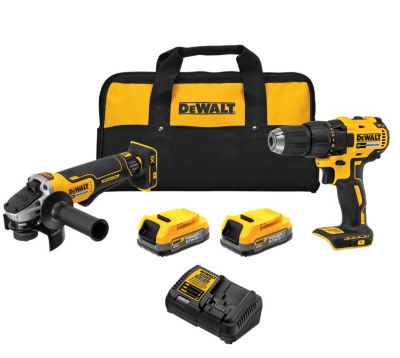
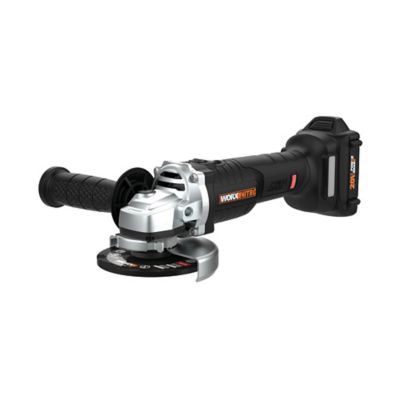
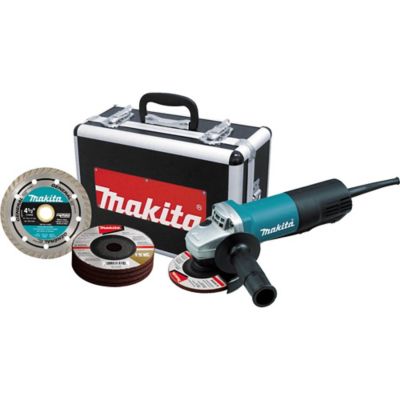
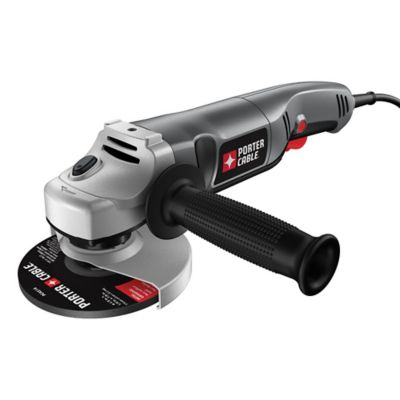
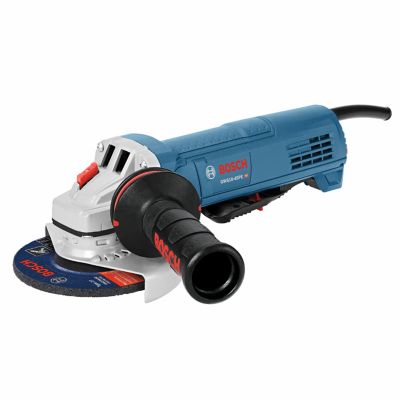
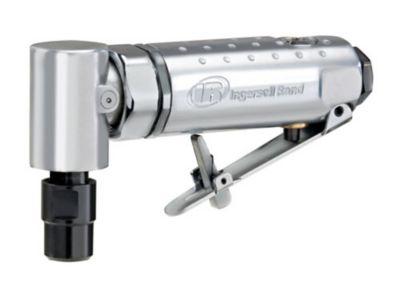
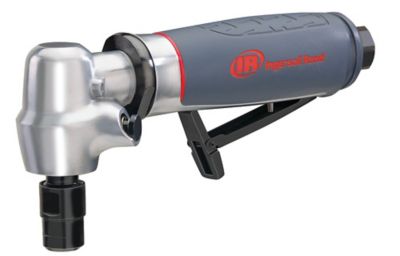
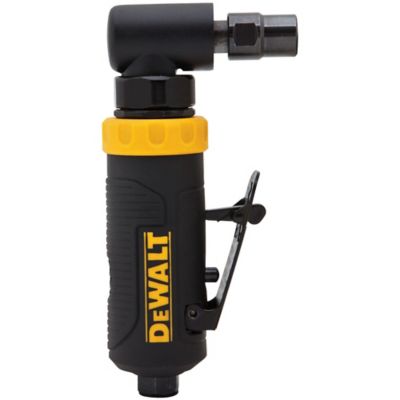
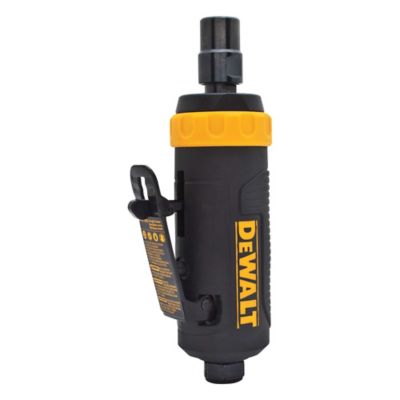
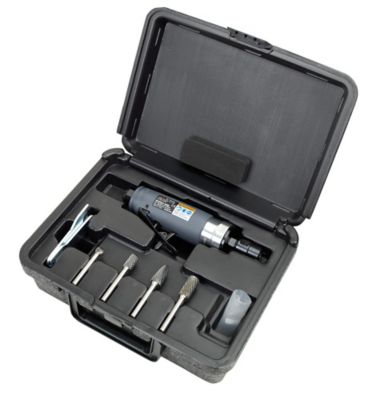
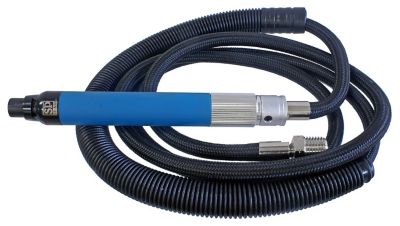
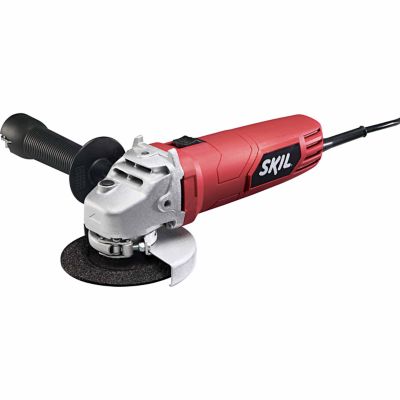
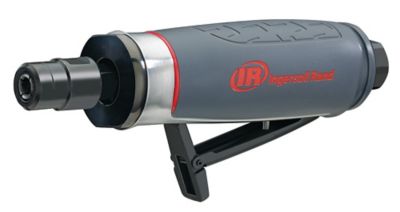
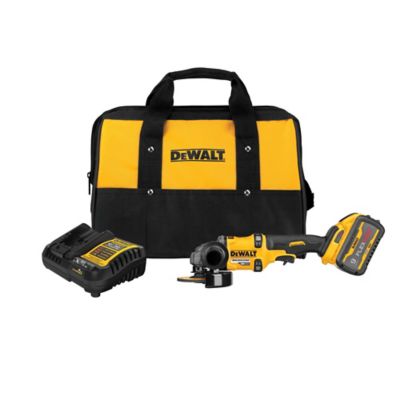
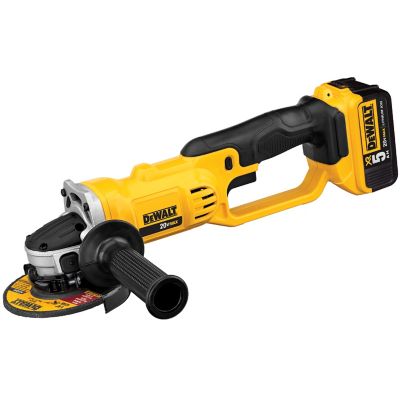
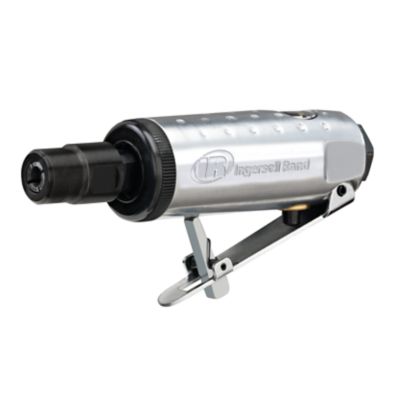
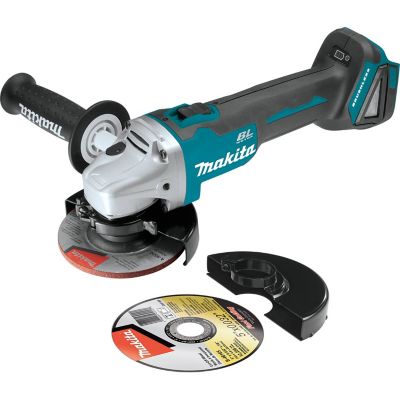
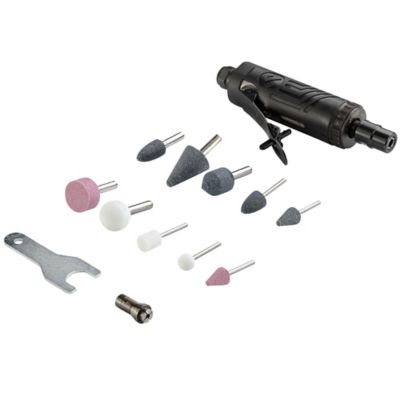
Small grinders come in several handy forms, and the right one depends on the material, the job and the space you have to work in. Compact angle grinders are useful around the shop, barn and homestead for cutting or shaping metal, smoothing rough welds, removing rust and trimming tile or masonry when fitted with the proper wheel. Their smaller size makes them easier to handle than larger shop equipment, especially when you are working on a gate hinge, trailer bracket, mower deck or other repair that cannot be carried to a bench grinder. Die grinders are built for more detailed work in tight spaces. They can help deburr freshly cut metal, clean up casting edges, polish a small area or reach into corners where a larger grinder will not fit. For a closer look at this specialized category, browse
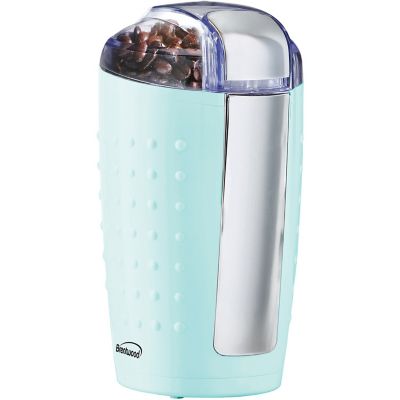
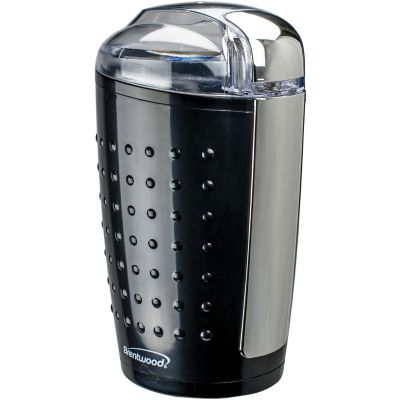
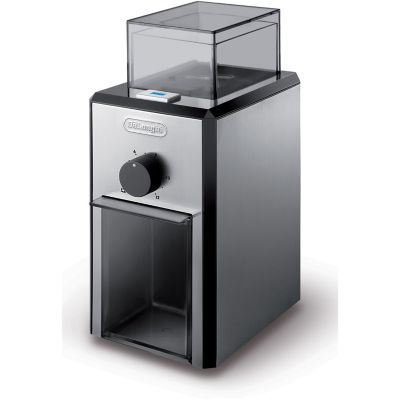
Small Die Grinders. Kitchen and countertop grinders serve a different purpose, breaking down coffee beans, peppercorns, dried herbs, spices and other ingredients for cooking. Manual styles are simple to keep in a camp kitchen, hunting cabin or emergency pantry, while electric models can make quick work of daily meal prep. Pocket-sized herb and spice grinders are another portable option for cooks who like freshly ground ingredients without taking up much drawer or counter space. Because “small grinder” can describe both power tools and kitchen gadgets, checking the product details before purchasing helps make sure the size, speed and intended use line up with the work ahead.
When choosing a small grinder for shop or farm use, start with the material you plan to work on and the kind of finish you need. Cutting wheels, grinding wheels, flap discs, wire wheels and polishing accessories each perform a different job, and accessories should always be rated for the tool and material involved. A compact angle grinder with a smaller disc may be a good fit for light repairs, tight work areas and occasional maintenance, while a die grinder is better suited to detail work and precise material removal. Corded tools provide steady power near an outlet, making them useful at a permanent workbench or inside a well-equipped shop. Cordless tools offer more freedom around fence lines, equipment sheds and job sites where an extension cord would be in the way, though battery capacity and charging time become part of the planning. Pneumatic die grinders can be a practical choice in shops that already have an air compressor with enough capacity for the tool. Pay attention to disc or collet size, operating speed, handle design, guard placement, switch style and overall weight. A tool that feels balanced in your hand can make a long repair less tiring, especially when you are reaching under equipment or working above shoulder height. For kitchen grinders, consider whether you prefer a consistent grind for coffee, quick pulsing for spices or a simple manual setup with fewer parts to clean. Look for a container that is easy to remove and wash, a lid that stays secure and controls that are straightforward to use. Separate grinders can help keep strong flavors such as coffee, pepper and dried chilies from mixing. A compact grinder can also make a useful gift for a new homeowner, home cook, coffee drinker, hobby mechanic or anyone setting up a first workshop. It fits easily in a tool chest, pantry or camp box, and it is the sort of practical item that earns its place by being used often.
Safety and upkeep matter with any grinder, even a small one. Before using a power tool, inspect the wheel, disc, guard, cord or battery and collet for damage, and make sure the accessory is installed correctly and rated for the grinder’s speed. Wear safety glasses or a face shield, hearing protection and work gloves suited to the task; cutting and grinding metal can send hot sparks and sharp fragments across the work area. Keep flammable bedding, feed bags, dry grass, fuel containers and sawdust away from sparks, and give hot metal time to cool before handling it. Secure the workpiece rather than trying to hold it in one hand, and let the tool reach operating speed before bringing it to the material. Light, steady pressure usually gives better control than forcing the grinder, which can cause an accessory to bind or wear unevenly. For food grinders, allow the motor to cool between batches, follow cleaning instructions and keep moisture away from electrical components. Store small grinders in a dry place where discs, cords, batteries and attachments will not be damaged by dust or accidental drops. During the warmer part of the year, a compact tool can be useful for repairing gates, trailers and outdoor equipment, while the cooler months often bring more indoor shop projects, kitchen prep and equipment maintenance. Whether you are cleaning up a weld before repainting a stock trailer, sharpening your approach to a small fabrication job or grinding fresh spices for a pot of supper, choosing a grinder that matches the task makes the work more comfortable, controlled and dependable.